RV Road Trip Packing List to Hit the Road in 2027
7 September 2026
The romantic image of an RV trip is almost always the same: a sunlit highway, a diner with a pie case, and a rig that hums along like a rolling living room. The reality, however, is that an RV is a house that moves at 65 miles per hour, and houses need a lot of stuff. Packing for one is less like throwing a duffel bag in a trunk and more like provisioning a small, mobile apartment that also happens to have a sewage tank.
By 2027, the RV landscape will have shifted. Electric and hybrid RVs will be more common, solar panels will be standard rather than an add-on, and the connectivity demands of remote work will be baked into how people plan their routes. But the fundamentals remain stubbornly physical. You still need to manage water, power, temperature, and the unpredictable nature of your own appetite. This list is not about buying the most expensive gear. It is about understanding the systems in your rig, the environments you will encounter, and the difference between a convenience and a necessity.
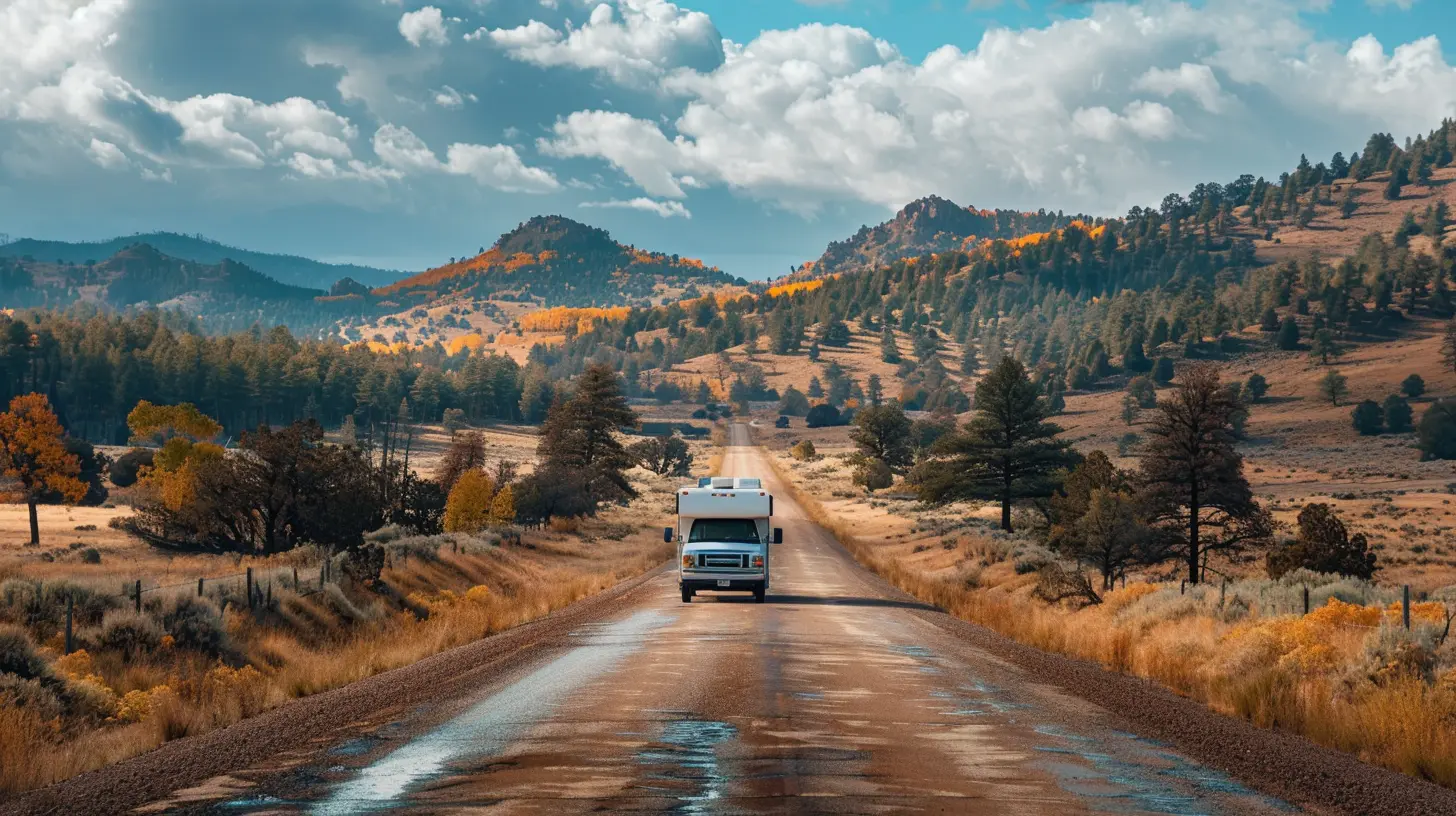
The 2027 Mindset: Systems Over Stuff
Before you start piling gear into the basement compartments, you need to shift your thinking. A packing list for a tent camping trip is a collection of items. A packing list for an RV is a collection of systems that must work together. Water, power, climate, waste, and food are the big five. If any one of those fails, your trip becomes a survival exercise rather than a vacation.The most common mistake new RVers make is treating the vehicle like a car with a bed. They pack for the destination but forget the journey involves daily maintenance. You are not just driving to Yellowstone; you are managing a battery bank, a fresh water tank, and a refrigerator that needs level ground to cool properly. In 2027, with more advanced lithium batteries and inverter systems, the stakes are higher because the technology is more capable but also more sensitive to misuse.
Start your packing process by writing down the make, model, and year of your RV, along with the specific capacities of your water tank, gray tank, black tank, and battery system. Keep that note in your phone. When you are standing in a store aisle trying to decide if you need a 25-foot or 50-foot sewer hose, that note will save you from a costly mistake.
Power and Energy: The New Frontier
The biggest change in RVing over the last few years is the shift from lead-acid batteries to lithium iron phosphate (LiFePO4) batteries. By 2027, this is not a luxury; it is the baseline for anyone who wants to run a modern lifestyle off-grid. Lead-acid batteries only let you use about 50 percent of their rated capacity. Lithium batteries let you use 80 to 90 percent. That single difference changes how much solar you need and how long you can stay put.If your rig does not have a lithium battery bank, your first packing decision is whether to upgrade before the trip or plan around the limitation. Upgrading is expensive, often several thousand dollars. But if you plan to boondock, which means camping without hookups, the upgrade pays for itself in generator fuel and campground fees avoided. If you stick with lead-acid, you need to pack a generator and accept the noise and the smell.
For power, you need to pack more than just the battery. You need the right extension cords. A standard 15-amp household cord is fine for a coffee maker, but your RV likely needs a 30-amp or 50-amp connection. Pack a 30-amp to 15-amp dogbone adapter and a 50-amp to 30-amp adapter. These small, inexpensive adapters are the difference between plugging in at a friend's house and being stuck at a commercial campground.
Solar panels are now common, but portable panels are still worth packing. Roof panels are great when you are parked in the open, but if you are in a forested campsite, the shade will kill your charging. A 100 to 200 watt portable panel that you can set up in a sunny patch can be the difference between running your fridge all day and watching your battery drain. In 2027, look for panels with USB-C and USB-A outputs directly on the panel, so you can charge phones and laptops without going through the RV's inverter.
Water: The Most Underestimated Resource
People worry about running out of power, but they rarely worry about running out of water until it happens. A typical RV fresh water tank holds between 30 and 60 gallons. That sounds like a lot, but a standard shower uses about 2 to 3 gallons per minute. Do the math. A ten-minute shower is 20 to 30 gallons. You can see the problem.The first rule of RV water management is to know your tank size and your daily usage. The second rule is to carry a water pressure regulator. Campground water pressure can exceed 100 psi, which will blow out your RV's internal plumbing. A simple brass regulator set to 40 to 50 psi will protect your pipes. Do not buy the cheap plastic ones; they fail and you will flood your underbelly.
You also need a drinking water hose. Not a garden hose. A white, food-grade hose that is specifically rated for potable water. Garden hoses leach chemicals and taste terrible. Pack at least 25 feet, but 50 feet is safer because some campsites have the water spigot annoyingly far from your connection point.
For filtering, do not rely on the campground's water source. A simple inline sediment filter is cheap and will catch sand and rust. If you are sensitive to taste or want better purity, consider a carbon filter system that attaches to your faucet. Reverse osmosis systems are overkill for an RV because they waste a lot of water, and water is your most precious commodity.
Do not forget a water bandit or a universal water connector. Some older or unusual spigots do not have standard threads. A water bandit is a flexible rubber sleeve that lets you attach your hose to a non-threaded faucet. It weighs nothing and saves you when you are filling up at a remote gas station or a national park with odd fixtures.

Waste Management: The Uncomfortable Necessity
Nobody likes talking about the black tank, but everybody needs to pack for it. The black tank holds toilet waste. The gray tank holds sink and shower water. You need separate hoses for each, and you should never mix them up. Color-coding is not just a good idea; it is a hygiene requirement.Pack a high-quality sewer hose that is at least 20 feet long. The cheap accordion-style hoses that come with many RVs are prone to leaks and tears. Spend the money on a hose with a sturdy collar and a swivel fitting. You will also need a clear 90-degree elbow fitting so you can see when the tank is running clear during the rinse process. This is not about being nosy; it is about knowing when your tank is actually clean.
Use a holding tank treatment that is enzyme-based rather than formaldehyde-based. Formaldehyde kills the bacteria that break down waste, leading to odor and buildup. Enzymes digest the waste and keep the sensors in your tank working correctly. Those sensors are notoriously unreliable, and the only way to keep them accurate is to use the right chemicals and plenty of water.
For the gray tank, pack a filter or a simple mesh screen for your sink drains. Food particles and hair will clog the tank over time, and cleaning a gray tank is a miserable job. Prevention is much easier.
Kitchen and Cooking: Real Meals on the Road
The RV kitchen is a compromise between a full home kitchen and a campfire. You have a stove, a sink, and a refrigerator, but you have limited counter space and even more limited storage. Packing for this kitchen requires a ruthless approach to multi-use items.Skip the dedicated egg cooker, the electric griddle, and the single-use gadgets. Pack one good cast iron skillet, one non-stick skillet, and one medium saucepan. Cast iron retains heat beautifully and can go from stovetop to oven. It also adds iron to your food, which is a nice bonus. The non-stick pan is for eggs and delicate fish. The saucepan is for rice, oatmeal, and sauces.
Do not pack a full set of dishes. Pack melamine or enamel plates that are lightweight and unbreakable. Four of each is enough for a couple or a small family. You will be washing dishes by hand at most campsites, and you will quickly learn that fewer dishes means less work.
Storage containers are critical. You will have leftovers, and you will buy food in bulk at a Costco that you need to portion out. Pack a set of nesting, leak-proof containers in various sizes. Glass is heavy and breakable; use BPA-free plastic or silicone. Silicone collapsible containers are excellent because they flatten down when empty.
Do not forget a manual can opener. Electric ones are wasteful and break. Also pack a good chef's knife and a paring knife. The knives that come with most RVs are dull and dangerous. A sharp knife is safer than a dull one because it requires less force. Bring a knife sharpener as well, because a knife will dull after a week of use.
For coffee, decide your method before you leave. A French press is simple, reliable, and takes up little space. Pour-over is also good. Avoid electric drip coffee makers unless you have abundant power, because they draw a lot of current. A simple stovetop percolator works well on propane and makes strong coffee. In 2027, many RVers will have portable espresso makers that run on 12 volts, but these are a luxury, not a necessity.
Bedding and Comfort: Sleep Is Not Optional
The quality of your sleep will determine the quality of your trip. A bad mattress in an RV is a common complaint, and the fix is not always to buy a new mattress. A high-quality mattress topper can transform a rock-hard RV mattress into something comfortable. Memory foam toppers are great, but they are heavy and bulky. Look for a topper that can be compressed and stored in a vacuum-sealed bag.Pack sheets that fit your specific mattress size. RV mattresses are often non-standard, so measure before you buy. Flannel sheets are cozy in cold weather but too warm in summer. Cotton or a cotton-polyester blend is the most versatile. In 2027, look for sheets with cooling technology if you sleep hot, because RV bedrooms can become stuffy.
Do not forget blackout curtains or window covers. Many RVs have thin blinds that let in light at 5 a.m. during summer. Reflective window covers, like the ones used for windshields, can be cut to fit side windows. They keep the heat out in summer and the cold out in winter, and they give you privacy.
Pillows are personal. Bring your own from home. RV pillows are usually flat and unsatisfying. Also pack a small, lightweight blanket that you can use for naps on the couch or for sitting outside. A weighted blanket is a nice luxury but takes up a lot of space and weight.
Tools and Emergency Gear: The Difference Between a Delay and a Disaster
An RV is a machine, and machines break. You do not need to be a mechanic, but you need to handle basic issues. Pack a basic tool kit with screwdrivers (flat and Phillips), pliers, an adjustable wrench, a socket set, and a multi-bit driver. Add a roll of duct tape and a roll of electrical tape. These two tapes solve 80 percent of temporary problems.A tire pressure monitoring system is non-negotiable in 2027. RV tires are prone to blowouts, especially in hot weather or when underinflated. A TPMS gives you real-time pressure and temperature readings for each tire. The cost is around one hundred to two hundred dollars, and it is the cheapest insurance you can buy. A blowout on a motorhome can cause significant damage to the vehicle and put you in danger.
Pack a portable air compressor that runs on 12 volts. You will need it for tires, but also for inflating pool toys, bike tires, and air mattresses. Look for one with a digital gauge and a long hose.
A jump starter is essential, not just for your RV battery but for helping others. Modern jump starters are small lithium packs that can also charge your phone and run a USB fan. They weigh less than a pound and are worth their weight in gold.
Do not forget a basic first aid kit. Buy a pre-made one and then add to it based on your needs. Add motion sickness medication, antihistamines, and a good supply of your personal prescriptions. Also pack a digital thermometer and a pulse oximeter. These are small and can help you decide whether to drive to a clinic or just rest.
Connectivity and Entertainment: The Digital Nomad Reality
By 2027, working from an RV is not just for retirees. Many people will be on the road for weeks or months while still holding down a job. This changes the packing list significantly.A cellular hotspot is the backbone of RV internet. Do not rely on the campground Wi-Fi; it is almost always slow and unreliable. Look for a hotspot that supports 5G and can handle multiple devices. Consider a plan with a high data cap, because video calls and streaming will eat through data quickly.
A signal booster is worth considering if you plan to spend time in rural areas. A booster like a WeBoost can amplify a weak cell signal, but it will not create a signal where none exists. It is not magic. It is a tool for marginal situations. If you are going to be in truly remote areas, a satellite internet option like Starlink is the only real solution, but it has a high monthly cost and requires a clear view of the sky.
For entertainment, do not pack DVDs or physical media. Download movies and shows to a tablet or laptop before you leave. Streaming on the road is unreliable and data-hungry. Pack a small Bluetooth speaker for music and podcasts. A projector and a portable screen are fun for outdoor movie nights, but they are heavy and require a dark, calm evening. A simple tablet stand and a pair of good headphones are more practical for most nights.
Do not forget a physical map. GPS fails, batteries die, and cell towers disappear in canyons. A good paper atlas of the region you are traveling through is a reliable backup and a nice way to plan scenic routes that the GPS does not know about.
Clothing and Personal Items: Pack Light, Dress in Layers
The temptation is to pack for every possible weather condition. Resist it. You are in an RV, not a backpack, but storage space is still finite and you have to carry everything you bring. The key is layering.Pack three or four outfits that can be mixed and matched. Quick-dry fabrics are your friend. Cotton is comfortable but takes forever to dry and loses insulation when wet. Merino wool is excellent for base layers because it regulates temperature and resists odor. Synthetic fleece is good for mid-layers. A waterproof and windproof shell is essential for rain and wind.
Do not pack more than two pairs of shoes. One pair of sturdy walking shoes or hiking boots and one pair of sandals or water shoes. A pair of comfortable slip-ons for driving is a nice third option but not necessary.
For toiletries, do not pack full-size bottles. Buy travel-size containers and refill them from your home supply. This saves space and weight. Pack a small first aid kit for personal care, including lip balm, sunscreen, and insect repellent. Sunscreen is not optional; the sun at high altitudes and near water is brutal.
Do not forget a hat with a brim and a pair of sunglasses. These are not fashion items; they are protection. Also pack a small laundry kit: a mesh bag, a travel clothesline, and a small bottle of detergent. Many campgrounds have laundry facilities, but they are often expensive and crowded. Washing a few items by hand in your sink is easy and keeps your wardrobe fresh.
Safety and Navigation: Beyond the GPS
Your RV has blind spots, and you need to account for them. A rearview camera is standard on most newer RVs, but if yours does not have one, consider a portable wireless backup camera. They are easy to install and make backing into a campsite much less stressful.A set of walkie-talkies is invaluable when you have a spotter guiding you into a tight site. Cell phones work, but they can drop calls and are awkward to hold while giving hand signals. A simple pair of two-way radios with a range of a few miles is cheap and reliable.
Pack a physical compass. It does not need to be a fancy military-grade instrument. A simple button compass is enough to give you a general sense of direction if you are lost and your phone is dead.
For navigation, do not rely solely on a phone app. A dedicated GPS unit for RVs is still useful because it accounts for the height and weight of your vehicle. Many phone apps do not know that your rig is 13 feet tall and will route you under a low bridge. A truck or RV-specific GPS is a worthwhile investment.
The Final Checklist: What to Double-Check Before You Leave
You have packed everything, but you are not ready to leave. The final hour before departure is when you check the systems, not the stuff.Check your tire pressure when the tires are cold. Check the tread depth and look for any cracks or bulges. Check your engine oil and coolant levels if you are in a motorhome. If you are towing a trailer, check the hitch connection, the safety chains, and the breakaway cable.
Check your propane tank level. You will use propane for the refrigerator, the stove, and the furnace. Running out of propane at night in cold weather is a miserable experience. Fill your tank before you leave, even if you think you have enough.
Check your fresh water tank level and fill it if needed. Check your gray and black tank levels and empty them if they are not completely clean. Leaving with a partially full black tank is a recipe for odor and sensor issues.
Check your fire extinguisher. It should be charged and easily accessible. Check your carbon monoxide and propane detectors. These save lives and are often overlooked. Test them by pressing the test button.
Finally, do a walk-around. Look under the RV for any leaks or hanging parts. Look at the roof for any loose seals or cracks. Open and close every compartment to make sure nothing is going to fly open on the highway.
Packing for an RV trip is not a single event. It is a process that involves understanding your vehicle, your route, and your own habits. The best packers are not the ones with the most gear; they are the ones who know exactly what each item is for and when it will be used. The road in 2027 will be full of possibilities, but the fundamentals of a good trip have not changed. You need to be safe, comfortable, and self-sufficient. Everything else is just scenery.
all images in this post were generated using AI tools
Category:
Travel ChecklistsAuthor:

Reed McFadden
Discussion
rate this article
2 comments
Phaedra McMichael
In 2027, I'll pack snacks, a playlist, and enough socks to survive a small apocalypse. Who knew RVing was basically just camping with WiFi?
October 7, 2026 at 3:28 AM
Zyana McLaury
Packing for an RV road trip is more than just checking off a list. It's about capturing moments that linger in memory, embracing the freedom of the open road, and discovering both new places and yourself.
September 11, 2026 at 4:59 AM