How to Participate in Traditional Festivals Without Crossing Cultural Boundaries
5 March 2026
Attending traditional festivals is a fantastic way to immerse yourself in a new culture, experience local customs, and make unforgettable memories. However, there's a fine line between appreciation and appropriation. So, how do you join the celebration without being disrespectful?
This guide will help you navigate traditional festivals with respect, ensuring you embrace the culture while honoring its significance.
Understanding Cultural Sensitivity
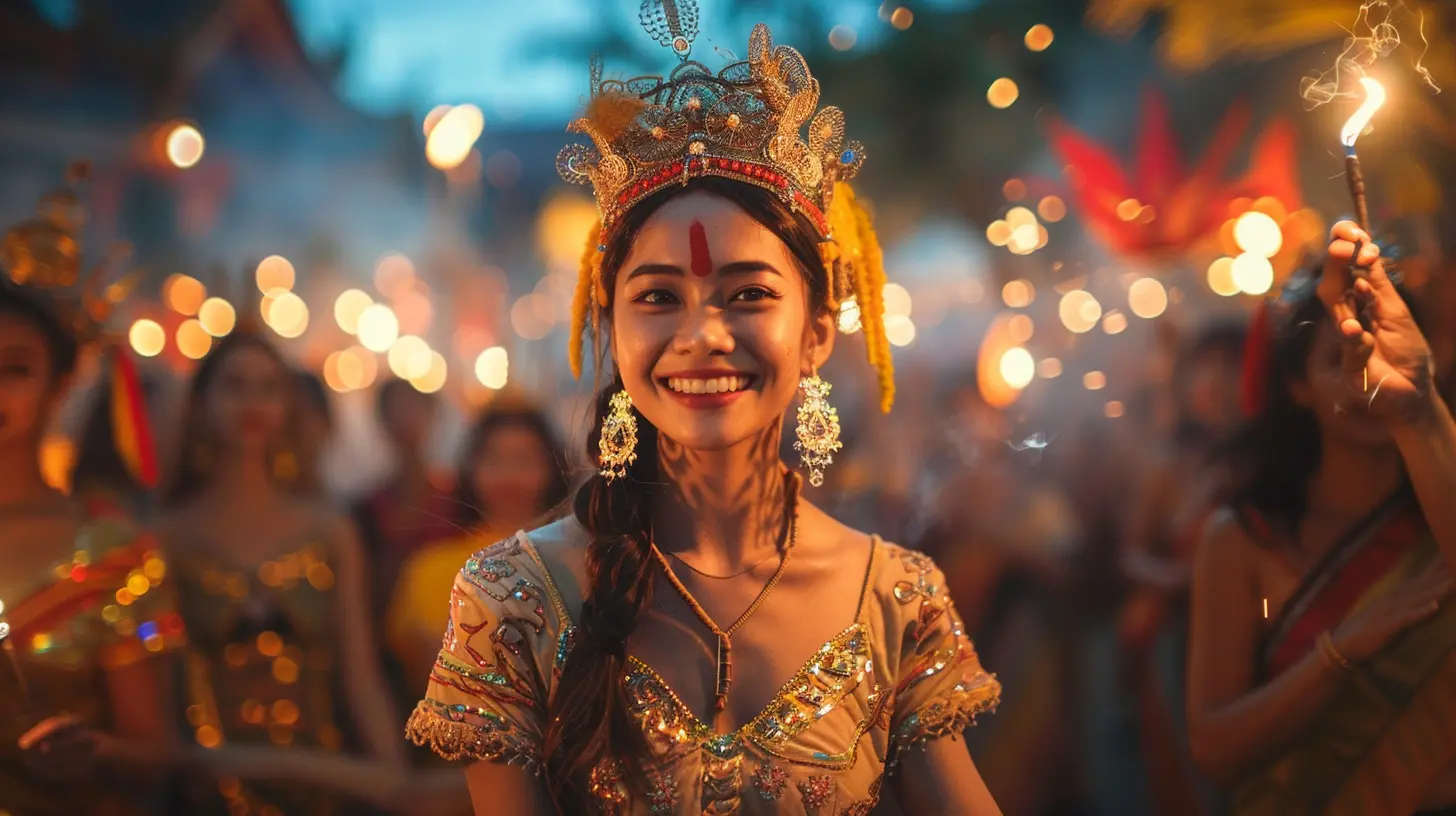
Before you jump into a festival, it's essential to understand what cultural sensitivity really means. It’s about being aware of and respecting the traditions, values, and customs of a particular culture.Think of it like being invited to someone’s home—you wouldn’t just barge in, put your feet on the table, and act however you please. The same applies to cultural festivals.
Why Does It Matter?
Cultural festivals aren’t just about fun and entertainment; they are deeply rooted in history, belief systems, and societal values. What might seem like a colorful, exciting event to you could hold profound spiritual or historical significance to the locals. Being mindful ensures you’re not unintentionally disrespecting traditions.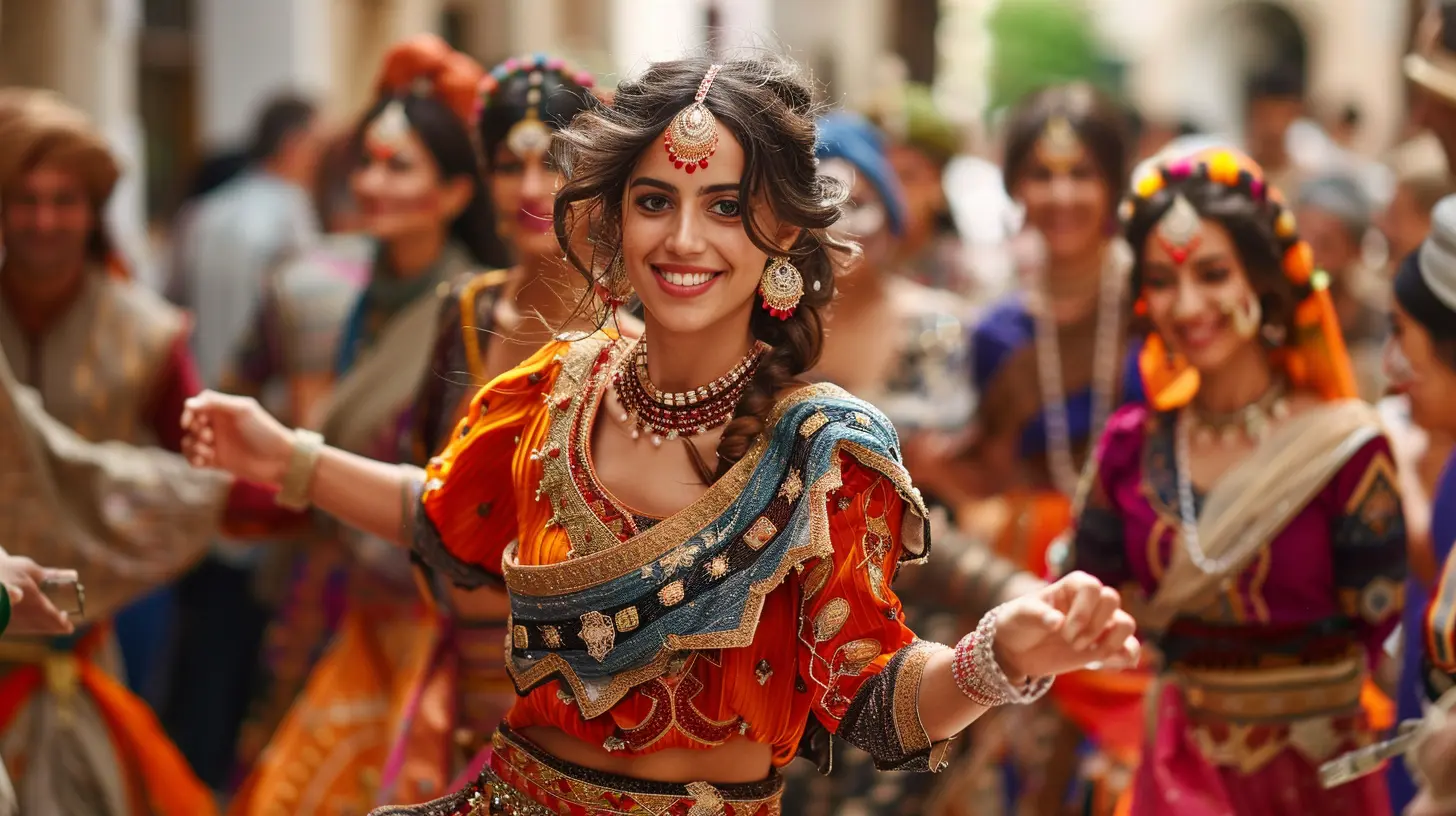
Research the Festival Thoroughly
Before attending any festival, do your homework. Understanding the traditions, history, and significance of a celebration will help you appreciate it on a deeper level.Things to Look Into
- The Meaning Behind the Festival – What does it commemorate? Is it religious, historical, or seasonal?- Rules and Etiquette – Are there any do’s and don'ts for visitors?
- Traditional Attire – Should you wear specific clothing? Is it appropriate for outsiders to dress in traditional garments?
- Participation Guidelines – Are there any rituals or activities that outsiders should avoid?
For example, the Holi festival in India is all about joy and color, but it also has religious significance. While foreigners are often welcome to join in, being mindful of the traditions behind it will ensure your participation is respectful.
Dress Respectfully
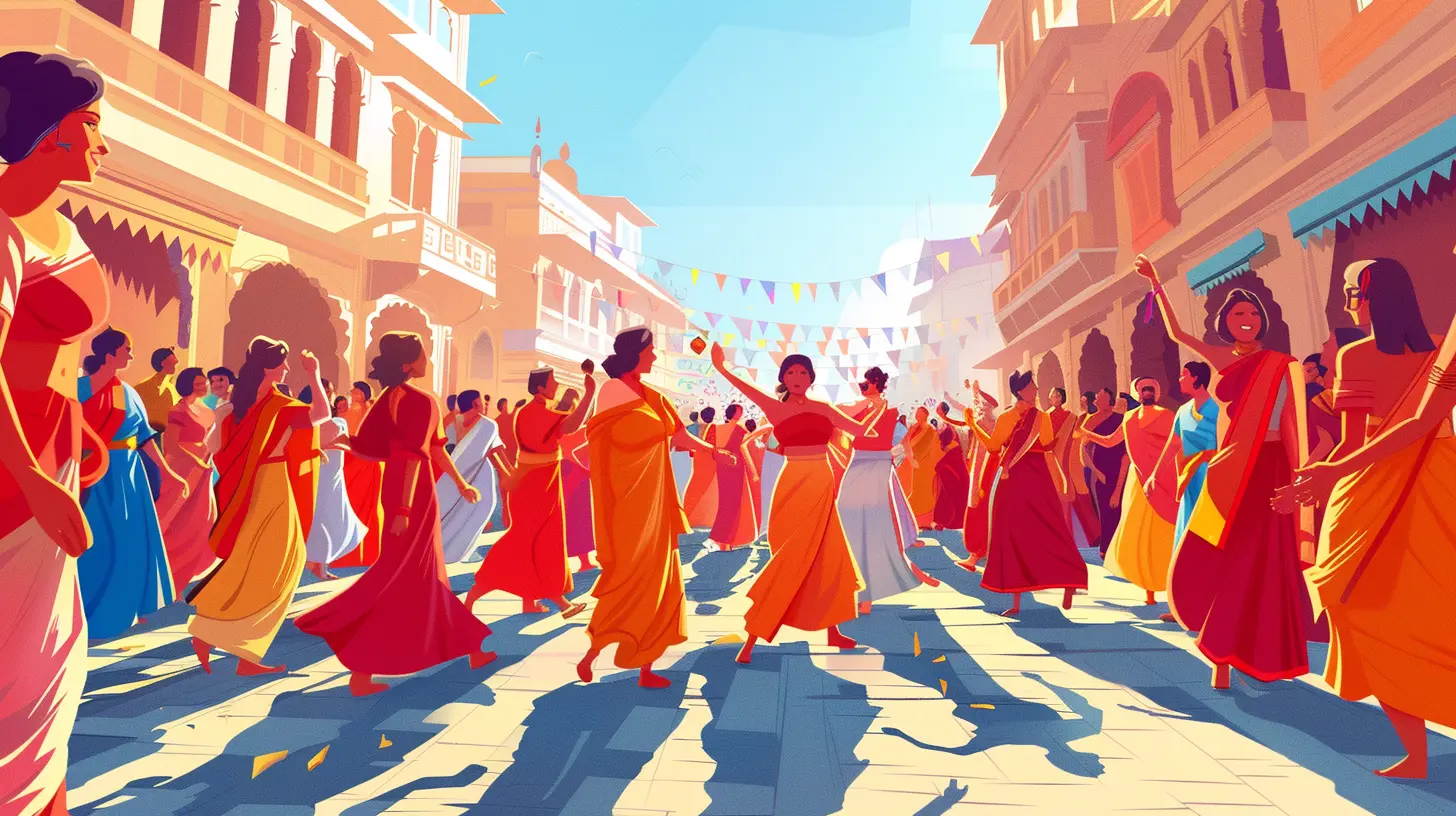
One of the most overlooked aspects of cultural sensitivity is attire. Every culture has different norms regarding clothing. What might be acceptable in one place may be inappropriate in another.Practical Tips
- Dress Modestly When Required – Some festivals, especially religious ones, require modest clothing. Covering shoulders, legs, or even hair might be necessary.- Avoid Sacred or Ceremonial Attire – Some traditional garments are reserved for locals or specific ceremonies. If you’re unsure, ask someone from the community.
- Adapt to Local Norms – If the locals wear a certain type of outfit for the festival, consider wearing something similar (if appropriate).
For example, while a kimono is beautiful, wearing it casually in Japan without understanding its significance might not always be welcomed. However, in certain festivals or events, locals may encourage you to try it. Always ask first!
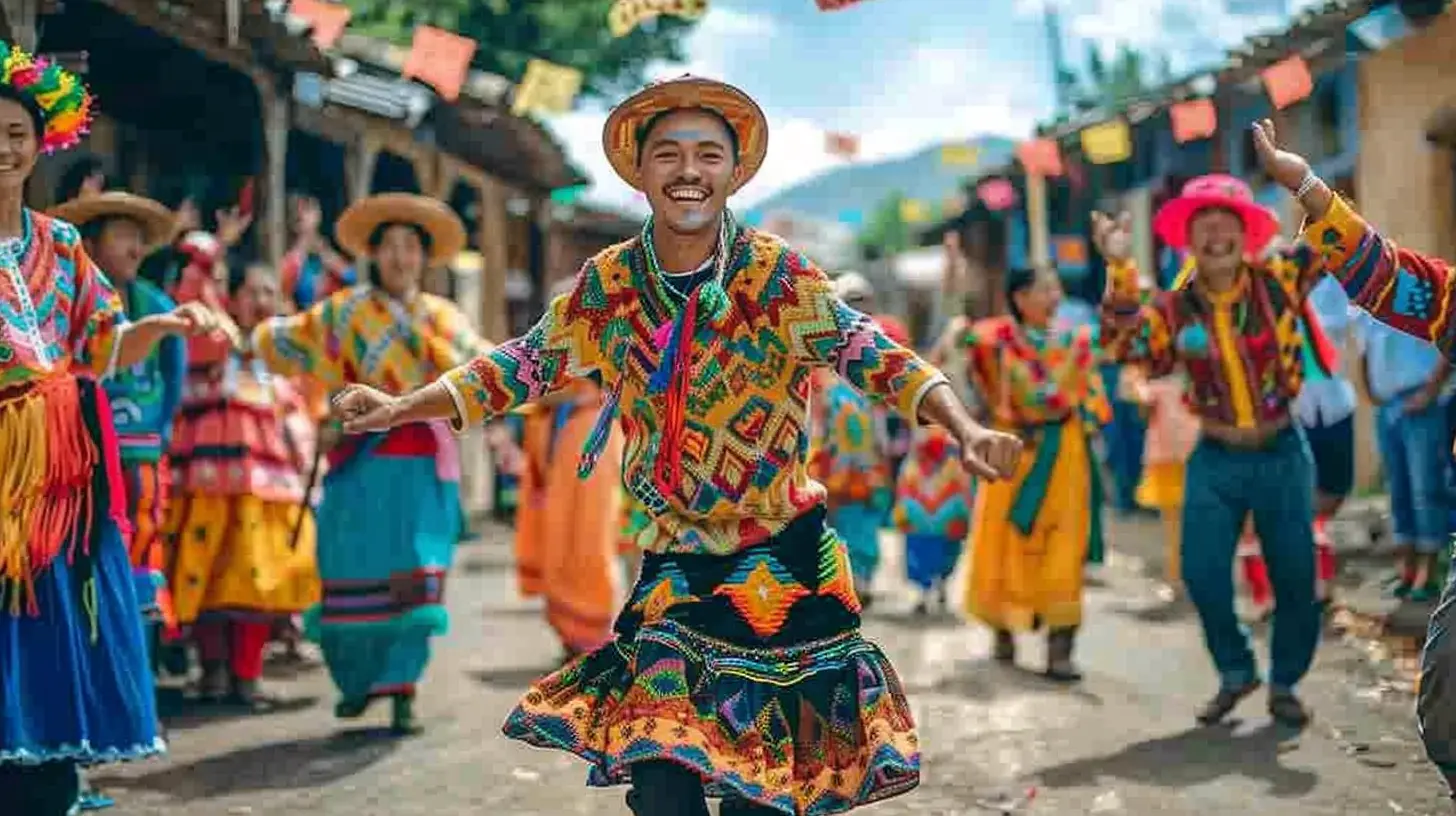
Ask for Permission Before Participating
Not every part of a festival is open to outsiders. Some rituals or ceremonies are deeply personal or religious, and it’s best to observe rather than participate.How to Approach This
- Ask a Local or Event Organizer – If you're unsure whether an activity is open to visitors, simply ask.- Respect Boundaries – If someone tells you something is off-limits, honor that request without argument.
- Be a Respectful Spectator – Sometimes, watching from the sidelines is just as enriching as participating.
For example, in some indigenous ceremonies, non-members of the community are not allowed to take part but are welcome to observe. Respecting these boundaries shows cultural appreciation, not intrusion.
Be Mindful of Photography and Social Media
Social media has made it tempting to capture and share every moment. But not all cultural festivals are Instagram moments. Some traditions and ceremonies are meant to be private.Photography Etiquette
- Ask Before Taking Photos – Some cultures consider photography intrusive, especially during religious or spiritual ceremonies.- Avoid Making It About You – Festivals aren’t a backdrop for your social media feed; they are meaningful cultural traditions.
- Respect Sacred Moments – If locals put their cameras away during a ceremony, follow their lead.
In many indigenous communities, photography is considered disrespectful, especially when it comes to spiritual practices. Always seek permission before snapping a picture.
Support Local Businesses and Artisans
One of the best ways to show respect is by supporting local vendors, artisans, and businesses during festivals. Whether it’s food, clothing, or crafts, putting your money into local hands helps sustain cultural traditions.How You Can Make an Impact
- Buy from Local Vendors – Skip mass-produced souvenirs and invest in handmade goods.- Eat Traditional Foods – Try local dishes made by vendors instead of opting for chain restaurants.
- Book Locally-Owned accommodations – Stay in family-run guesthouses or locally owned hotels rather than big international chains.
For festivals like Día de los Muertos in Mexico, supporting local artists who create traditional sugar skulls and altars can make a big difference in preserving cultural heritage.
Avoid Stereotypes and Misconceptions
Cultural festivals are an opportunity to learn, not reinforce stereotypes. Avoid assuming you know everything about a culture based on what you’ve seen in movies or social media.Things to Avoid
- Overgeneralizing – No culture is a monolith. What you perceive as tradition may vary by region or community.- Mocking or Imitating Accents and Customs – This can be offensive, even if it’s meant as a joke.
- Assuming Participation Equals Understanding – Just because you attended a festival doesn’t mean you fully understand the culture. Always remain open to learning.
For instance, wearing a sombrero to a Mexican cultural event without understanding its significance might come across as caricature-like rather than appreciative.
Show Gratitude and Engage with Respect
At the heart of cultural appreciation is gratitude. If a community welcomes you into their traditions, acknowledge their hospitality.Ways to Show Appreciation
- Thank Locals for Welcoming You – A simple "thank you" in the local language goes a long way.- Ask Questions to Learn More – Show genuine interest in the history and meaning behind festival traditions.
- Give Back If Possible – Consider donating to cultural preservation programs or supporting local initiatives.
Being a respectful traveler means leaving a positive impact, not just memories and photos.
Final Thoughts
Participating in traditional festivals can be an eye-opening, joyful experience if done with the right mindset. The key is respecting the culture, engaging with humility, and appreciating the deeper meaning behind the celebrations.If you follow these guidelines, you’ll not only have an incredible time but also build genuine connections with the people and traditions that make these celebrations so special.
So go ahead, embrace the experience, but do so with respect, curiosity, and an open heart.
all images in this post were generated using AI tools
Category:
Cultural EtiquetteAuthor:

Reed McFadden
Discussion
rate this article
2 comments
Maura Graham
This article beautifully captures the essence of respectful participation in cultural festivities. It’s vital to engage with empathy and openness, ensuring we honor traditions while fostering connections. Thank you for sharing these insightful guidelines!
April 5, 2026 at 3:21 PM
Reed McFadden
Thank you for your thoughtful comment! I'm glad you found the guidelines valuable for engaging respectfully in cultural festivities.
Juliet Gomez
Engaging with traditional festivals is a privilege. Respect local customs, seek genuine understanding, and participate mindfully. Honor the culture while celebrating its richness. Remember, true appreciation stems from being an informed and considerate guest.
March 5, 2026 at 3:39 PM
Reed McFadden
Thank you for your insightful comment! Engaging with cultural festivals requires awareness and respect, and your emphasis on genuine understanding and mindful participation is crucial for honoring traditions.