Scenic Rail Journeys Along India’s Toy Train Routes by 2026
17 September 2026
There is a particular sound that stays with you after a ride on an Indian toy train. It is not the whistle, though that has its own charm. It is the slow, rhythmic clatter of narrow-gauge wheels on rails laid more than a century ago, a sound that has outlasted empires, wars, and the rush of modern life. These trains were never built for speed. They were built to conquer terrain that ordinary railways could not touch, and in doing so they created some of the most beautiful journeys a traveler can take anywhere in the world.
By 2026, these routes are entering an interesting phase. Some are being modernized with new coaches and better facilities. Others remain wonderfully frozen in time. A few face genuine uncertainty about their long-term future. Understanding these differences matters, because not every toy train journey offers the same experience, and choosing the wrong one for your expectations can lead to disappointment rather than wonder.
This guide is for travelers who want more than a checklist. It explains what makes each route distinct, how to plan around their quirks, and why the experience is worth the effort despite the logistical challenges.
What "Toy Train" Actually Means
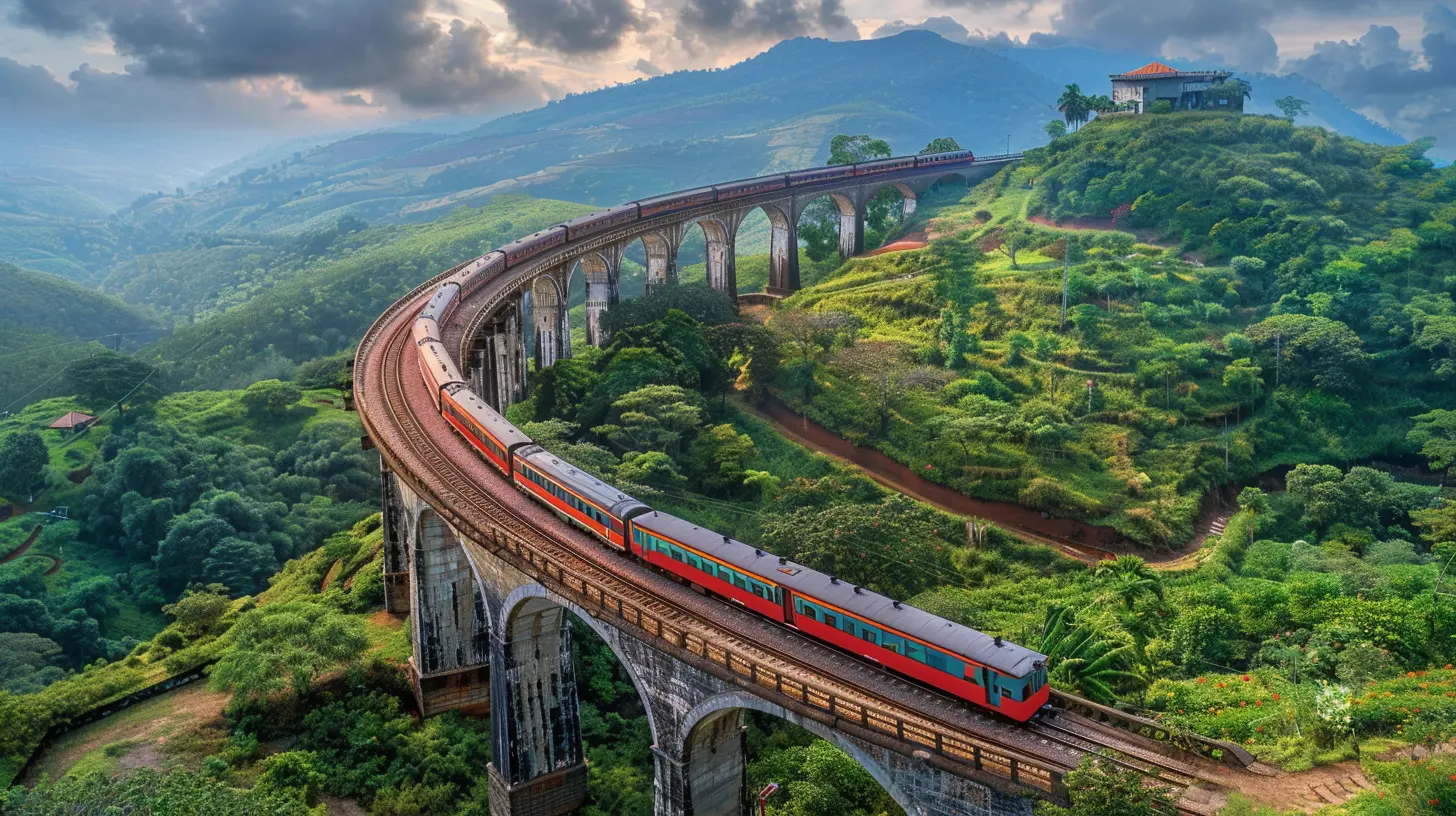
The term is affectionate rather than technical. In Indian railway parlance, these are narrow-gauge and meter-gauge mountain railways, most of them built during the British colonial period to connect hill stations and remote settlements to the plains. The tracks are narrower than standard gauge, which allows trains to negotiate tight curves and steep gradients that would be impossible on wider lines.Five of these railways hold UNESCO World Heritage status as the Mountain Railways of India. That recognition matters for preservation, but it does not guarantee uniform conditions. Each line operates under different constraints, serves different communities, and offers a different kind of beauty.
A common misconception is that all toy trains are essentially the same experience in different scenery. They are not. The Darjeeling Himalayan Railway climbs through tea gardens and cloud forest. The Kalka-Shimla line threads through pine-covered hills with more than 100 tunnels. The Nilgiri Mountain Railway uses a rack-and-pinion system to climb one of the steepest gradients in Asia. The Kangra Valley Railway meanders through relatively unknown terrain. The Matheran line, the shortest of the group, climbs to a car-free hill station near Mumbai.
Each has its own personality, its own best season, and its own set of practical headaches.
Why These Journeys Still Matter in 2026
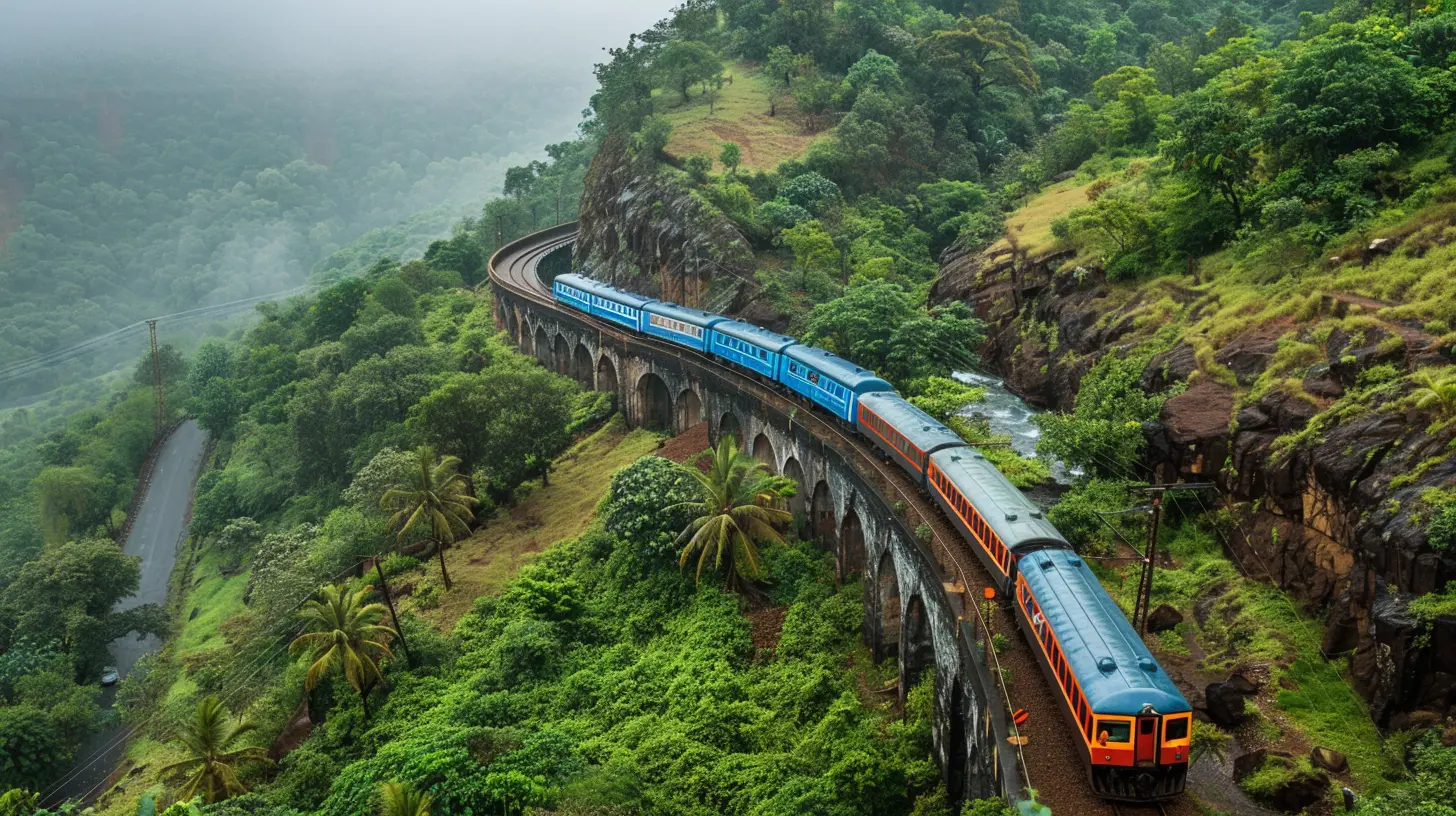
Modern travelers have options. You can drive to most of these hill stations in a fraction of the time. You can fly. You can take a bus. So why would anyone choose a train that averages 10 to 20 kilometers per hour and sometimes breaks down?The answer is that the journey is the destination. These trains do not transport you efficiently; they transport you slowly, deliberately, and in a way that lets you actually see the landscape rather than blur past it. On the Darjeeling Himalayan Railway, the train passes so close to homes that you can see into kitchens. On the Kalka-Shimla line, you cross bridges that seem to float above valleys. On the Nilgiri line, you watch the vegetation change from scrub to shola forest as you climb.
There is also the human element. These trains remain working railways, not museum pieces. Local people use them to get to school, to market, to work. That means you are not on a tourist attraction; you are on public transport that happens to be spectacular. This distinction shapes everything about the experience, from the ticket prices to the delays to the conversations you will have with fellow passengers.
By 2026, several routes are seeing investment in upgraded coaches and improved station facilities. This is generally good news, though it comes with trade-offs. Modern coaches offer better comfort but can dilute the vintage atmosphere that draws many travelers in the first place. If you are chasing the romantic image of wooden benches and steam engines, you need to choose your route and class carefully.
The Darjeeling Himalayan Railway: Tea, Mist, and Steam
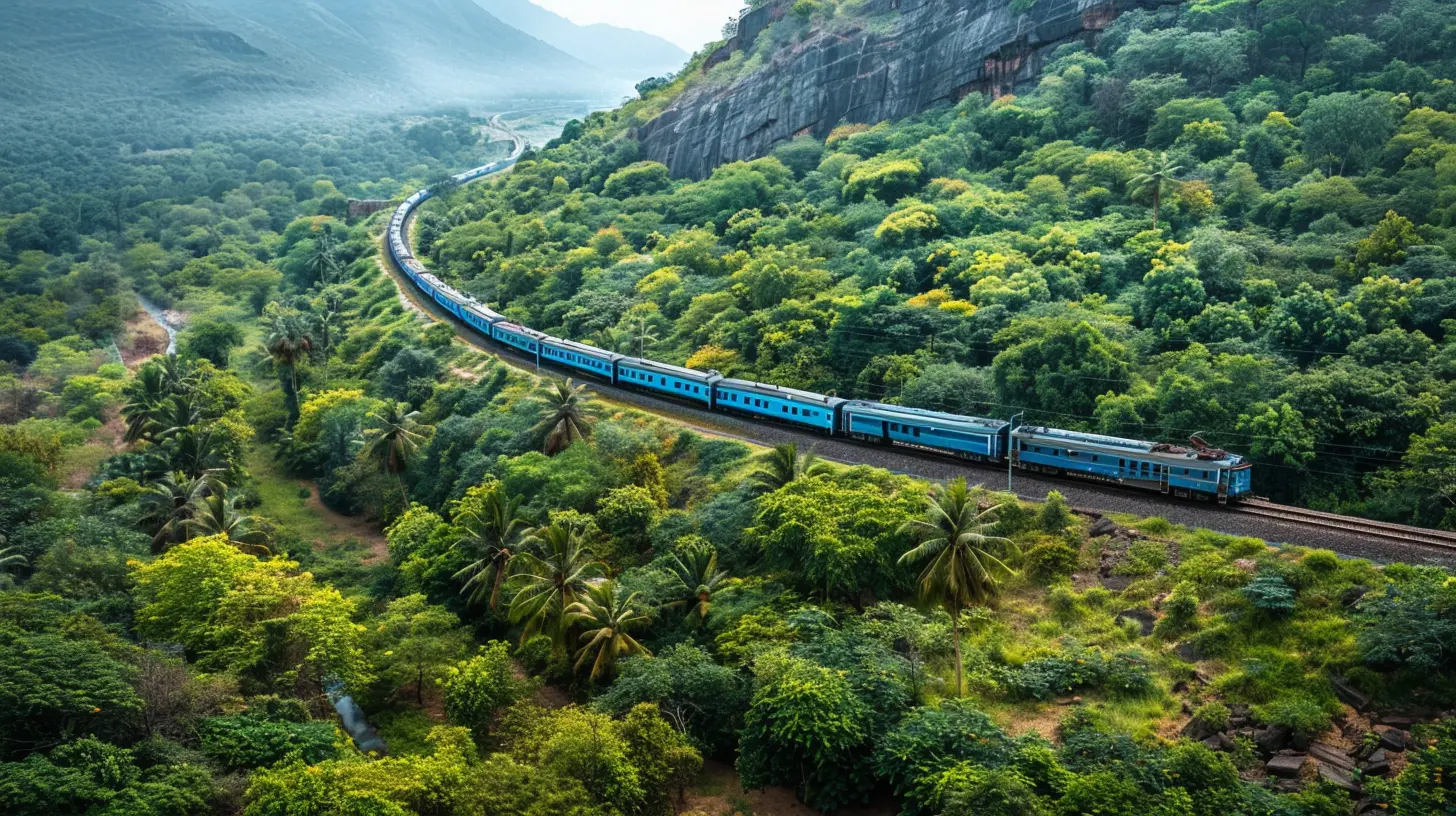
The Darjeeling Himalayan Railway, often called the DHR, runs from New Jalpaiguri to Darjeeling, a distance of roughly 88 kilometers. It was completed in 1881 and has been running, with interruptions, ever since.The most famous segment is the stretch between Darjeeling and Ghum, which still uses a steam locomotive on certain services. This is the ride that appears in most photographs: the train curving through misty tea gardens, the locomotive puffing black smoke, the passengers leaning out of open doorways.
What Makes It Special
The DHR is the only toy train route in India where you can still regularly ride behind a steam locomotive. That alone makes it significant. Steam operations are expensive and labor-intensive, and their survival is never guaranteed. If this matters to you, do not postpone the trip indefinitely.The route also passes through landscapes that change dramatically with the seasons. In spring, the rhododendrons bloom. In monsoon, the hills turn impossibly green, though landslides are a real risk. In autumn, the skies clear and you get views of Kanchenjunga that justify the entire journey. In winter, the air is crisp and the tea gardens are quiet.
Practical Considerations
The full journey from New Jalpaiguri to Darjeeling takes around seven hours when everything runs on time, which is not always the case. Landslides, track maintenance, and mechanical issues can cause significant delays. If you are on a tight schedule, take the shorter Darjeeling to Ghum round trip instead. It captures the essence of the experience in about two hours.Book tickets well in advance, especially for the steam-hauled services. These sell out quickly during peak season. The railway offers different classes, and the difference between them is substantial. First class offers more space and better windows. Second class is more basic but also more atmospheric if you do not mind sharing space.
Common Mistakes
Many travelers assume they can simply show up and buy a ticket on the day. During peak season, this is unlikely. Others book the full journey without realizing how long it takes and how uncomfortable it can be for small children or anyone with mobility issues. The train is not accessible in the way modern transport is. Steps are steep, doorways are narrow, and there is no air conditioning.Another frequent error is visiting during monsoon without checking conditions. The DHR is genuinely vulnerable to landslides, and services can be cancelled with little notice. If you are traveling between June and September, have a backup plan.
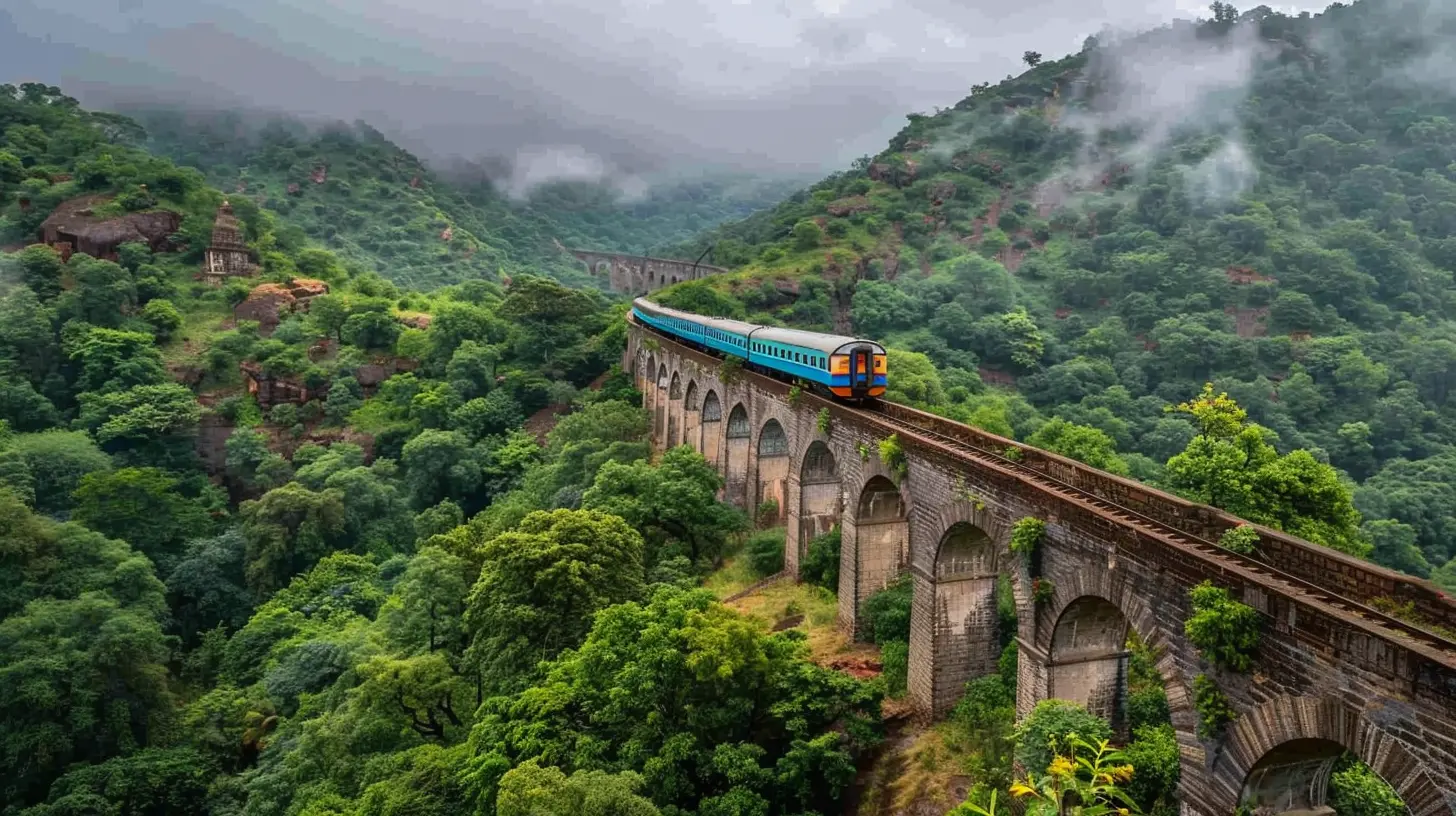
The Kalka-Shimla Railway: Tunnels and Pine Forests
The Kalka-Shimla Railway covers about 96 kilometers and climbs from the plains of Haryana into the Himalayan foothills. It was opened in 1903 and remains one of the most popular toy train routes because it is easily accessible from Delhi and Chandigarh.What Makes It Special
This line has more than 100 tunnels and over 800 bridges. The engineering is remarkable, especially when you consider it was built without modern machinery. The route passes through pine forests, small villages, and terraced fields. In winter, parts of the line see snow, which transforms the landscape entirely.The Shivalik Deluxe Express, a faster service on this route, offers a comfortable ride with meals included. The regular passenger trains are slower and more basic but also cheaper and more authentic in their own way. The choice depends on whether you prioritize comfort or atmosphere.
Practical Considerations
The journey takes about five hours on the slower trains and around four on the deluxe service. The best views are on the left side of the train when traveling from Kalka to Shimla, so try to book accordingly.Shimla itself is a busy hill station with a lot of traffic and construction. If you are seeking solitude, this may not be the route for you. If you want a taste of colonial-era hill station life with easy access from major cities, it works well.
Trade-Offs
The Kalka-Shimla line is the most convenient toy train route for most travelers, but that convenience comes at a cost. It is crowded, especially during summer and the Indian holiday season. The stations are busy, and the experience can feel rushed. If you want a quieter, more contemplative journey, consider one of the less-traveled routes.The Nilgiri Mountain Railway: Asia's Steepest Climb
The Nilgiri Mountain Railway runs from Mettupalayam to Ooty, a distance of about 46 kilometers. It is the only rack railway in India, meaning it uses a toothed rail and pinion system to climb gradients that would otherwise be impossible. The maximum gradient is 1 in 12, which is remarkably steep.What Makes It Special
This is a genuine engineering marvel. The train climbs through tropical forest, tea plantations, and eucalyptus groves, passing over viaducts and through tunnels. The rack-and-pinion system produces a distinctive sound that is unlike anything else in Indian rail travel.The route is also notable for its biodiversity. The Nilgiri Biosphere Reserve is one of the richest ecosystems in India, and the train passes through sections of it. If you are interested in nature, this is arguably the most rewarding toy train journey.
Practical Considerations
The Nilgiri line is slower than the others because of the rack system. The journey takes around five hours. The steam locomotives that once hauled the trains have largely been replaced by diesel, though steam services occasionally run on special occasions.Ooty itself is a popular hill station with a cool climate and plenty of accommodation. The town is more developed than Darjeeling or Shimla, which some travelers appreciate and others find disappointing.
Common Mistakes
Many travelers underestimate how cold it gets in Ooty, especially in winter. Bring layers. Others assume the train runs year-round without interruption. In practice, the Nilgiri line is vulnerable to landslides during monsoon, and services can be suspended for days at a time.Another issue is that the train often runs full, and tickets sell out quickly. Book as far in advance as possible, especially if you want to travel on a weekend or during school holidays.
The Kangra Valley Railway: The Road Less Traveled
The Kangra Valley Railway runs from Pathankot to Jogindernagar, a distance of about 164 kilometers. It is the longest of the toy train routes and the least known among international travelers.What Makes It Special
This line passes through terrain that is beautiful but not as dramatic as the Himalayan routes. The appeal here is the sense of discovery. You are unlikely to encounter many other tourists. The villages along the route are largely untouched by the tourism economy, and the interactions you have with local people feel genuine rather than staged.The route also offers views of the Dhauladhar range, particularly in the section near Kangra. The tea gardens around Palampur are worth a stop if you have time.
Practical Considerations
The journey is long, and the train is slow. Do not attempt the full route unless you have a full day to spare and a high tolerance for discomfort. The coaches are basic, and facilities are limited.The best approach is to travel a section of the route, perhaps from Pathankot to Kangra or from Kangra to Palampur, and then continue by road. This gives you a taste of the experience without committing to the entire journey.
Trade-Offs
The Kangra Valley Railway is not for everyone. If you want the iconic toy train experience with steam engines and dramatic scenery, this is not the route for you. If you want solitude, authenticity, and a sense of traveling through a part of India that few visitors see, it is worth considering.The Matheran Hill Railway: A Car-Free Escape
The Matheran Hill Railway runs from Neral to Matheran, a distance of about 20 kilometers. It is the shortest of the toy train routes and the only one that leads to a hill station where vehicles are banned.What Makes It Special
Matheran is a unique destination. No cars, no motorcycles, no honking. The only sounds are birdsong, footsteps, and the occasional horse. The train journey itself is short but pleasant, passing through forest and offering views of the plains below.The route was built in 1907 and has been running, with interruptions, ever since. It is not as famous as the other toy trains, which means it is less crowded and easier to book.
Practical Considerations
The journey takes about two hours. The train is small, and the coaches are basic. There is no food service, so bring your own snacks and water.Matheran itself is a pleasant place to spend a night or two. There are plenty of walking trails, and the viewpoints offer panoramic views of the surrounding hills. The lack of vehicles makes it a refreshing change from most Indian hill stations.
Common Mistakes
Some travelers treat Matheran as a day trip from Mumbai. This is possible but rushed. The train journey alone takes two hours each way, and you will want time to walk around and enjoy the car-free atmosphere. Stay overnight if you can.Another issue is that the train does not run during monsoon, when the tracks are considered unsafe. Check before you plan.
Comparing the Routes: Which One Is Right for You?
The choice depends on what you value most.If you want the classic toy train experience with steam engines and dramatic scenery, the Darjeeling Himalayan Railway is the obvious choice. It is also the most vulnerable to disruption, so build flexibility into your plans.
If you want convenience and easy access from major cities, the Kalka-Shimla Railway is the best option. It is also the most crowded, so adjust your expectations accordingly.
If you want engineering marvels and biodiversity, the Nilgiri Mountain Railway is unmatched. It is slow and can be uncomfortable, but the experience is unique.
If you want solitude and authenticity, the Kangra Valley Railway is worth the effort. It is not glamorous, but it is real.
If you want a short, pleasant journey to a car-free hill station, the Matheran Hill Railway is ideal. It is the least demanding of the routes and the easiest to fit into a busy itinerary.
When to Go and What to Expect
The best season for most toy train journeys is from October to March, when the weather is clear and the risk of landslides is low. April and May can be hot in the plains but pleasant in the hills. Monsoon, from June to September, is best avoided unless you are prepared for delays and cancellations.Winter, from December to February, brings cold temperatures, especially in Darjeeling and Shimla. Snow is possible, which can be magical but also disruptive. Check conditions before you travel.
Final Thoughts
The toy trains of India are not just tourist attractions. They are living railways that have served their communities for more than a century. Riding them is a privilege, but it is also a responsibility. Respect the local people who use these trains for their daily lives. Be patient when things go wrong, because they will. And take the time to look out the window, because the view is the point.By 2026, some of these routes will have changed. New coaches, better facilities, perhaps even new services. But the essence of the experience, the slow climb through landscapes that have not changed in generations, will remain. That is worth protecting, and worth experiencing while you can.
all images in this post were generated using AI tools
Category:
Iconic RoutesAuthor:

Reed McFadden