Exploring the Underwater World of Channel Islands National Park
12 July 2026
Imagine dipping below the ocean’s surface and discovering a wild blue universe teeming with neon-colored fish, swaying kelp forests, and shipwrecks frozen in time. Sounds like a dream, right? Welcome to the surreal, jaw-droppingly beautiful underwater world of Channel Islands National Park. This place isn’t just a California treasure—it's a full-blown aquatic wonderland that looks like something straight out of a Jacques Cousteau fever dream.
Now, if you’re thinking, “Wait… Channel Islands? Isn’t that just some quiet little archipelago off the SoCal coast?” You’re not alone. But trust me, these islands hold more secrets beneath the waves than the plot of a sea monster movie. And the best part? You don’t need a submarine or a Hollywood budget to witness it all.
So grab your snorkel (or scuba gear), and let’s take a deep dive (pun 100% intended) into this quirky, mystical, and flat-out spectacular marine playground.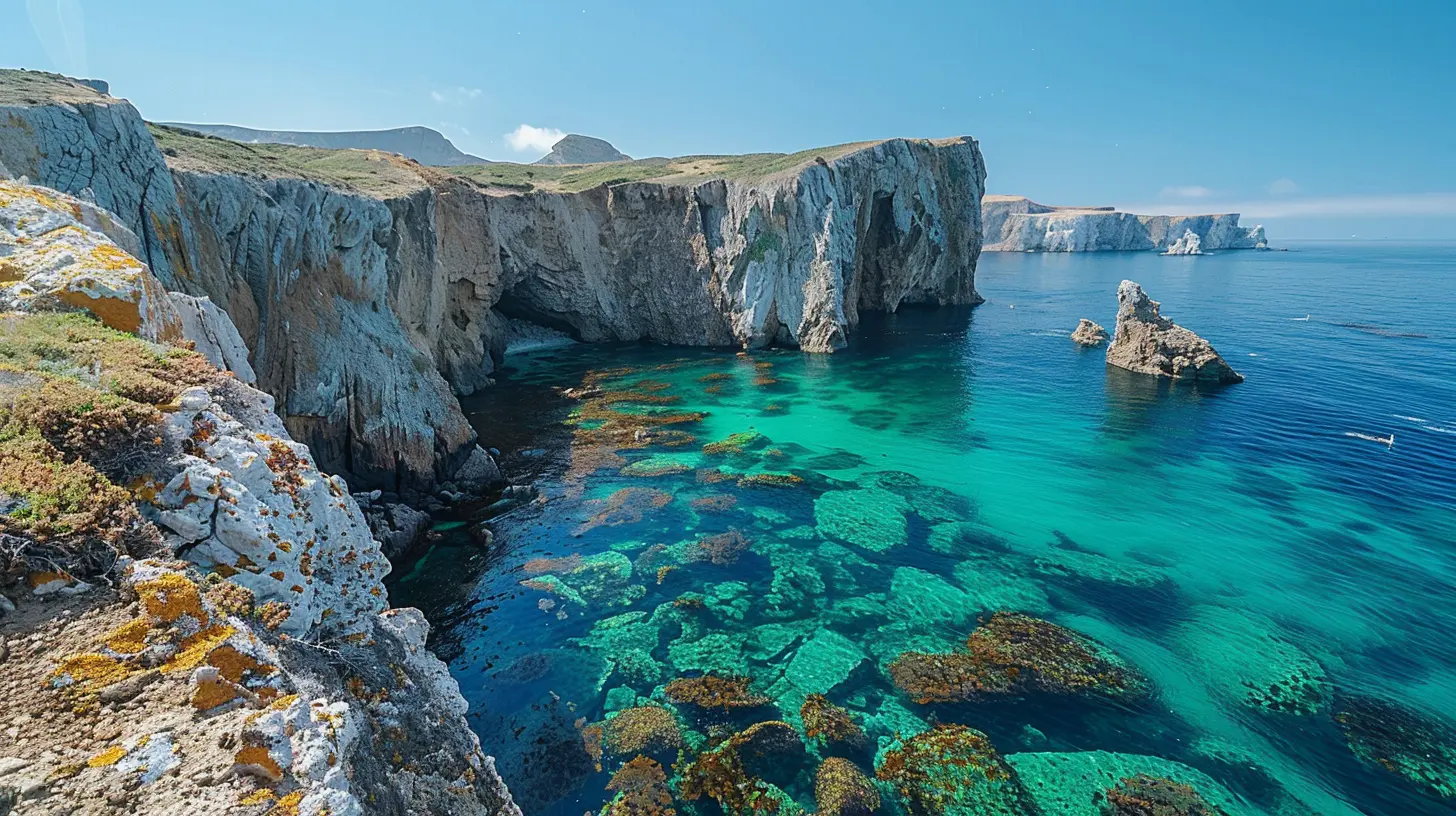
Wait, Where Are the Channel Islands Again?
Before we go full Aquaman mode, let's get our geography goggles on.The Channel Islands are a chain of eight islands located off the southern coast of California. Five of these—San Miguel, Santa Rosa, Santa Cruz, Anacapa, and Santa Barbara—make up the Channel Islands National Park. Just 20-ish miles from the mainland, but once you’re out there... it feels like you’ve time-warped into pre-human California. Zero city noise. No Wi-Fi. Just nature doing its thing.
And the real magic? It doesn’t stop at the shoreline.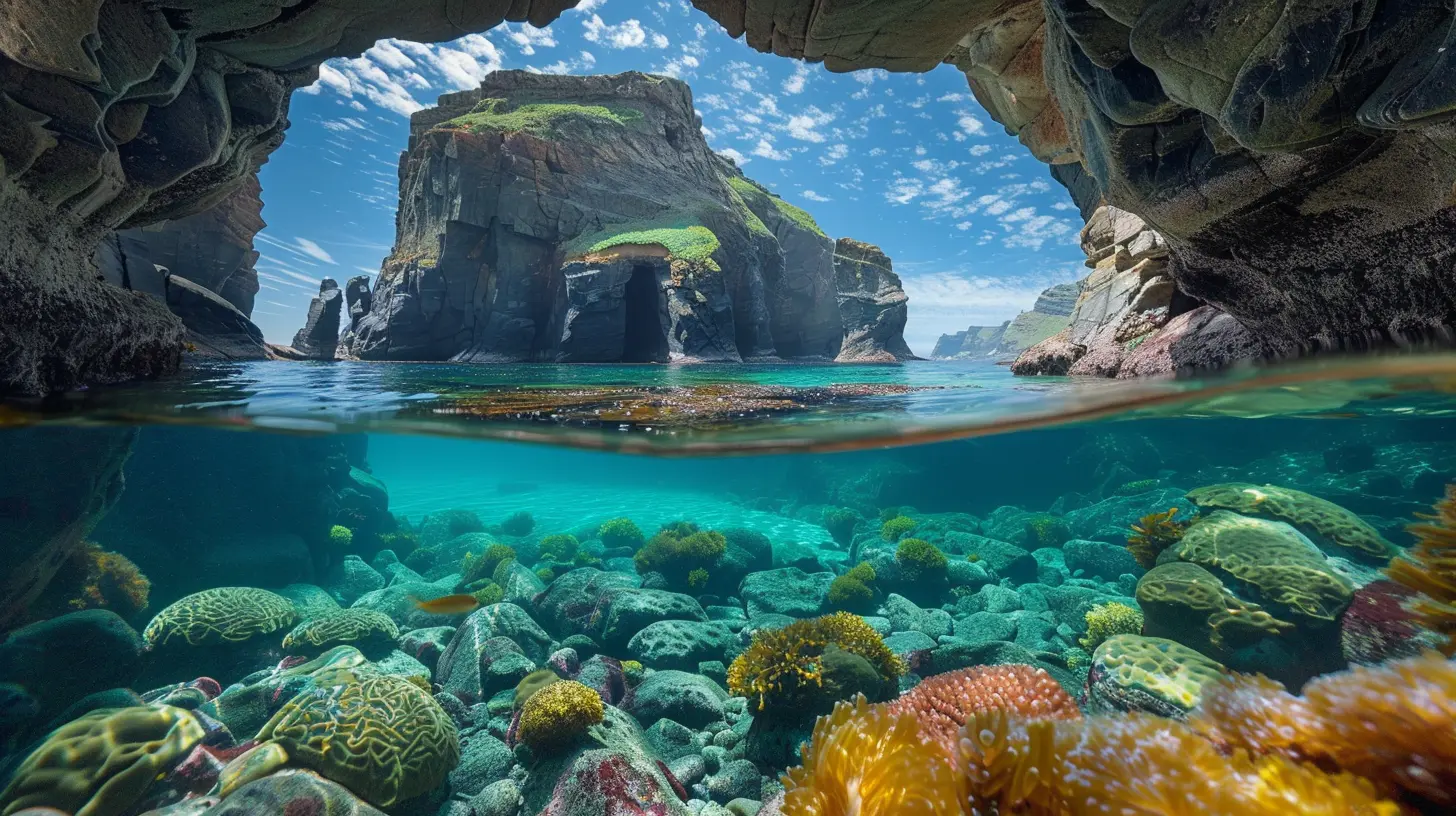
Why the Channel Islands' Underwater Scene is Next-Level Cool
Sure, plenty of spots across the globe offer snorkeling and diving. But what makes Channel Islands underwater adventures truly unique? It's all about biodiversity, baby.These waters are home to more than 1,000 species of marine life, many of which aren’t found anywhere else on Earth. We’re talking bright orange Garibaldi (California's state fish and underwater diva), lumbering sea lions with major attitude, and majestic giant sea bass that glide like underwater bouncers.
Oh, and the kelp forests? They’re like underwater cathedrals—towering, sway-dancing jungles that shelter fish, sea urchins, and even the occasional curious octopus. It’s like stepping into an alien ecosystem… if aliens were into seaweed and sun rays.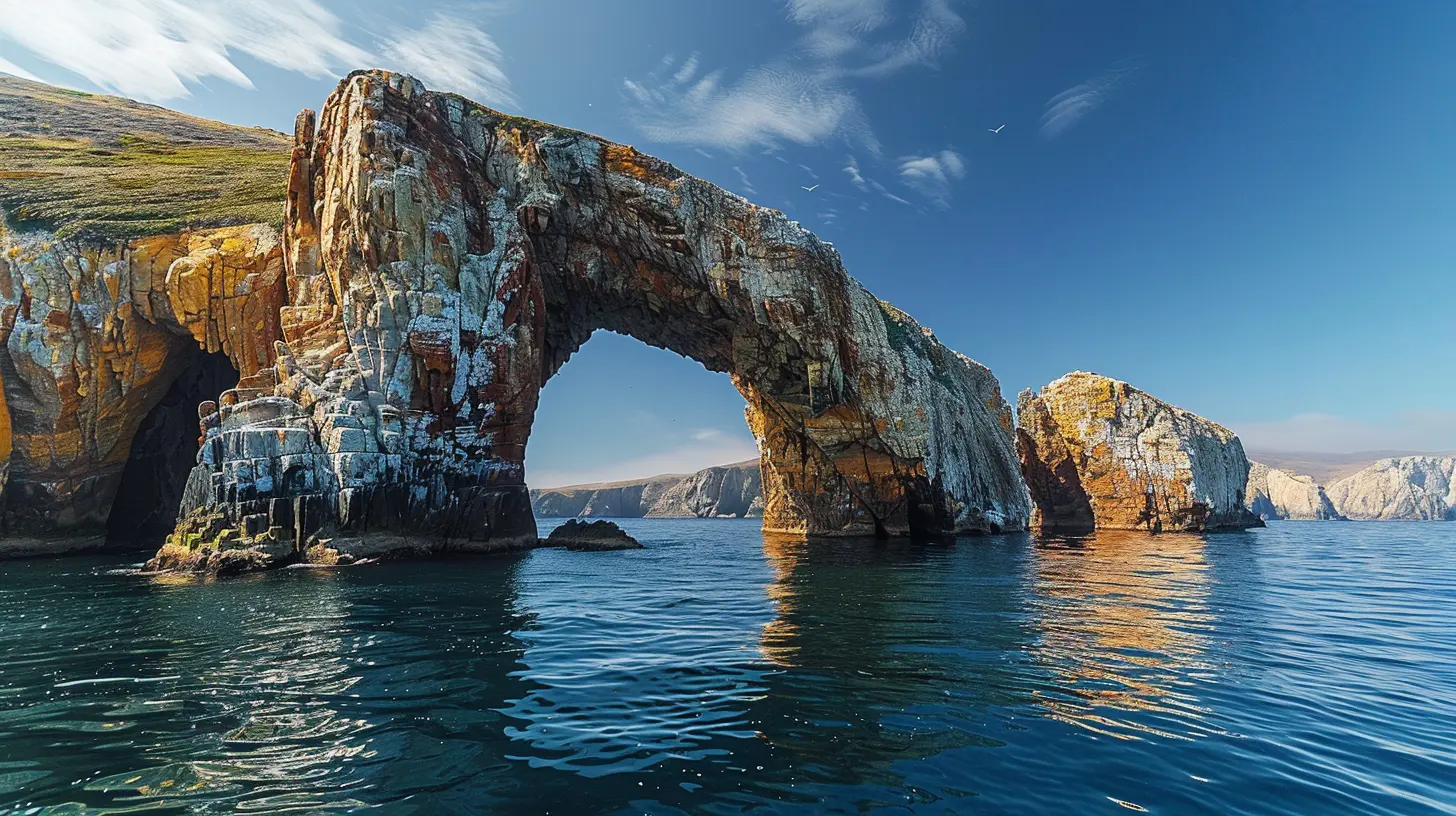
Snorkeling vs. Scuba Diving – Which Side Are You On?
Let’s settle this: you don’t need to be a certified diver to enjoy the underwater goodness of Channel Islands. But is scuba worth it? Heck yes, if you’re up for an immersive, all-out adventure.? Snorkeling: For the Chill Explorers
Snorkeling around Anacapa and Santa Cruz Islands is hands-down one of the best ways to get a taste (okay, hopefully not literally) of the marine magic. With clear visibility and shallow kelp forests near the shore, you’ll still catch glimpses of rainbow-colored fish darting around like aquatic confetti.Here’s what makes snorkeling here stand out:
- Super-clear water (we’re talking 40-80 feet visibility on a good day)
- Calm coves perfect for beginners
- Epic kelp forests close to the surface
- Occasional sea lion cameos (they’re basically the golden retrievers of the sea)
? Scuba Diving: For the Deep Sea Daydreamers
Now, if you're the type who dreams in bubbles and gauges, scuba diving here is next-level. The underwater topography is seriously dramatic. Think arches, volcanic caves, drop-offs, and shipwrecks. Plus, deeper water means bigger and weirder wildlife sightings. Hello, bat rays and horn sharks!Best diving spots include:
- Scorpion Anchorage (Santa Cruz Island): Great for both novice and experienced divers.
- Landing Cove (Anacapa Island): Crystal clear and full of life.
- Painted Cave (Santa Cruz): One of the largest sea caves in the world. Sounds spooky? It is. In a good way.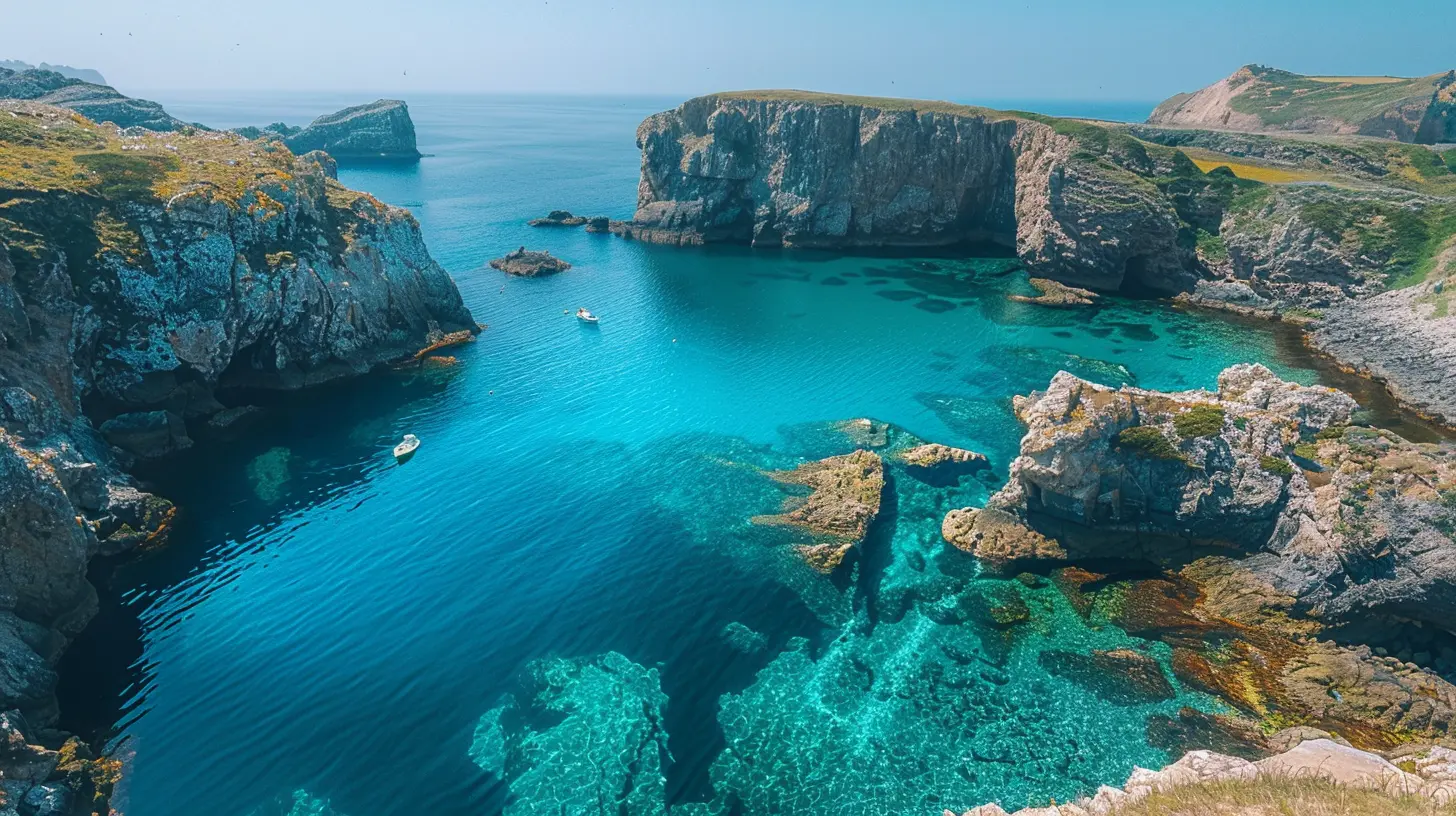
Want Weird? The Wildlife Here Gets Delightfully Bizarre
You won’t find your typical Finding Nemo cast here (though they may drop by). The marine residents of Channel Islands are an eclectic bunch.? Garibaldi: The Orange Ego Machine
These territorial little guys are impossible to miss. Bright orange. Loud. Sassy. And they will absolutely confront you if you enter their turf. Tiny fish? Big energy.? Sea Lions: Barking Beach Bros
Sea lions love to hang out on rocky outcroppings and will often zoom past swimmers like underwater torpedoes. They're curious, playful, and low-key hilarious.? Nudibranchs: Tiny Rainbow Slugs
Yes, sea slugs. But make 'em fashion. These little guys look like nature's hallucination—bright purples, electric blues, firey oranges, with tiny feather-like gills. Cute? Weird? Both.? Giant Sea Bass: The Gentle Giants
These massive fish look intimidating, but they’re actually zen masters. They can live over 70 years and grow to more than 7 feet long. Basically the grandpas of the reef.Kelp Forests: Underwater Rainforests with Chill Vibes
If you’ve never swum through a kelp forest, picture this: you’re gliding through towering green stalks that stretch 100 feet high, sunlight slicing through like stage lights at a rock concert. Fish peek out from behind fronds. Everything sways in harmony.Kelp forests are more than just Insta-worthy; they're critical ecosystems. They:
- Provide shelter and food for hundreds of species
- Absorb carbon dioxide like underwater tree-huggers
- Act as natural wave buffers, protecting coastlines
Santa Cruz Island and Anacapa are prime spots to float your way through these enchanting underwater jungles.
Shipwrecks and Sea Caves: For the Adventurous at Heart
Did someone say treasure? Okay, maybe not gold doubloons, but the Channel Islands’ underwater terrain has its share of sunken stories.?️ Shipwreck Dives
There are several lesser-known wrecks peppered around the islands, relics of past shipping routes and naval adventures. These sunlight-dappled skeletons are now home to fish, anemones, and mystery.? Painted Cave
Accessible by boat or guided snorkeling tour, Painted Cave on Santa Cruz Island is a 1,227-foot-long sea cave with walls that look Jackson Pollock went scuba diving. Inside, the water reflects shimmering blues and greens, and you half-expect a mermaid to appear.When’s the Best Time to Dive In?
Spoiler alert: California’s ocean isn’t warm. But it’s totally worth braving the chill.Best months to dive/snorkel?
May to October offers the warmest water (relatively speaking), calm seas, and best visibility. But winter brings migrating gray whales into view, which is its own kind of magic.
Water temps?
Anywhere from 50°F (brrrr) to 70°F (not too shabby). A good wetsuit is your BFF.
How to Get There & What You'll Need
No, you can’t just swim over. You'll need to catch a boat with a company like Island Packers (they’ve got the ferry game on lock). Trips depart from Ventura and Oxnard and take about an hour, depending on which island you're visiting.Once you’re there, it’s all about preparation:
- Bring or rent snorkeling/scuba gear
- Pack your own food and water—there are no shops on the islands
- Wetsuits are not optional unless you're part sea otter
- Don’t forget your underwater camera. Trust me.
You can also camp overnight, but everything must be packed in and packed out. Leave no trace, folks.
Pro Tips for First-Timers
- Sea lions are curious, not aggressive—but give them space.- Don’t touch the kelp—it’s alive and sometimes fragile.
- Watch sea conditions—things can change quickly in the ocean.
- Go with a guide if you're not confident navigating currents.
- Double-check your gear before you leave the mainland. Replacing a lost fin on the island? Not happening.
Final Thoughts: Dive into the Wild
The underwater world of Channel Islands National Park isn’t just a snorkeler’s paradise or a diver’s bucket list spot. It’s a slice of untouched aquatic wilderness where every dive feels like an unfolding mystery.You’ll leave waterlogged, wonderstruck, and probably a little obsessed with Garibaldi fish. And honestly? That’s the best kind of vacation.
So if you’re craving adventure with a splash (literally) of quirk, pack your wetsuit, charge your GoPro, and go meet the wild side of California that’s hiding just beneath the waves.
all images in this post were generated using AI tools
Category:
National ParksAuthor:

Reed McFadden
Discussion
rate this article
1 comments
Gunnar West
What an incredible adventure! The underwater scenery must be breathtaking. Can't wait to explore it myself!
August 23, 2026 at 2:56 PM
Reed McFadden
Thanks! The underwater beauty truly is something special. Hope you get to experience it soon!