The Wildflower Bloom Spectacles of the National Parks
12 June 2026
Imagine stepping into a vast, open meadow bursting with vibrant colors—delicate petals swaying in the breeze, rolling hills painted in shades of pink, yellow, purple, and blue. This isn’t a dream; it’s the breathtaking wildflower bloom that graces America’s national parks each year.
Mother Nature puts on quite the show, and if you time your visit just right, you’ll witness a floral explosion that feels almost otherworldly. From desert landscapes to alpine meadows, wildflower season transforms these parks into living masterpieces.
So, where and when can you catch these dazzling displays? Let’s dive into some of the most spectacular wildflower spectacles across the national parks. 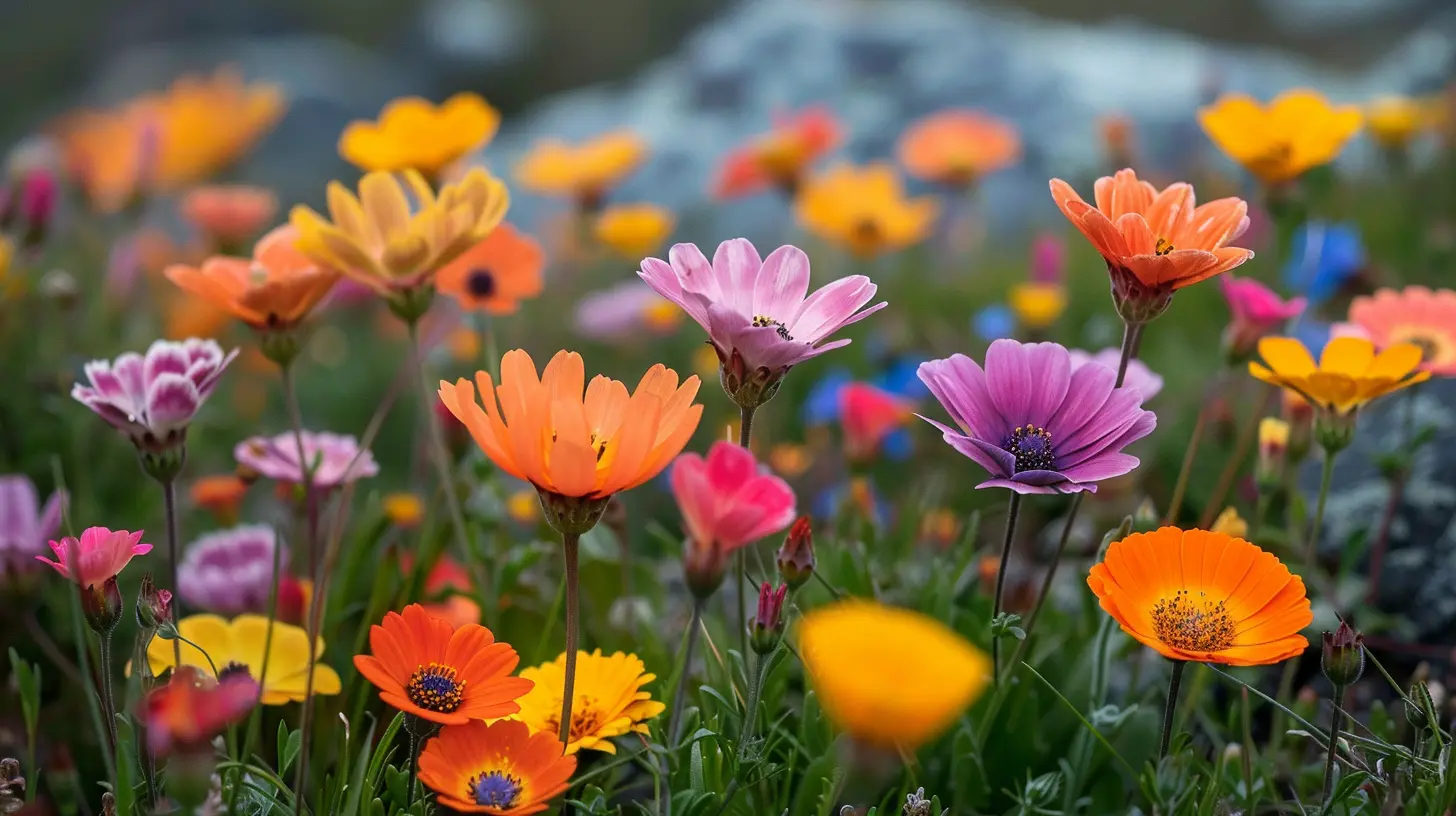
1. What Makes Wildflower Blooms So Special?
Wildflowers aren't just pretty—they’re essential to our ecosystems. They provide food for pollinators like bees and butterflies, prevent soil erosion, and even improve air quality. But beyond their ecological importance, they inspire a sense of wonder and joy.Each bloom is fleeting, lasting only a few weeks, making it all the more magical when you catch it at its peak. Some flowers are so rare that they only appear once every few years, adding an element of mystery and anticipation. 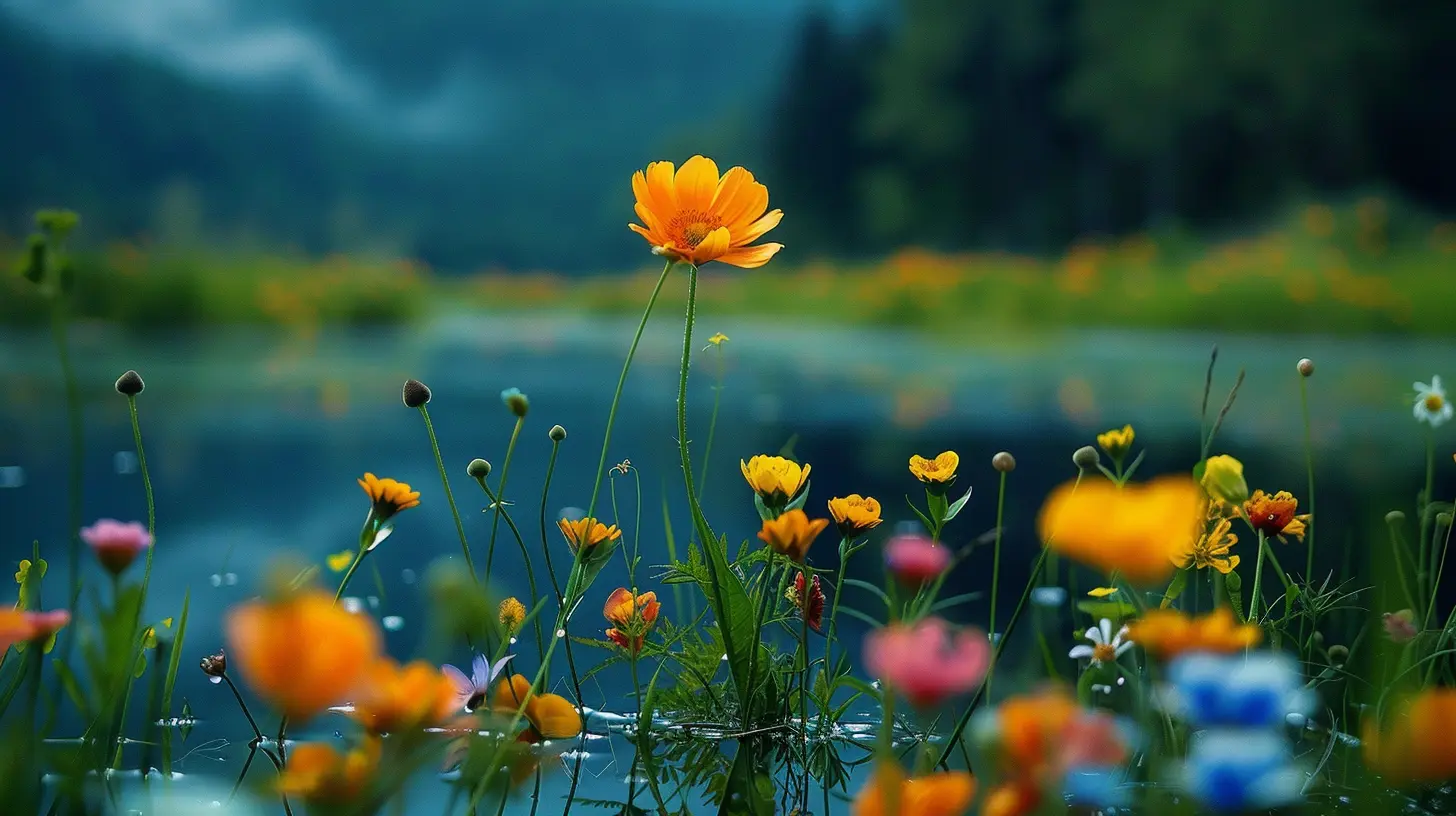
2. When Do Wildflowers Bloom?
Timing is everything when it comes to wildflower viewing. The best bloom periods vary based on location and climate:- Spring (March – May): Best for lower elevations and warmer climates. Desert wildflowers in places like Death Valley and Joshua Tree often bloom early.
- Summer (June – August): Ideal for higher elevations and northern parks. Wildflowers in Glacier National Park, Yosemite, and Rocky Mountain National Park typically reach their peak during mid-summer.
- Fall (September – October): While not as common, some regions—especially in the Pacific Northwest—see late-season blooms.
Now, let's take a closer look at the best national parks to witness this phenomenon. 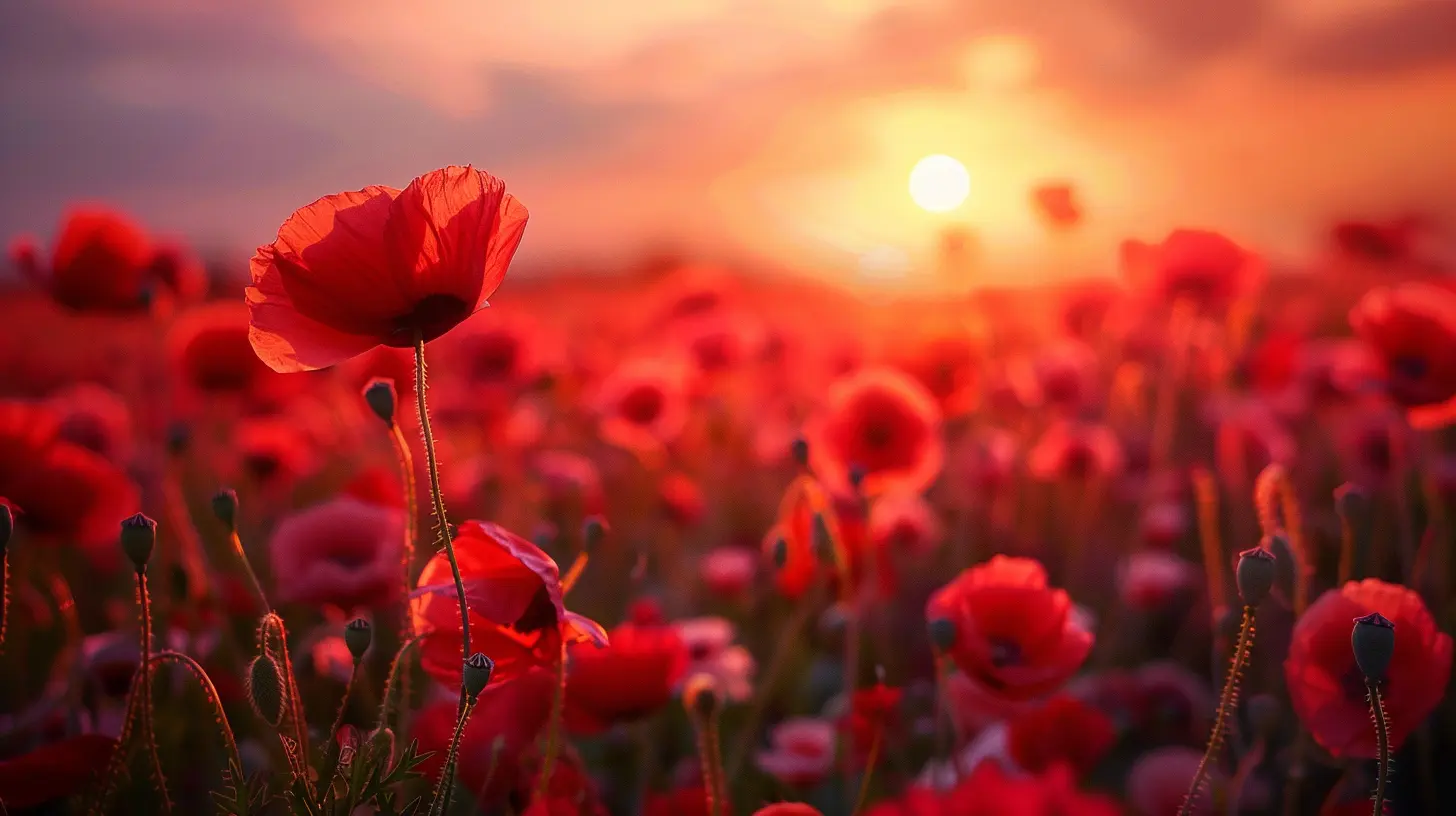
3. Best National Parks for Wildflower Blooms
? 1. Great Smoky Mountains National Park, Tennessee/North Carolina
If you love wildflowers, the Great Smoky Mountains should be at the top of your list. Dubbed the “Wildflower National Park,” it boasts over 1,500 species of flowering plants!Best Time to Visit: Mid-April to May is peak season, but you’ll find flowers blooming from early spring into summer.
What You’ll See: Trilliums, lady's slippers, violets, and flame azaleas.
Insider Tip: Attend the annual Spring Wildflower Pilgrimage, a guided event celebrating the park's stunning floral diversity.
? 2. Mount Rainier National Park, Washington
Mount Rainier’s subalpine meadows burst into bloom every summer, creating a breathtaking contrast against the towering glacier-capped peak.Best Time to Visit: Late July to early August.
What You’ll See: Lupines, Indian paintbrush, avalanche lilies, and beargrass.
Insider Tip: Head to Paradise and Sunrise, two of the most well-known wildflower hotspots in the park. Early morning hikes offer the best lighting for photography.
? 3. Yellowstone National Park, Wyoming/Montana/Idaho
Yellowstone is famous for its geothermal wonders, but its wildflower displays are just as impressive.Best Time to Visit: June to mid-July.
What You’ll See: Arrowleaf balsamroot, shooting stars, monkeyflowers, and fireweed.
Insider Tip: Lamar Valley is not only a wildlife haven but also home to incredible wildflower meadows. Bring binoculars—you might spot bison, elk, and even a wolf or two!
? 4. Glacier National Park, Montana
Glacier National Park turns into a floral wonderland in the summer, with endless fields of wildflowers carpeting the rugged terrain.Best Time to Visit: Mid-July to early August.
What You’ll See: Beargrass, glacier lilies, Indian paintbrush, and asters.
Insider Tip: The Highline Trail offers some of the best wildflower views in the park. If you're up for a challenge, try the Hidden Lake Trail for a mix of blooms and breathtaking alpine scenery.
? 5. Death Valley National Park, California
Yes, wildflowers bloom in the hottest and driest place in North America! Death Valley's "super bloom," which happens only after an unusually wet season, is a rare but jaw-dropping spectacle.Best Time to Visit: Mid-February to April (during a super bloom year).
What You’ll See: Desert gold, sand verbena, and evening primrose.
Insider Tip: Check park updates before planning your trip—super blooms occur unpredictably and may not happen every year. 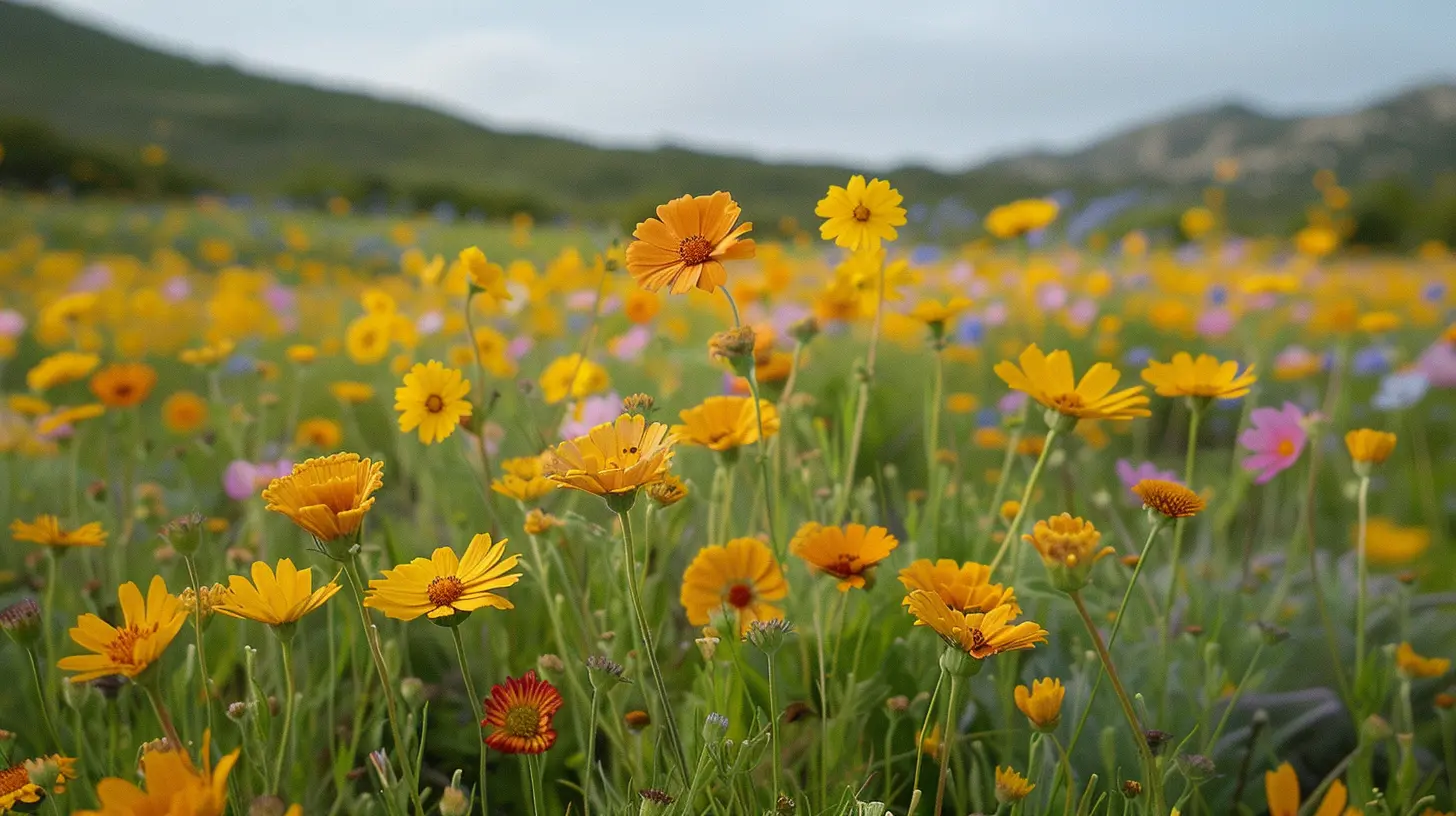
4. Tips for the Best Wildflower Viewing Experience
✅ Plan Ahead
Each park has different bloom times, so research beforehand to optimize your visit. Many national parks offer wildflower reports to help guide you.✅ Respect Nature
Avoid trampling flowers—stick to designated trails and leave no trace. Remember, these blooms are delicate, and preserving them ensures future visitors can enjoy them, too.✅ Go Early or Late
Sunrise and sunset provide softer lighting for photos and reduce crowds, making your experience more peaceful and magical.✅ Bring the Right Gear
A good camera, comfortable hiking shoes, and a wildflower guidebook (or app) will enhance your experience.✅ Check the Weather
Rain can delay or accelerate blooms, so check forecasts to avoid missing peak season.5. Why Wildflower Blooms Are Worth the Trip
There’s something undeniably uplifting about witnessing a wildflower bloom. It’s nature’s way of reminding us that even after the harshest winters, beauty resurfaces.Each petal, each color, each fragrance tells a story of resilience and renewal. Whether you're an avid hiker, a photography enthusiast, or just someone who enjoys breathtaking views, wildflower season in the national parks is an unforgettable experience.
So, why not pack your bags, lace up your hiking boots, and chase this fleeting magic? After all, life is too short to miss out on nature’s most colorful performances.
Conclusion
The wildflower bloom spectacles of the national parks are nothing short of a natural masterpiece. Each park offers its own unique display, from the fiery azaleas of the Smokies to the delicate lilies of Glacier National Park.Timing your trip right can make all the difference, so plan ahead and embrace the fleeting beauty of these floral wonders. Whether you're trekking through rugged mountain trails or strolling along gently sloping meadows, the experience will leave you in awe.
So, are you ready to witness nature’s most vibrant spectacle?
all images in this post were generated using AI tools
Category:
National ParksAuthor:

Reed McFadden
Discussion
rate this article
1 comments
Uriah Franklin
Nature's confetti party: wildflowers dancing in the national parks! Spectacular indeed!
August 9, 2026 at 3:46 PM
Reed McFadden
Absolutely! It's nature's vibrant celebration that never fails to amaze.