Packing List for Foodies Traveling in 2027
8 October 2026
Travel in 2027 will look different from the way it looked even a few years ago. Border systems have matured, airline cabin rules have been reshaped by new battery and liquid regulations, and a growing number of destinations have tightened rules around single-use plastics and food imports. For a foodie, that changes what belongs in a suitcase. You are not just packing clothes and a charger. You are packing the tools that let you eat well, cook occasionally, preserve what you find, and bring a taste home without running into customs trouble.
This guide is not a generic checklist you can find on any travel blog. It is a working list built around how food-focused travelers actually move through the world: markets at dawn, street stalls at midnight, cooking classes, fermentation projects, picnics, and the slow accumulation of jars, spices, and kitchen tools that somehow end up in your bag.
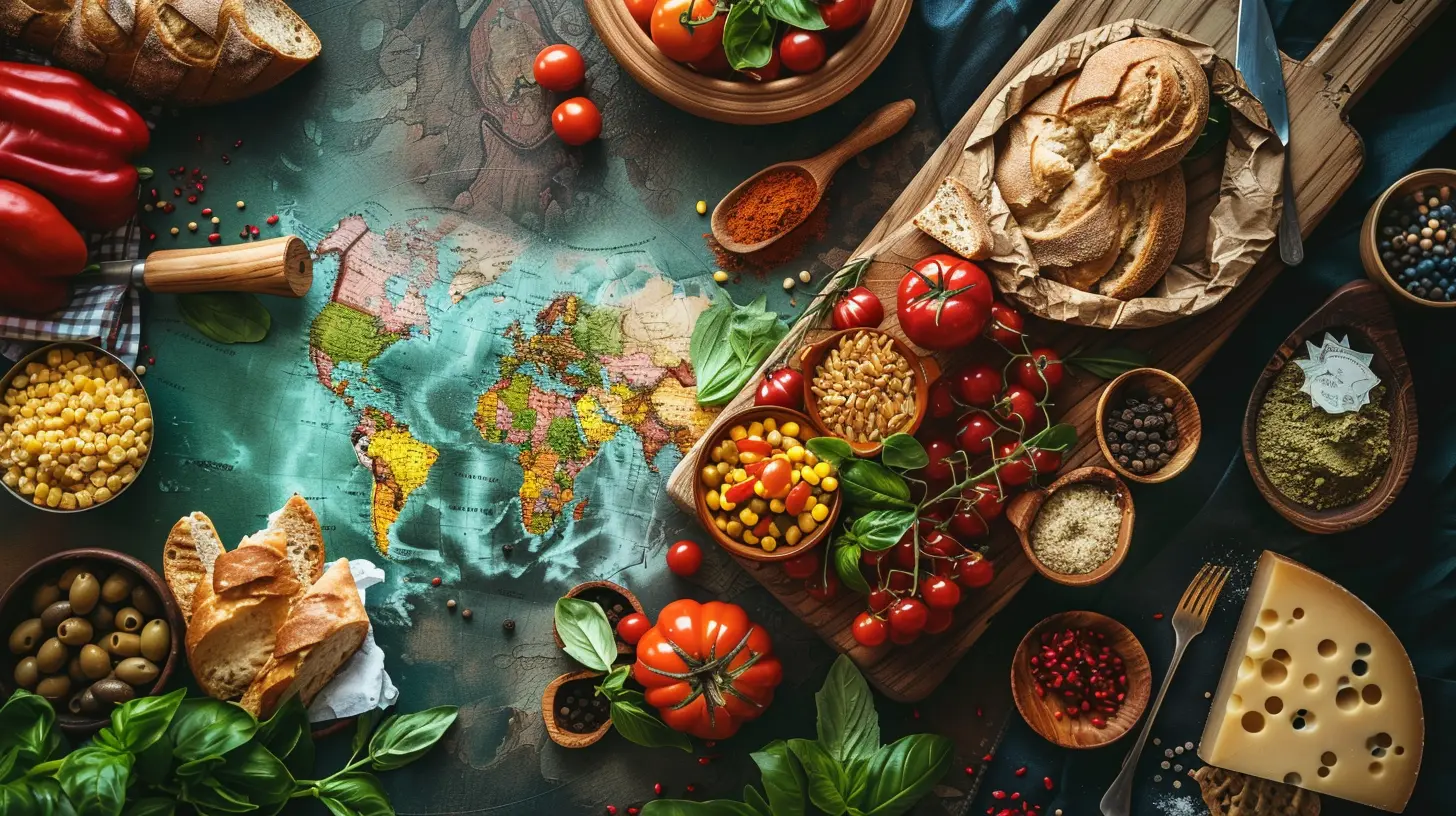
Why a Foodie Packs Differently
Most travelers optimize for weight and convenience. Foodies have to optimize for three competing goals at once. First, you need to be ready to eat spontaneously, which means having the right small tools on your body at all times. Second, you need to be able to preserve or transport ingredients you buy along the way. Third, you need to respect the laws of the countries you visit, because food and agricultural rules are among the most strictly enforced at borders.The tension between these goals is real. A vacuum-sealed bag of dried chiles is lightweight and legal to carry into many countries, but not all. A pocket knife is useful for cutting fruit at a market, but it will be confiscated at airport security in most places. A jar of local honey is a wonderful souvenir, but it counts as a liquid in your carry-on and may be restricted at the destination. Every item on this list exists because it solves a specific problem, and every item comes with a trade-off you should understand before you buy it.
The Core Principle: Carry-On First, Checked Second
If you are serious about food, assume your checked bag will be delayed at least once on any long trip. That means your most valuable food tools and any fragile ingredients should travel in your carry-on, within the liquid and battery limits set by your airline. Checked baggage is for bulk, for clothing, and for items you can afford to lose for a day or two.This also shapes what you buy. A heavy mortar and pestle is a wonderful thing, but it belongs in a checked bag, wrapped in clothing, and only if you are willing to risk it. A folding silicone bowl, by contrast, weighs almost nothing and fits in a carry-on pocket. Choose tools that match the bag you are actually traveling with.
Kitchen Tools Worth the Weight
Cutting Tools
A small folding knife with a locking blade is the single most useful item a foodie can carry, but it is also the most likely to be taken from you. The practical solution is a ceramic or plastic picnic knife that passes most security checks, plus a separate, inexpensive knife you buy at your destination and leave behind. In many cities, a decent paring knife costs less than a coffee. Buy it on arrival, use it for the trip, and give it away before you fly home.For markets, a small cutting board made of flexible silicone or thin bamboo is more useful than a rigid one. It rolls up, weighs almost nothing, and gives you a clean surface to cut fruit, cheese, or bread on a park bench.
Cooking and Prep
A collapsible silicone bowl, a small whisk, and a set of measuring spoons cover most impromptu cooking. If you plan to cook in hostels or rental apartments, add a microplane grater. It handles garlic, ginger, citrus zest, hard cheese, and nutmeg, which covers a surprising amount of ground in one small tool.A lightweight digital thermometer is worth considering if you plan to cook meat, make yogurt, or temper chocolate. It also doubles as a way to check that leftovers have been reheated safely, which matters more than most travelers realize.
Preservation and Storage
Reusable silicone bags and a few small screw-top containers let you carry spices, leftovers, and market finds without relying on single-use plastic. In destinations with plastic bans, these are not a convenience, they are a necessity. Look for bags that are rated for both freezer and heat, since you may end up using them for both.A small roll of masking tape and a permanent marker are unglamorous but invaluable. Label your containers, seal bags, and mark your name on items you leave in a shared hostel kitchen.
What to Carry on Your Body
A foodie's day bag is different from a normal day bag. It should hold a water bottle, a folded tote for market purchases, a small container for leftovers, hand sanitizer, and a compact set of utensils. A spork or a titanium fork-and-spoon combo weighs almost nothing and saves you from relying on disposable cutlery, which is increasingly unavailable in many cities.A small insulated pouch or soft cooler bag is worth its weight if you plan to buy cheese, chocolate, or perishables. It folds flat when empty and keeps things cool for a few hours with a frozen water bottle inside.
Ingredients and Consumables
Spices and Condiments
Carrying your own spices is tempting, but check the rules first. Many countries restrict seeds, dried plant material, and unprocessed agricultural products. Ground spices in sealed commercial packaging are usually fine, but "usually" is not a guarantee. If you must carry a favorite spice, keep it in its original sealed container and declare it if asked.A better strategy is to buy spices at your destination and leave them behind, or ship them home if the quantity is small and the rules allow. This also gives you a reason to visit local markets, which is the whole point.
Snacks for Transit
Airport and train food is expensive and often disappointing. Pack a small stash of shelf-stable snacks: nuts, dried fruit, crackers, and a few bars. Avoid anything with strong odors, since you will be eating in enclosed spaces. If you are traveling to a country with strict biosecurity rules, eat or discard all fresh food before you land.Beverages
A collapsible water bottle with a filter is one of the best investments a foodie can make. It lets you drink local water safely in many regions and saves money. If you plan to drink wine or spirits, remember that alcohol is subject to separate customs limits in most countries, and the limits vary widely.
Technology for Food Travelers
A phone with a good camera is non-negotiable. Beyond that, a few small items make a real difference. A portable power bank keeps your phone alive through long market days. A translation app with offline capability helps you ask about ingredients, allergies, and cooking methods. A small notebook, paper or digital, is still the best way to record what you ate and how it was made.If you plan to document your trip, a compact clip-on lens for your phone can improve food photography without adding much weight. Just remember that many restaurants and markets have rules about photography, and asking first is both polite and often rewarded with better access.
Clothing and Personal Gear with Food in Mind
Dark colors hide stains better than light ones, which matters when you are eating street food. An apron is optional but useful if you plan to cook. A bandana or large cloth napkin serves as a napkin, a potholder, a strainer, and a sun shield.Footwear matters more than most foodies admit. You will stand in markets, walk between stalls, and possibly work in a kitchen. Shoes that are comfortable, easy to clean, and closed-toe are the practical choice. Sandals are fine for beach destinations but risky around hot oil and crowded stalls.
Documents and Legal Considerations
Before you pack a single jar or spice, check the import rules for every country on your itinerary. Agricultural restrictions exist for good reason, and penalties can be severe. Some countries require permits for certain food items. Others ban them outright. When in doubt, declare what you are carrying. Declaring is rarely a problem. Failing to declare often is.Keep receipts for any high-value food items, especially alcohol, truffles, and specialty cheeses. Customs officials may ask for proof of purchase, and having it speeds things up.
If you have food allergies, carry a translated allergy card in the local language. This is not a packing item in the traditional sense, but it belongs in your bag and on your phone.
Packing Strategies That Actually Work
Start with a flat lay. Put everything you plan to bring on a bed or floor and look at it. Most foodies overpack tools and underpack clothes. The reverse is usually better. Tools can be bought or improvised. Clean clothes cannot.Use packing cubes to separate categories: tools, ingredients, clothing, and electronics. This makes security checks faster and keeps smells contained. If you are carrying strong-smelling items like dried fish or aged cheese, double-bag them and consider a separate odor-proof pouch.
Weigh your bag before you leave home. Airlines are strict about carry-on weight, and food items add up faster than you expect. A jar of honey, a bottle of olive oil, and a bag of coffee can easily push you over the limit.
Common Mistakes and Misconceptions
One common mistake is assuming that "natural" or "artisanal" food items are exempt from customs rules. They are not. Another is packing a knife in a carry-on and hoping security will not notice. They will.A frequent misconception is that you need specialized gear to eat well abroad. You do not. A fork, a bottle, and a good attitude will get you further than a full kitchen kit. The best food travelers are adaptable, not heavily equipped.
Finally, many travelers underestimate how much space souvenirs take up. If you plan to bring food home, leave room in your bag from the start, or plan to ship items separately.
A Sample Packing List for a Two-Week Trip
Carry-on: folding silicone bowl, ceramic picnic knife, spork, collapsible water bottle with filter, insulated pouch, reusable silicone bags, small containers, masking tape, marker, power bank, translation app, allergy card, notebook, hand sanitizer, bandana.Checked bag: microplane grater, digital thermometer, small cutting board, extra containers, clothing, toiletries, any tools you are willing to risk.
Buy on arrival: paring knife, local spices, fresh ingredients, a cheap cutting board if needed.
Final Thoughts
Packing for a food-focused trip in 2027 is less about having the perfect gear and more about understanding the rules, the risks, and the opportunities. The best tools are the ones you actually use. The best souvenirs are the ones you can legally bring home. And the best meals are often the ones you did not plan for, eaten with a spork on a curb while the market closes around you.Pack light, pack smart, and leave room for the unexpected.
all images in this post were generated using AI tools
Category:
Travel ChecklistsAuthor:

Reed McFadden