How to Contribute to Conservation Efforts While Traveling
3 April 2026
Traveling is one of life's greatest joys, right? Whether you're jetting off to a tropical beach, hiking through misty mountains, or wandering cobblestone streets in ancient cities—exploring the world is nothing short of magical. But let’s face it, travel can sometimes leave behind a heavier footprint than we realize. That’s where conservation travel steps in.
Now, here's the good news—you don't have to be a scientist or eco-warrior to make a difference. You can contribute to conservation efforts while traveling, just by making a few mindful choices. Sounds easy, right? It actually is! Let's unpack how you can be part of the solution while still having the time of your life.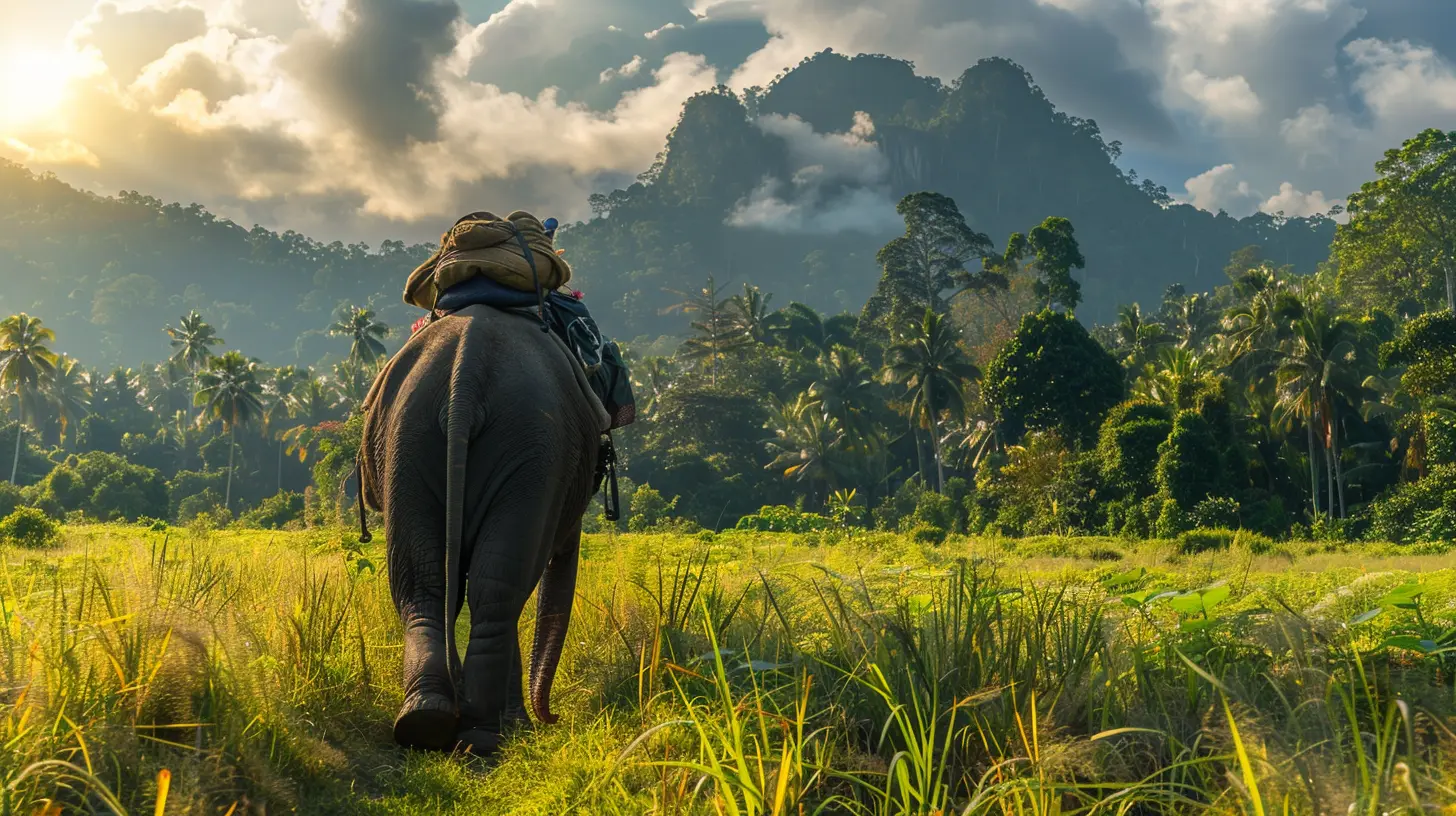
Why Conservation Travel Matters
Before we jump into how, let’s take a second to understand why this matters so much.The Impact of Traditional Tourism
Mass tourism, although a massive economic booster, often takes a toll on the environment. Think polluted beaches, deforestation to build massive resorts, overcrowding in natural parks, and wildlife disturbance. Not to mention the carbon footprint of planes and cars. Ouch.How Travel Can Be a Force for Good
Now, here’s the flip side—travel, when done responsibly, can protect habitats, support local conservation projects, and create jobs that depend on the health of ecosystems. When people see value in preserving nature, they’re more likely to protect it. And you, dear traveler, have the power to drive that change.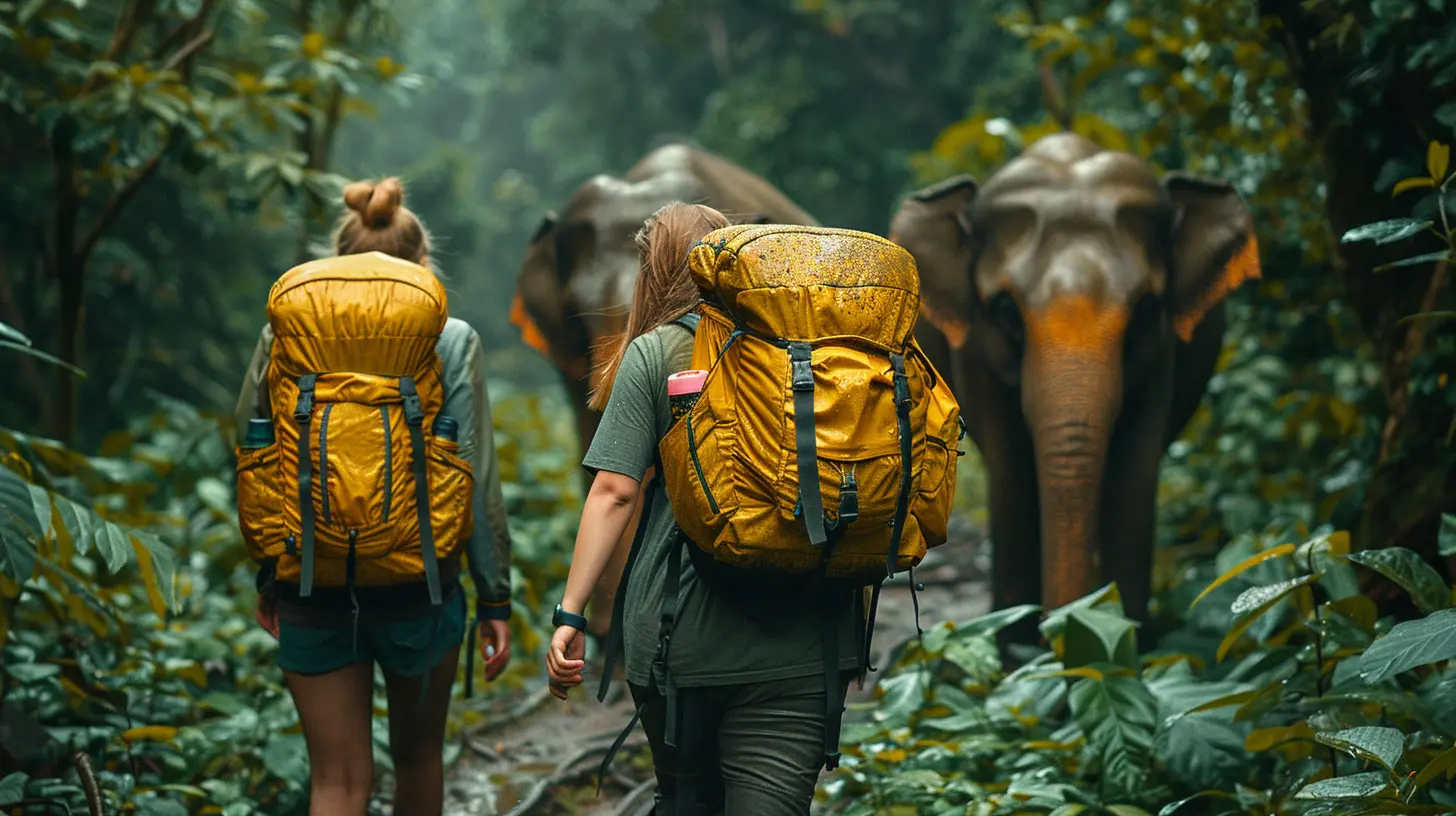
1. Choose Eco-Friendly Accommodations
One of the easiest choices you can make is where you sleep. Yep, your hotel or lodge can play a big role in conservation.What to Look For
- Eco-certifications – Look for places that are Green Globe, LEED, or EarthCheck certified.- Sustainable Practices – Are they using solar power? Recycling water? Avoiding single-use plastics?
- Local Engagement – Do they hire locally or contribute to conservation projects?
Pro Tip
Email your hotel and ask about their conservation efforts. If they don’t have an answer, consider booking somewhere else. Your money talks—loudly.
2. Support Conservation-Focused Tours and Activities
Always wanted to snorkel with sea turtles? Or learn about sloth rehab in Costa Rica? You can totally do that—and give back, too.Pick Ethical Tour Operators
Go with companies that prioritize wildlife welfare and environmental preservation. Read reviews, check certifications (like Responsible Travel or The International Ecotourism Society), and see if they partner with local environmental groups.Avoid Red Flags
If the experience involves touching wild animals, riding elephants, or disturbing their natural behavior in any way—run away. Seriously.
3. Minimize Your Carbon Footprint
We get it—flying halfway across the world can’t always be avoided. But there are a few ways to offset your impact.Fly Smart
- Book Non-Stop Flights – Takeoffs and landings burn the most fuel.- Fly Economy – Yep, fewer emissions per seat. First class is basically a gas guzzler in disguise.
Offset Your Emissions
Use platforms like Gold Standard or Climate Neutral Now to offset your flight’s carbon emissions. It’s like a donation to Mother Earth for every mile you fly.Embrace Slow Travel
Take trains when you can, cycle around cities, or just walk. You’ll feel more connected to the place (and your glutes will thank you).4. Travel With Reusables
This is such a small change, and yet, it makes a huge difference. Single-use plastics are a nightmare for the environment, especially in countries without proper waste management.What to Pack
- Reusable water bottle (bonus if it has a filter)- Cloth shopping bag
- Bamboo cutlery
- Stainless steel straw
- Reusable coffee cup
These items take up minimal space and save tons of waste. Plus, you'll look like a seasoned eco-savvy traveler.
5. Respect Wild Spaces
Nature is not your playground—it’s home to countless species and delicate ecosystems.Follow the Leave No Trace Principles
- Stick to marked trails- Don’t pick flowers or disturb wildlife
- Pack out ALL your trash—including banana peels (they're not native to most forests!)
- Don’t carve your name into trees or rocks (seriously, why do people still do this?)
Wildlife Watching Etiquette
- Keep your distance—use zoom lenses, not your feet- Keep quiet—let the jungle sing instead
- Never feed wild animals—it messes with their diet and behavior
6. Volunteer (Responsibly)
Volunteering can be incredible—but only if it’s done right. So before you sign up for that “Save the Sea Turtles” week, do some digging.What Makes a Good Volunteer Program?
- Run by reputable NGOs or conservation groups- Focused on long-term goals, not just photo ops
- Transparent about your role, fees, and impact
Avoid “Voluntourism” Traps
Some programs exist purely for tourists, not genuine conservation. If it feels performative or too glamorized, trust your gut.7. Spend Like a Conservationist
Every dollar you spend while traveling can be a vote for the planet.Support the Local Economy
- Eat at local restaurants (hello, authentic street food!)- Shop from artisans instead of souvenir shops
- Hire local guides—who often know hidden gems AND care deeply for their environment
Donate to Local Conservation Projects
Instead of buying a fifth fridge magnet, why not donate to a turtle rescue project or coral reef restoration group in the area?8. Educate Yourself and Others
You can't protect what you don't understand.Do Your Homework
Before visiting a destination, learn about its:- Wildlife
- Endangered species
- Environmental challenges
- Cultural norms (because respecting people also supports conservation)
Share Your Experiences
Use your social media for good—share what you’ve learned, highlight sustainable businesses, and inspire your followers to travel with a purpose. That selfie with an elephant? Make it count.9. Be an Advocate—Even After You Return
Just because your trip ends doesn’t mean your impact should. Let the lessons stick.Keep Giving Back
Continue supporting conservation efforts in the places you visited. Subscribe to their newsletters or become a monthly donor if you can.Hold Companies Accountable
Did a tour operator do something shady? Let others know. Leave honest reviews, or shoot the company a constructive message. Help weed out the bad apples.Bonus Tips for Eco-Warrior Travelers
- Choose destinations that prioritize sustainability (like Costa Rica, Bhutan, or New Zealand)- Travel during the off-season to reduce strain on local resources
- Bring biodegradable toiletries
- Say no to freebies (aka plastic clutter) at hotels
The Ripple Effect: Why Your Actions Matter
You might think, “I’m just one person. How much difference can I make?” The answer? A lot.Your choices influence your travel buddies. Your social media posts reach hundreds—maybe thousands. Your money supports businesses that either harm or help the planet.
The world needs more mindful travelers. And the best part? Traveling responsibly doesn’t mean sacrificing adventure—it makes it more meaningful. Every hike, dive, and cultural exchange becomes part of something bigger.
By choosing to travel with conservation in mind, you’re not just seeing the world—you’re saving little pieces of it.
Final Thoughts
So, how will you travel next time?Will you swap a chain hotel for an eco-lodge? Will you pack that reusable water bottle? Will you say no to that elephant ride and yes to a wildlife sanctuary tour?
The power is in your hands—both to create unforgettable experiences and protect the planet that gives us so much beauty to explore in the first place.
Travel is a privilege. Conservation is a responsibility. When you put the two together, you become more than a tourist—you become a guardian of the natural world.
Isn’t that the kind of traveler you want to be?
all images in this post were generated using AI tools
Category:
Sustainable TourismAuthor:

Reed McFadden
Discussion
rate this article
2 comments
Korian McLoughlin
Great tips! Every small effort counts!
April 15, 2026 at 4:12 PM
Reed McFadden
Thanks! Every little action really does make a difference.
Mitchell Pope
Absolutely loved this article! 🌍✨ It’s so inspiring to see how we can make a positive impact while exploring the world. Every small action counts! Let’s embrace eco-friendly travel practices and cherish our beautiful planet together. Happy travels and conservation! 🐾💚 #TravelWithPurpose
April 3, 2026 at 3:04 PM
Reed McFadden
Thank you! I'm thrilled you enjoyed the article. Every small action truly makes a difference in preserving our planet. Happy travels! 🌍💚