Campsite Travel Checklist for the Perfect Outdoor Escape in 2026
9 September 2026
Planning a camping trip in 2026 is not the same as it was ten years ago. The gear has changed, the way we book sites has changed, and even the etiquette around campfires and bear bags has shifted. But the core promise of camping remains the same: trading the noise of daily life for the sound of wind in the pines and the smell of woodsmoke on your jacket. The difference between a trip that restores you and one that leaves you frustrated often comes down to preparation. This is not a list of every possible item you could ever bring. It is a focused, practical guide built around the realities of modern camping, designed to help you pack smarter, avoid common pitfalls, and actually enjoy the outdoors without turning it into a logistical nightmare.
The 2026 Camping Landscape: What Has Actually Changed
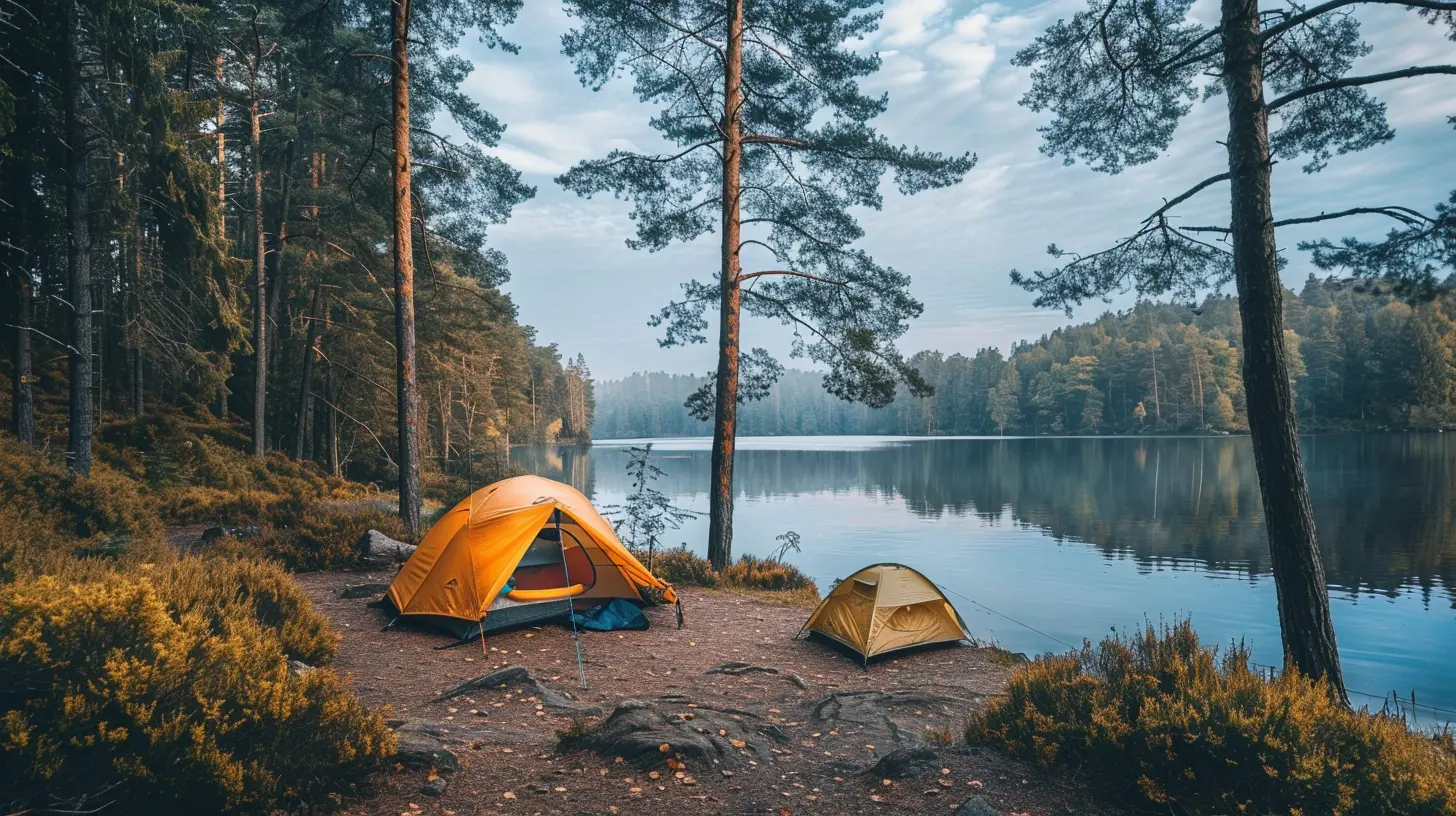
Before we get into the checklist itself, it is worth taking a moment to understand the context of camping in 2026. The biggest shift over the last few years has been the rise of the "glamping-lite" crowd. People are not necessarily renting yurts with hot tubs, but they are bringing portable power stations, inflatable couches, and Wi-Fi boosters to standard campsites. This is not inherently bad, but it creates a tension. If you want a truly rustic experience, you need to actively plan for it, because the campsite next to you might be running a movie projector off a lithium battery.Another major change is the booking system. Many popular parks, especially in North America and Europe, now use dynamic reservation windows that open six to twelve months in advance. If you are reading this in late 2025, you are already behind for peak summer weekends at places like Yosemite or Banff. The practical takeaway is that your checklist should start with a reservation confirmation number, not a tent. Without a confirmed spot, everything else is theoretical.
Finally, the gear market has consolidated around a few key technologies. Sleeping pads are thicker and warmer. Tent fabrics are lighter but more fragile. And the single most important innovation of the last five years is the widespread availability of reliable, compact power banks that can recharge a phone four or five times. That changes how you navigate, how you take photos, and how you handle emergencies. But it also creates a dependency. The 2026 camper needs to be comfortable with both digital tools and analog backups.
The Shelter System: Your Home Away from Home
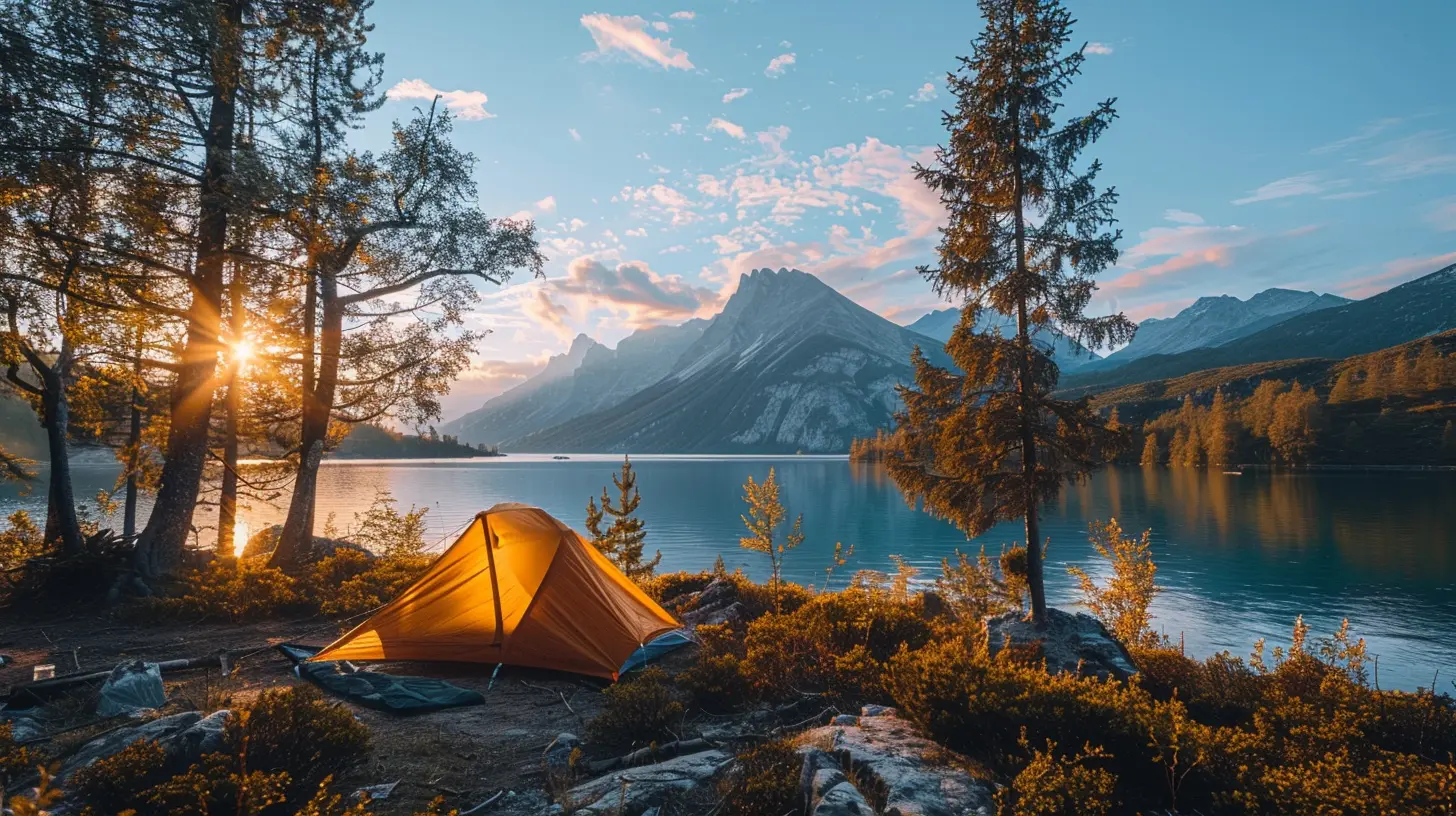
Your tent is the foundation of the trip, and this is where most people either overbuy or underprepare. Let us start with a hard truth: that four-person tent you bought for two people is not spacious. It is exactly four sleeping bags wide with no room for gear. If you are a couple, a three-person tent is the minimum for comfort. If you are two adults and a dog, you want a four-person. This is not a luxury preference; it is about managing condensation and morale. When it rains for six hours straight, you will be grateful for the extra foot of floor space.Tent Material and Construction Trade-offs
In 2026, the main choice is between polyester and nylon. Polyester is more UV resistant and does not sag when wet, making it better for sunny, exposed sites. Nylon is lighter and packs smaller, but it absorbs water and can stretch. For car camping, where weight does not matter, polyester is the safer bet. For backpacking, nylon is almost mandatory. The trade-off is that nylon requires a rainfly that is actually seam-sealed, and you need to be careful not to pitch it too tight in humid conditions.The other major decision is freestanding versus non-freestanding. Freestanding tents are easier to move and set up on gravel or wooden platforms. Non-freestanding tents, which rely on trekking poles, are lighter and more stable in high winds. If you are camping in the desert or above treeline, go non-freestanding. If you are in a typical forest campground with roots and rocks, freestanding saves you twenty minutes of frustration.
The Ground Cloth Myth
Here is a common misconception that causes real problems. You do not need a ground cloth that extends beyond the tent footprint. In fact, you should not have one. A ground cloth that sticks out catches rain and channels it directly under your tent floor. The correct size is one that is slightly smaller than the tent floor, so water runs off onto the ground, not into your sleeping area. This is one of those small details that separates a dry night from a miserable one.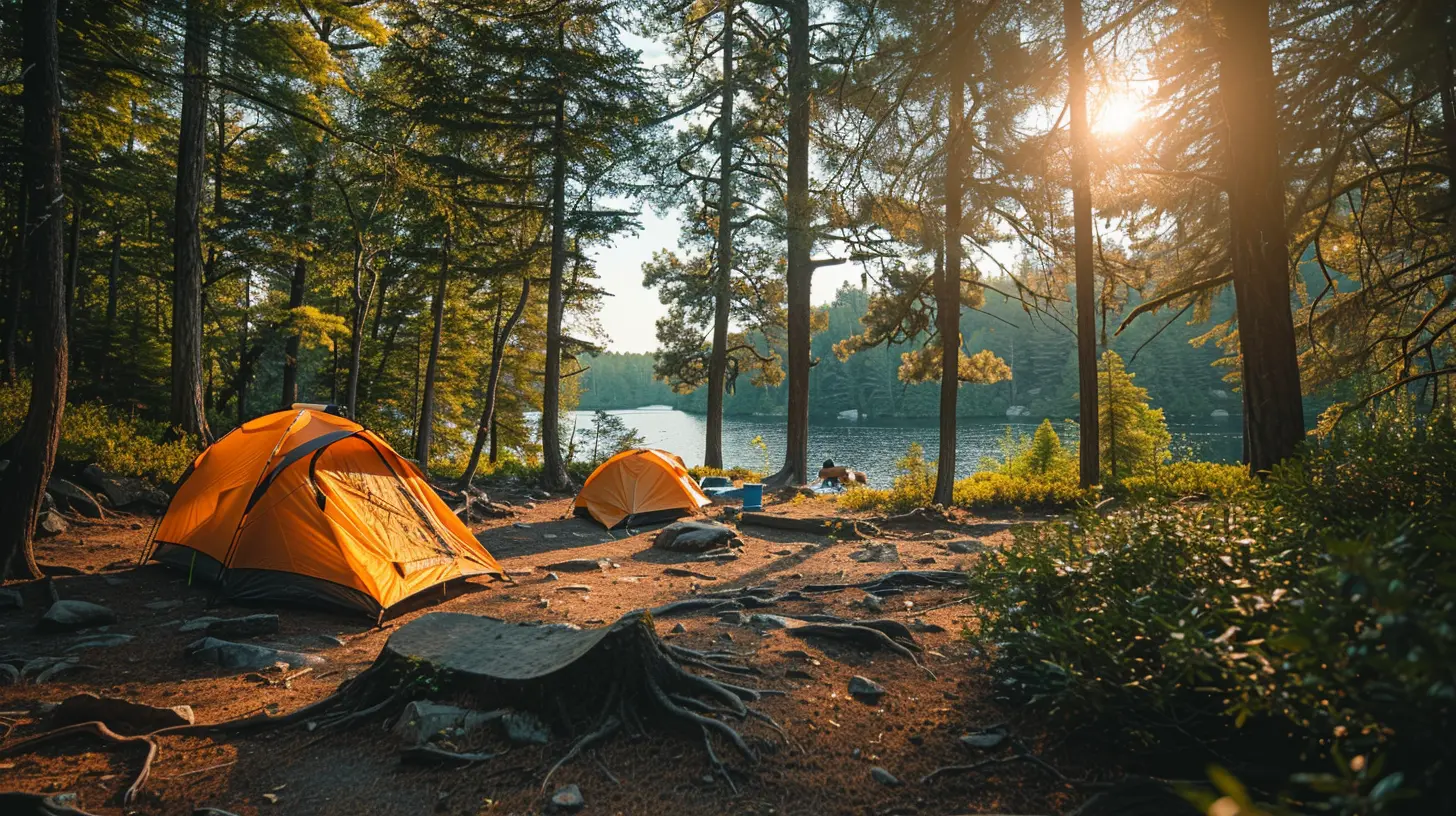
Sleeping Systems: The Difference Between Rest and Recovery
You can survive a bad meal. You cannot survive a bad night of sleep and still enjoy a hike the next day. The sleeping system is where you should spend the most money per ounce of gear. In 2026, the industry standard is a three-layer approach: a sleeping pad, a sleeping bag or quilt, and a pillow. But the real innovation is the pad.R-Value and Temperature Ratings Explained
The R-value of a sleeping pad measures its resistance to heat loss. A pad with an R-value of 1 is basically a yoga mat. An R-value of 4 is suitable for three-season camping down to about freezing. An R-value of 6 or higher is for winter. The mistake most people make is buying a pad based on comfort rather than ground temperature. In the summer, the ground is warm, so a thin pad works. In the shoulder seasons, the ground sucks heat out of you relentlessly, and no sleeping bag can compensate for a poor pad. If you are camping in the mountains in June, bring a pad with an R-value of at least 4.5, even if the daytime forecast says 80 degrees.Quilts versus Sleeping Bags
The sleeping bag industry has been disrupted by the quilt. A quilt is essentially a sleeping bag without a back, relying on your pad for insulation. It is lighter, less restrictive, and easier to regulate temperature. For side sleepers and people who toss and turn, a quilt is often more comfortable. The downside is that quilts have drafts. If you are a restless sleeper who throws off covers, a traditional mummy bag with a hood is still the better choice. For everyone else, a quilt with a footbox is the smart 2026 purchase.The Pillow Problem
Do not bring a full-size pillow from home. It takes up too much space and shifts around. Do not bring an inflatable pillow that feels like a balloon. The best solution is a stuff sack filled with your spare clothes. It is adjustable, free, and does not need to be packed separately. This is a classic example of gear that solves two problems at once.
Cooking and Food: Hot Meals, Cold Beer, and Safety
The campsite kitchen is where planning pays off most visibly. The golden rule is to prepare as much as possible at home. Chop vegetables, marinate meat, and pre-mix pancake batter. The less work you do at the campsite, the more time you spend enjoying the fire and the view.Stove Selection: Propane, Butane, or Wood?
For car camping, a two-burner propane stove is the standard. It is reliable, powerful, and easy to control. The fuel canisters are heavy but cheap. For backpacking, you want a lightweight isobutane stove that screws onto a small canister. These are efficient but perform poorly in cold weather. If you are camping below freezing, you need a stove that can run on a liquid fuel like white gas, or you need to keep the canister inside your sleeping bag at night. This is a real trade-off. Propane is easier, but it stops vaporizing below about -40 degrees. Butane stops working at around 32 degrees. Isobutane blends are better but still struggle below 20 degrees.The Firewood Rule
In 2026, most parks have strict rules about firewood. You cannot bring wood from home because of invasive insects like the emerald ash borer. You must buy local, certified firewood. This is not a suggestion; it is a fine in most jurisdictions. The practical implication is that you cannot count on gathering dead wood from the forest floor, as many parks prohibit that too. Plan to spend five to ten dollars per bundle, and buy enough for two nights at a time. Wet wood is the enemy. Look for wood that is split, not round, and has cracks in the ends. That indicates it has been seasoned.Food Storage and Bear Safety
If you are camping in bear country, the rules are non-negotiable. You must store all food, trash, and scented items (including toothpaste and deodorant) in a bear canister or hang them properly. The 2026 trend is toward bear-proof lockers provided by the campsite. Use them. If you have to hang your food, the proper method is the PCT hang, which requires a tree with a branch at least 15 feet high and a throw line. This is a skill you should practice at home. Trying to learn it in the dark with a headlamp is a recipe for a ruined night.Clothing and Layering: The Weather Is Not Optional
The most common camping mistake is bringing too little clothing for cold nights and too much for warm days. The solution is a layering system that works across a range of conditions. In 2026, the base layer is almost always merino wool or a synthetic equivalent. Cotton is the enemy. It absorbs sweat, loses all insulating value when wet, and takes forever to dry. If you wear cotton socks on a hike and then sit by the fire, your feet will be cold for hours.The Three-Layer System
Your base layer wicks moisture. Your mid layer, usually a fleece or a light puffy jacket, traps heat. Your outer layer, a waterproof shell, blocks wind and rain. The key is to adjust as you move. If you start hiking and feel warm, take off the mid layer before you start sweating. Sweating is dangerous because it cools you down rapidly when you stop. This is called "ventilation discipline," and it is the difference between a comfortable trip and one where you are constantly shivering.Footwear: The Two-Pair Strategy
You need two pairs of shoes. One pair of sturdy hiking boots or trail runners for walking, and one pair of camp shoes, like sandals or Crocs, for relaxing. Your feet swell after a long day, and cramming them back into boots is miserable. Camp shoes also let you cross streams without soaking your main footwear. This is not a luxury; it is a hygiene and comfort issue.
Power and Connectivity: Managing the Digital Tension
Let us address the elephant in the clearing. In 2026, almost everyone brings a smartphone. The question is how you manage power and expectations. The best practice is to treat your phone as a tool, not a companion. Download offline maps, take photos, and check the weather. But do not spend the evening scrolling. The point of camping is to reset your attention span.Power Banks and Solar Panels
A 20,000 mAh power bank is the sweet spot. It can charge a modern phone four to five times, which is enough for a long weekend. Solar panels are still inefficient for small devices. A 20-watt panel takes all day to charge a phone, and it only works in direct sun. If you are car camping, bring a power bank and charge it in your car while driving. If you are backpacking, a power bank is still lighter than a solar panel with the same output. The exception is if you are on a multi-week trip with no access to electricity. Then a small solar panel is worth the weight, but you need to be disciplined about charging during the day.The Offline Navigation Fallacy
Many people think that having a GPS app on their phone is enough. That is true only if you have downloaded the offline maps before you lose signal. The other issue is battery drain. GPS uses a lot of power. The 2026 best practice is to carry a physical map and a compass as a backup, even if you never use them. They weigh almost nothing, and they do not run out of battery. If you are hiking off-trail or in a remote area, this is not optional. It is a safety requirement.Campsite Comfort and Hygiene: The Small Things That Matter
The difference between a good trip and a great trip is often the small items that do not seem important until you need them. A headlamp is non-negotiable. You will need both hands free to set up camp in the dark. The best headlamps in 2026 have a red light mode, which preserves your night vision and does not attract bugs as much as white light.The Camp Chair Decision
Camp chairs are bulky and heavy, but they are the single biggest comfort upgrade for car camping. The cheap folding chairs from the big box store are fine for one season, but they tend to sink into soft ground. Look for chairs with wide feet or a low-profile design. For backpacking, a chair is a luxury you should skip. A sit pad, a small piece of closed-cell foam, is lighter and keeps you dry and warm on logs and rocks.Toiletries and the Leave No Trace Ethic
Biodegradable soap is a myth in practice. It still pollutes water sources. If you need to wash dishes, carry water at least 200 feet away from any stream or lake, and scatter the wastewater. For personal hygiene, use baby wipes and pack them out. Do not bury them. They take years to decompose. The same goes for toilet paper. Pack it out in a zip-top bag. It is not glamorous, but it is the responsible choice.
The Essential Checklist: A Concise Summary
Let us put this all together into a practical, itemized list. This is not exhaustive, but it covers the non-negotiables for a comfortable and safe trip in 2026.Shelter and Sleep
- Tent with rainfly and footprint (smaller than the tent floor)- Sleeping pad with an R-value appropriate for the season
- Sleeping bag or quilt rated for the coldest expected night
- Pillow or stuff sack for clothes
- Repair kit with duct tape and a patch kit for the pad
Kitchen
- Stove with enough fuel- Cookware and utensils
- Biodegradable dish soap and a scrubber
- Cooler with ice or ice packs
- Food prepared in advance
- Bear canister or access to a bear locker
- Water filter or purification tablets
Clothing
- Base layers (merino or synthetic, no cotton)- Mid layer (fleece or puffy jacket)
- Waterproof shell
- Rain pants if there is any chance of rain
- Hat and gloves for cold nights
- Hiking boots and camp shoes
- Extra socks
Tools and Safety
- Headlamp with spare batteries- Multi-tool or knife
- First aid kit with blister care
- Physical map and compass
- Fire starter (waterproof matches and a lighter)
- Whistle
- Emergency blanket
Comfort and Hygiene
- Camp chair (for car camping)- Sit pad (for backpacking)
- Baby wipes and trash bags
- Toilet paper and a trowel
- Sunscreen and insect repellent
- Lip balm with SPF
Power and Electronics
- Power bank (20,000 mAh recommended)- Charging cables
- Downloaded offline maps
- Portable speaker (optional, but keep the volume down)
Common Mistakes and How to Avoid Them
The most common mistake is overpacking. You do not need three types of jackets for a weekend trip. You need one good system. The second most common mistake is underpacking for weather changes. A sunny forecast at noon can turn into a thunderstorm by 4 PM. Always bring rain gear, even if the forecast is clear.Another mistake is not testing your gear before you leave. A tent that has been in the garage for a year might have mildew or a broken pole. Set everything up in your backyard the week before. This takes thirty minutes and saves you from a disaster at the campsite.
Finally, do not arrive at the campsite after dark. Setting up a tent in the dark is stressful and prone to errors. If you cannot leave early, plan to eat dinner before you arrive, so the only task at the site is pitching the tent.
The 2026 Mindset: Camping Is Not a Performance
There is a social media pressure to make camping look perfect. The perfectly arranged camp kitchen, the glowing string lights, the artisanal coffee pour-over. None of that matters. What matters is that you disconnect from the noise and reconnect with the people around you and the place you are in. The best trips are often the ones where something goes slightly wrong, and you adapt. The stove runs out of fuel, so you cook over the fire. The tent gets a small leak, so you move the sleeping bags. These are the memories that last.The checklist above is a tool, not a rulebook. Use it as a starting point, adjust it for your specific destination and season, and always leave room for spontaneity. The perfect outdoor escape in 2026 is not about having the most gear. It is about having the right gear, knowing how to use it, and being present enough to enjoy the stars.
all images in this post were generated using AI tools
Category:
Travel ChecklistsAuthor:

Reed McFadden
Discussion
rate this article
2 comments
Darrow Acevedo
Great tips! This checklist will make camping easier and fun!
October 5, 2026 at 3:04 PM
Reed McFadden
I'm glad you found it helpful! Enjoy your camping adventures!
Raegan McKeehan
I wonder what new gear or trends will emerge in 2026. Are there any surprising essentials you're excited to pack this time?
September 14, 2026 at 1:59 PM
Reed McFadden
I'm looking forward to lightweight solar chargers and eco-friendly cookware. They could really enhance the outdoor experience while keeping it sustainable.