Greeting Etiquette for Different African Cultures
19 July 2026
When traveling across Africa, one of the first things you'll notice is how important greetings are. In many cultures, a simple handshake or a respectful nod isn't enough—you’ll find elaborate handshakes, bowing, clapping, and even prolonged conversations before getting to the actual topic at hand. If you ever find yourself navigating different African communities, understanding their greetings can be the key to forming genuine connections.
Let’s take a deep dive into the diverse greeting customs across African cultures. 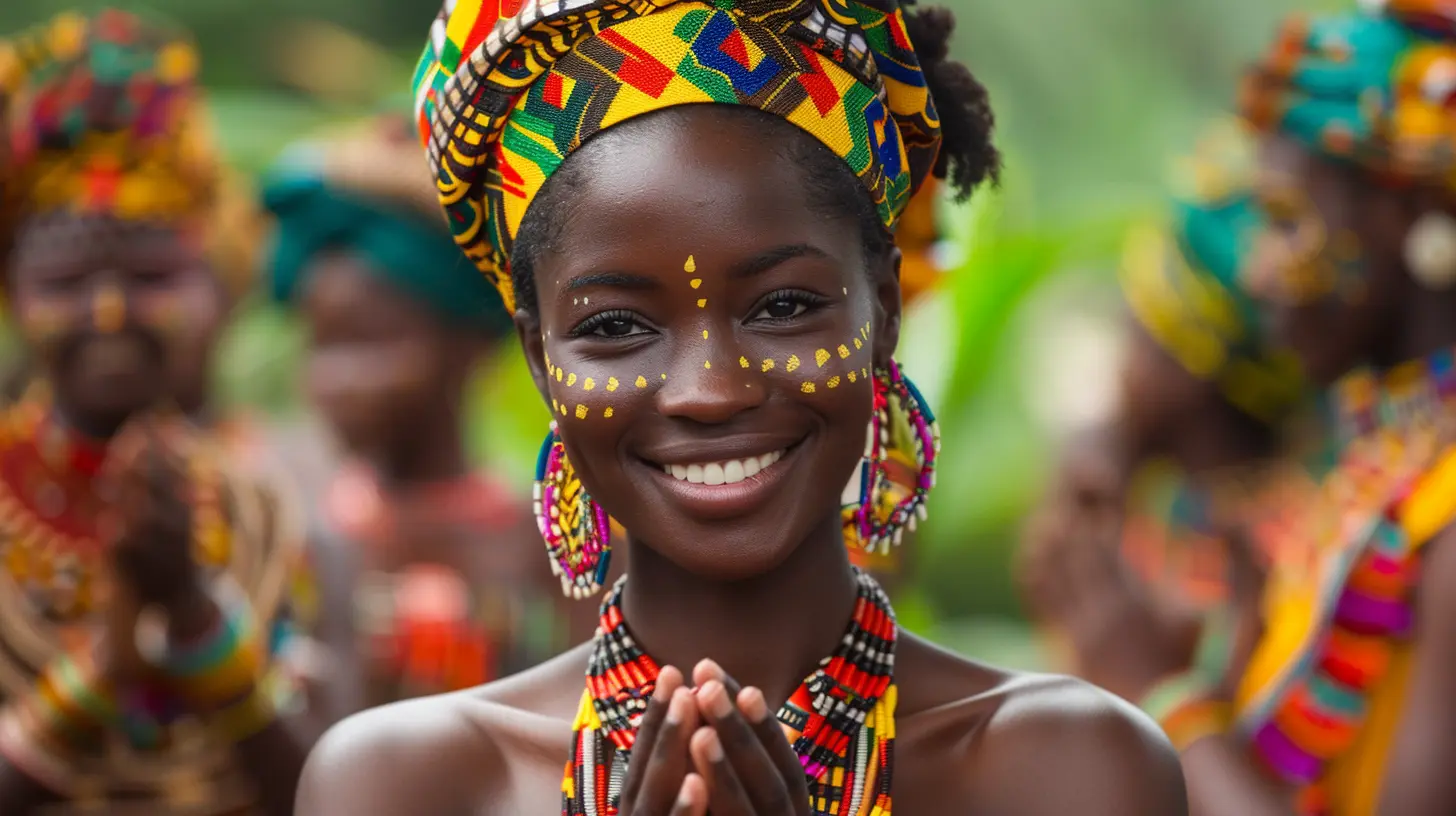
?? Nigeria: A Nation of Warm and Respectful Greetings
Yoruba Culture
In Yoruba tradition, greetings are heavily influenced by age and respect. Younger men are expected to prostrate (lie flat on the ground) or bow deeply when greeting elders, while women kneel slightly. Handshakes are common among peers, but when addressing an older person, adding a respectful “Sir” or “Ma” is essential.- Morning greeting: Ek'aro (Good morning)
- Afternoon greeting: Ek'asan (Good afternoon)
- Evening greeting: Ek'ale (Good evening)
Igbo Culture
The Igbo people emphasize warmth and friendliness in their greetings. A firm handshake accompanied by a broad smile is typical. Among elders, a slight bow or head nod is a sign of respect. Conversations often begin with inquiries about one’s family, work, or health—because in Igbo culture, a greeting isn’t just a formality; it’s an emotional check-in.- Common greeting: Kedu? (How are you?)
- Response: Ọ dị m mma (I am fine)
Hausa Culture
Hausa greetings are deeply rooted in Islamic traditions, reflecting both respect and religious courtesy. A standard greeting begins with “Salam Alaikum” (Peace be upon you), to which the response is “Wa Alaikum Salam” (And peace be upon you, too).Formal handshakes are common among men, but when greeting a woman, a respectful nod or verbal greeting is preferred unless she initiates the handshake. 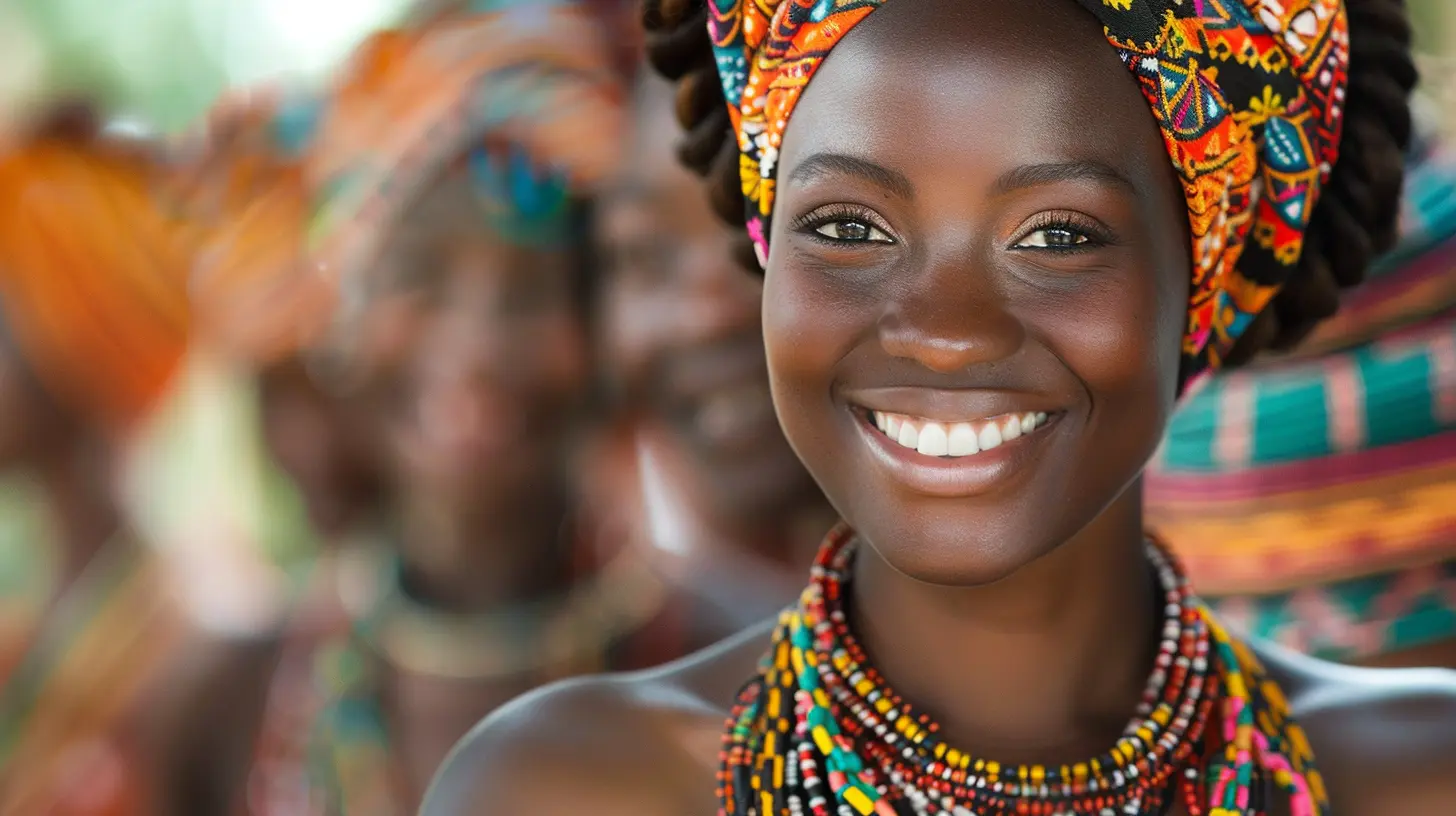
?? South Africa: A Blend of Traditional and Modern Greetings
Zulu Culture
Zulu greetings carry an affectionate and communal touch. The most common greeting is “Sawubona” (I see you), which is more than just a hello—it's an acknowledgment of your presence and worth. The standard response is “Ngikhona” (I am here), emphasizing mutual recognition.Among the elderly, younger individuals often bow slightly while shaking hands to show deference. Elders may also bless younger individuals after greeting them.
Xhosa Culture
Xhosa greetings include a mixture of humble gestures and verbal expressions. “Molo” (Hello) for one person and “Molweni” for multiple people are commonly used. Initiating a handshake with an elder often includes a light handclap as a sign of respect.Women may not always shake hands with men and may instead offer a gentle nod as a greeting.
Afrikaans Culture
Afrikaans greetings are more direct, often resembling Western-style greetings. A firm handshake and direct eye contact are standard, along with a simple “Goeie môre” (Good morning) or “Hallo” (Hello). Hugging is common among close family and friends.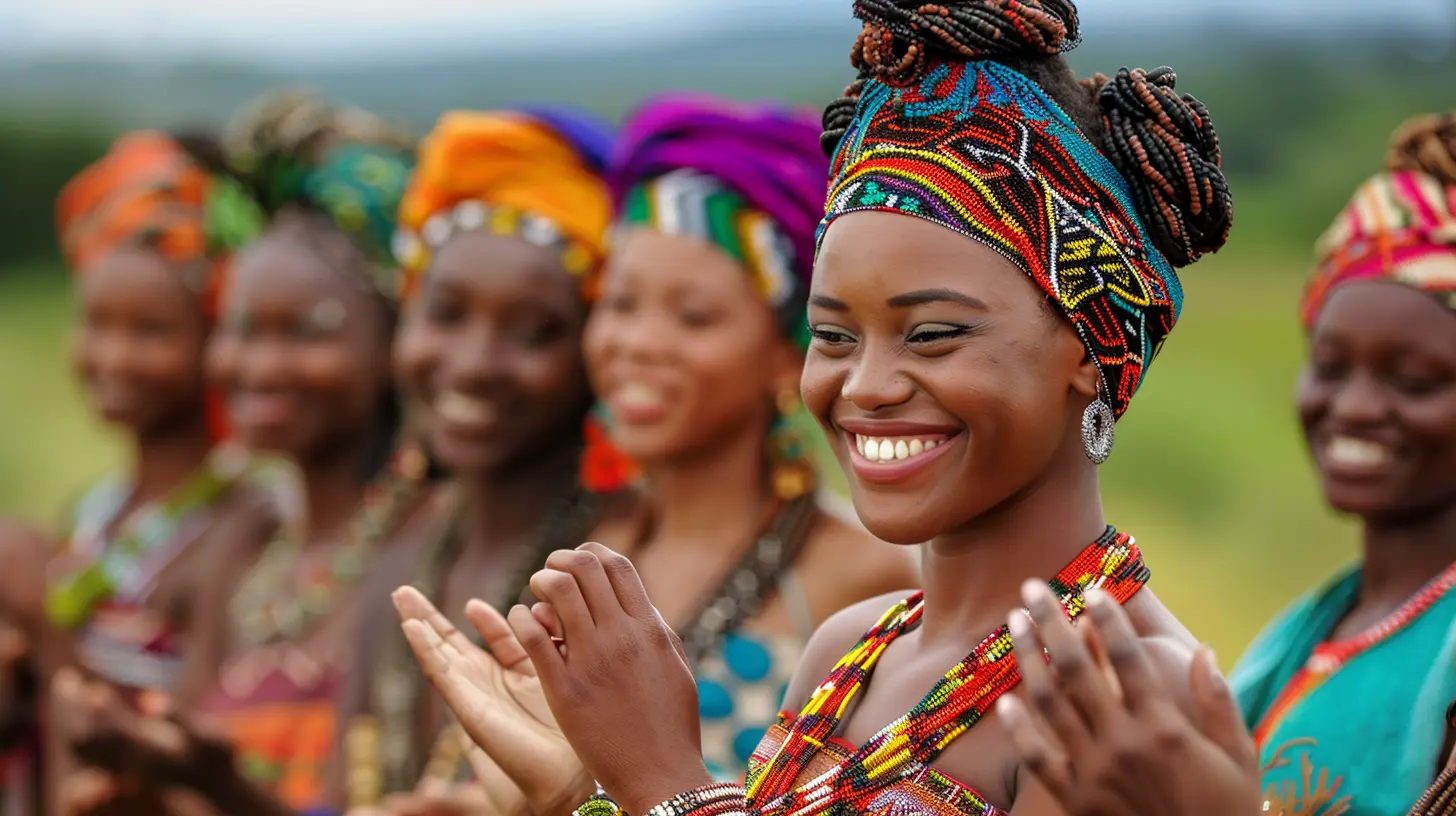
?? Ethiopia: A Country of Honor and Respectful Gestures
Greetings in Ethiopia vary depending on ethnic background, but a few common customs cut across cultures.- The Amharic greeting “Selam” is widely used.
- A handshake is standard but may be followed by placing a hand over the heart to show sincerity.
- Among close friends or family, three kisses on the cheeks (left-right-left) are customary.
- The elderly are often greeted with a bow or touching one’s right shoulder with both palms after shaking hands.
Ethiopians value politeness and extended greetings, so don’t be surprised if a simple hello turns into a long exchange about family, health, and well-being. 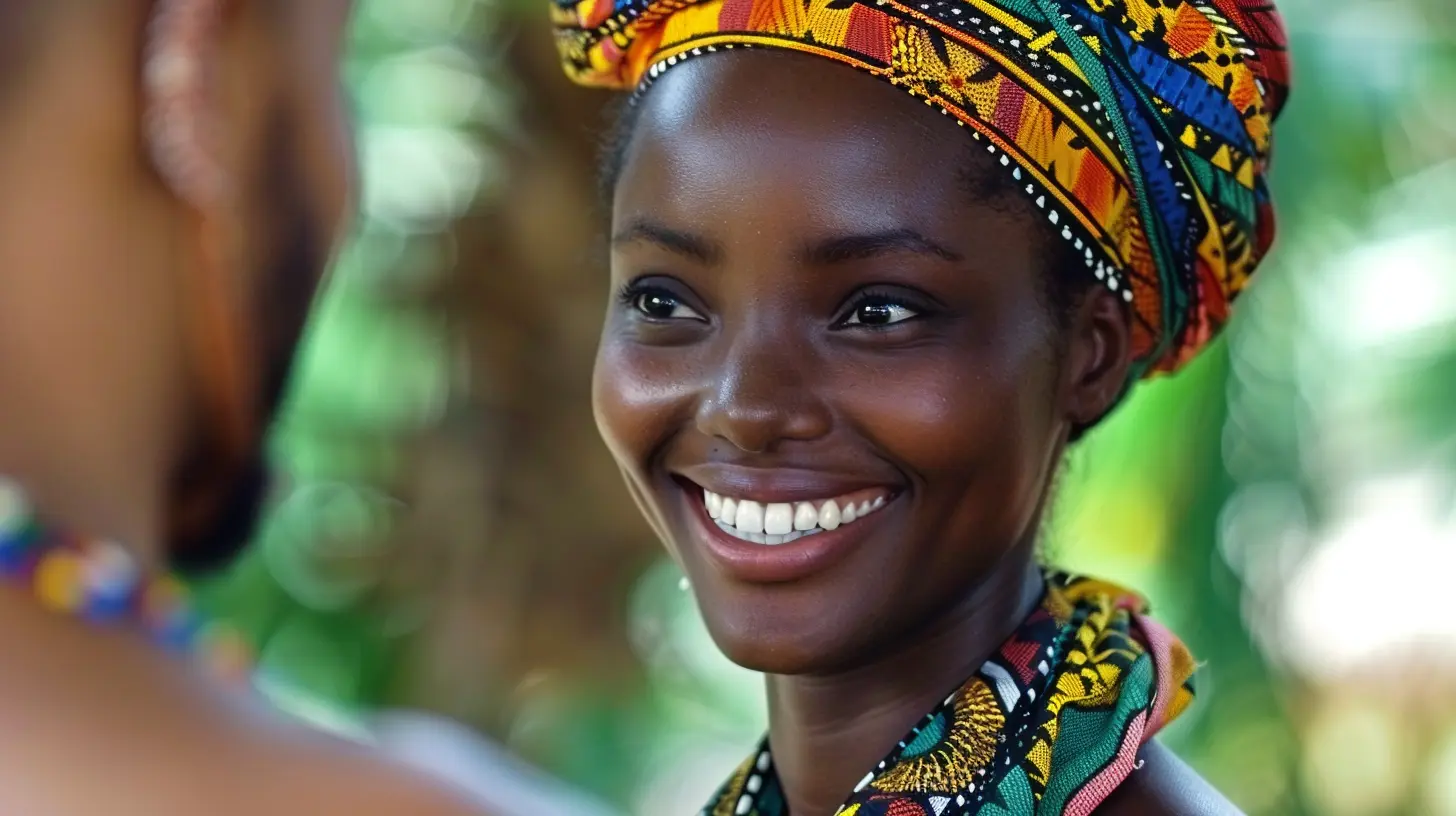
?? Kenya: A Fusion of Traditional and Modern Greetings
Swahili Culture
In Kenya, the Swahili greeting “Habari” (How are you?) is widely used, with multiple variations such as “Habari yako?” (How are you personally?) and “Habari gani?” (What’s the news?). A courteous handshake is common among men, while women often greet each other with hugs or light cheek kisses.Muslim Kenyans, especially along the coast, follow Islamic greetings: “As-salaam alaikum” and its response “Wa alaikum salaam.”
Maasai Culture
One of the most fascinating greetings in Kenya belongs to the Maasai people. Instead of a handshake, Maasai warriors might greet each other with a nod or a light touch on the head. Elders, however, receive a more elaborate respect ritual where younger individuals slightly bow and place their hands on the elder’s head.Instead of a simple "hello," Maasai often ask "Supa?" as a short and friendly greeting.
?? Ghana: A Nation of Handshakes and Respect
Ghanaians are known for their unique handshake, which involves a regular handshake followed by a finger snap while pulling apart. It’s a fun, distinct way of greeting, especially among young people.Among the Akan people, elders are greeted with a slow, respectful handshake, sometimes accompanied by bowing. Common greetings include:
- Eti sen? (How are you?)
- Me ho yɛ (I am fine)
In northern Ghana, greetings are more elaborate, often involving inquiries about family, health, and even one’s livestock. A simple "Hi" won't cut it—you need to show genuine interest in the other person’s well-being.
?? Tanzania: The Art of Prolonged Greetings
Tanzanians take greetings very seriously—often spending several minutes exchanging pleasantries before discussing anything else. The most common greeting in Swahili is:- “Shikamoo” (a respectful greeting for elders, meaning “I hold your feet”)
- “Marahaba” (a response from the elder, meaning “I accept your respect”)
Among peers, a firm handshake followed by an extended conversation about one’s health, family, and work is expected. Rushing through greetings is seen as rude, so slow down and engage!
?? Senegal: Greetings Are a Social Event
In Senegal, greetings can last several minutes and involve a sequence of exchanges. A typical Wolof greeting starts with:- “Nanga def?” (How are you?)
- The response: “Maangi fi” (I am here)
Handshakes are common among men, while women may exchange verbal greetings or light hugs. In Muslim communities, greetings are often followed by prayers and blessings, reinforcing the spiritual bond between individuals.
Final Thoughts: Why Greeting Etiquette Matters in Africa
Greeting someone isn’t just about saying hello—it’s about acknowledging their presence, showing respect, and building relationships. African cultures place a heavy emphasis on proper greetings, and understanding them shows that you genuinely care about the people you're interacting with.So, next time you find yourself in an African country, take a moment to greet appropriately. Whether it’s a deep bow, a handshake with a finger snap, or an extended inquiry about one’s well-being, your effort will be appreciated.
all images in this post were generated using AI tools
Category:
Cultural EtiquetteAuthor:

Reed McFadden
Discussion
rate this article
1 comments
Heath Chavez
This article offers valuable insights into the diverse greeting customs across African cultures. Understanding these practices not only enhances travel experiences but also fosters respect and connection with local communities. Thank you for shedding light on such an important aspect of cultural appreciation.
August 26, 2026 at 2:45 AM
Reed McFadden
Thank you for your thoughtful comment! I'm glad you found the insights valuable. Understanding these customs truly enriches our experiences and connections.