Where the Sky Meets the Sea: Dreamy Sunsets for 2026 Explorers
3 October 2026
There is a specific kind of silence that falls over a coastline about twenty minutes before the sun touches the horizon. The wind often drops. The crowd noise fades into a low murmur. Colors shift from flat daylight into something warmer and more saturated. For travelers who plan trips around this daily event, that window of time is not a bonus feature of a destination. It is the main reason to go.
Planning sunset-focused travel in 2026 comes with a particular set of opportunities and complications. Overtourism is reshaping access to famous viewpoints. Climate patterns are shifting the reliability of clear skies in some regions. At the same time, better forecasting tools, quieter shoulder seasons, and a growing number of lesser-known coastal spots give thoughtful travelers more control than ever over the quality of the experience.
This article is for people who want more than a pretty photo. It covers where to go, when to go, how to read conditions, and how to avoid the mistakes that turn a dreamy sunset into a disappointing one.
What Actually Makes a Sunset Dreamy
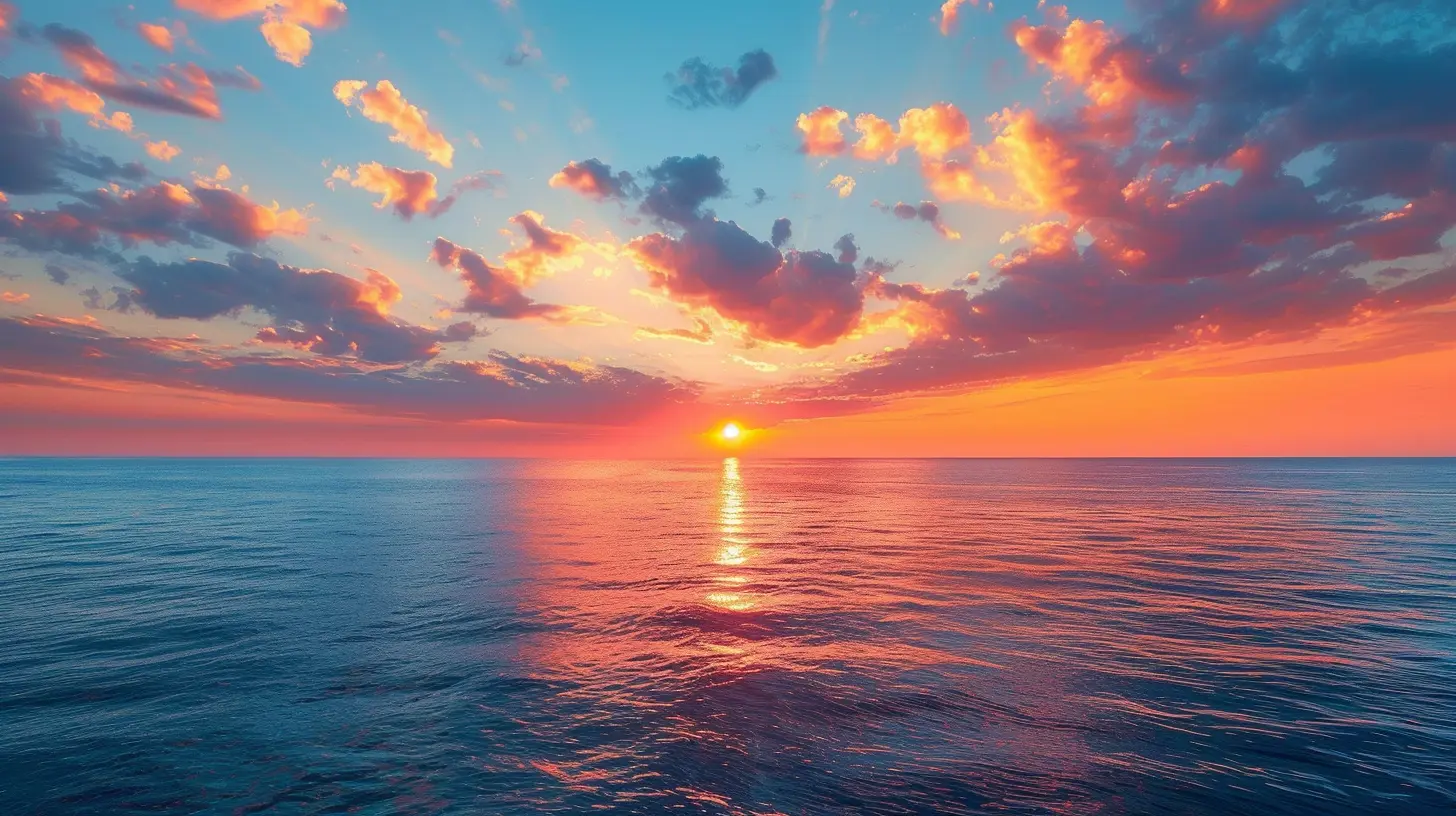
Most people assume a good sunset is about location. Location matters, but it is only one variable. Four factors determine whether an evening delivers or disappoints.Horizon clarity. A clean line where sea meets sky is the foundation. Coastal locations with open western or eastern exposure (depending on the coast) beat inland bays with obstructed views.
Cloud architecture. A perfectly cloudless sky often produces a flat, quick fade. The memorable sunsets need mid-level and high-level clouds to catch and scatter light after the sun dips below the horizon. This is why some of the most dramatic evenings happen on days that look "cloudy" at noon.
Air quality and particulates. Dust, smoke, salt haze, and pollution all filter light differently. Volcanic ash and wildfire smoke, while undesirable for other reasons, can produce deep reds and oranges. Clean ocean air tends to produce softer pinks and golds. Neither is better, but they are different, and knowing which you prefer helps you choose destinations.
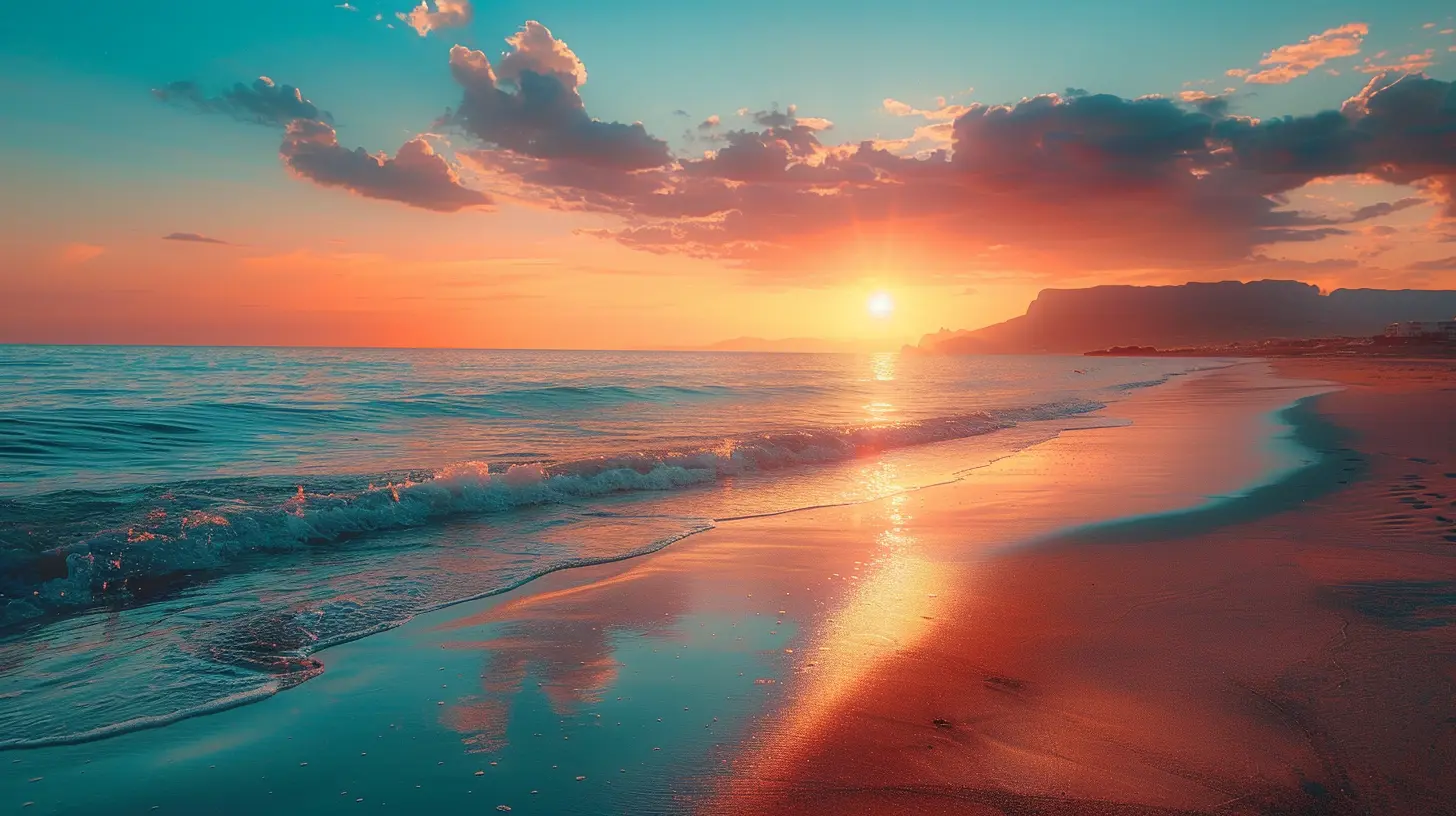
Foreground and reflection. A sunset over open water is beautiful. A sunset over tidal flats, wet sand, or calm lagoons doubles the light and adds depth. This is a practical reason why certain beaches consistently outperform others in photographs and in memory.
Understanding these four factors changes how you plan. Instead of chasing a famous postcard view, you start asking: does this location have an open horizon, reliable cloud structure during my travel window, and a foreground that interacts with light?
How 2026 Changes the Calculus
Several trends will shape sunset travel in 2026, and ignoring them leads to frustration.Crowd Management Is Now a Planning Variable
Iconic sunset spots from Santorini to Key West to Bali's Tanah Lot have introduced or expanded visitor caps, timed entries, or shuttle systems. Some are informal (parking fills by mid-afternoon), others are formal (reservation apps, fees, or restricted access to certain terraces).The practical takeaway: treat sunset access the way you would treat a museum reservation. Check official sources for the specific site before you build your day around it. Arriving ninety minutes early is no longer excessive at the most famous locations during peak season.
Shoulder Season Is the Smart Season
The best sunset light often coincides with the best weather, which is also when everyone else travels. Shifting your trip by three to five weeks on either side of peak season usually delivers comparable skies with far fewer people. Late September in the Mediterranean, early May in the Caribbean, and late February in parts of Southeast Asia are examples of windows where light quality holds up while crowds thin out.Forecasting Has Gotten Genuinely Useful
Dedicated sunset and cloud-forecast tools now give hour-by-hour estimates of high, mid, and low cloud cover. These are not perfect, but they are far better than a generic weather app that only tells you "partly cloudy." Learning to read a cloud-cover breakdown by altitude is one of the highest-return skills a sunset traveler can develop.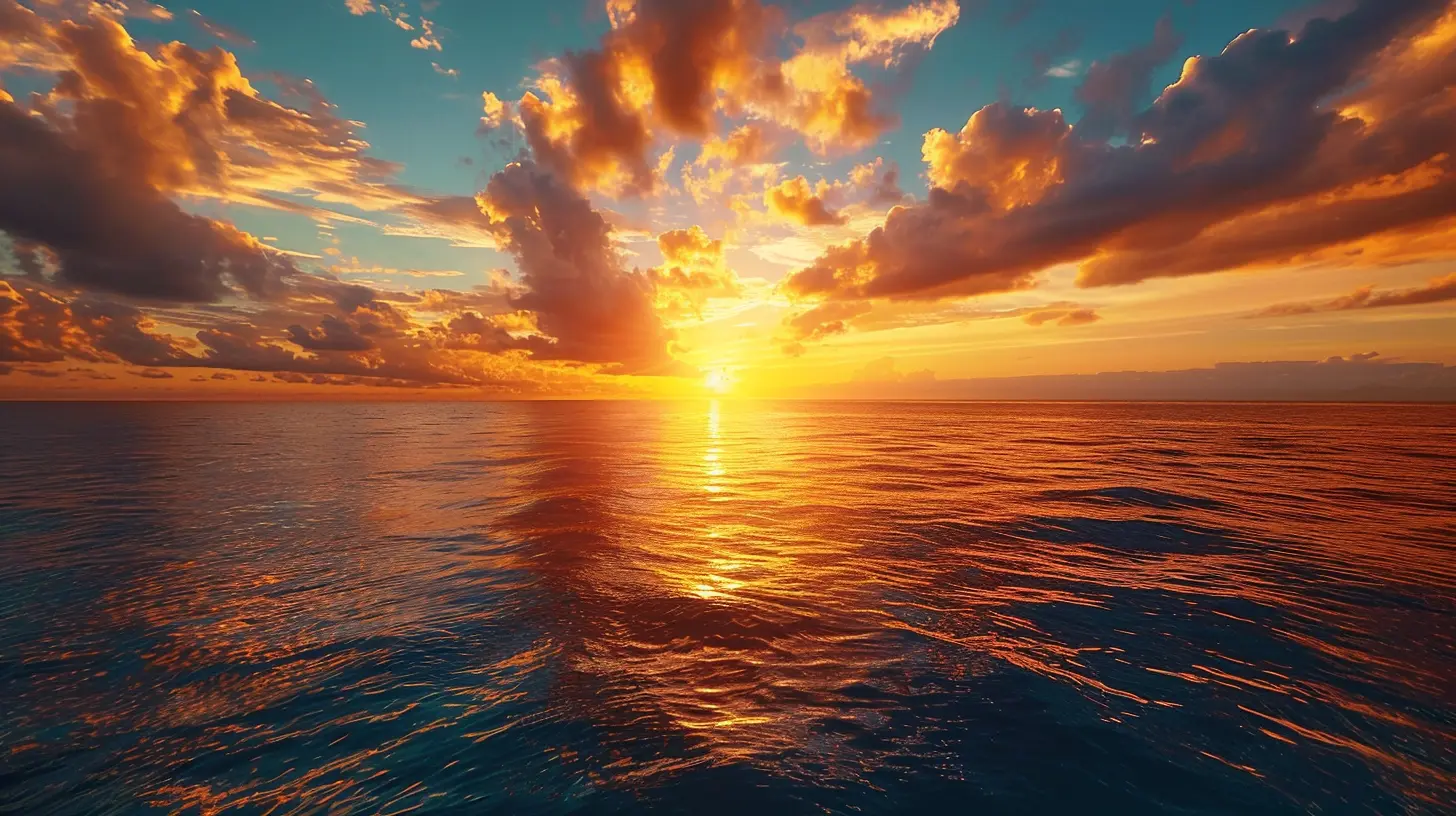
Choosing a Coast: A Framework, Not a List
Rather than listing destinations, it helps to understand the categories of coastal sunset experiences and what each demands from you.West-Facing Ocean Coasts
These are the classic sunset coasts: the Pacific edge of the Americas, the Atlantic coast of Europe and Africa, and western-facing island shores. The sun sets directly over open water, which produces the cleanest horizon line.Advantages: Reliable geometry, long light windows, strong reflection on wet sand.
Trade-offs: Wind is often stronger, temperatures drop quickly after sunset, and the most accessible spots are the most crowded.
Best for: Travelers who want simplicity and predictability.
East-Facing Coasts at Sunrise
Here is a misconception worth correcting: many travelers assume sunset is always the superior event. On east-facing coasts, sunrise offers the same color palette with dramatically fewer people, calmer air, and often better visibility. The trade-off is the early wake-up and, in some regions, safety considerations before dawn.If your goal is the emotional experience rather than the time of day, sunrise on an east coast frequently wins.
Enclosed Seas and Bays
The Mediterranean, the Gulf of Thailand, and similar enclosed waters produce softer, hazier sunsets. The horizon is often interrupted by islands or headlands, which can be a limitation or an advantage depending on how you use them. A silhouetted island can anchor a composition; a crowded harbor cannot.Best for: Travelers who value atmosphere and warm tones over dramatic scale.
Polar and High-Latitude Coasts
At higher latitudes, sunset lasts far longer. In some summer weeks, the sun barely sets at all, producing hours of golden light rather than a single event. This is a genuinely different experience, but it requires different planning. Accommodation, transport, and even restaurant hours may not align with a sunset that ends at midnight.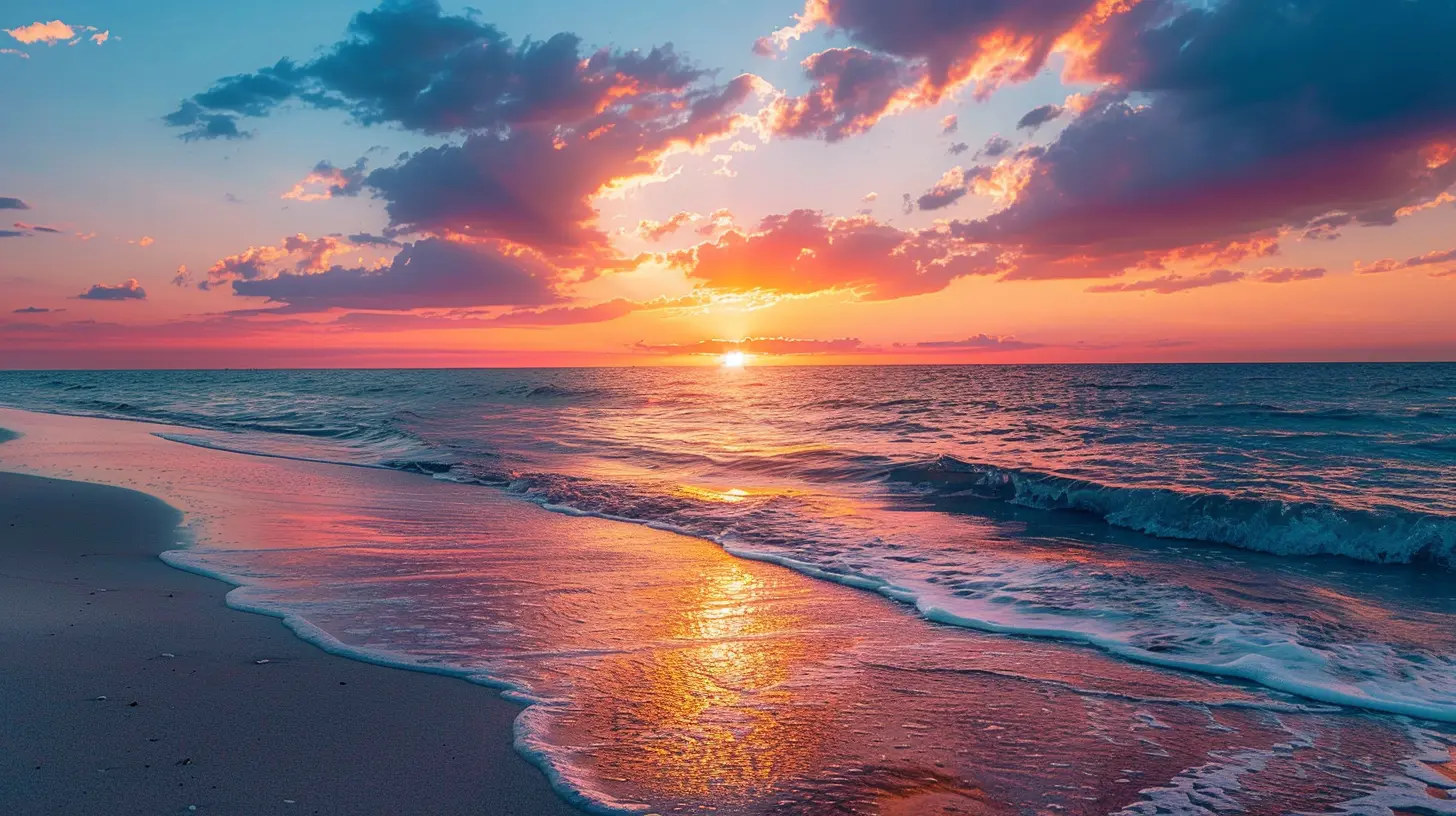
Timing: The Part Most Travelers Get Wrong
The single most common mistake is arriving at the moment of sunset. By then, the best light has often already passed.The Real Golden Hour
The richest color usually appears between thirty and fifty minutes before the sun reaches the horizon, and again for ten to twenty minutes after it disappears. The post-sunset glow, sometimes called the blue hour when it shifts toward cooler tones, can be more striking than the sunset itself.Plan to arrive at least sixty minutes before the official sunset time. Stay at least thirty minutes after. This single adjustment improves outcomes more than any change of destination.
Seasonal Geometry
Sunset direction shifts throughout the year. In the northern hemisphere, the sun sets farther north in summer and farther south in winter. This matters enormously for specific viewpoints. A cliff that faces due west in June may face the wrong way in December. Before committing to a location, check the sunset azimuth for your travel dates. Many mapping and photography tools show this clearly.Weather Windows
In tropical regions, the dry season typically delivers clearer skies but also flatter, hazier light. The transition weeks at the start or end of a wet season often produce the most dramatic cloud formations. If you are flexible, target these shoulder windows.Practical Fieldcraft: What Experienced Sunset Travelers Do
Scout During the Day
Visit your chosen spot in daylight. Note where the sun will set relative to landmarks, where the ground is stable, where you can sit comfortably, and where you will exit after dark. This ten-minute scouting walk prevents most evening problems.Bring Layers, Not Just a Camera
Coastal temperatures drop fast once the sun is gone. Wind increases. A light jacket, a hat, and a small towel for wet sand or spray make a bigger difference to enjoyment than any piece of gear.Manage Light Pollution and Crowds
At popular spots, the crowd often clusters at the single "best" viewpoint. Walk five to ten minutes along the coast in either direction and you frequently find an equally good or better view with a fraction of the people. This is one of the most reliable pieces of advice in sunset travel.Respect Local Rules and Environments
Many coastal areas restrict access to dunes, turtle nesting beaches, or protected cliffs. These rules exist for good reasons. Following them protects the very landscapes that make the sunset worth seeing.
Common Mistakes and How to Avoid Them
Chasing only famous locations. The most photographed sunset spots are famous for a reason, but they are also the most crowded and the most likely to be affected by access restrictions. A lesser-known beach twenty minutes away often delivers a better experience.Ignoring the return trip. After sunset, coastal roads can be dark, winding, and unfamiliar. Plan your exit before you arrive, and avoid routes that require navigation in low light.
Overpacking camera gear. Heavy tripods and multiple lenses become a burden on uneven sand or wet rocks. A single versatile setup and a stable hand usually outperform an elaborate kit that you cannot deploy quickly.
Assuming every evening will be spectacular. Even in ideal locations, some sunsets are muted. Building flexibility into your itinerary, staying multiple nights in one place, gives you several chances rather than a single gamble.
Booking accommodation without checking the view angle. A hotel described as "ocean view" may face the wrong direction or have an obstructed sightline. Check maps and recent guest photos rather than trusting marketing language.
Balancing Solitude and Access
There is a real tension in sunset travel between two goals: seeing a legendary view and having a peaceful experience. You generally cannot have both at the same place on the same evening.The solution is to split your trip. Spend one evening at the iconic location to satisfy the ambition, and spend the remaining evenings at quieter alternatives. This approach delivers the postcard and the memory, without forcing you to choose.
Another option is to invert the schedule. Visit the famous spot at sunrise, when crowds are minimal, and reserve sunset for the quieter location. The light is comparable, and the experience is often better.
A Note on Expectations and Weather
No destination guarantees a perfect sunset. Even the most reliable locations have off nights. The travelers who enjoy this pursuit most are the ones who treat each evening as its own event, not as a test of whether their planning was correct. A muted sunset with good company and a quiet shoreline is still a good evening. A spectacular one is a gift, not a promise.This mindset also protects you from the trap of over-optimization. If you schedule every evening around a specific viewpoint and a specific forecast, you lose the spontaneity that makes coastal travel rewarding in the first place.
Final Recommendations for 2026
If you are planning a sunset-focused trip this year, a few principles will serve you well regardless of destination.Choose a base with multiple westward or eastward viewpoints within a short drive, so you can adapt to conditions. Stay at least three nights in each location to give yourself several chances. Book accommodation with verified sightlines rather than relying on descriptions. Check access rules and reservation systems before you travel. Learn to read cloud forecasts by altitude, and treat the hour before and after sunset as the real event.
Above all, remember why you are there. The sky meeting the sea is a daily occurrence, but the experience of witnessing it well, without rushing, without a crowd pressing in, and without a screen between you and the horizon, is increasingly rare. That rarity is what makes it worth planning for.
all images in this post were generated using AI tools
Category:
Sunset SpotsAuthor:

Reed McFadden