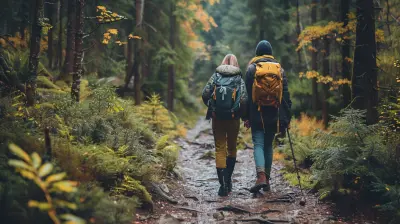
Your Ultimate Sunset Bucket List for 2027
30 September 2026
There is a particular kind of quiet that settles over a place in the twenty minutes before the sun drops below the horizon. Colors shift by the minute. Shadows stretch and soften. People who have spent the whole day talking go silent without quite noticing why. Chasing that moment is one of the few travel goals that costs almost nothing, works for nearly every budget, and never gets old. That is the appeal of a sunset bucket list. It is not about luxury. It is about timing, a little planning, and being in the right place when the light does its thing.
The year 2027 is far enough away that you can plan properly, but close enough that it still feels real. This guide is built around that window. It covers where to go, when to go, how to think about the trade-offs, and the mistakes that quietly ruin more sunset trips than bad weather ever does.
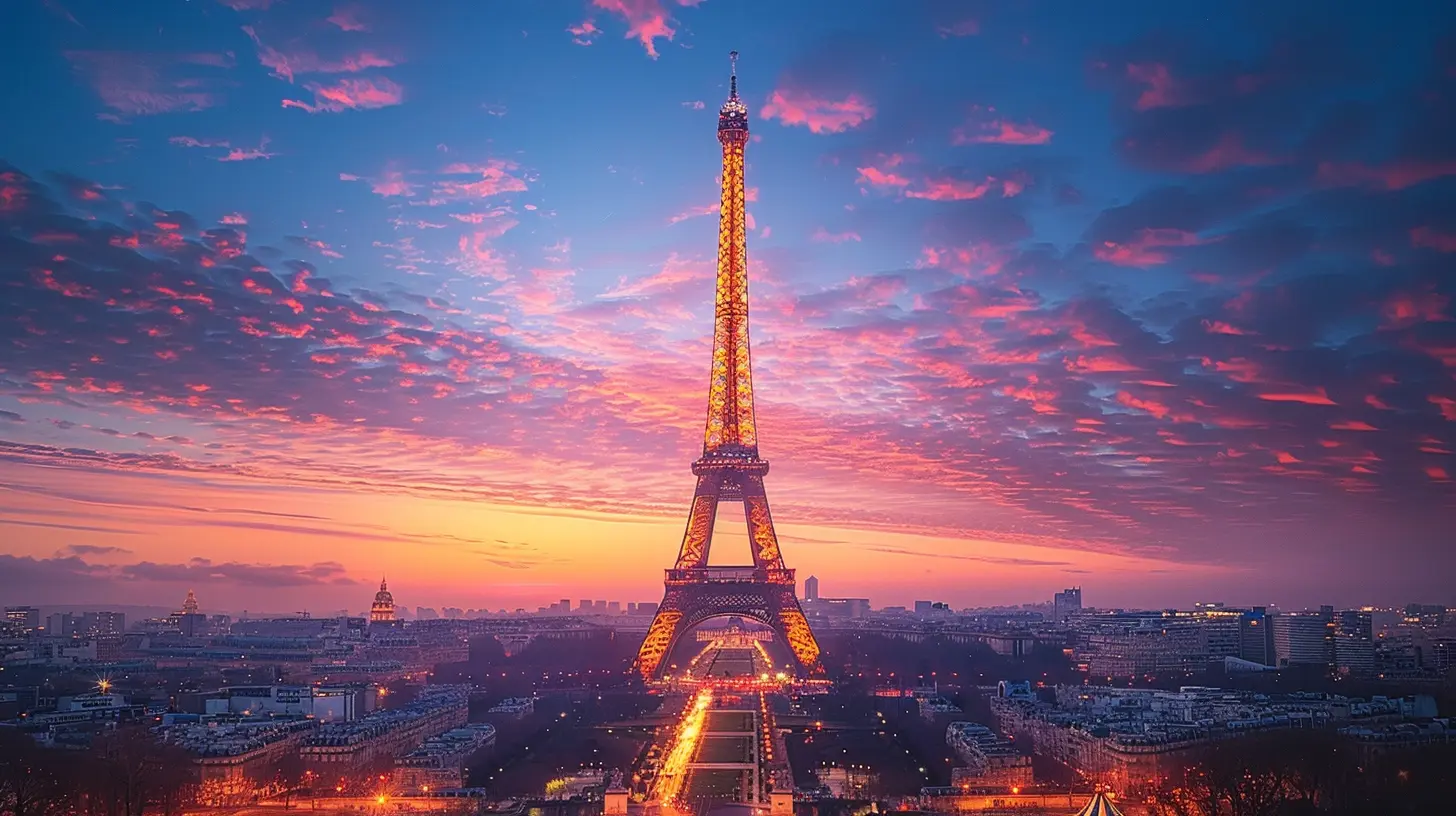
Why Sunsets Deserve Their Own Travel Plans
Most people treat a sunset as a bonus. You finish a day of sightseeing, you happen to be near a viewpoint, and if the sky cooperates, great. That approach works, but it also means you miss the best versions of something you already care about.A dedicated sunset plan changes three things.
First, it forces you to think about direction. A beach that faces east will never give you a proper ocean sunset. A mountain valley that runs north to south will block the light long before the sun actually sets. Knowing which way a place faces is the single most useful piece of research you can do, and most travelers skip it entirely.
Second, it changes your daily rhythm. If you want a great sunset, you cannot treat the day before it as an afterthought. You need to be rested, positioned, and unhurried. That usually means building the afternoon around the evening rather than squeezing the evening in at the end.
Third, it raises the value of patience. The best light often arrives after most people have given up and walked away. The sky can look flat and unpromising at 7:40 and turn extraordinary at 8:05. Knowing this in advance is what separates a memorable sunset from a forgettable one.
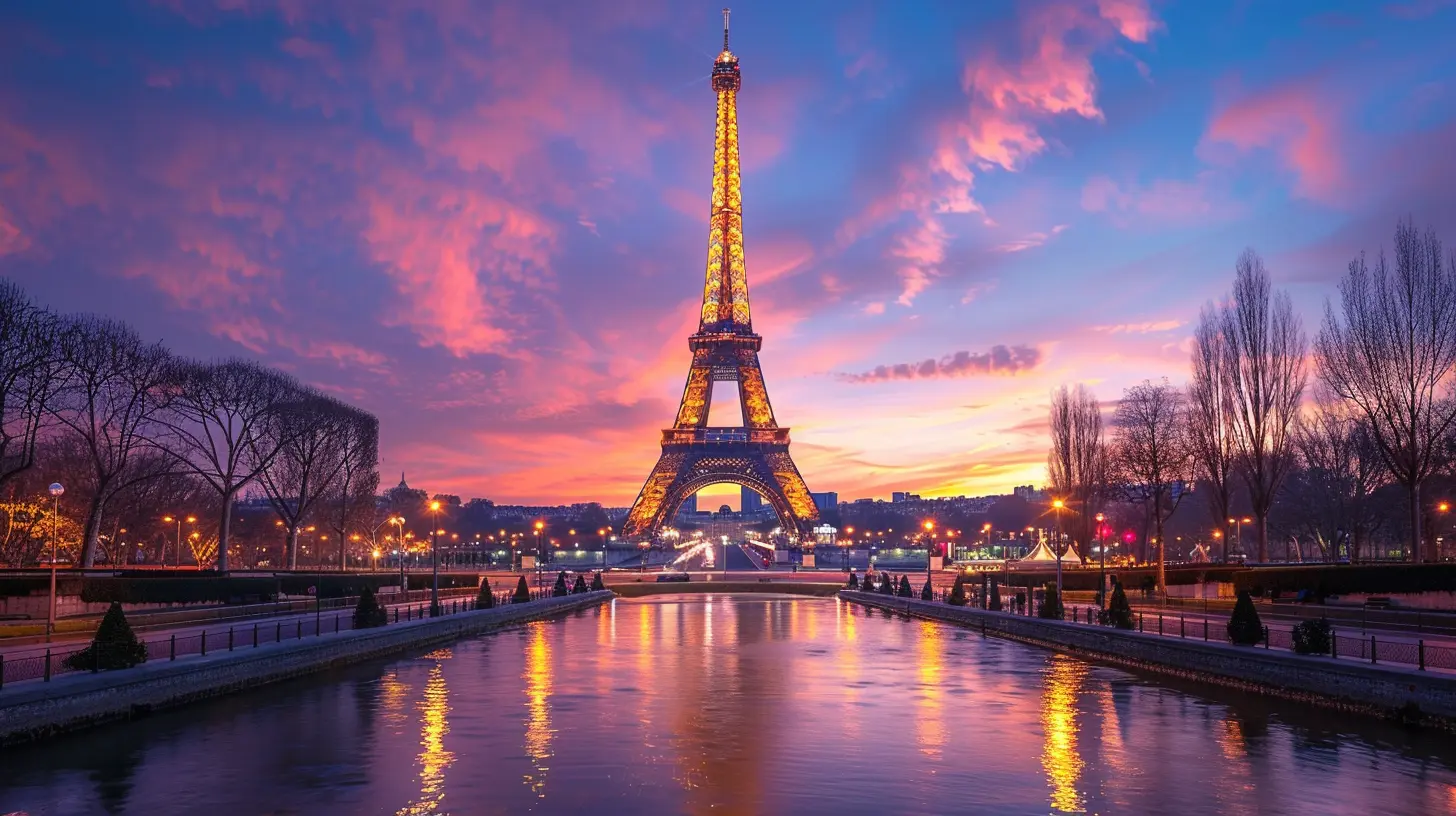
The Core Principles Behind a Great Sunset
Before getting into specific destinations, it helps to understand why some sunsets work and others do not. These principles apply everywhere, and they will help you judge any location you are considering.Direction and Horizon
The sun sets in the west, but "west" is a wide target. In summer, the sun sets noticeably north of due west in the northern hemisphere. In winter, it sets south of due west. This matters more than most people realize. A viewpoint that faces due west might give you a perfect sunset in March and a disappointing one in July, because the sun has drifted far to the north.Check the exact sunset azimuth, the compass direction of the setting sun, for your specific date. Many weather and astronomy apps provide this. If a location's main feature sits to the southwest, and the sun is setting northwest on your travel date, you may need to move.
Elevation and the Afterglow
Being high up does not automatically mean a better sunset, but it does extend it. From a summit or a tall building, you see the sun for longer because it stays above the distant horizon after it has already dropped below the horizon at sea level. This is why mountain sunsets often last twenty minutes longer than coastal ones.Elevation also gives you access to the afterglow, the period after the sun has set when the sky lights up from below. On a beach, the afterglow is brief. From a ridge, it can stretch on and on. If you love color, elevation is your friend.
Clouds as a Tool, Not an Enemy
A clear sky is actually one of the worst conditions for a dramatic sunset. You need something for the light to bounce off. High, thin clouds catch color beautifully. Mid-level clouds create texture. Low, thick clouds block everything.The ideal setup is a partly cloudy sky with high clouds and a clear band near the horizon so the sun can actually reach the clouds. This is why photographers obsess over cloud forecasts. It is not superstition. It is physics.
Air Quality and Haze
Dust, smoke, and humidity all affect sunset color. Some haze can deepen reds and oranges, which is why volcanic eruptions and wildfire smoke sometimes produce spectacular skies. Too much haze, though, flattens everything into a dull gray-orange wash.Coastal areas with clean ocean air tend to give crisp, saturated colors. Inland cities with heavy pollution often give muted, brownish sunsets. If color is your priority, air quality is worth checking.
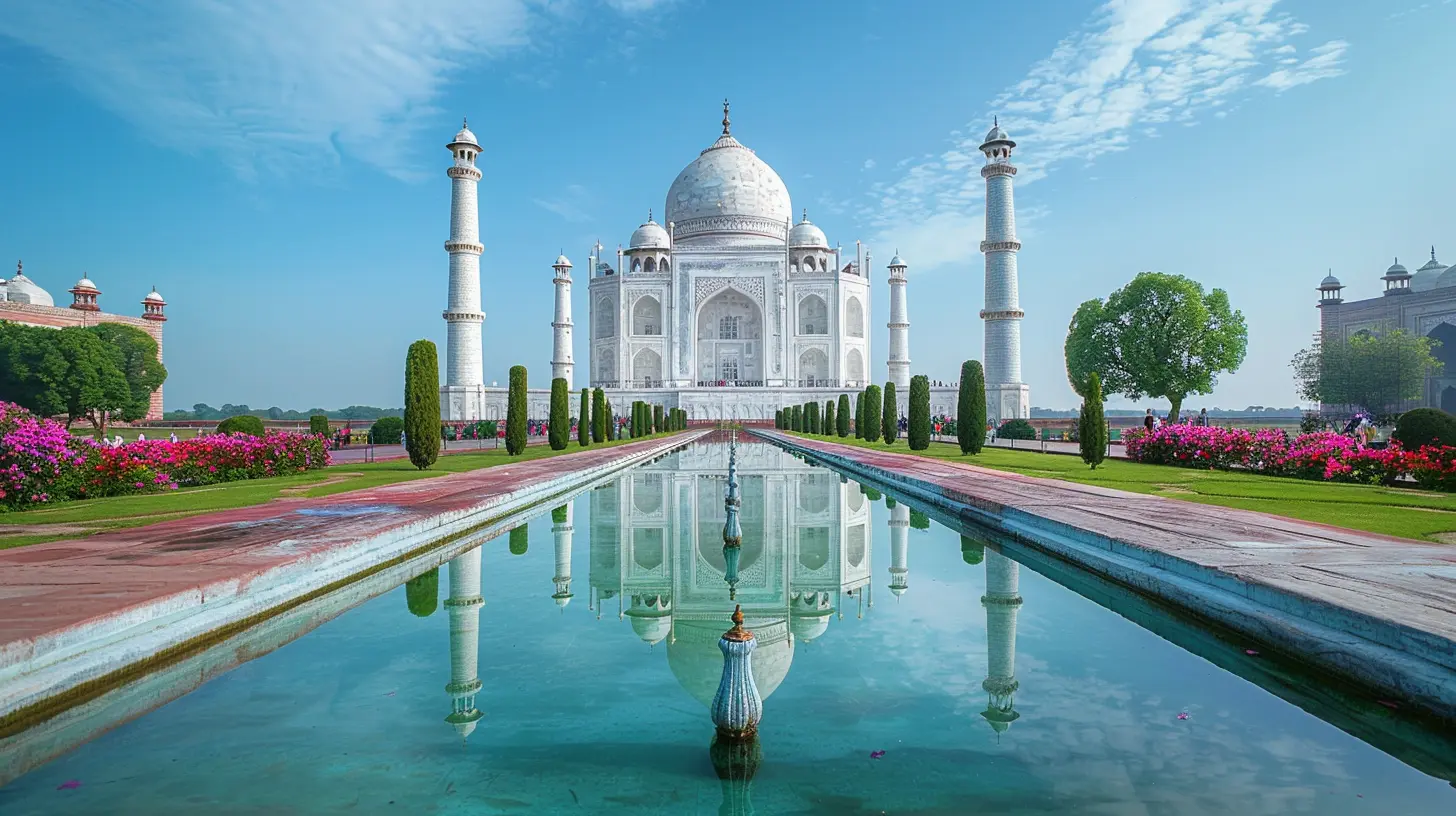
The Bucket List: Destinations Worth Planning Around
The places below are chosen for different reasons. Some are famous, some are underrated. Each one teaches you something about how sunsets work.Santorini, Greece
The classic. The white buildings of Oia catch the last light and glow a warm pink that has been photographed millions of times. The problem is that everyone knows this, and the main viewpoint becomes genuinely crowded in high season.The better approach is to skip Oia's famous castle ruins and instead book a caldera-facing room in Imerovigli or Fira. You get the same view with a fraction of the crowd, and you can sit down. If you do want Oia, go in the shoulder seasons of late April or early October. The light is still excellent and the crowds are thinner.
Trade-off: Santorini sunsets are reliably beautiful but rarely surprising. If you want novelty, look elsewhere.
The Maldives
Overwater bungalows facing west give you a sunset you can watch from your own deck, which is hard to beat for pure comfort. The equatorial location means sunsets are fast, often under thirty minutes from first color to darkness. There is very little twilight near the equator, so the transition is abrupt.This is a place where the sunset is part of a longer, slower experience. You are not chasing a single moment. You are settling into an evening.
Trade-off: Expensive, and the sunsets are consistent rather than dramatic. You come here for the setting, not the sky.
The Atacama Desert, Chile
Some of the clearest skies on Earth. The dry air and high altitude mean colors are intense and the horizon is razor sharp. The Valley of the Moon in particular has a landscape that seems designed for sunset, with salt formations and sand dunes that change color as the light drops.This is a place where you should plan to stay for several evenings. Weather varies, and one night might be hazy while the next is perfect.
Trade-off: Remote, cold at night, and you need to arrange transport in advance.
The Serengeti, Tanzania
Watching the sun set over the African savanna, with acacia trees silhouetted and animals moving in the distance, is a different kind of experience. It is not just the sky. It is the whole scene.The best sunsets here tend to come during the short rains in November, when afternoon clouds build and then break apart in the evening. The dry season gives clearer skies but less drama.
Trade-off: Expensive, and you are dependent on a guide and a vehicle. Timing is everything.
The Amalfi Coast, Italy
The towns here face south and west, so the sun sets over the Tyrrhenian Sea and lights up the cliffs. Positano is the postcard, but Praiano and Ravello offer equally good views with far fewer people.The trick with the Amalfi Coast is to avoid July and August. The heat, the crowds, and the haze all work against you. Late May and early September are ideal.
Trade-off: Infrastructure is strained in peak season, and driving is stressful. Use ferries where possible.
Big Bend National Park, Texas
An underrated option in North America. The park is remote, the skies are dark, and the desert landscape gives you wide open horizons. The Window Trail in the Chisos Basin faces west and frames the sunset between two rock walls.Big Bend is a good example of a place where the sunset is not the only attraction. You can combine it with stargazing, which is world class.
Trade-off: Long drives, limited services, and extreme heat in summer.
Uluru, Australia
The rock changes color dramatically at sunset, shifting from ochre to deep red to a dusky purple. There are designated viewing areas, and the experience is well organized.The best time to visit is during the cooler months from May to September. Summer sunsets are often obscured by heat haze.
Trade-off: The viewing areas can feel a bit staged. If you want solitude, consider a helicopter flight instead.
Comparing Approaches: Which Sunset Style Fits You
Not all sunset trips are the same. Here is a simple way to think about the trade-offs.The Comfort Approach
You book a room with a view, order a drink, and watch from a chair. This works well in places like Santorini, the Maldives, or Amalfi. You get reliability and relaxation, but you sacrifice a sense of adventure.The Hike Approach
You walk or climb to a viewpoint, often for an hour or more, and watch from a summit or ridge. This works in places like Big Bend, the Atacama, or any mountain region. You get solitude and extended light, but you take on risk, effort, and weather dependence.The Boat Approach
You watch from the water, which gives you an unobstructed horizon and a different perspective on the land. This works well in coastal areas, especially where the shoreline is dramatic. You get unique angles, but you are dependent on the operator and the sea conditions.The Drive Approach
You find a pullout, park, and watch. This is the most flexible option and works almost anywhere. You get convenience, but you often share the spot with others and may not get the best angle.There is no single best approach. The right one depends on your fitness, your budget, your tolerance for uncertainty, and what you want to feel when the sun goes down.
Timing: The Part Most People Get Wrong
Arriving at sunset time is a mistake. You should arrive at least forty-five minutes early, and here is why.The best color often appears before the sun touches the horizon, when the light is still high enough to catch clouds. If you show up at the moment of sunset, you have already missed the buildup. You also need time to find a spot, set up, and settle in. Rushing kills the experience.
The second timing mistake is leaving too early. Many people pack up the moment the sun disappears. That is exactly when the afterglow begins. Wait at least twenty minutes after official sunset. In some places, the best light comes thirty or forty minutes later.
The third mistake is ignoring the season. Sunset times shift by hours across the year. In Reykjavik, the sun sets after midnight in June and before 4 p.m. in December. In Singapore, it sets around 7 p.m. all year. Knowing this helps you plan your day and your sleep.
Common Mistakes and Misconceptions
A few myths are worth clearing up.Myth: Clear skies are best. As covered earlier, clear skies are often boring. You want some clouds.
Myth: You need a fancy camera. A phone camera handles most sunsets well. What matters more is being in the right place at the right time.
Myth: Any west-facing spot works. Direction matters, but so does obstruction. A west-facing beach with a headland to the north may block the sun in summer.
Myth: Sunsets are better in the tropics. Not necessarily. Higher latitudes sometimes get longer, more colorful sunsets because the sun takes a shallower angle to the horizon.
Myth: You can plan everything. You cannot. Weather, haze, and clouds are unpredictable. The best approach is to plan for multiple evenings and accept that some will be duds.
Practical Advice for Planning Your 2027 Trip
Here are concrete steps you can take now.1. Pick three to five destinations from your list and check their sunset azimuth for your target month.
2. Look at historical cloud cover data for those months. Some regions have reliable dry seasons. Others do not.
3. Decide whether you want comfort, adventure, or a mix.
4. Book accommodation with a west-facing view if possible. This is often the single biggest upgrade you can make.
5. Build in at least two evenings per location. One is a gamble. Two is a plan.
6. Check local rules. Some parks close at sunset. Some viewpoints require permits. Some areas have safety concerns after dark.
7. Bring layers. Temperatures drop fast once the sun is gone, even in warm places.
8. Have a backup plan. If the sky is flat, have a restaurant or a walk ready so the evening is not wasted.
Final Thoughts
A sunset bucket list is not really about the sun. It is about slowing down, paying attention, and being present for something that happens every single day but is easy to miss. The year 2027 is a good target because it gives you time to plan without losing the sense of anticipation.Pick a few places. Learn how the light works there. Give yourself more than one chance. Then show up early, stay late, and let the sky do the rest.
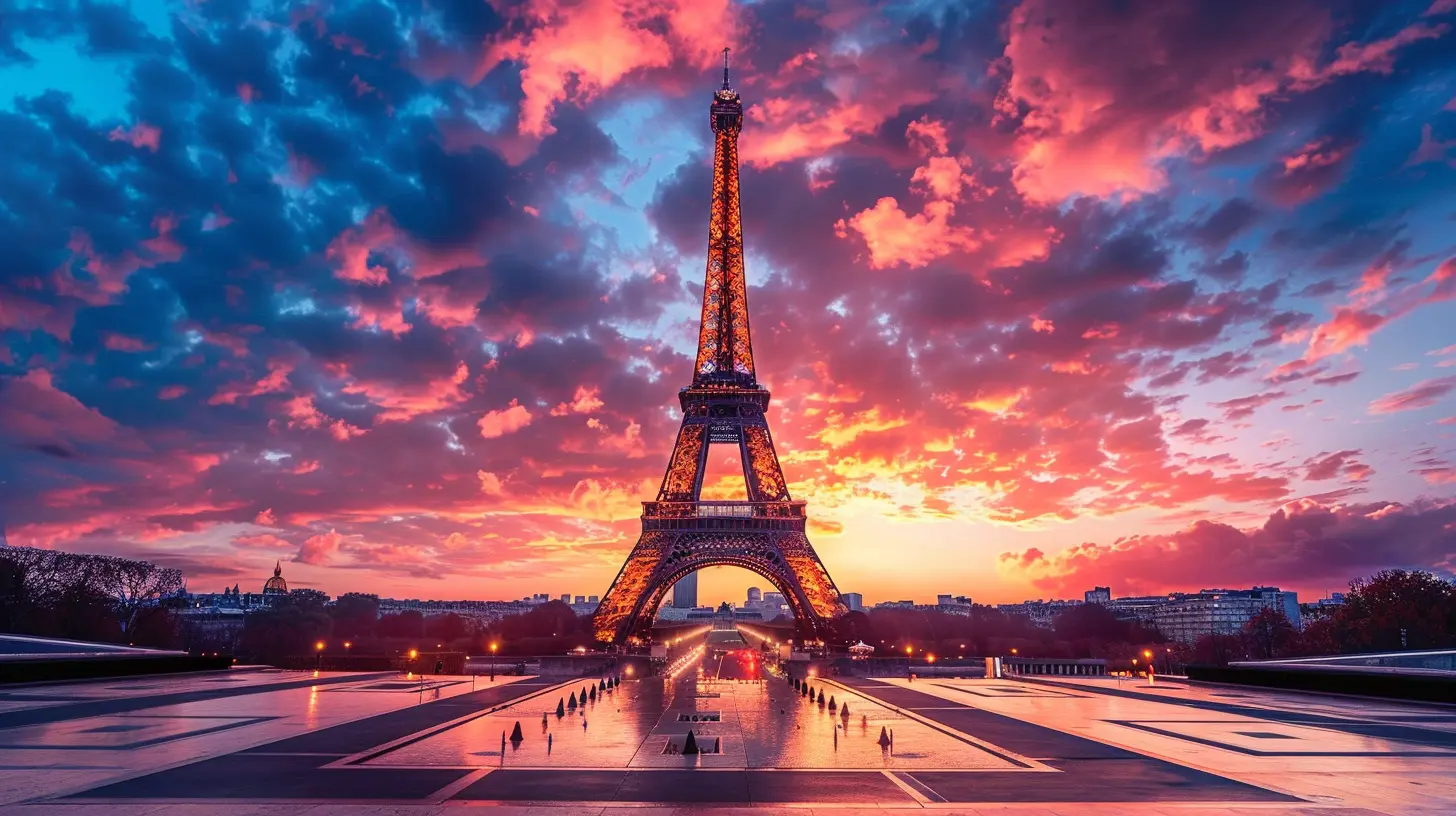
all images in this post were generated using AI tools
Category:
Sunset SpotsAuthor:

Reed McFadden