Wildlife-Friendly Tourism: Responsible Ways to See Animals in the Wild
29 December 2025
Let’s face it — there’s something magical about seeing animals in their natural habitat. Whether it’s watching elephants trumpet across the savanna, spotting a snow leopard in rugged mountain terrain, or catching a glimpse of whales breaching in the deep blue sea, wildlife encounters stir something deep within us. But here's the thing — not all wildlife tourism helps animals. In fact, some of it can do more harm than good.
So if you're the kind of traveler who wants to witness the wild without damaging it, you're in the right place. In this guide, we’re diving headfirst into wildlife-friendly tourism — what it means, why it matters, and how you can travel in a way that respects our fellow earthlings.
What is Wildlife-Friendly Tourism Anyway?
Let’s break it down: wildlife-friendly tourism is all about observing animals in the wild without causing them harm or disrupting their natural behavior. It's the responsible, conscious cousin of mass tourism.It respects the animal, the environment, and local communities. Think of it as the golden rule turned outward — if you wouldn’t want someone to barge into your home and poke around while you eat or sleep, animals probably don’t either, right?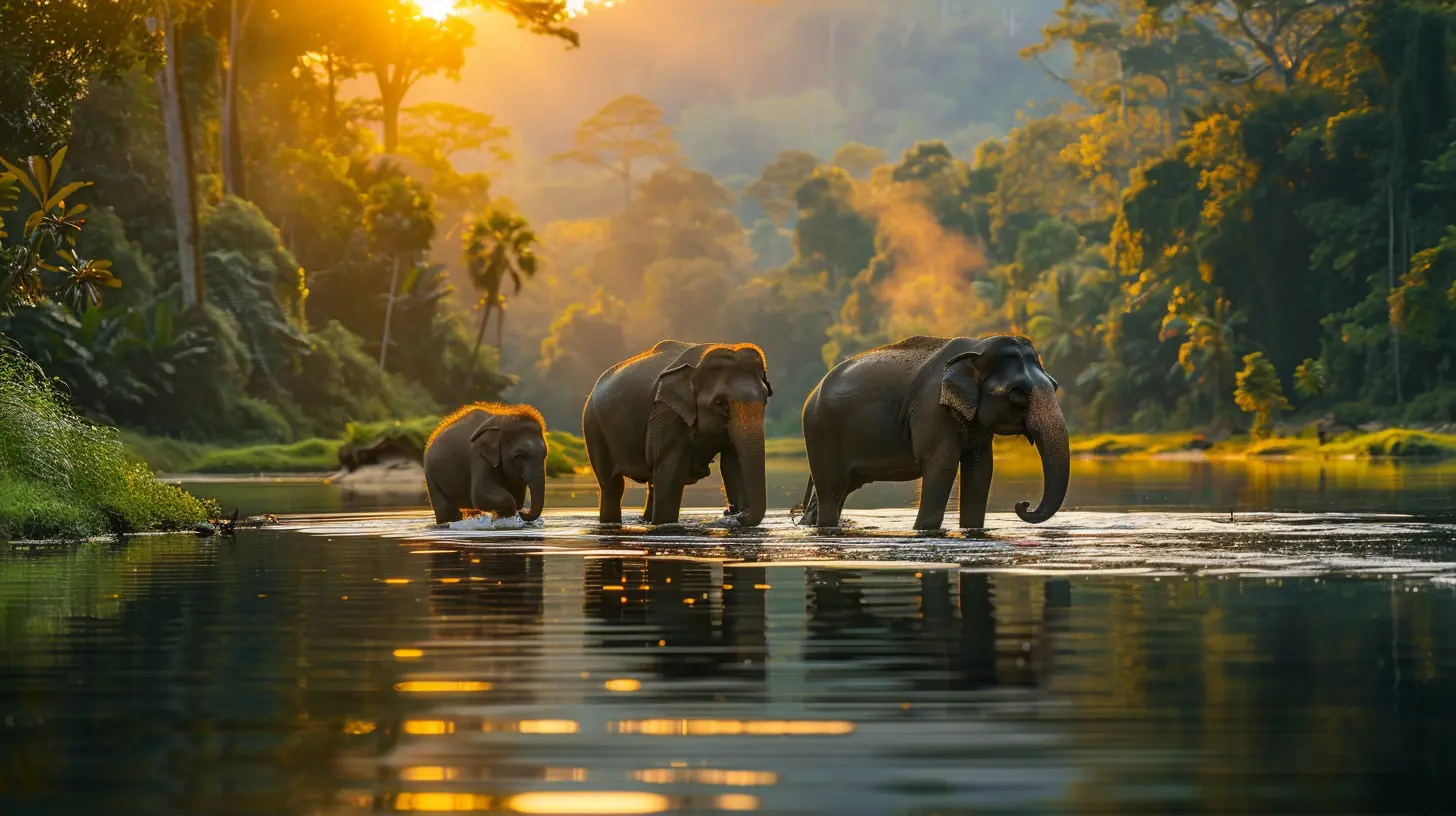
Why Responsible Wildlife Tourism Matters
Okay, here's the deal — tourism can be a powerful force for conservation, or it can be an absolute disaster for wildlife. It all depends on how we do it.When Tourism Goes Wrong...
Some tourist attractions, unfortunately, exploit animals for entertainment. Ever seen photos of tourists riding elephants or getting selfies with sedated tigers? Yeah, not cool. Those animals are often taken from the wild, mistreated, and live in terrible conditions just to serve human curiosity.But Done Right…
When done responsibly, wildlife tourism can:- Fund conservation efforts
- Support local communities
- Foster awareness and education
- Deter poaching and habitat destruction
The key is balance — seeing wildlife while ensuring they thrive long after we've gone home.
How to Choose Ethical Wildlife Experiences
Alright, so how do you know if an experience is wildlife-friendly? It’s not always obvious. But no worries — here are the green flags to look for.1. Wild Means WILD
This is the golden rule. If an animal can come and go as it pleases, it’s wild. If it’s chained, caged, or forced to interact with tourists — there's your first red flag.Legit wildlife tours will emphasize observation over interaction. You’re not there to play with the animals — you’re there to witness them in their world, on their terms.
2. Check the Credentials
Do some digging before booking. Look for companies that:- Are certified by eco-tourism bodies (like The Global Sustainable Tourism Council or Green Globe)
- Work with conservation NGOs
- Have trained, knowledgeable guides
- Limit group sizes to reduce human impact
3. No Selfies, Please
I get it — it’s tempting to snap a close-up with a wild animal. But if a tour offers guaranteed selfies or petting opportunities, it's probably not ethical. Real wildlife encounters are unpredictable — and that’s part of the magic.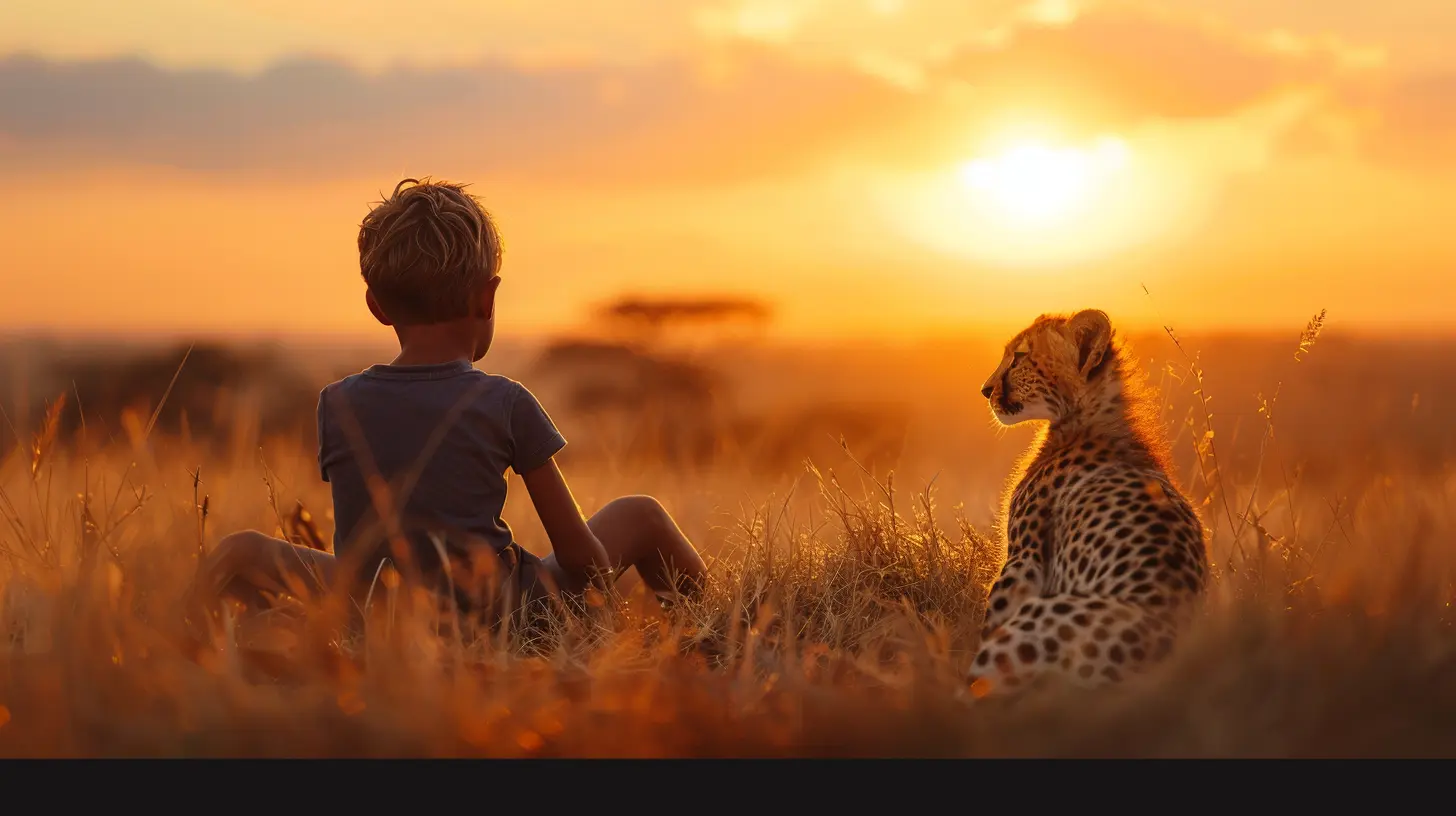
Responsible Wildlife Tourism Destinations (That Get It Right)
Now let’s talk about where to go if you want to see wildlife the right way. These destinations are killing it (figuratively, of course) with sustainable tourism.1. Costa Rica: Pura Vida with a Wild Twist
Costa Rica is like Disney World for nature lovers. Home to 5% of the world’s biodiversity, it’s packed with rainforests, toucans, monkeys, and sloths galore. But the best part? The country is a global leader in eco-tourism.Responsible experiences here include:
- Guided hikes through national parks like Corcovado or Monteverde
- Sea turtle nesting tours in Tortuguero (no touching!)
- Birdwatching tours with local naturalists
2. Kenya: Safari that Gives Back
Kenya is synonymous with safari, but not all game drives are created equal. Look for community-run conservancies like the Maasai Mara Conservancies, where tourism dollars go straight to local families and conservation.Wildlife you might see:
- Elephants, lions, cheetahs, rhinos (aka "The Big Five")
- Migrating wildebeest during the Great Migration
- Over 1,000 bird species!
3. Norway: Whale Watching with Respect
If you’re more into marine life, consider Norway for ethical whale watching. Companies in places like Tromsø work with marine biologists to ensure the safety of whales and dolphins.Tips for marine-based tourism:
- Choose boats that keep a respectful distance
- Avoid tours with loud motors or feeding
- Opt for smaller group sizes
4. Borneo: Rainforest Wild Encounters
Borneo is one of the few places left on Earth where you can still see orangutans in the wild. But their habitat is shrinking — fast. Visit eco-lodges and sanctuaries like Sepilok Orangutan Rehabilitation Centre, which prioritize ethical education and rehabilitation.You can also:
- Paddle through the Kinabatangan River to spot pygmy elephants
- Trek into the Danum Valley’s untouched rainforest
- Support local guides and conservation-focused lodges
Dos and Don’ts of Wildlife-Friendly Travel
Let’s make it ultra-clear with some good ol’ fashioned dos and don’ts.✅ Do:
- Book through reputable, conservation-focused operators- Keep your distance and use binoculars or zoom lenses
- Stay quiet and minimize your impact
- Follow leave-no-trace principles
- Educate yourself before you go
❌ Don’t:
- Ride, feed, or touch wild animals- Support captive animal attractions (unless they're true sanctuaries)
- Litter or leave food near wildlife
- Use flash photography
- Expect animals to perform
What About Wildlife Sanctuaries?
Not all sanctuaries are created equal. Some are legit safe havens for rescued animals. Others? Not so much — they profit off animals in captivity and label themselves as "rescues" to fool tourists.To tell the difference:
- Research how the animals got there
- Ask if the sanctuary allows breeding or performances (big no-no)
- See if they prioritize release into the wild (when possible)
The Role of Education in Wildlife Tourism
Here’s a nugget of truth: the more you know, the better traveler you become. Ethical wildlife tourism is as much about learning as it is about seeing.Many responsible tours include:
- Local ecological knowledge
- Conservation education
- Insights into animal behavior
That way, you don’t just come home with photos — you come back with a new perspective.
Supporting Conservation from Home
Can’t travel yet? No worries, you can still support wildlife responsibly from your couch.- Donate to trusted conservation organizations
- Follow wildlife protections on social media and share awareness
- Avoid buying animal-based souvenirs (think ivory or tortoise shell)
- Sign petitions that protect endangered species
Final Thoughts: Go Wild, Not Reckless
Seeing wild animals in their natural homes is one of the greatest thrills on Earth. But it's a privilege, not a right. We’ve got to do our part to ensure our awe and excitement don’t come at a cost to the animals we admire.So the next time you’re planning a trip, pause for a sec. Ask yourself: “Is this helping or hurting the wildlife?” If it’s the former — awesome. If it’s the latter — it’s time to choose better.
After all, wildlife-friendly tourism isn’t just the right way to travel — it’s the only way we can keep the wild truly wild.
all images in this post were generated using AI tools
Category:
Sustainable TourismAuthor:

Reed McFadden
Discussion
rate this article
2 comments
Dorothy Fisher
This article beautifully highlights the importance of wildlife-friendly tourism. It’s essential to prioritize responsible practices that respect animal habitats and promote conservation. By choosing ethical tours and supporting local communities, we can enhance our travel experiences while ensuring that wildlife thrives for future generations. A must-read for conscious travelers!
February 11, 2026 at 5:06 PM
Reed McFadden
Thank you for your thoughtful comment! I'm glad you found the article insightful and appreciate your commitment to responsible tourism. Together, we can make a positive impact on wildlife conservation.
Everett Pratt
Wildlife-friendly tourism isn't just a trend; it's a necessity. If you truly care about our planet, seek authentic experiences that prioritize animal welfare and conservation. Let’s redefine adventure—one where we respect wildlife and their habitats, ensuring future generations can also marvel at their beauty. Choose wisely!
January 17, 2026 at 4:50 PM
Reed McFadden
Absolutely! Wildlife-friendly tourism is essential for conserving our planet's biodiversity and ensuring future generations can enjoy the beauty of nature responsibly. Let's champion sustainable experiences together!