Why You Should Walk the West Highland Way in Scotland by 2026
11 September 2026
The West Highland Way is not just a walk. It is a 96-mile argument with your own legs, a running conversation with the Scottish weather, and one of the few long-distance trails in the world where you can start in a Glasgow suburb and finish at the foot of Britain's highest mountain. If you have been circling the idea for years, there is a practical case for putting a date on it and making that date no later than 2026. Not because the trail is disappearing, but because the conditions that make it work well are shifting, and the window for an easy, affordable, low-stress version of this walk is narrowing.
This article is not a brochure. It is a working guide for someone who wants to understand what the West Highland Way actually demands, where people go wrong, and why the next couple of years are a smart time to commit.
What the West Highland Way Actually Is
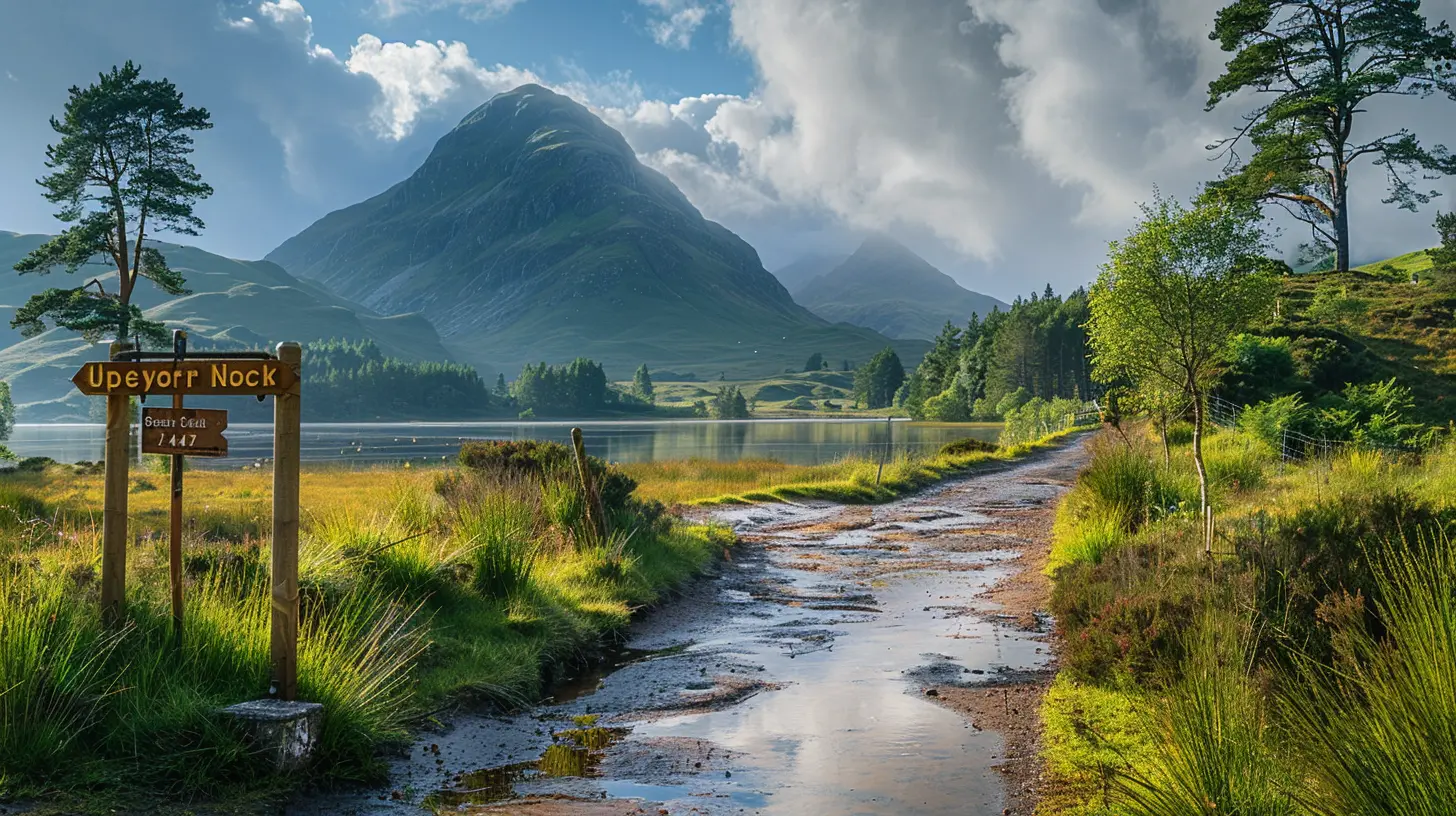
The route runs from Milngavie, on the northern edge of Glasgow, to Fort William in the Scottish Highlands. It was Scotland's first officially designated long-distance route, and it remains the most popular. Most people walk it south to north, which puts the prevailing wind at your back and saves the best scenery, the Mamore Lodge and the Devil's Staircase, for the final act.The trail passes through a remarkable variety of terrain in a relatively short distance:
- Lowland farmland and old railway beds in the early stages
- The eastern shore of Loch Lomond, which is often the slowest and most technical section
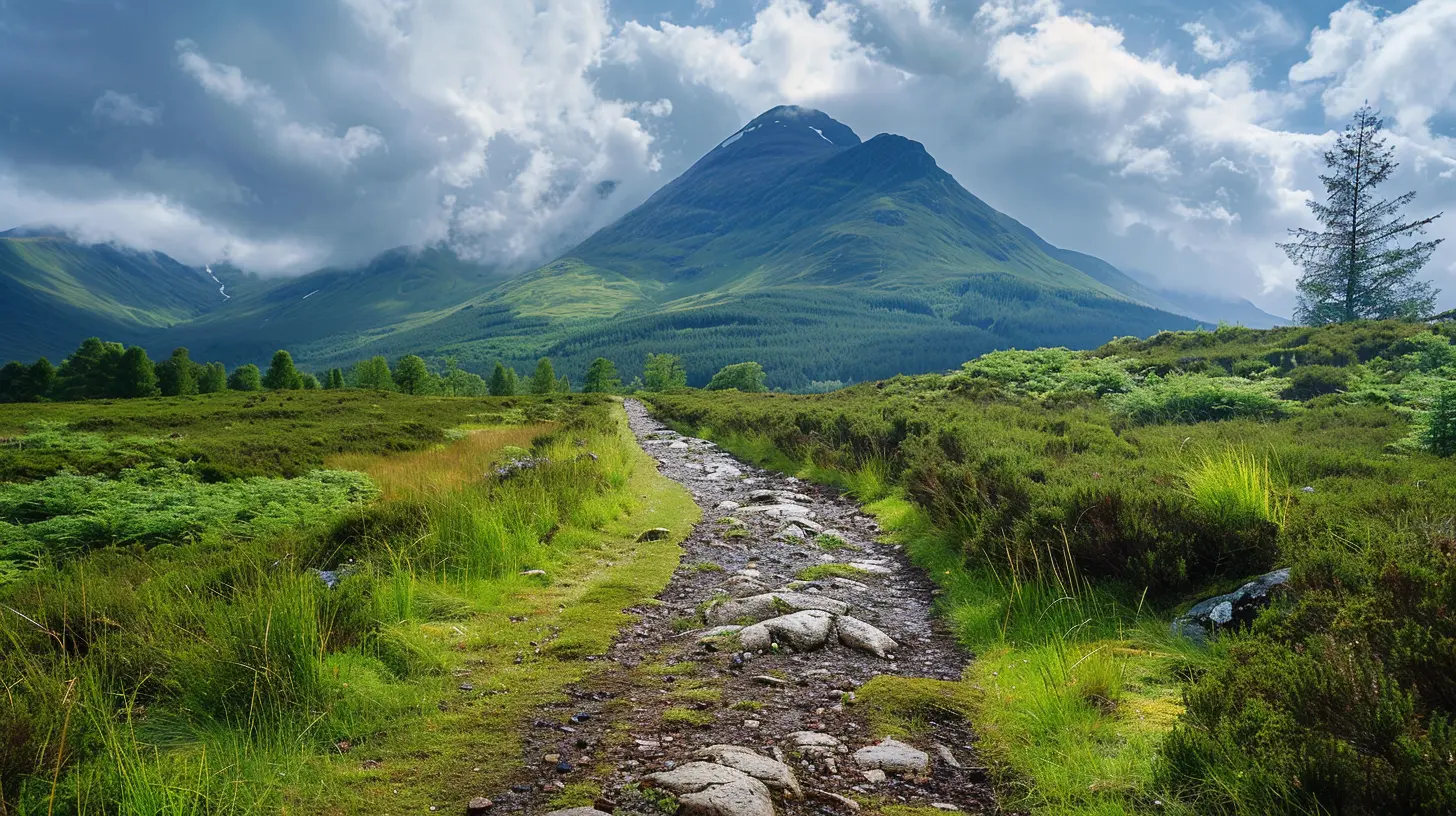
- Open moorland across Rannoch Moor, one of the last genuinely wild places in Britain
- The dramatic pass of Glencoe
- The long climb and descent around Kinlochleven
- The final push through Glen Nevis to Fort William
It is usually walked in six to eight days. Seven is the most common choice, and for good reason. Six days produces long, punishing stages that leave little room for bad weather or a turned ankle. Eight days feels generous until you factor in a rest day or a short day, which many walkers end up wanting.
Why 2026 Specifically
There is no single event that makes 2026 a deadline. The honest answer is that several slow trends are converging, and they all point the same direction.Accommodation pressure is real and getting worse. The West Highland Way runs through small villages with a limited number of beds. Places like Drymen, Balmaha, Rowardennan, Inveroran, and Kinlochleven have a handful of hotels, guesthouses, and bunkhouses. Demand has risen steadily, and the trail's popularity has grown faster than its bed capacity. Booking a full itinerary in peak season now requires months of lead time. In a few years, the squeeze will be tighter, prices higher, and the flexibility to shift dates or add a rest day will shrink further.
Wild camping rules have tightened. Camping management bylaws in Loch Lomond and the Trossachs National Park have restricted informal camping in some areas during the summer months. This does not ban wild camping on the Way, but it does mean the easy, spontaneous version of the trip, where you carry a tent and pitch wherever you finish, is less simple than it used to be. That trend is likely to continue rather than reverse.
Weather variability is increasing. Scotland has always been wet and changeable. What has changed is the frequency of extreme episodes: heavy rain events, sudden temperature swings, and wind that closes sections or makes them genuinely dangerous. Walking the Way in a year with a settled high-pressure window is a different experience from walking it in a year of Atlantic lows. You cannot plan the weather, but you can plan to walk while you are still fit enough to handle a bad week.
Personal fitness and life timing matter more than the calendar. The single most common reason people never walk the Way is not money or time. It is waiting for the perfect year. There is no perfect year. There is only a year when your knees, your schedule, and your savings line up. If that year is 2026, treat it as the target and work backward.
The Case for Walking It Rather Than Driving It
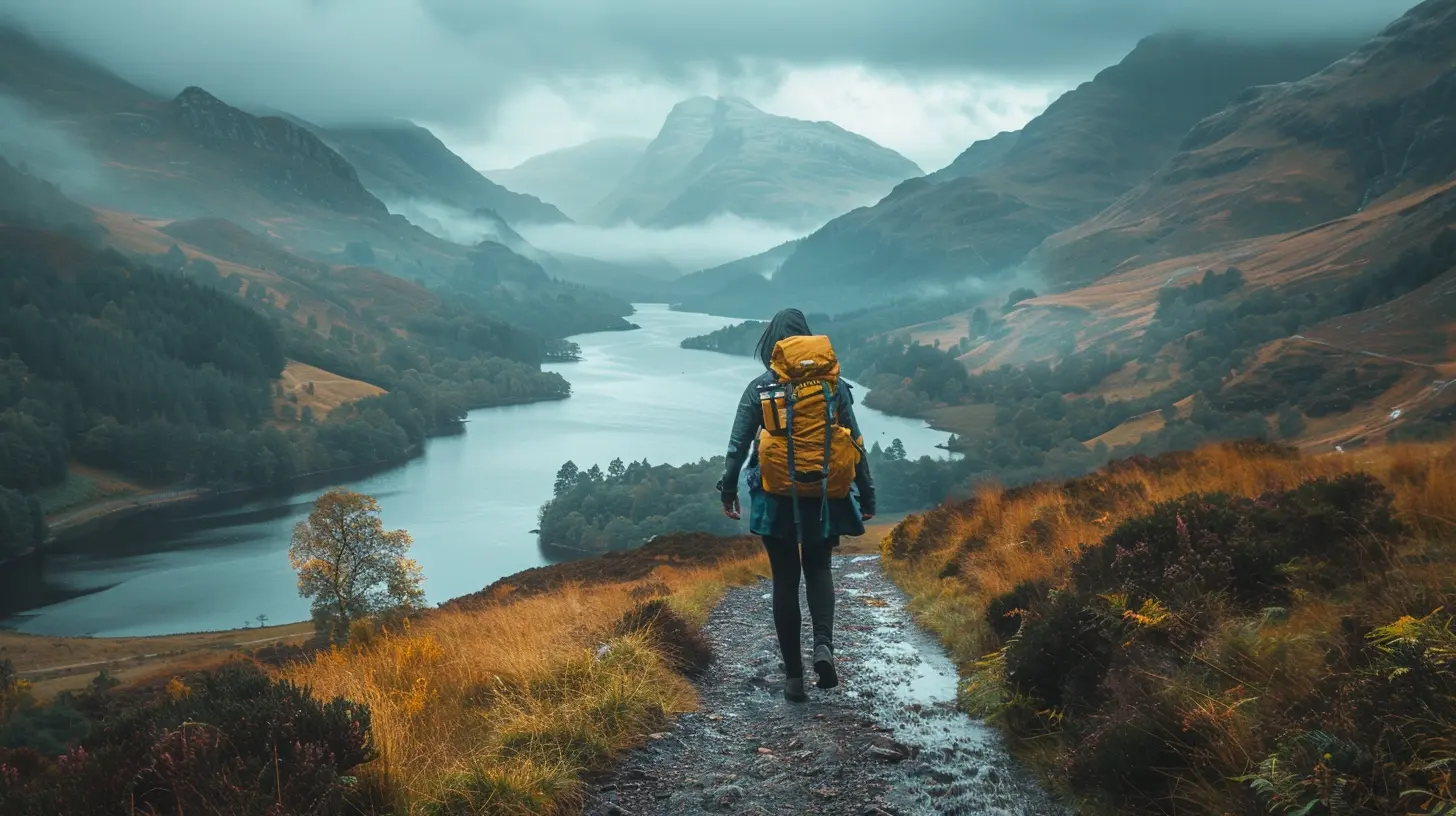
You can see much of the West Highland Way from a car. You can drive to Glencoe, park at the Three Sisters, and take a photograph that looks like the cover of a calendar. That is not the same thing.Walking the route changes your relationship with distance and scale. Rannoch Moor looks like a flat, empty expanse from the road. On foot, it is a slow, exposed crossing where the horizon keeps moving and the ground under your boots is a mix of bog, rock, and old military road. You feel the size of it. You earn the view.
There is also a social dimension that drivers miss. The West Highland Way has a distinct walking culture. You fall into loose company with the same faces over several days. You share weather reports, blister advice, and dinner tables. People who start as strangers often end up walking the final stage together into Fort William. That does not happen in a car.
What It Costs and Where the Money Goes
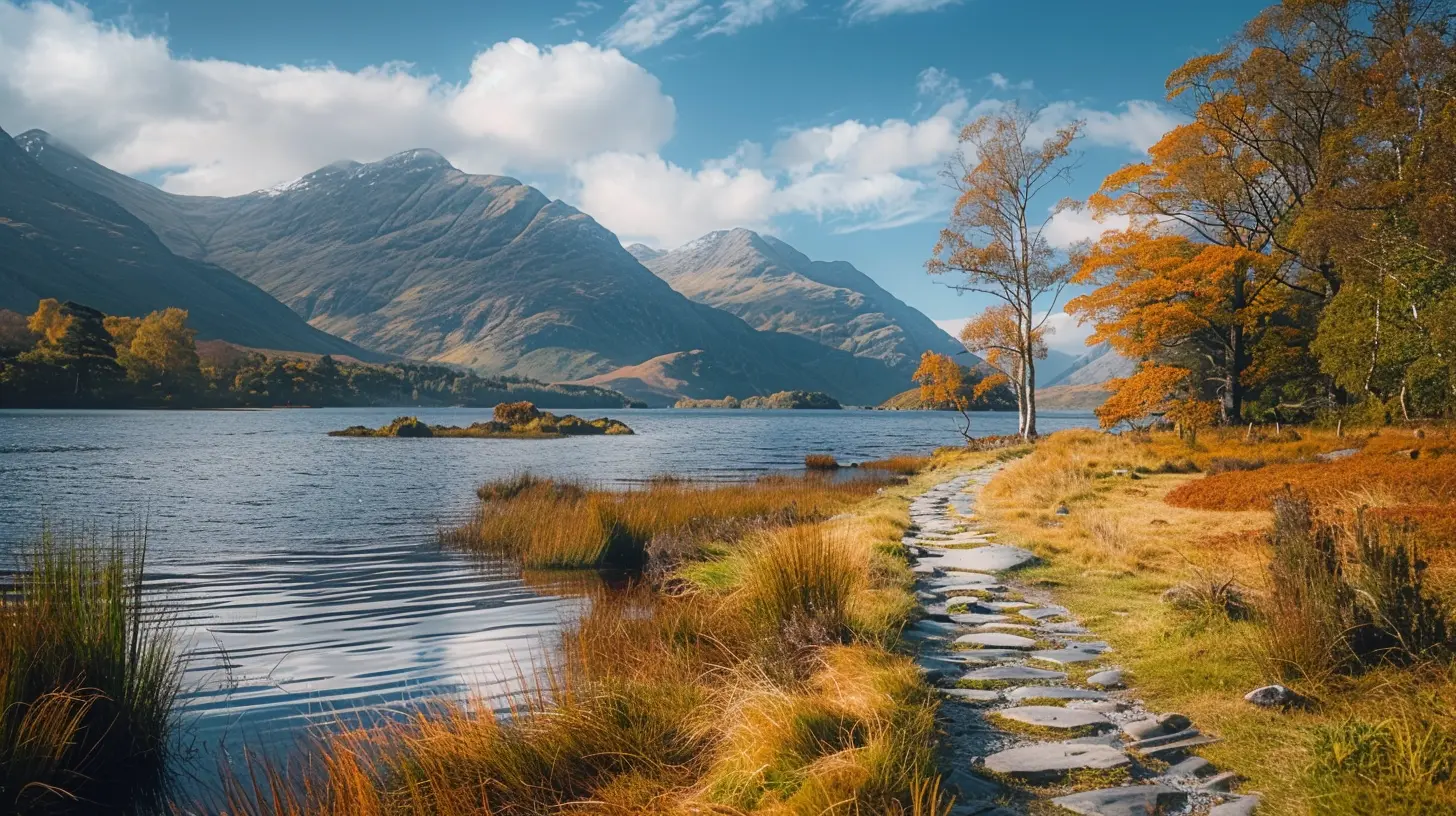
Budget is where most plans fall apart. The trail itself is free. Everything around it is not.A typical seven-day itinerary with indoor accommodation runs from roughly 60 to 120 pounds per person per night in guesthouses and small hotels, more in popular spots during peak season. Bunkhouses and hostels are cheaper, often 25 to 45 pounds. Camping, where permitted, is the cheapest option but adds weight and reduces comfort in wet weather.
Then there is luggage transfer. Many walkers pay a company to move a bag between overnight stops, which typically costs around 8 to 12 pounds per bag per day. Over seven days, that adds up. It is worth it for some and unnecessary for others. The trade-off is simple: carrying your own pack saves money and gives you total flexibility, but it makes long days harder and increases injury risk. If you have any doubt about your back or knees, pay for the transfer.
Travel to and from the trail matters too. Milngavie is easy to reach from Glasgow by train. Fort William has rail and bus connections, though the journey back to Glasgow or Edinburgh takes several hours. Build that into your schedule rather than treating it as an afterthought.
Common Mistakes That Ruin the Trip
Overestimating daily distance. The Loch Lomond section is the classic trap. It looks short on paper. In practice, the path is rooty, rocky, and slow, with constant small ascents and descents. Walkers who plan a 20-mile day here often finish in the dark, exhausted, and miserable. Plan shorter days for the first three stages, not longer ones.Underestimating the midges. From late May to early September, especially on still, damp evenings, midges can be genuinely unpleasant on the west coast. They are not dangerous, but they can ruin a campsite dinner. A head net, repellent, and a willingness to eat indoors are not signs of weakness.
Ignoring foot care until it is too late. Blisters end more West Highland Way walks than any other single factor. The fix is boring and effective: break in your boots properly, wear liner socks, stop and treat hot spots the moment you feel them, and do not push through pain on day two because you think it will toughen up. It will not.
Packing for a fantasy climate. Scotland in summer can be 20 degrees Celsius and sunny, or 8 degrees and horizontal rain. Often both on the same day. Cotton is a bad choice. A waterproof shell, a warm mid-layer, and spare dry socks matter more than a fancy camera.
Booking the whole trip without a buffer. Weather, injury, and transport delays happen. A rest day or a short day built into the middle of the itinerary is not laziness. It is insurance.
When the West Highland Way Is the Wrong Choice
Honesty matters here. The West Highland Way is not for everyone, and it is not the best first long-distance walk for every person.If you want solitude, this is not the trail for you in peak season. It is popular. You will see people every day, often many. If you want technical alpine terrain, this is not it either. The Way is a low-level route by Highland standards. The Devil's Staircase sounds dramatic but is a steady climb, not a scramble. If you want a walk where you can wing it without bookings, the accommodation reality makes that risky in summer.
If any of those are dealbreakers, consider alternatives. The Cape Wrath Trail is wilder and much harder. The Great Glen Way is easier and less scenic in parts. The Speyside Way is gentler and quieter. The West Highland Way sits in a specific middle ground: accessible, well-supported, genuinely beautiful, and busy.
How to Plan It Properly
Start with your dates, not your gear. Pick a window in late April to mid-May or September to early October if you want fewer people and fewer midges. Mid-May to mid-June is a strong compromise: longer days, reasonable weather, and manageable crowds. July and August are the busiest and the midgiest.Then decide your accommodation strategy. There are three broad approaches:
1. Full indoor itinerary. Book everything in advance. Most comfortable, least flexible, highest cost.
2. Mixed. Indoors most nights, one or two camping or bothy nights to break up the cost and add variety.
3. Mostly camping. Cheapest and most flexible, but heavier and more weather-dependent. Check current camping rules before you rely on wild pitches.
Once that is settled, build your training. You do not need to be an athlete, but you do need to be able to walk four to six hours on consecutive days with a pack. The best training is walking, ideally on uneven ground, in the boots you plan to wear. Gym work helps, but it does not replace time on your feet.
Finally, read the official route guidance and check it close to your departure. Path diversions, erosion repairs, and transport changes happen. A route that was straightforward two years ago may have a temporary closure now.
The Argument for Going Sooner Rather Than Later
There is a version of this trip that is easy, cheap, and spontaneous. That version is fading. Beds are tighter, rules are stricter, and the trail is more popular every year. The walk itself will still be there in 2030 and 2035. What may not be there is the version where you can book three weeks out, find a room, and walk without a firm plan.More importantly, the West Highland Way rewards a certain kind of fitness and a certain kind of openness. It is a walk best done when you can enjoy it, not when you are nursing a chronic injury or squeezing it into a week that is already too full. If 2026 is a year when you can give it seven or eight days and a bit of preparation, take it. The trail will not get easier to schedule.
all images in this post were generated using AI tools
Category:
Iconic RoutesAuthor:

Reed McFadden
Discussion
rate this article
2 comments
Alessia McClain
If you're looking for a delightful excuse to wear out your hiking boots and indulge in stunning landscapes, the West Highland Way is calling... and your legs will thank you!
October 8, 2026 at 4:27 AM
Eden McFee
Walking the West Highland Way is a transformative experience. The stunning landscapes and rich history are truly captivating. It offers not just physical challenge, but also a chance to connect with nature and oneself. Don't miss it.
September 11, 2026 at 3:16 PM
Reed McFadden
I completely agree! The West Highland Way really does offer a unique blend of beauty and self-discovery. It's an adventure worth taking.