The Iron Curtain Trail: Exploring the History and Landscape of Europe by 2027
16 September 2026
The Iron Curtain Trail, known officially as EuroVelo 13, is one of the most ambitious long-distance cycling routes in the world. It stretches roughly 10,000 kilometers from the Barents Sea in the far north to the Black Sea in the south, tracing the former border that divided Europe during the Cold War. For travelers, it offers something rare: a journey where political history and physical landscape are inseparable. You do not simply ride through scenery. You ride along the line where an ideology once hardened into barbed wire, watchtowers, and concrete.
The route has been developed over many years by national governments, regional authorities, and cycling organizations, coordinated in part by the European Cyclists' Federation. Its completion target of 2027 reflects the scale of the project. Some sections are fully signed and paved. Others remain rough, incomplete, or difficult to follow. That uneven development is itself part of the story, and understanding it will shape whether your trip is rewarding or frustrating.
What the Iron Curtain Trail Actually Is
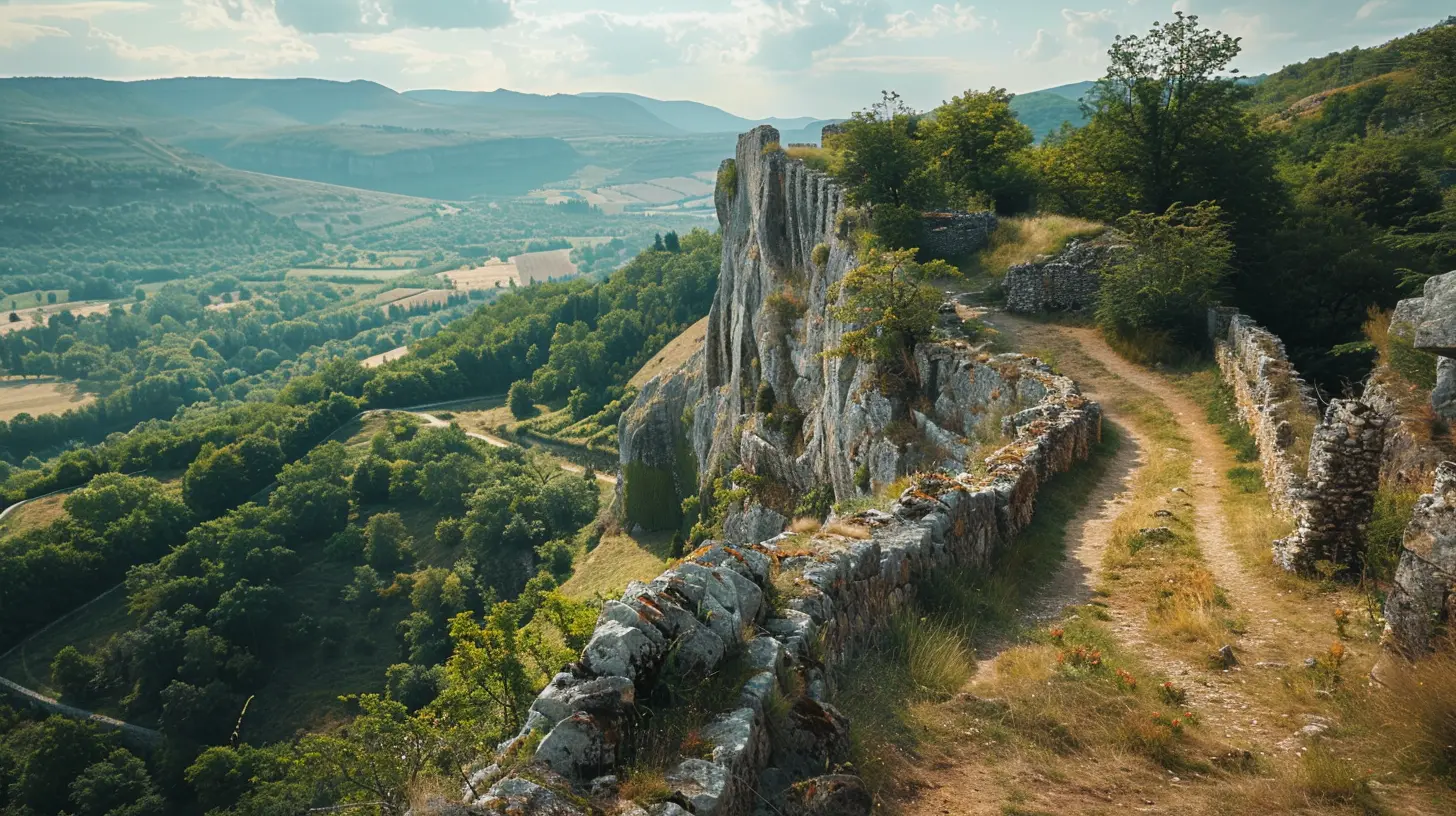
EuroVelo 13 follows the western side of the former Iron Curtain for most of its length. It passes through Norway, Finland, Russia (in the Kaliningrad region and along the Baltic coast), Estonia, Latvia, Lithuania, Poland, Germany, the Czech Republic, Austria, Slovakia, Hungary, Slovenia, Croatia, and Serbia, ending near the Black Sea. The exact routing has shifted over time, and some segments cross borders multiple times.The idea behind the route is not just recreation. It is remembrance. The Iron Curtain was a physical and ideological barrier that split families, towns, and entire regions. Cycling along it forces a slower pace, which suits the subject matter. You notice the abandoned watchtowers, the memorial crosses, the villages that were emptied, and the forests that grew back over no-man's-land.
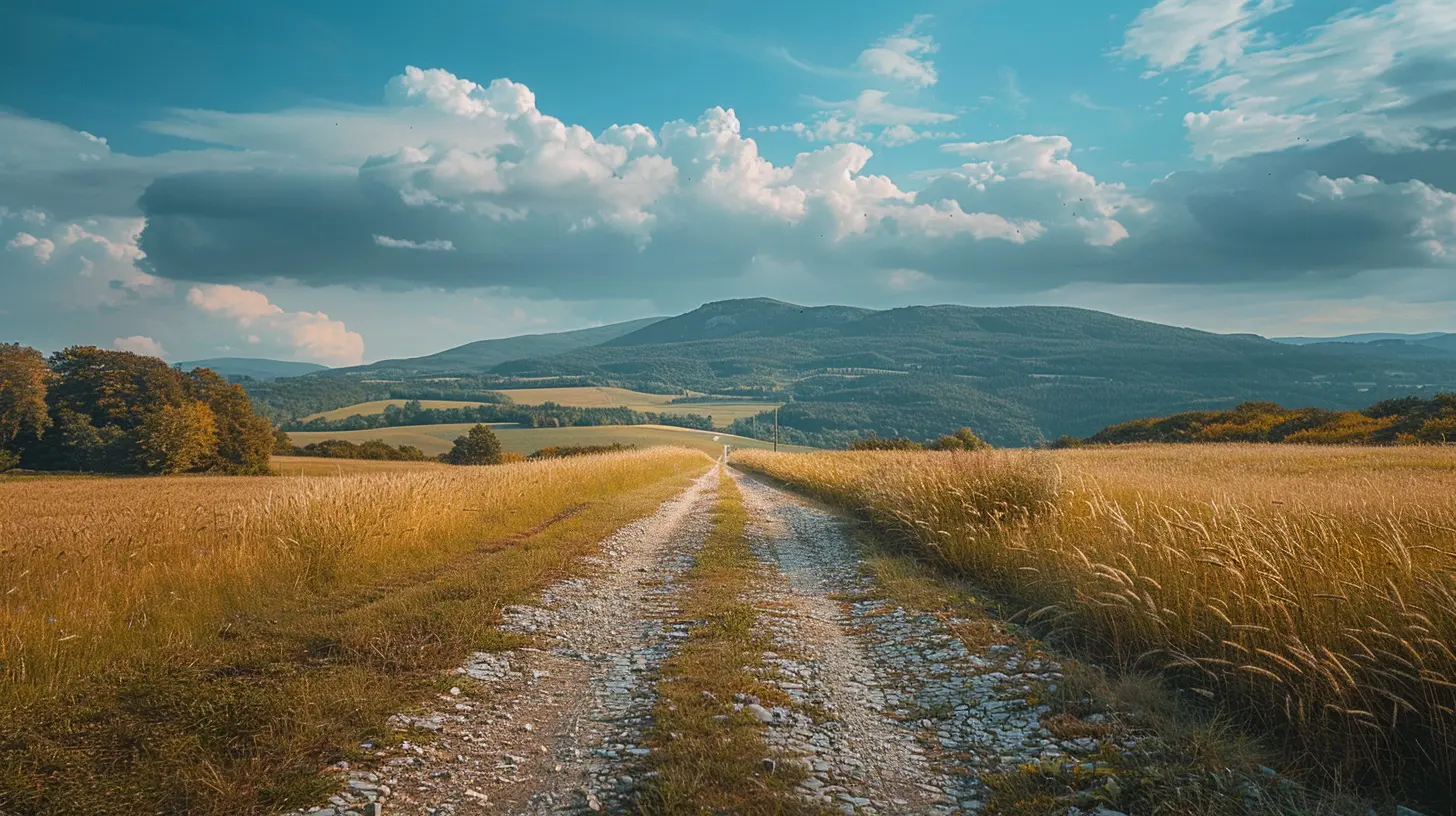
It is important to be clear about one thing. The trail is not a single continuous, perfectly maintained path. In some countries it uses existing cycle paths, quiet country roads, and forest tracks. In others it follows gravel roads or unpaved embankments. This variation is both a challenge and an attraction. If you expect a smooth, uniform route like a typical river cycle path, you will be disappointed. If you accept the unevenness, you will experience a Europe that few tourists see.
Why the 2027 Target Matters
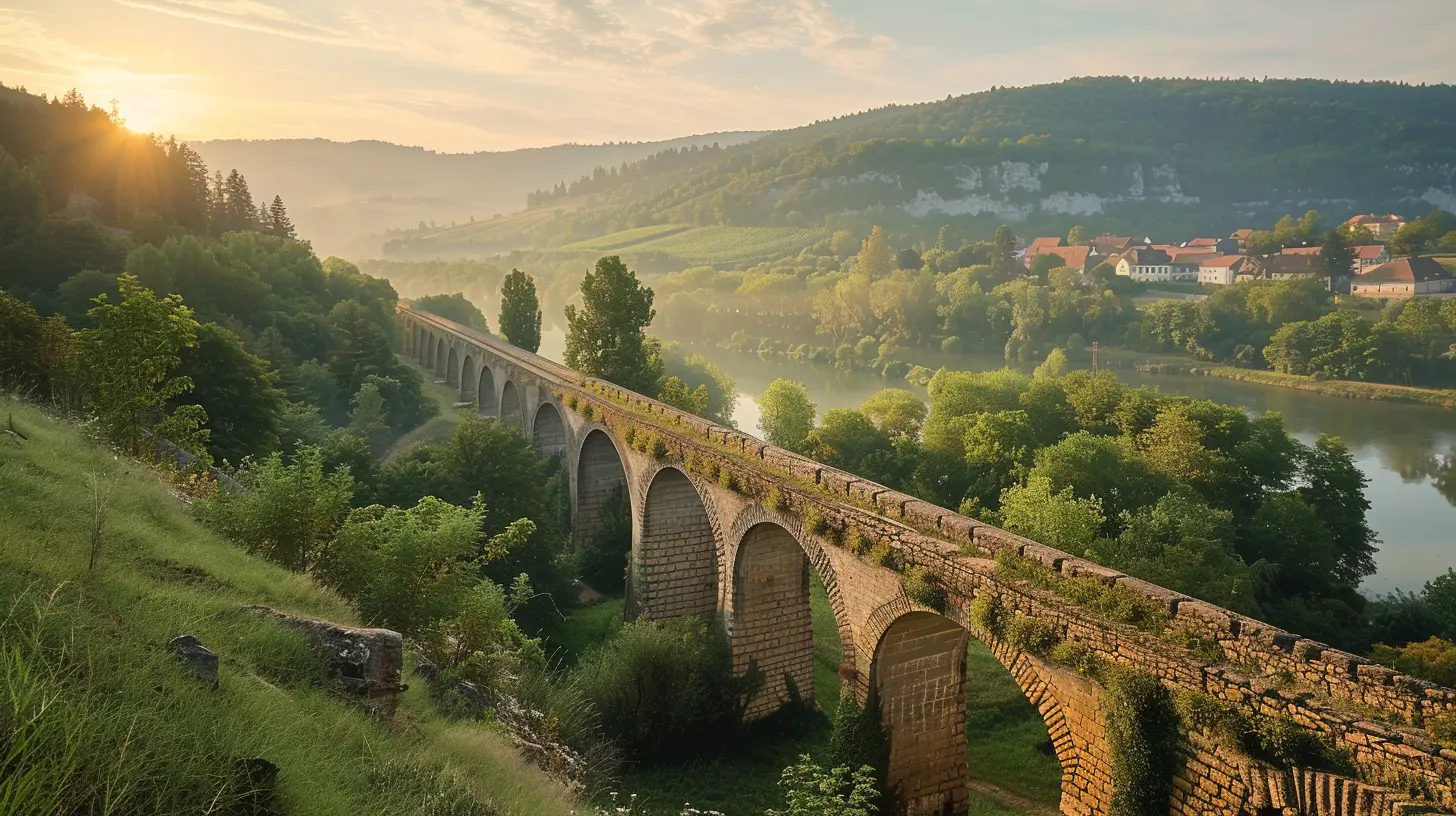
The 2027 completion goal is a coordination deadline, not a guarantee that every meter will be perfect. Several countries have made significant progress. Germany has invested heavily in the Green Belt, a nature conservation project that runs along the former inner-German border. The Baltic states have developed long sections through national parks and coastal areas. Austria, Slovakia, and Hungary have linked their segments to existing Danube and border cycling networks.At the same time, some sections remain problematic. Parts of the route in the Balkans are still being planned or negotiated. In a few places, the official GPS tracks may not match what you find on the ground. Local signage can be inconsistent, especially in remote areas. The 2027 target is best understood as a political and organizational milestone, not a promise of flawless infrastructure.
For travelers planning a trip before or around 2027, this means you should verify conditions close to your departure date. Check national EuroVelo 13 websites, local cycling forums, and recent trip reports. Do not rely solely on older guidebooks or outdated GPX files.
The Landscape: From Arctic Coast to Balkan Hills
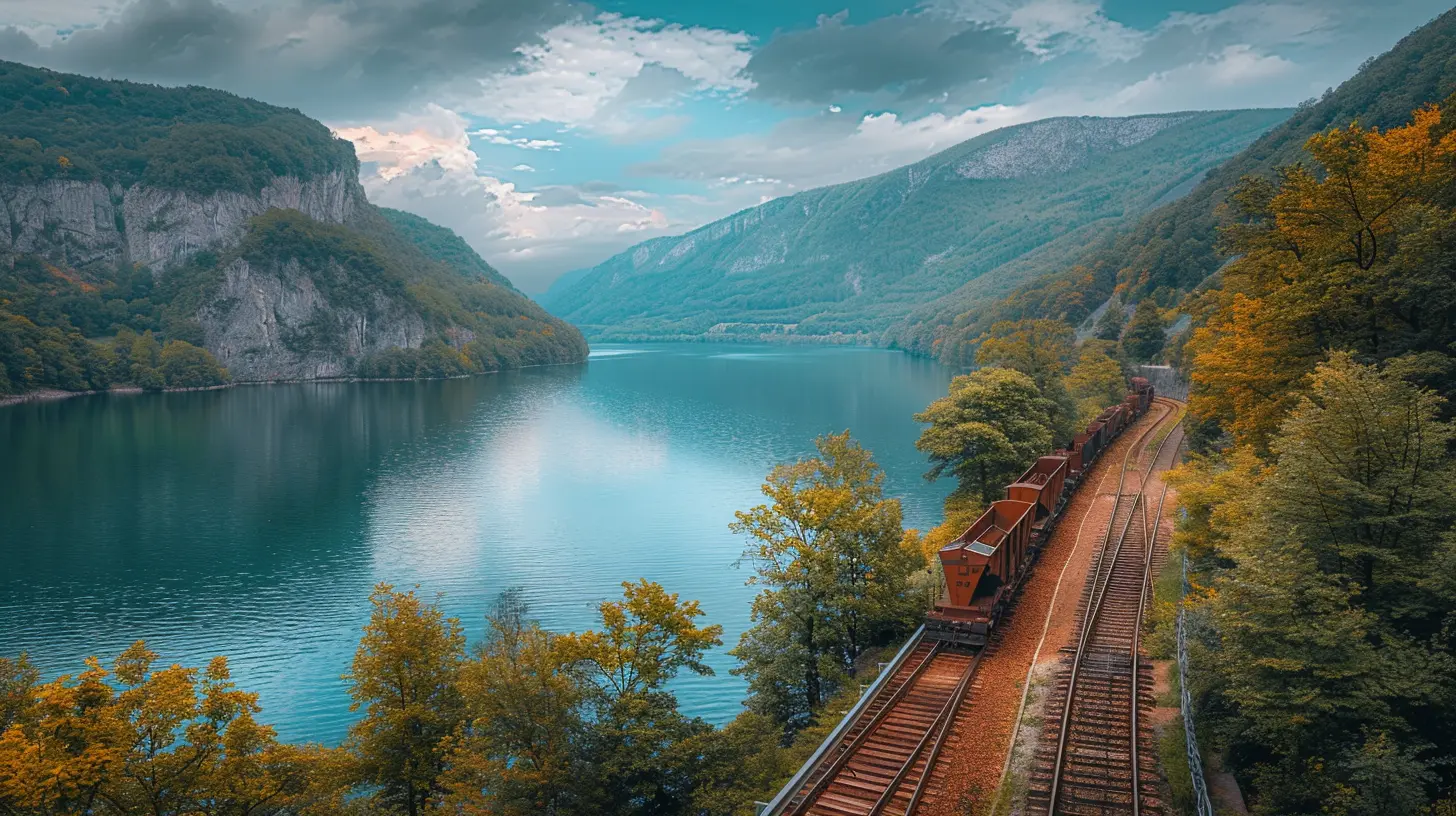
The route crosses an extraordinary range of landscapes. In the far north, you ride through Arctic tundra and boreal forest in Norway and Finland. The light is strange, the distances are vast, and the weather can change within an hour. This section demands preparation and self-reliance. Services are sparse, and wild camping may be your only option for long stretches.Moving south, the route enters the Baltic region. Estonia, Latvia, and Lithuania offer a mix of coastal dunes, pine forests, and flat agricultural land. The history here is layered. You pass Soviet-era military bases, former collective farms, and memorials to deportations. The terrain is generally gentle, which makes this a good section for less experienced cyclists.
Central Europe brings the most iconic sections. The German Green Belt is a narrow strip of protected nature that once was the death strip. Because it was off-limits for decades, it became a refuge for rare plants and animals. Today you can cycle through it on well-marked paths, passing preserved watchtowers, museums, and border memorials. The Czech-Austrian and Austrian-Slovak borders offer hilly terrain, vineyards, and medieval towns.
The southern end, through Hungary, Croatia, and Serbia, is warmer, more rugged, and in places less developed for tourism. You encounter rolling hills, river valleys, and the approach to the Black Sea. This section rewards cyclists who are comfortable with uncertainty and who do not mind occasional rough surfaces.
Practical Planning: Route, Bike, and Gear
The first decision is how much of the route you want to ride. Few people complete all 10,000 kilometers in one trip. Most choose a section: the German Green Belt, the Baltic coast, or the Balkan south. This is sensible. It allows you to focus on one region's history and landscape rather than rushing through.Your bike choice matters more than you might expect. A standard touring bike with wide tires, ideally 35 to 50 millimeters, handles most surfaces. A gravel bike works well on the unpaved sections. A road bike with narrow tires is a poor choice, because you will encounter gravel, dirt, and broken pavement. If you plan to ride the northern or southern extremes, consider a bike that can carry enough water and supplies for long days.
Navigation is another key issue. The route is signed in many areas, but not everywhere. Carry a GPS device or a smartphone with offline maps and the official EuroVelo 13 GPX tracks. Paper maps are useful as a backup. In remote sections, especially in the Balkans and the north, do not assume you will have mobile signal.
Accommodation varies widely. In Germany, Austria, and the Baltic states, you will find guesthouses, hotels, and campsites. In parts of Poland, Slovakia, and the Balkans, options are thinner. Wild camping is legal or tolerated in some countries, such as Norway and Finland, but restricted in others. Always check local rules. Even where wild camping is allowed, leave no trace.
Common Mistakes and Misconceptions
One common mistake is underestimating the route's difficulty. The Iron Curtain Trail is not flat. Even in the Baltic region, you face headwinds and long days. In the south, you climb. Another mistake is assuming that the route is entirely safe and well-monitored. In some border regions, especially outside the European Union, you may encounter stray dogs, poor road conditions, or unclear border crossings. Research each country's entry requirements and current security situation.A frequent misconception is that the trail is only about the Cold War. It is also about nature. The Green Belt is one of Europe's most important ecological corridors. You will see rare birds, orchids, and mammals that thrive because humans stayed away. This dual identity, history and ecology, is what makes the route special.
Another misconception is that you need to be an expert cyclist. You do not. But you do need to be honest about your fitness and experience. A 60-kilometer day on gravel with hills is very different from a 60-kilometer day on a paved river path. Build in rest days. Start with shorter distances. Test your gear on a weekend trip before committing to a long tour.
When to Go and What to Expect
Timing shapes the experience. Summer offers long daylight hours in the north and warm weather in the south, but it also brings crowds in popular areas like the German Green Belt and the Baltic coast. Spring and early autumn are quieter, but weather can be unpredictable. In the far north, winter makes the route impractical for most cyclists.If you want to ride the entire route, you would need several months. Most people ride it in sections over multiple years. This is not a failure. It is a sensible way to appreciate what you are seeing. The history of the Iron Curtain is heavy, and rushing through it does not serve the subject.
The Human Side: Memorials, Museums, and Meetings
Along the route, you will find museums dedicated to the border, preserved watchtowers, and memorial sites. Some are small and local, run by volunteers. Others are large and professional. Talking to local people often reveals more than any exhibit. Many families have stories of separation, escape, or loss. Listening to those stories is part of the journey.In some towns, you will see signs of reconciliation. Former border crossings are now meeting places. Cycling groups from both sides ride together. This is not sentimental. It is a practical reminder that borders can change and that landscapes can heal.
Final Advice for the Road
Plan your section carefully. Check current conditions. Carry the right gear. Be prepared for rough surfaces and long days. Respect local rules and local people. And give yourself permission to slow down. The Iron Curtain Trail is not a race. It is a long, quiet conversation with Europe's past and present. By 2027, more of it will be ready. But even now, it offers a journey that few other routes can match.
all images in this post were generated using AI tools
Category:
Iconic RoutesAuthor:

Reed McFadden