Why a Smile Isn’t Always Universal: Cultural Etiquette Around Facial Expressions
27 July 2026
Smiling is the universal sign of happiness, right? Well… not exactly. While a grin might be a warm welcome in one country, it could be met with confusion—or even suspicion—in another. Facial expressions, especially smiles, aren’t as straightforward as you might think.
So, before you flash those pearly whites on your next adventure, let’s dive into the fascinating world of cultural etiquette surrounding facial expressions. Trust me, it could save you from some seriously awkward encounters! 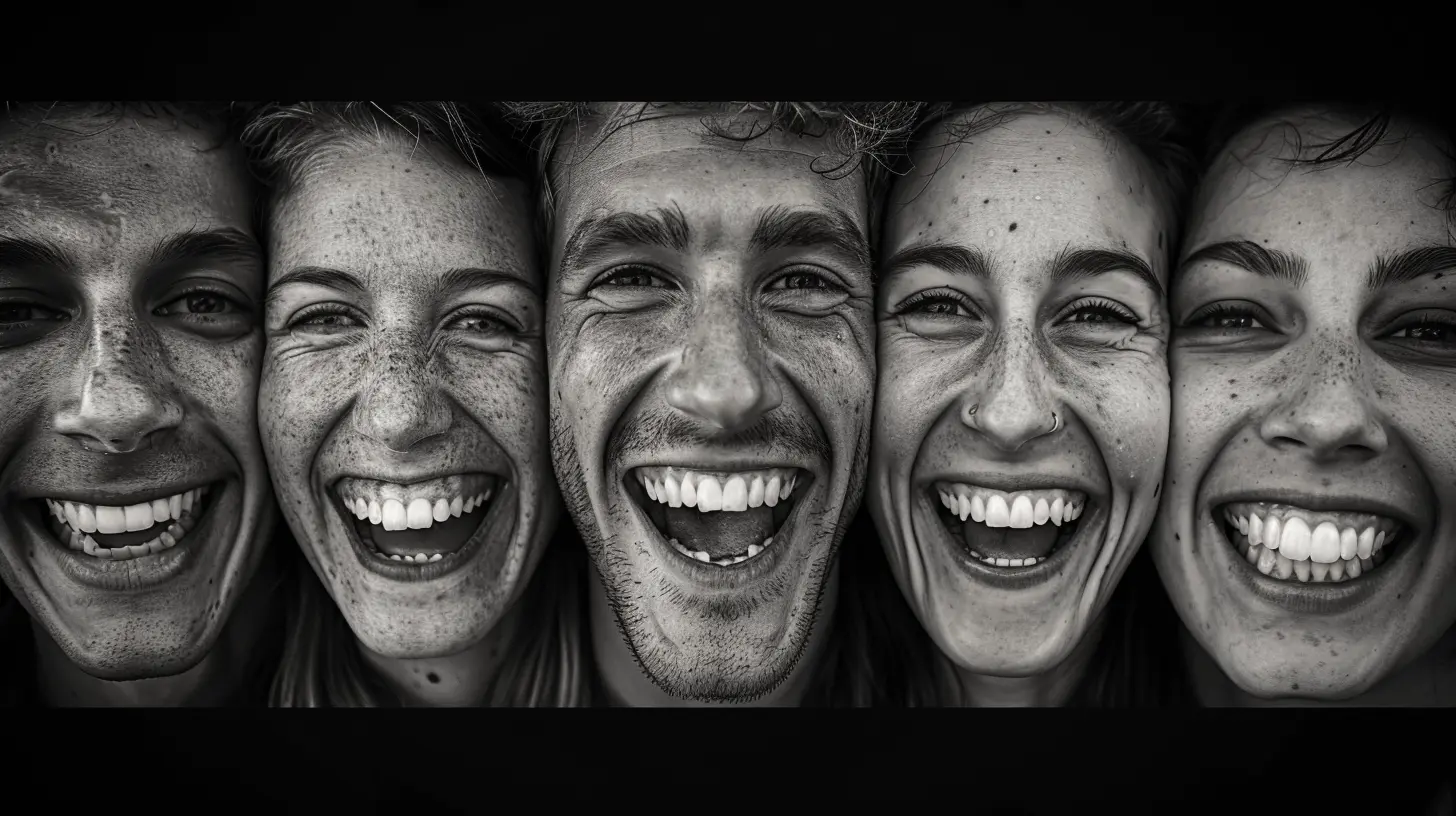
The Misconception of the Universal Smile
Most of us grow up believing a smile is a universally positive gesture. And sure, in many Western countries, smiling is often associated with friendliness, politeness, and approachability.But here’s the catch—what a smile "means" isn't the same everywhere. In some cultures, a smile can suggest embarrassment, discomfort, or even deception. Yup, you read that right! In certain parts of the world, people might not trust someone who smiles too much.
The Science Behind Smiling
Before we jump into cultural differences, let’s take a quick look at the science of smiling.Smiling is largely controlled by the facial feedback hypothesis, which suggests that moving our facial muscles into a smile actually makes us feel happier. That’s why forcing a smile can sometimes trick your brain into beating the blues.
But while the act of smiling is biological, the interpretation of a smile is heavily influenced by culture. This is where things start to get tricky. 
How Different Cultures Interpret Smiling
1. The Western Perspective: Smiling = Friendliness
In countries like the United States, Canada, and Australia, smiling is seen as a sign of warmth and approachability. A stranger making eye contact and smiling at you? Totally normal.In fact, "smile culture" is so embedded in Western societies that service workers are often encouraged (or even required) to smile when interacting with customers. The idea is that smiling makes people feel comfortable and welcome.
But not everyone sees it this way…
2. Eastern Europe & Russia: Smiling Can Be Suspicious
Ever heard the phrase "Russians never smile"? Well, that’s not exactly true, but there’s a reason behind the stereotype.In Russia, Ukraine, and many Eastern European countries, smiling at strangers can actually be perceived as insincere, suspicious, or even foolish. A random grin directed at someone on the street might make them think:
"What does this person want from me?"
In these cultures, smiles are typically reserved for genuine emotions rather than casual politeness. So if a Russian smiles at you, it’s probably because they mean it!
3. Japan: The Polite, Subtle Smile
Japan has a unique relationship with smiling. While the Japanese do smile often, their smiles don’t always signal happiness. In fact, smiling can sometimes be used to mask discomfort, embarrassment, or even sadness.For example, if a Japanese person is in an awkward or unpleasant situation, they might smile to avoid conflict or maintain harmony—a concept deeply rooted in Japanese culture known as wa (和).
Additionally, in formal situations, excessive smiling can come across as unprofessional or unserious. So, if you ever find yourself in a business meeting in Tokyo, it’s best to keep your grin in check.
4. China: Smiling Can Indicate Discomfort
Similar to Japan, in China, smiling isn't always a sign of happiness. Chinese people sometimes smile in situations that Westerners might find surprising—such as when they’re embarrassed or uncomfortable.If, for example, someone in China receives bad news or makes a mistake, they might smile as a way to soften the tension. This can be quite confusing for foreigners who expect smiles to always mean joy.
5. The Philippines & Thailand: The "Smile Capital" of the World?
They don’t call Thailand the "Land of Smiles" for nothing! In Thailand and the Philippines, smiling is deeply ingrained in daily interactions.People in these countries smile for a variety of reasons—happiness, politeness, gratitude, and even when apologizing. So if you're visiting, expect to see a lot of smiling faces.
However, just like in Japan and China, not all smiles here convey happiness. Some are meant to diffuse tension or hide embarrassment—so context is key!
6. Middle Eastern & Some African Cultures: Smiling Can Be Contextual
In parts of the Middle East and North Africa, smiling can sometimes be seen as a sign of weakness or naivety, especially in formal or business settings.That said, in more social or family-oriented situations, smiles are welcomed and encouraged. The key here is knowing when and where it's appropriate.
Similarly, in some African cultures, smiling at an authority figure or stranger can be interpreted as a lack of seriousness or even disrespect. In professional settings, maintaining a neutral facial expression is often preferred. 
How to Navigate Cultural Differences in Facial Expressions
So, now that we’ve established that a smile isn’t always universal, how can you make sure you don’t unintentionally offend someone with your grin?Here are some tips:
1. Observe First, Smile Second
When traveling to a new country, take some time to observe how locals interact. If people aren’t smiling at strangers, you might want to adjust your approach.2. Match the Mood
If you're in a formal setting (like a business meeting), it's better to follow the lead of others. Smile when appropriate, but don’t overdo it.3. Use Other Cues
A smile alone isn’t always enough. Body language, tone of voice, and eye contact can all play a role in ensuring that your intentions are understood.4. Don’t Take It Personally
If someone doesn’t smile back at you, don’t assume they’re being rude. It might just be a cultural difference, not an indication that they don’t like you!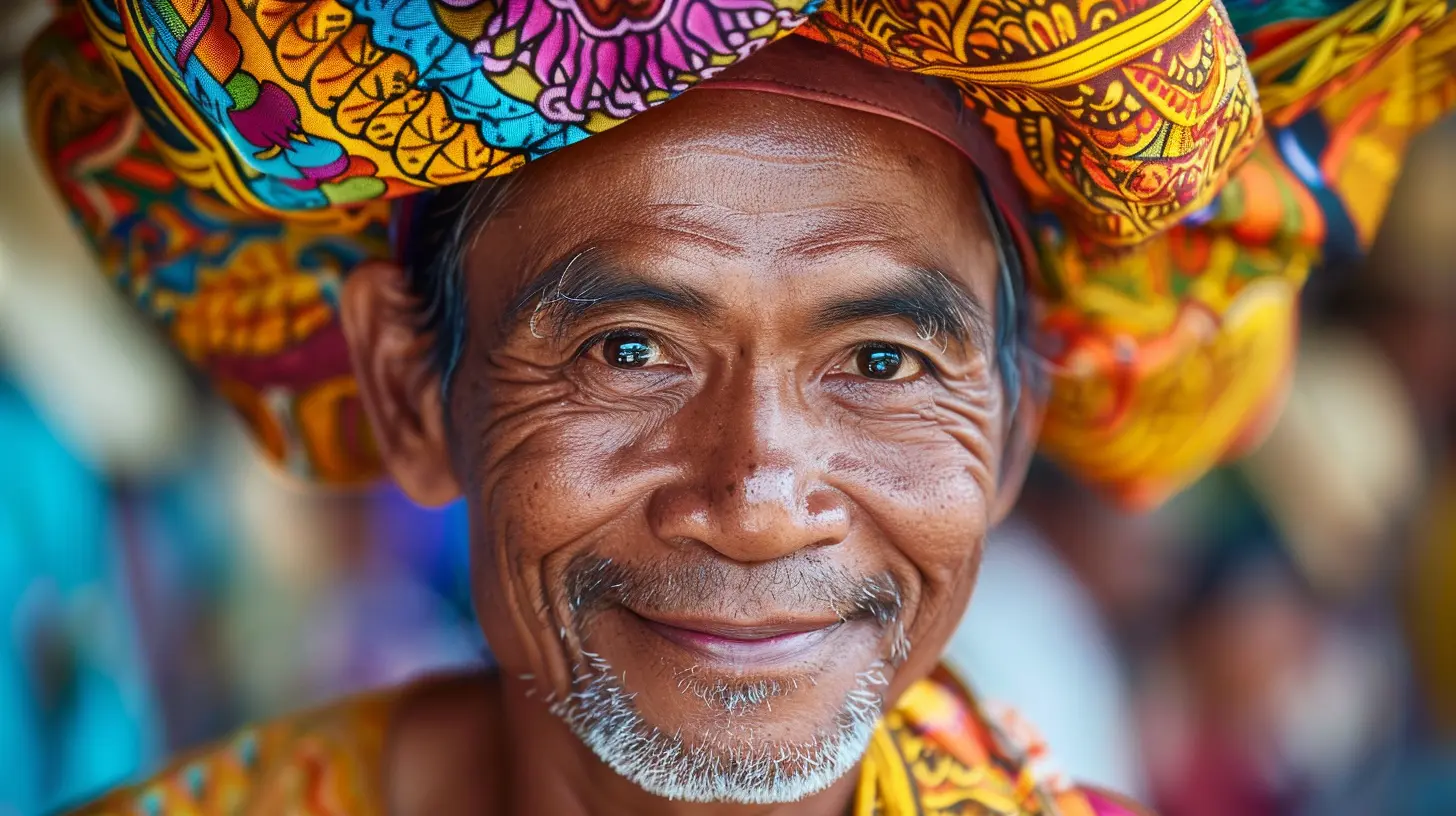
The Power of Understanding Facial Expressions
At the end of the day, communication is about connection, and understanding cultural nuances can go a long way in helping you bond with people from different backgrounds.So, the next time you travel, keep in mind that your friendly smile might not always be interpreted the way you expect. But with a little awareness and cultural sensitivity, you’ll navigate these differences like a pro.
And if you ever find yourself in a tricky situation? Just remember—sometimes, a neutral expression speaks louder than a smile!
all images in this post were generated using AI tools
Category:
Cultural EtiquetteAuthor:

Reed McFadden
Discussion
rate this article
1 comments
Adria McAndrews
Embrace the beauty of diverse expressions; understanding enriches our travel experiences.
September 12, 2026 at 3:18 AM