Packing List to Stay Comfortable on Long Flights in 2026
23 September 2026
A ten hour flight is not a test of endurance. It is a test of preparation. The passengers who step off a long haul flight looking rested and calm are rarely tougher than everyone else. They simply packed better. They thought about the dry cabin air, the cramped seat, the strange sleep schedule, and the cold that creeps in around hour six. Then they did something about it before they ever reached the airport.
This guide walks through a complete packing list for staying comfortable on long flights in 2026, but it does more than hand you a list. It explains why each item earns its place in your bag, when it makes sense to bring it, and when you are better off leaving it at home. By the end, you should be able to build a kit that fits your body, your route, and your travel style, not someone else's.
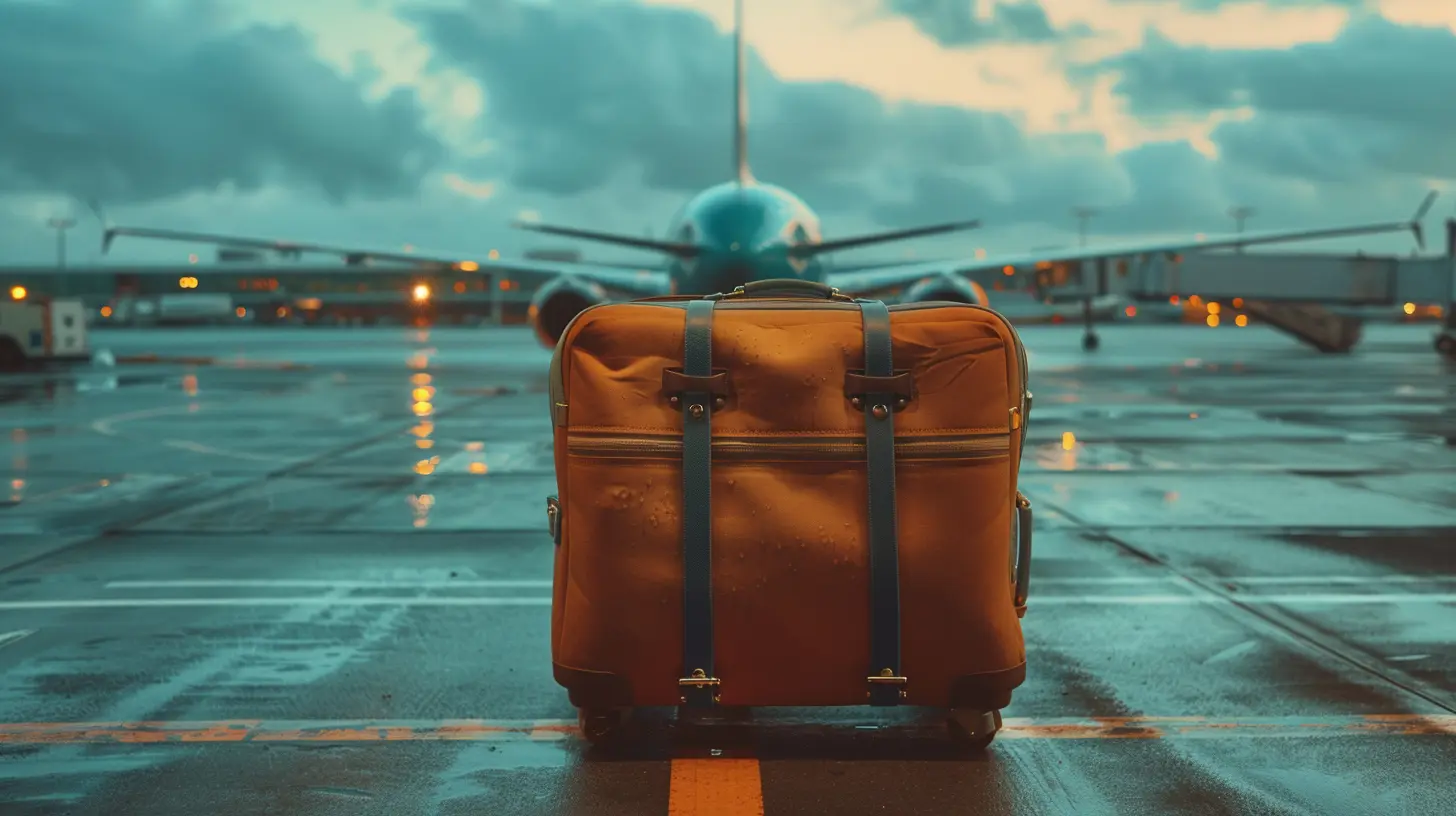
Why Long Flights Feel So Rough
Before packing anything, it helps to understand what you are actually fighting against. A long flight throws several stressors at your body at once, and each one has a packing solution.Cabin air is dry. Humidity on many aircraft sits well below what your skin and airways are used to, which is why your eyes sting, your throat scratches, and your nose feels like sandpaper by the time you land. Cabin pressure is also lower than what you feel at sea level, which mildly expands trapped gas in your body and makes dehydration hit harder. Add the fact that you are sitting still for hours, often in a seat that reclines just a few inches, and you have a recipe for swollen ankles, stiff joints, and a foggy head.
Temperature is another factor people underestimate. Cabins are often kept cool, and the air blowing near the floor can make your feet and legs cold even if your torso feels fine. Blankets are sometimes provided, sometimes not, and on many carriers they are thinner than a bedsheet.
None of this is dangerous for most healthy travelers, but all of it is uncomfortable. The right packing list is really a set of small countermeasures, each one targeting a specific problem.
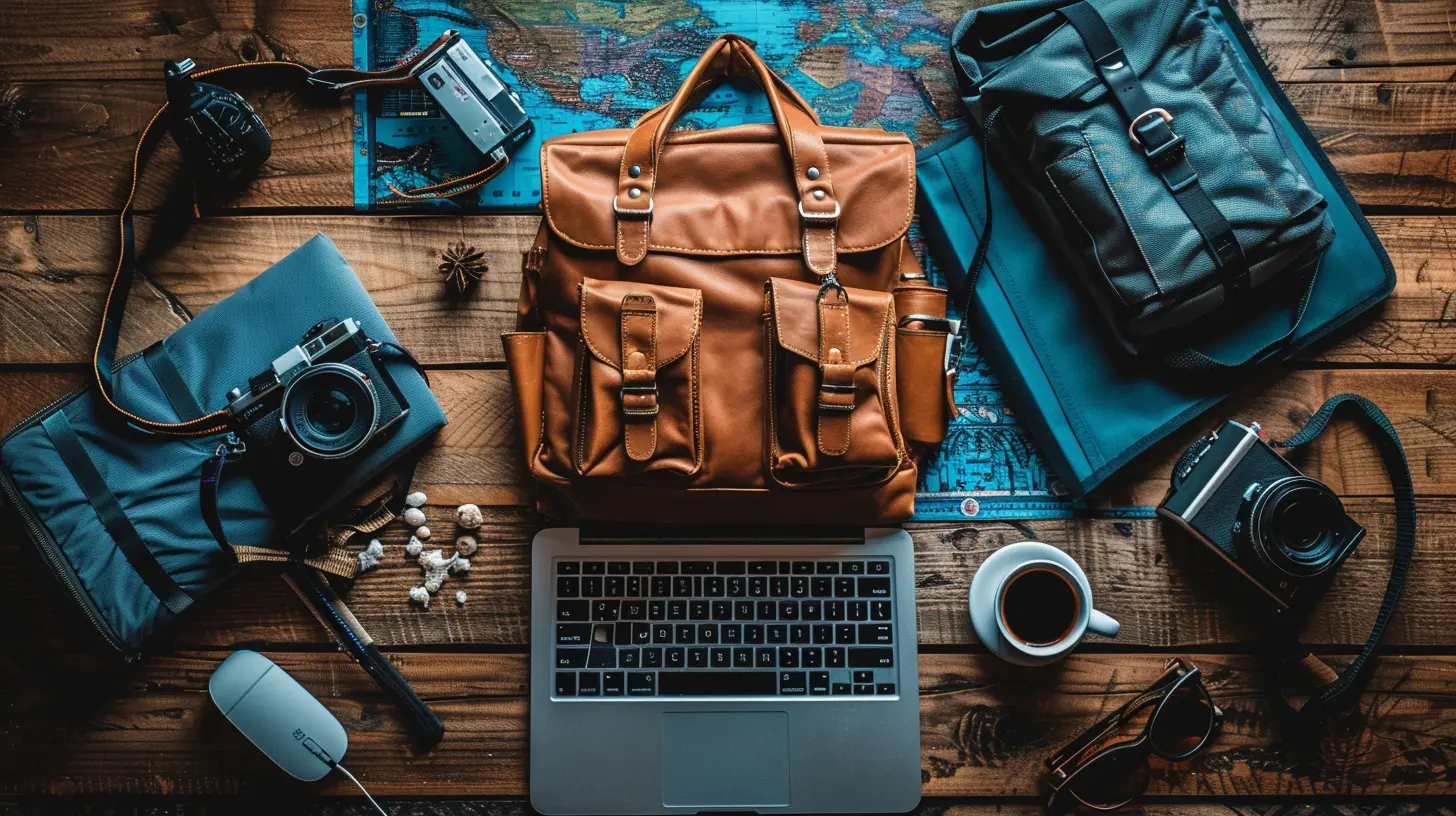
The Core Principle: Layers, Not Bulk
The single most useful mindset for long flight comfort is layering. A heavy coat is a burden you have to carry, stuff into an overhead bin, or drape over your lap when it gets warm. A set of light layers lets you adjust in seconds as the cabin temperature shifts.Think in three layers. A base layer that sits against your skin, a mid layer for warmth, and an outer layer that blocks drafts. A soft long sleeve shirt, a light merino or fleece mid layer, and a packable jacket or wrap will cover almost any cabin condition. Merino wool deserves a special mention because it regulates temperature well, resists odor after many hours of wear, and feels comfortable against skin. Cotton, by contrast, holds moisture and can leave you feeling clammy if you sweat.
The trade off is cost. Merino costs more than synthetic or cotton alternatives. If budget is tight, a decent synthetic base layer and a light fleece will do most of the job. The key is avoiding one thick garment in favor of two or three thinner ones.
Clothing: What to Wear and What to Pack
What to wear on the plane
Choose your heaviest, bulkiest items for the flight itself. Wear your jacket, your walking shoes, and your most substantial pants. This frees up space in your bag and gives you warmth when the cabin cools down. Compression socks are worth wearing from the start of the flight, not just when your ankles begin to swell. They work by maintaining gentle pressure on your lower legs, which helps blood move back toward your heart instead of pooling. On flights longer than four or five hours, this makes a noticeable difference for many people.Avoid tight waistbands. Anything that digs into your midsection will become genuinely painful once the cabin pressure expands gas in your digestive system. Elastic waistbands, drawstrings, or soft fabrics with some give are far kinder.
What to pack in your carry on
Pack one complete change of clothes in your carry on, even if you check a bag. This is not paranoia. Bags get delayed, and even when they arrive, having a fresh shirt and underwear to change into before landing can reset your entire mood. A light pair of slippers or flip flops is also useful. They let your feet breathe and make the walk to the lavatory less of a hassle than wrestling with shoes.A scarf or large wrap is one of the most versatile items you can bring. It works as a blanket, a pillow, a hood to block light, and a layer of warmth. A pashmina style wrap or a large cotton sarong both work well.
Sleep and Rest Essentials
Eye mask and earplugs
Light and noise are the two biggest enemies of in flight sleep. A good eye mask should block light completely without pressing on your eyes. Contoured masks that leave space for your eyelids tend to be more comfortable than flat ones, especially if you sleep on your side. Earplugs come in foam, silicone, and moldable wax varieties. Foam blocks the most noise but can feel uncomfortable after a few hours. Silicone is gentler but blocks less. If you want to sleep through a crying baby or a loud movie, foam is usually the better choice.Noise cancelling headphones are another option, and for many travelers they are worth the investment. They reduce the constant low hum of the engines, which is often more tiring than intermittent noise. The trade off is that they take up space, need charging, and can be uncomfortable to sleep in. Some people prefer simple earplugs for sleep and save the headphones for entertainment.
Neck support
Travel pillows are divisive. The classic U shaped pillow works for some people and fails for others, often because it pushes the head forward rather than supporting it. A better approach for many travelers is a pillow that supports the chin and keeps the head from flopping forward. Inflatable versions save space but can feel less supportive. Memory foam versions are comfortable but bulky. If you have neck problems, consider a soft cervical collar style pillow, which some travelers find far more effective than a standard U pillow.A light blanket
Airlines often provide blankets on long haul flights, but they are not guaranteed, and on some routes they are only given to certain cabin classes. A compact travel blanket, ideally one that packs into its own pouch, gives you control. A large scarf can serve the same purpose while doubling as clothing.Hydration and Skin Care
Drink water, and bring your own bottle
Cabin air dehydrates you faster than you expect. The standard advice to drink water is correct, but the practical challenge is that cabin crew service is intermittent. Bringing an empty water bottle through security and filling it after the checkpoint solves this. You can refill it on the plane, and you can sip whenever you want instead of waiting for a cart.Avoid relying on alcohol or coffee to stay hydrated. Both have a diuretic effect, meaning they make you urinate more, which can leave you more dehydrated. A glass of wine may help you relax, but it often disrupts sleep quality later in the flight. If you do drink alcohol, match each drink with a glass of water.
Lip balm and moisturizer
Lip balm is small, cheap, and one of the most appreciated items on a long flight. Choose an ointment based balm rather than a waxy one if your lips crack easily. For skin, a small tube of fragrance free moisturizer helps with dryness on your face and hands. Sheet masks are popular on some routes, especially among travelers who enjoy a full skincare routine mid flight. They work, but they can startle seatmates and are not for everyone. If you use one, keep it low key.Saline nasal spray is another item worth considering. It moisturizes dry nasal passages, which can reduce the irritation that comes with hours of dry cabin air. It is not a medication, so it is generally safe for most people, but check with a doctor if you have specific nasal conditions.
Food and Snacks
Airline food has improved on many carriers, but timing is unpredictable. Bringing your own snacks gives you control over when you eat and what you eat. Good options include nuts, protein bars, dried fruit, and crackers. Avoid very salty snacks, which worsen dehydration, and very sugary ones, which can cause an energy crash.If you have dietary restrictions, pack backup food. Special meals are sometimes forgotten or misloaded, and on a long flight there may be no alternative. A few safe snacks can save you from hours of hunger.
Chewing gum or hard candy can help with ear pressure during descent. Swallowing equalizes pressure in your ears, which is why gum works. If you are prone to ear pain, consider a decongestant before landing, but only if your doctor approves it.
Health and Medication
The basics
Bring any prescription medication in your carry on, never in checked luggage. Keep it in its original packaging with the prescription label if possible. For international travel, some medications require documentation, so check the rules for your destination.A small kit with pain relievers, antacids, and any personal essentials is worth the space. Motion sickness medication is useful if you are prone to it, but be aware that many cause drowsiness, which may be fine for a night flight and less ideal for a daytime one.
Managing stiffness and circulation
Long periods of sitting increase the risk of blood clots, especially on flights over four hours. Compression socks, regular movement, and staying hydrated all help. Stand up and walk the aisle when you can, and do simple ankle circles and leg lifts in your seat. These small actions keep blood moving and reduce swelling.
Entertainment and Productivity
A long flight is a rare block of uninterrupted time. Some travelers use it to sleep, others to work, others to watch movies. Whatever your plan, pack for it deliberately.A tablet or e reader takes less space than a laptop and holds weeks of reading. If you plan to work, check whether your seat has a power outlet and bring the right adapter. Battery packs are useful but must follow airline rules, which generally limit lithium batteries in carry on luggage and prohibit them in checked bags. Check your airline's specific policy before you fly.
Download entertainment before you leave. In flight wifi is improving, but it is still unreliable on many routes, and streaming can be slow or blocked. Downloaded movies, podcasts, and books never buffer.
A simple notebook and pen are worth bringing for jotting down ideas, filling out customs forms, or noting anything you want to remember. Pens are also handy because airlines sometimes run out.
The Little Things That Make a Big Difference
Some items seem trivial until you need them. A few examples.Hand sanitizer and disinfecting wipes. Tray tables, armrests, and seatback screens are touched by many people. A quick wipe down reduces your exposure to germs and gives you peace of mind.
A small trash bag or zip top bag. It holds wrappers, used tissues, and anything else you want to keep separate from your clean items.
A sleep mask with a built in Bluetooth speaker is a newer option some travelers enjoy. It combines light blocking with audio, which can be convenient. The trade off is that it needs charging and may not fit every head shape.
Slippers or thick socks. Cabin floors can be cold and not always clean. Having something on your feet that is easy to slip on and off makes trips to the lavatory simpler.
A compact power strip or multi port USB charger. Airports and hotels often have limited outlets. A small power strip lets you charge several devices from one socket and can make you popular with nearby travelers.
What Not to Bring
Just as important as what to pack is what to leave behind. Overpacking makes your bag heavy and your experience more stressful.Do not bring a full size pillow unless you have a specific medical need. It takes up space and is awkward to carry. A travel pillow or a rolled up jacket works better.
Do not bring more than one book. An e reader or a single paperback is enough. Multiple books add weight and you likely will not finish them.
Do not bring liquids over the security limit unless you have a medical exemption. Travel sized containers are usually enough for a long flight.
Do not bring expensive jewelry or irreplaceable items in checked luggage. If you must bring them, keep them with you.
Do not bring food that is messy, strong smelling, or likely to be confiscated at customs. A banana or an apple may be fine, but a homemade stew is not a good cabin companion.
How to Pack It All
Packing for a long flight is a small logistics exercise. The goal is to keep essentials within reach and everything else stowed.Use a personal item that fits under the seat in front of you. This is your comfort kit. In it, keep your eye mask, earplugs, headphones, medications, snacks, water bottle, lip balm, and a change of clothes if space allows. Everything you might want during the flight should be here, not in the overhead bin.
Use packing cubes or pouches to group similar items. One pouch for toiletries, one for electronics, one for sleep aids. This makes it easy to find what you need without digging.
Roll your clothes rather than folding them. Rolling saves space and reduces wrinkles. For wrinkle prone fabrics, fold them flat and place them at the top of the bag.
Wear your bulkiest items on the plane. This is the oldest trick in the book and it still works.
Adjusting for Your Route and Body
No single packing list fits every traveler. A few variables change what you should bring.Flight length matters. A six hour flight needs less than a fourteen hour one. On shorter flights, you can skip the full sleep kit and focus on hydration and light layers. On ultra long flights, everything on this list earns its place.
Time of day matters. A daytime flight may call for work items and entertainment. A nighttime flight calls for sleep aids and a change of clothes for landing.
Your body matters. If you have circulation issues, compression socks are essential. If you have sensitive skin, bring your own toiletries. If you get cold easily, add an extra layer. If you run warm, choose breathable fabrics and skip the heavy blanket.
Your destination matters. If you are landing somewhere cold, keep your jacket accessible. If you are landing somewhere hot, pack a light change of clothes so you can shed layers before you step off the plane.
Final Thoughts
Comfort on a long flight is not about luxury. It is about anticipating your needs and meeting them before they become problems. The travelers who arrive feeling human are not lucky. They packed with intention.Start with the basics: layers, hydration, sleep aids, and a small health kit. Then adjust based on your route, your body, and your priorities. A little planning before you leave can turn a grueling flight into a manageable, even pleasant, part of the journey.
Pack light, pack smart, and give yourself the best chance of stepping off the plane ready for what comes next.
all images in this post were generated using AI tools
Category:
Travel ChecklistsAuthor:

Reed McFadden