What to Pack for Your Luxury Resort Stay in 2026
29 September 2026
Packing for a high-end resort is not the same as packing for a normal vacation. The stakes feel higher, the dress codes are less obvious, and the cost of getting it wrong is real. Forget a formal shoe and you might miss dinner at the resort's signature restaurant. Overpack and you spend the week tripping over a suitcase you never needed to bring.
I have spent years watching how luxury hospitality has shifted, and 2026 brings a specific set of pressures that did not exist a decade ago. Resorts have become more experiential, more casual in some ways and more demanding in others, and more conscious of sustainability. Packing well now requires understanding not just what you will do, but how the resort expects you to move through its spaces.
This guide is built around that reality. It covers the categories that matter, the decisions that trip people up, and the reasoning behind each recommendation so you can adapt it to your specific trip rather than copy a generic list.

Why 2026 Is Different for Resort Packing
Three shifts have changed what belongs in your bag.First, resort dress codes have quietly relaxed in some venues and tightened in others. Beach clubs that once tolerated flip flops now enforce a "smart casual after 6 pm" rule. Meanwhile, several high-end properties have dropped jacket requirements at dinner in favor of "elegant resort wear," which is vaguer and therefore harder to pack for.
Second, the technology you carry has changed. More resorts now use app-based check-in, digital keys, and QR codes for spa bookings and excursions. Your phone is no longer optional, which changes how you think about chargers, adapters, and backup power.
Third, sustainability expectations have become visible. Some properties now ask guests to reuse towels across multiple days, provide refillable water stations instead of plastic bottles, and discourage single-use items. Packing accordingly is not just ethical, it is practical.
The Foundation: Start With Your Itinerary, Not Your Closet
The single most common packing mistake is starting with clothes. The right starting point is a rough hour-by-hour picture of your days.Ask yourself:
- How many nights involve a formal or semi-formal dinner?
- Will you spend full days at the beach, the pool, or both?
- Are there excursions that involve hiking, boating, or cultural sites with modesty requirements?
- Is there a spa day, and does it have its own dress norms?
- Will you attend any event like a wedding, a vow renewal, or a corporate retreat?
Write the answers down. Then map clothing to each scenario. This prevents the two classic failures: bringing four formal outfits when you need one, and bringing no formal outfit when the resort has a dress code you did not read.
Clothing: Building a Capsule That Actually Works
Daytime and Beachwear
For most luxury resorts in warm climates, you need fewer daytime items than you think. Two to three swimsuits is the practical range. Rotating them matters because a wet suit never fully dries overnight in humid air, and wearing a damp suit all day is uncomfortable and can cause skin irritation.Cover-ups do more work than people expect. A quality linen or cotton cover-up transitions from poolside to a casual lunch spot without a full change. Bring two: one light and breezy, one slightly more structured for indoor dining.
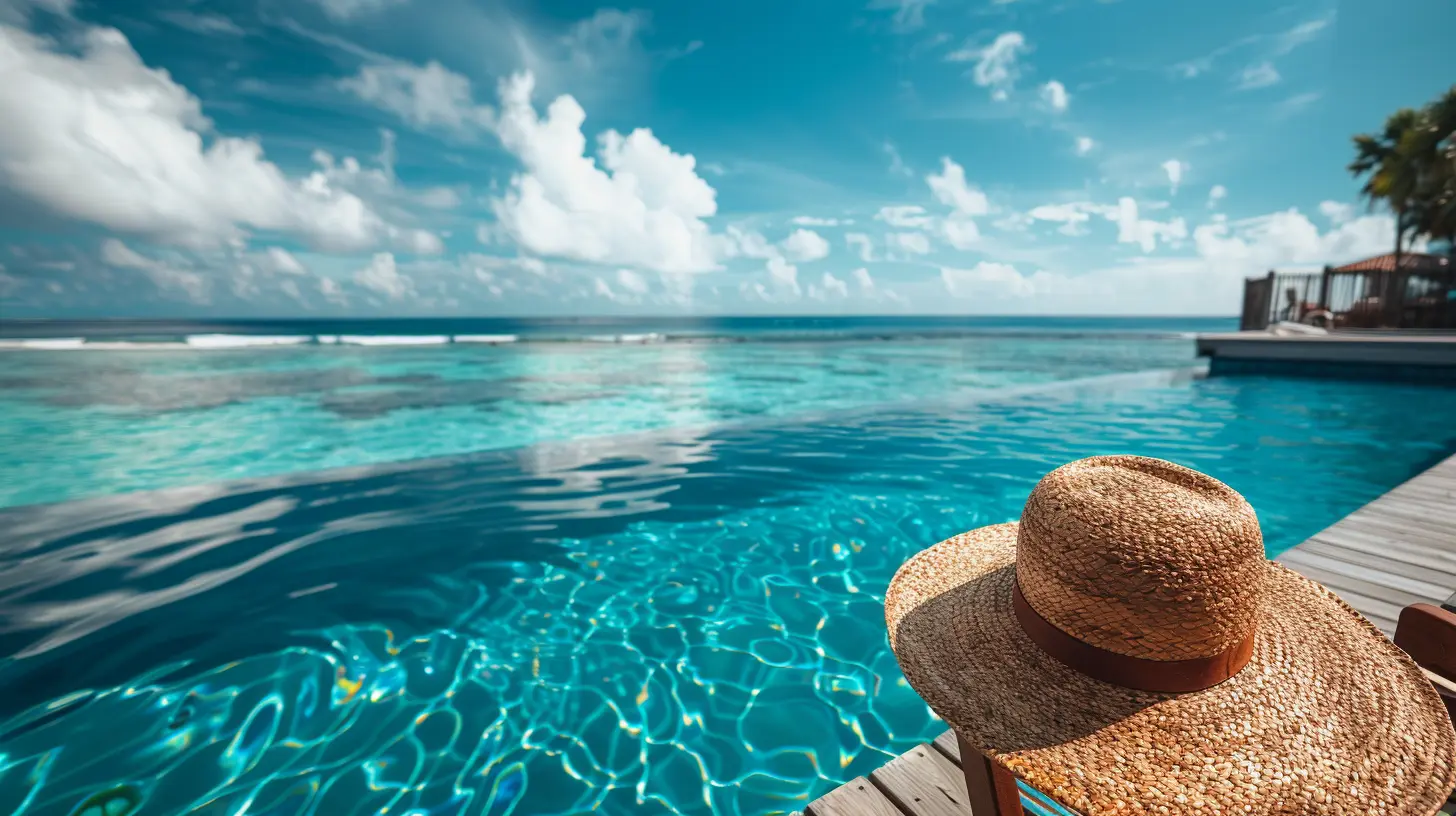
For beach days, consider a wide-brimmed hat and polarized sunglasses. Polarization reduces glare off water and is genuinely useful, not just stylish. A light long-sleeve shirt or rash guard helps for snorkeling and for long exposure to strong sun.
Evening and Formal Wear
This is where most people either overpack or underpack. The key is reading the resort's actual dress code, not assuming based on its star rating.A useful framework:
- Resort casual: linen trousers or a sundress, sandals or loafers. No shorts at dinner.
- Smart casual: collared shirt, closed-toe shoes, no athletic wear.
- Elegant or formal: jacket for men in some cases, cocktail attire for women, sometimes a tie.
One well-chosen formal outfit per two or three nights is usually enough. Choose neutrals that mix with multiple shoes and accessories. A single pair of dress shoes in a versatile color does more than three pairs in colors that only match one outfit each.
Layering for Climate Control
Luxury resorts are often aggressively air-conditioned. A light wrap, cardigan, or pashmina is not a luxury, it is a practical tool. It works on the plane, in the lobby, in the restaurant, and on the terrace at night. Bring at least one.
Footwear: The Category People Get Wrong Most Often
Shoes are heavy, take up space, and are the most common source of packing regret. Think in terms of four roles:1. Pool and beach: flip flops or water shoes.
2. Walking and excursions: broken-in sneakers or walking sandals.
3. Dinner and indoor venues: loafers, wedges, or dress sandals.
4. Optional specialty: hiking shoes if terrain demands it, or water shoes for rocky beaches.
The mistake is bringing five pairs when three cover everything. The other mistake is bringing only sandals and then facing a dress code that requires closed toes. Check the resort's rules before you decide.
Break in any new shoes at home. A blister on day one ruins the rhythm of a trip.
Technology and Power: The 2026 Reality
Your phone is now your key, your menu, your excursion ticket, and your camera. That makes power management a real concern.Pack:
- A universal travel adapter if you are crossing regions with different plug types.
- A compact power bank, ideally 10,000 mAh or higher, for long excursion days.
- A multi-port USB charger so you can charge phone, watch, and earbuds from one outlet.
- A short extension cord or power strip. Resort rooms often have outlets in inconvenient places.
Check voltage compatibility. Most modern chargers handle 100 to 240 volts, but hair dryers and curling irons often do not. If you rely on a high-wattage styling tool, verify it supports the local voltage or plan to use the resort's.
Noise-canceling headphones are worth the space on long flights and in shared spaces. A small Bluetooth speaker is optional and sometimes restricted in public areas, so check before using one.
Health, Wellness, and Personal Care
Sun Protection
Reef-safe sunscreen matters in destinations with coral reefs. Some areas, including parts of Hawaii and certain Caribbean and Pacific destinations, have restrictions on specific chemical sunscreens. Mineral-based options with zinc oxide or titanium dioxide are the safer bet and are increasingly what resorts recommend.Bring more sunscreen than you think you need. Resort shops charge premium prices, and running out mid-trip is avoidable.
Medications and First Aid
Pack a small kit with:- Pain relievers and fever reducers
- Anti-diarrheal medication
- Motion sickness tablets if you will be on boats
- Adhesive bandages and blister treatment
- Any prescription medication in original labeled containers
Keep prescriptions in carry-on luggage, not checked bags. Carry a copy of the prescription or a doctor's note for controlled substances, since some countries have strict rules.
Hydration and Digestion
Travel disrupts digestion. A probiotic supplement started a few days before departure can help some people. Electrolyte packets are useful in hot climates, especially if you are active or drinking alcohol.A refillable water bottle is now standard at many luxury resorts, which have filtration stations. Confirm the tap water is safe before filling from the sink.
Documents and Money
Your passport should have at least six months of validity beyond your travel dates. Many countries enforce this, and airlines will deny boarding if you do not meet it.Carry:
- Passport and a photocopy stored separately
- Visa or entry documents if required
- Travel insurance details
- A credit card with no foreign transaction fees
- A small amount of local currency for tips and small vendors
Inform your bank of travel plans if it requires it. Some cards still flag unusual activity.
Keep digital copies of everything in a secure cloud folder and a physical copy in your bag. If your phone dies or is lost, you still have access.
The Resort-Specific Items Nobody Mentions
A few items separate a smooth stay from a frustrating one.A tote bag. Resort-issued bags exist, but a lightweight packable tote is useful for beach days, market trips, and overflow.
Wet bag or dry bag. For wet swimsuits, damp towels, or boat excursions. A simple waterproof pouch prevents your whole suitcase from smelling like chlorine.
Laundry sheets or a travel stain remover pen. Luxury resorts offer laundry service, but it is expensive and slow. A stain pen handles the small accidents.
A travel umbrella. Tropical weather shifts fast. A compact umbrella weighs little and saves a dinner reservation.
Snacks. Resort food is excellent but not always available when you want it. A few protein bars or nuts help on arrival day or during long excursion windows.
A small amount of cash for tips. Tipping norms vary by region and property. Research yours in advance so you are not guessing at the pool bar.
What to Leave Behind
Packing well is also about subtraction.Leave the "just in case" formal outfit if your itinerary has no formal events. Leave the third pair of heels. Leave the bulky camera setup if your phone handles your needs. Leave the full-size toiletries, which waste space and may leak.
Most luxury resorts provide robes, slippers, hair dryers, and premium bath products. Confirm what is included so you do not duplicate. Some properties even provide beach bags, sun hats, and reef-safe sunscreen, though you should not assume this without checking.
Packing Strategy: How to Fit It All
Use packing cubes to separate categories. This makes unpacking fast and keeps dirty items contained.Roll soft fabrics and fold structured ones. Place shoes at the bottom of the suitcase, soles down, and stuff small items inside them.
Wear your bulkiest items on the plane: jacket, walking shoes, and layers.
Keep a "first night" pouch with essentials you need before your suitcase is unpacked: toothbrush, change of clothes, charger, medication. If your bag is delayed, you are still functional.
Common Mistakes and Misconceptions
Misconception: More stars means more formal. Not true. A five-star beach resort may be entirely barefoot casual. Read the specific property's guidelines.Mistake: Packing for the climate you wish for. Check the actual forecast and seasonal patterns, including rainy seasons.
Mistake: Assuming you can buy what you forget. Resort boutiques are convenient but expensive and limited in size range. Buy essentials at home.
Mistake: Overpacking shoes and underpacking layers. The reverse is usually smarter.
Mistake: Ignoring cultural norms at the destination. Even inside a resort, excursions into local towns may require covered shoulders or knees. A light scarf or sarong solves this.
A Sample Packing Framework
For a seven-night luxury beach resort stay with two formal dinners and one excursion:- Swimwear: 3
- Cover-ups: 2
- Day outfits: 4
- Evening outfits: 4 (one formal, three smart casual)
- Shoes: 4 pairs (beach, walking, evening, optional dress)
- Layers: 1 wrap, 1 light jacket
- Tech: adapter, power bank, multi-port charger, headphones
- Health: sunscreen, first aid kit, medications, electrolytes
- Documents: passport, copies, insurance, cards, cash
- Extras: tote, wet bag, stain pen, umbrella, snacks
Adjust counts based on laundry access, trip length, and how much you enjoy repeating outfits. There is no single correct number, only a number that fits your actual plans.
Final Thoughts
Packing for a luxury resort in 2026 is less about owning the right things and more about understanding your specific trip. The resort's dress codes, your itinerary, the climate, and the local culture all shape what you need. Get those right, and the list almost writes itself.The goal is not to bring everything. It is to bring exactly enough that you never think about your luggage again once you arrive. That is the real luxury.
all images in this post were generated using AI tools
Category:
Luxury ResortsAuthor:

Reed McFadden