Understanding the Role of Gender and Etiquette in Middle Eastern Culture
12 August 2026
So, you’re planning a trip to the Middle East? That’s exciting! It’s a region full of captivating history, mesmerizing architecture, and vibrant traditions. But before you pack your bags and hop on that plane, there’s something absolutely essential you need to understand — the dynamics of gender and etiquette in Middle Eastern culture.
Knowing the ins and outs of how men and women are expected to behave, interact, and present themselves can seriously make or break your travel experience. Don't worry — it's not as intimidating as it sounds. We're here to break it down in a way that’s interesting, practical, and, most importantly, respectful.
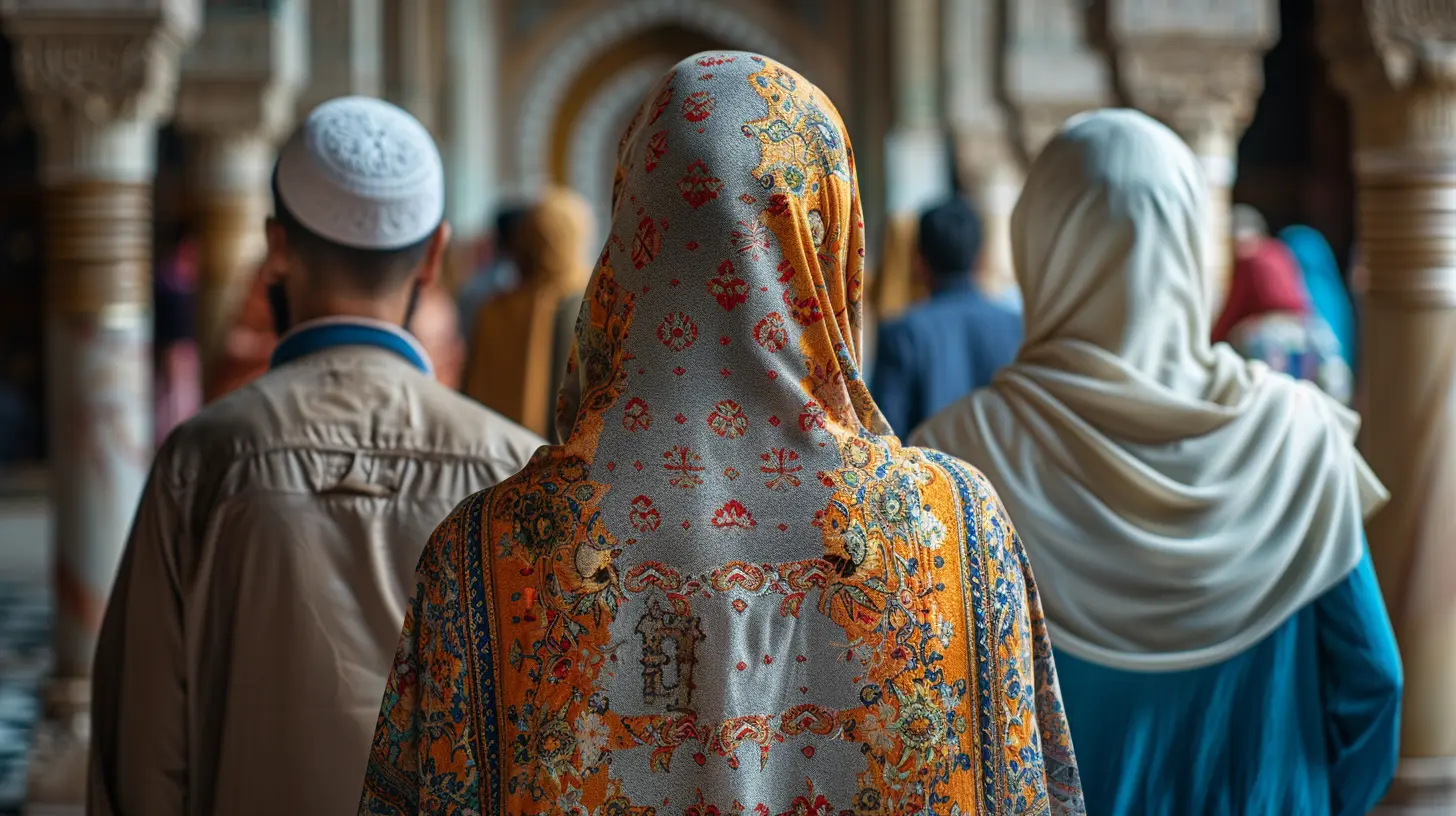
Why Gender Roles Matter in the Middle East
Let's start with the basics. Gender roles in Middle Eastern culture are deeply rooted in religious beliefs, social norms, and centuries-old traditions. The region is home to a mix of predominantly Islamic countries, along with Christian and Jewish communities. Religion plays a significant role in shaping how society functions — especially when it comes to gender distinctions.So what does that mean for travelers? Expectations for behavior, dress, and social interaction often differ significantly between men and women. Understanding these expectations not only helps you avoid awkward faux pas but also shows that you respect local culture — and trust us, that goes a long way.
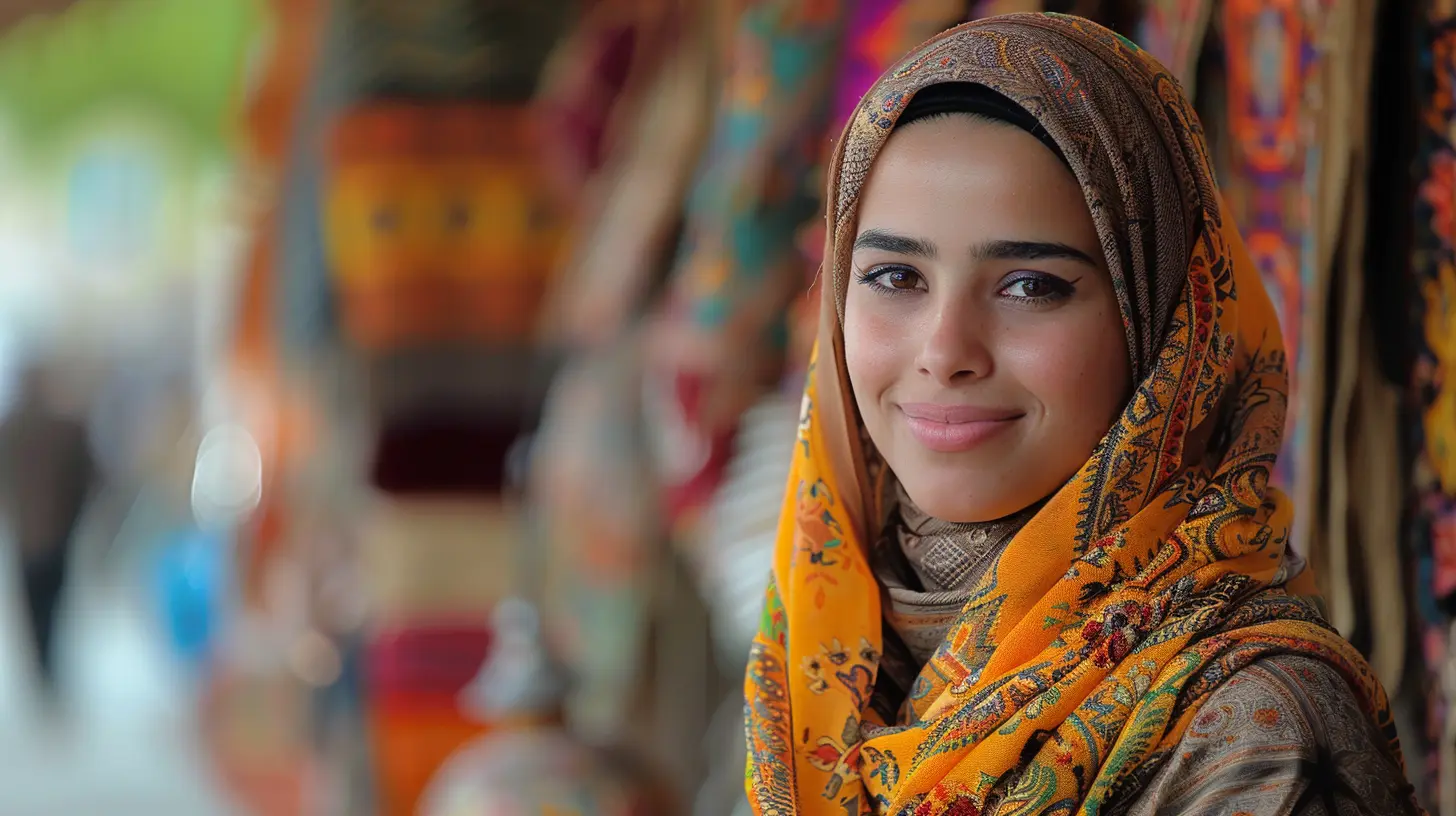
The Concept of Gender Separation
One of the most noticeable aspects of gender roles in Middle Eastern countries is the concept of gender separation. This doesn’t mean men and women never interact — but in many situations, particularly in more conservative areas, they may be expected to do so in certain ways.For example, you might notice:
- Separate seating areas in restaurants or events.
- Designated transportation sections — some metros and buses have “women-only” sections.
- Different entrances to public places like mosques or government buildings.
This separation isn’t meant to exclude — it’s often about modesty and respecting boundaries defined by local customs. Regardless of whether you're male or female, being mindful of these setups shows cultural sensitivity.
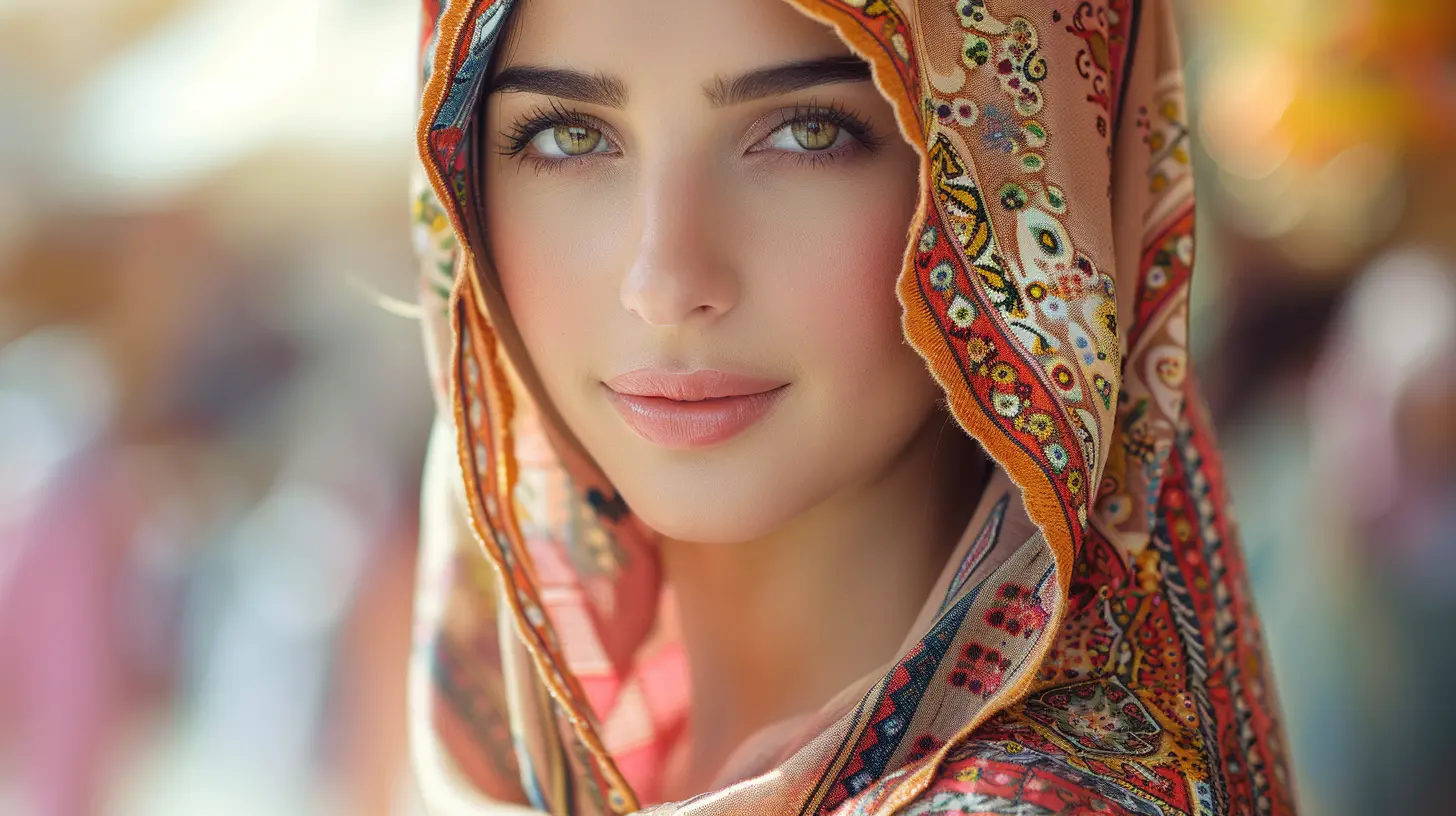
Male vs. Female Roles: What’s Considered “Appropriate”?
Alright, let's break this down a bit.For Women
Women in the Middle East are often expected to dress modestly. That doesn’t necessarily mean covering from head to toe — it really depends on the country. In places like Saudi Arabia, the dress code is strict, and women are expected to wear an abaya (a long black cloak) in public, and sometimes a headscarf. Meanwhile, in Lebanon, Jordan, or Dubai, women have more freedom to dress as they please — within reason, of course.But it’s not just about clothes. Women might also:
- Avoid direct eye contact with men in conservative areas.
- Not initiate handshakes with men unless offered first.
- Try not to sit alone in male-dominated areas like cafés or smoking lounges.
Now, don’t let this scare you. If you're polite, respectful, and observant, locals will usually appreciate your effort.
For Men
Guys, your job’s not simpler. While you might not need to cover your head or arms, you’re still expected to dress modestly. That means no tank tops or shorts in conservative places — especially religious sites. A good rule of thumb? If you wouldn’t wear it to your grandma’s house, probably don’t wear it here.Men are also expected to:
- Avoid touching or getting too close to women they’re not related to.
- Show extra respect when speaking to elders or women.
- Refrain from overly loud or aggressive behavior in public (passion is fine; being obnoxious isn’t).
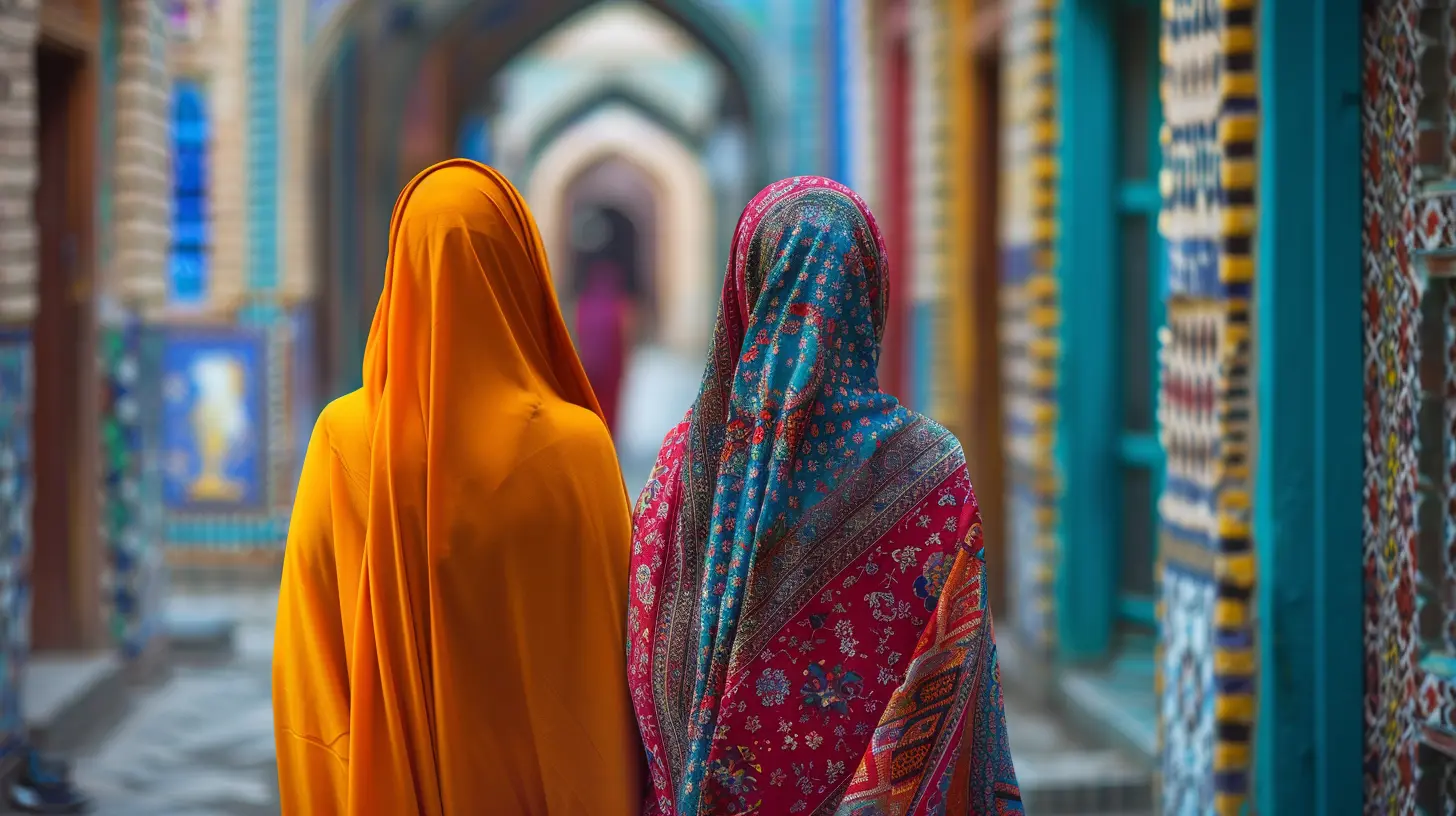
Hospitality: A Cultural Pillar Built on Respect
One thing you’ll quickly notice in the Middle East? Hospitality is everything. Whether you’re being invited into a home or offered tea by a shopkeeper, generosity and respect are core values. But with this warmth comes a set of unspoken rules.Here are a few etiquette tips to keep in mind:
Greeting Etiquette
- Men typically greet each other with a handshake or even kisses on the cheek (between close friends or relatives).- Women often greet other women with hugs or kisses.
- Cross-gender greetings are more complicated. If you're unsure, just smile and wait — locals will guide the interaction.
Accepting Invitations
Got invited for tea or dinner? Lucky you! But don’t rush in too casually.- Dress nicely — it shows respect.
- Bring a small gift like chocolates or sweets. It's a lovely gesture.
- Compliment the food and the host. Even if you're full, accept a little extra. Saying "no" too firmly might be seen as rude.
Dining Etiquette
- Use your right hand — the left is considered unclean in many cultures.- Don’t dig in right away. Usually, you wait for the host to start.
- Leave a little on your plate — it shows you’re full and satisfied.
Religion and Etiquette: Two Sides of the Same Coin
You can’t talk about etiquette in the Middle East without touching on religion. Islam, in particular, influences many social practices — especially concerning gender and behavior.During Prayer Times
If you hear the call to prayer (which happens five times a day in Muslim countries), be respectful. You don’t need to stop in your tracks, but turning down your music or pausing conversations near a mosque is polite.Visiting Mosques
Want to step inside a mosque? Awesome, but follow the rules:- Dress modestly — for women, that usually means covering your arms, legs, and hair.
- Remove your shoes before entering.
- Keep your voice low and don’t interrupt those praying.
- Photos? Only if allowed — and never during prayer.
Public Displays of Affection? Think Twice.
A kiss on the cheek or holding hands may seem innocent enough, but in many Middle Eastern countries, public displays of affection — especially between unmarried couples — are frowned upon. And in some places, it's even against the law.So, while a romantic getaway sounds dreamy, save the cuddles for your hotel room.
LGBTQ+ Travelers: Navigating Cultural Sensitivity
This can be a complex topic in the Middle East. Many countries in the region hold conservative views on sexuality, and being openly LGBTQ+ could be risky. While some spots like Tel Aviv or parts of Dubai are more liberal, discretion is always advised. Always prioritize your safety and do your research about local laws.
What About Business Etiquette?
Business travelers, listen up! Doing business in the Middle East is all about relationships. That means trust comes first, and deals come second.Here are a few pointers:
- Be punctual, but be patient — meetings may not start on the dot.
- Dress sharply — appearance matters.
- Always address the most senior person in the room first.
- Use formal titles unless told otherwise.
- Understand that negotiations can take time — don’t rush or push too hard.
The "Don’ts" You’ll Want to Know
Let’s keep it simple with a few crucial things to avoid:- Don’t point the soles of your feet at people — it’s considered rude.
- Don’t criticize religion or politics — just don’t go there.
- Don’t offer alcohol unless you know it’s acceptable.
- Don’t assume gender roles are oppressive — cultural norms have layers, and being judgmental helps no one.
- Don’t take photos of people (especially women) without permission — always ask first.
Adapting Without Losing Yourself
Now, here's the million-dollar question: do you have to fully change who you are to travel to the Middle East? Absolutely not. But adapting — at least a little — shows that you're thoughtful, respectful, and genuinely interested in the place you're visiting.Think of it this way: if someone visited your home and ignored your customs, blasted music during quiet hours, or walked in wearing muddy boots — how would you feel? Annoyed, right? The same principle applies here.
Final Thoughts: Embrace the Nuance
Middle Eastern culture isn’t one-size-fits-all. From ultra-modern cities like Doha and Dubai to traditional villages in Oman or Palestine, experiences can vary wildly. Some places are more liberal, others more conservative. What's common, though, is a deep appreciation for guests who show kindness, curiosity, and humility.Respecting gender roles and etiquette in the Middle East isn’t about restriction — it's about connection. It’s about stepping out of your comfort zone to understand a way of life that might be different from your own.
So go ahead — immerse yourself, ask questions, and keep your mind open. You’ll come back not only with unforgettable memories but also with a richer worldview.
all images in this post were generated using AI tools
Category:
Cultural EtiquetteAuthor:

Reed McFadden
Discussion
rate this article
1 comments
Luma Price
Thank you for shedding light on such an important topic. Understanding gender dynamics and etiquette in Middle Eastern culture enriches our travel experiences and fosters greater respect and appreciation for diverse customs and traditions.
September 14, 2026 at 4:31 AM
Reed McFadden
I appreciate your feedback! I'm glad you found the topic valuable for enhancing travel experiences and respecting diverse cultures.