Trekking the Jordan Trail: A Route of History and Desert Beauty for 2027
2 October 2026
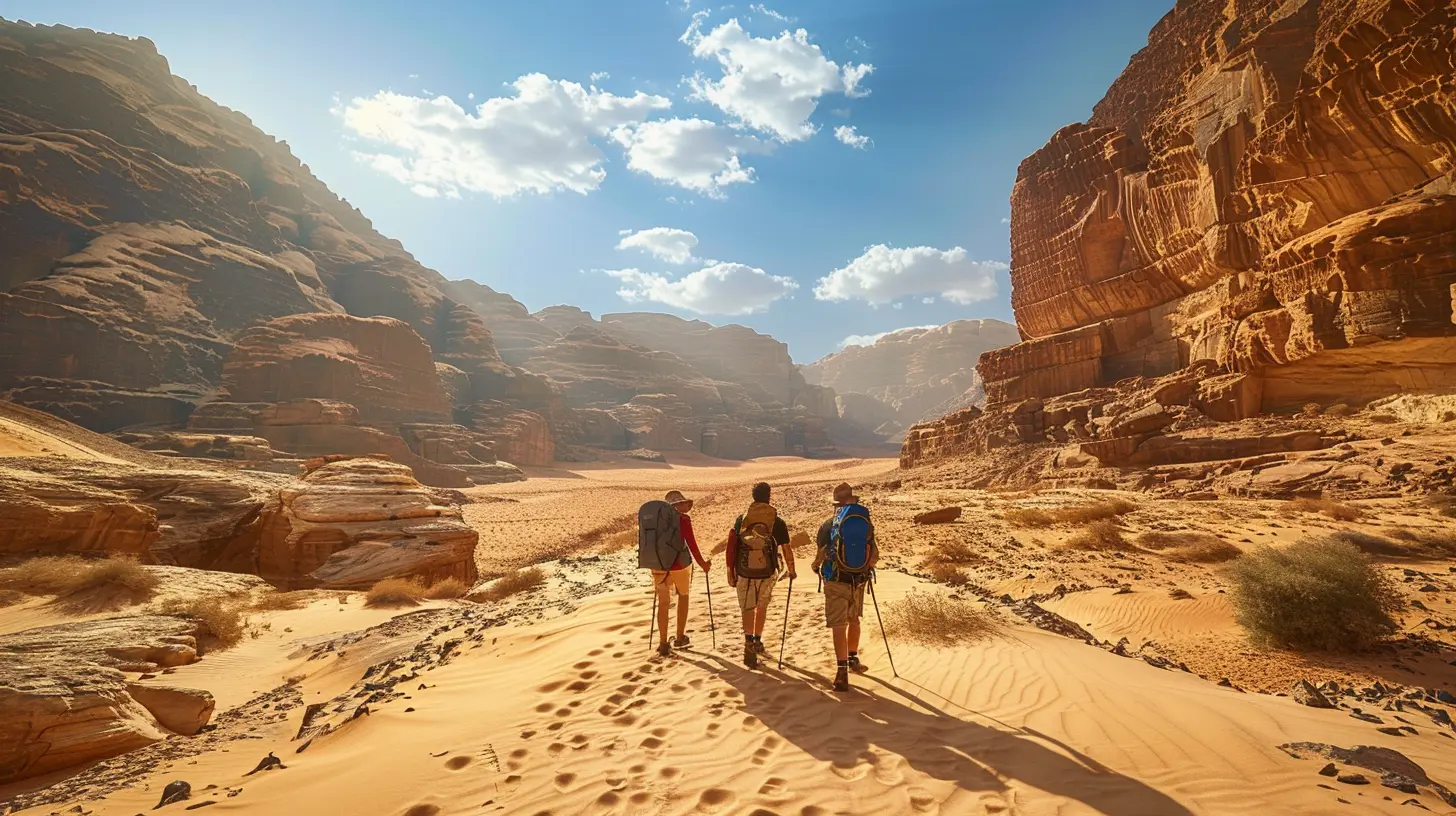
The Jordan Trail stands as a testament to the rich tapestry of history, culture, and natural beauty that the country of Jordan offers. Stretching over 650 kilometers from the northern city of Um Qais to the southern port of Aqaba, this trail takes trekkers through diverse landscapes, ancient ruins, and vibrant local communities. It combines the thrill of adventure with the allure of historical significance, making it an enticing option for trekkers in 2027.
Understanding the Jordan Trail
Overview of the Route
The Jordan Trail is not merely a hiking path; it is a narrative of Jordan's cultural and geographical diversity. The trail is divided into 33 stages, allowing trekkers to customize their journey based on time, interests, and physical capability. Each segment reveals unique aspects of Jordan, from the fertile highlands to the arid desert landscapes.Historical Significance
The trail is steeped in history, connecting various archaeological sites that narrate the story of human civilization in this region. Trekkers will encounter Nabatean ruins in Petra, Roman relics in Jerash, and ancient churches in Madaba. Understanding the historical context of these sites enhances the trekking experience, fostering a deeper connection to the land.Geographical Diversity
One of the defining characteristics of the Jordan Trail is its varied terrain. Hikers will navigate lush valleys, rocky hills, sandy deserts, and the iconic landscapes of Wadi Rum. This geographical diversity not only challenges trekkers but also offers a visual feast, making every step an opportunity to appreciate the stunning vistas.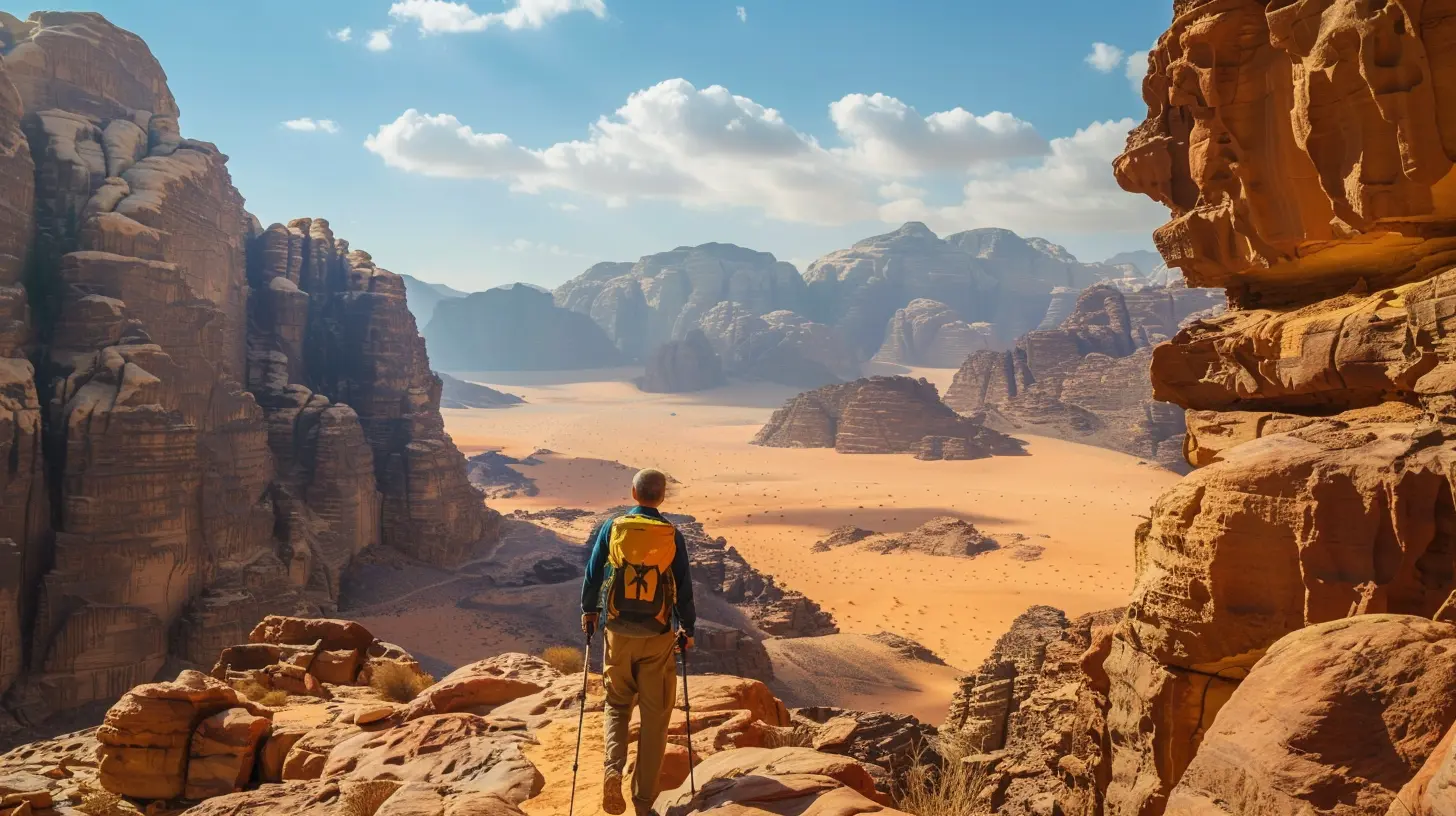
Best Times to Trek the Jordan Trail
Ideal Seasons
The best time to trek the Jordan Trail is during the spring (March to May) and fall (September to November). During these months, temperatures are moderate, and the landscape is vibrant with blooming flora, making trekking more enjoyable.Weather Considerations
Jordan's climate can be harsh, especially in summer when temperatures can soar above 40 degrees Celsius (104 degrees Fahrenheit). Winter can also present challenges, particularly in the highlands where snow is possible. Trekkers should monitor forecasts and plan accordingly to avoid extreme weather conditions.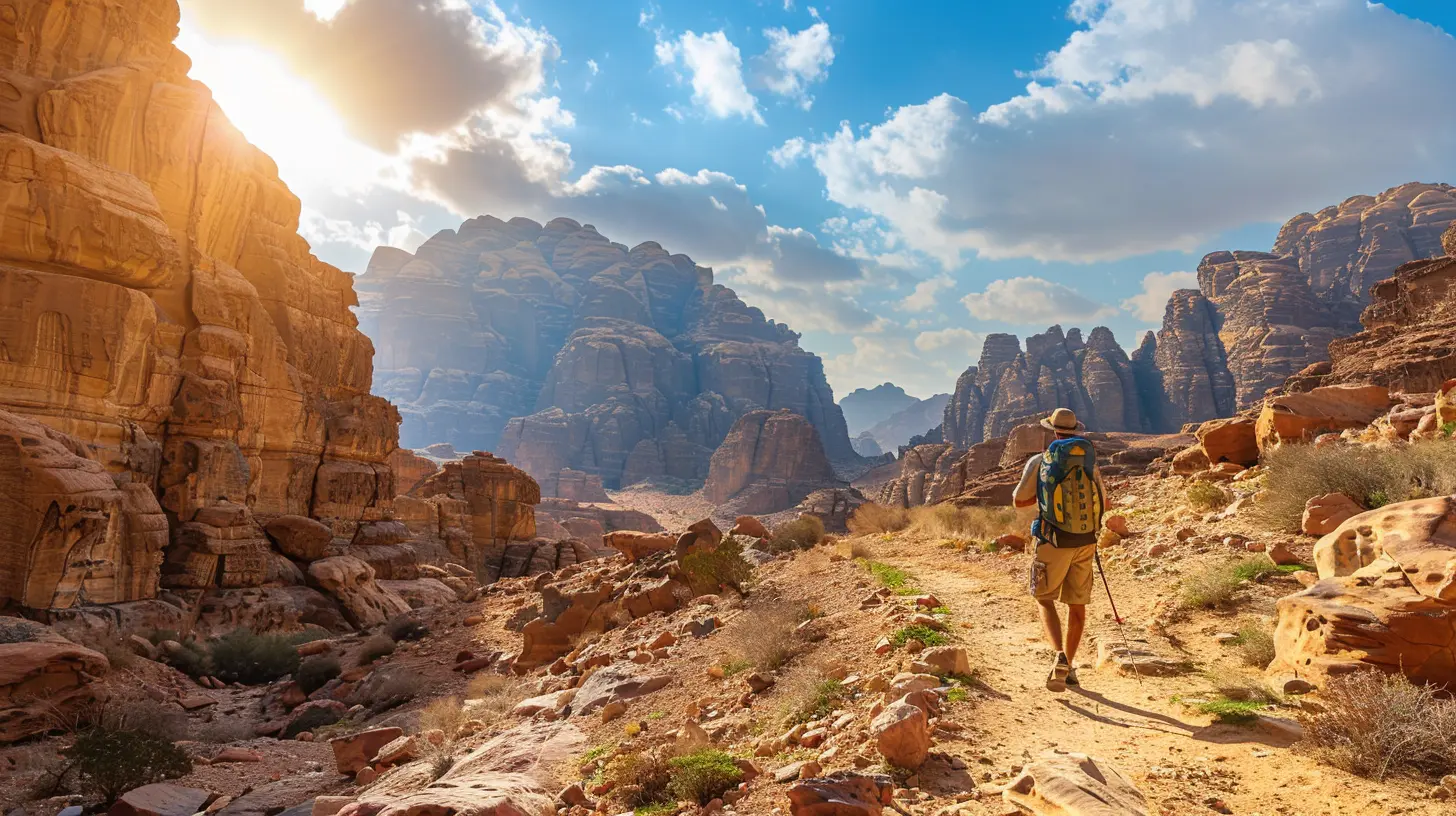
Preparation for the Journey
Physical Conditioning
Trekking the Jordan Trail requires a reasonable level of fitness. While some sections are manageable for beginners, others demand endurance and stamina. Training should focus on cardiovascular fitness, leg strength, and hiking practice. Engaging in multi-day hikes with a packed backpack can simulate the trail experience.Gear and Equipment
Choosing the right gear is crucial for comfort and safety. Essential items include:- Footwear: Sturdy hiking shoes with good traction and ankle support.
- Clothing: Lightweight, moisture-wicking layers for varying temperatures.
- Backpack: A comfortable, well-fitted backpack to carry essentials.
- Navigation tools: Maps, GPS devices, or mobile apps designed for hiking.
carrying a first-aid kit, sufficient water, and snacks is vital for sustaining energy during the trek.
Cultural Preparation
Jordan is a country rich in culture and tradition. Trekkers should educate themselves about local customs, particularly regarding dress codes and social etiquette. This awareness can foster respectful interactions with local communities, enhancing the overall experience.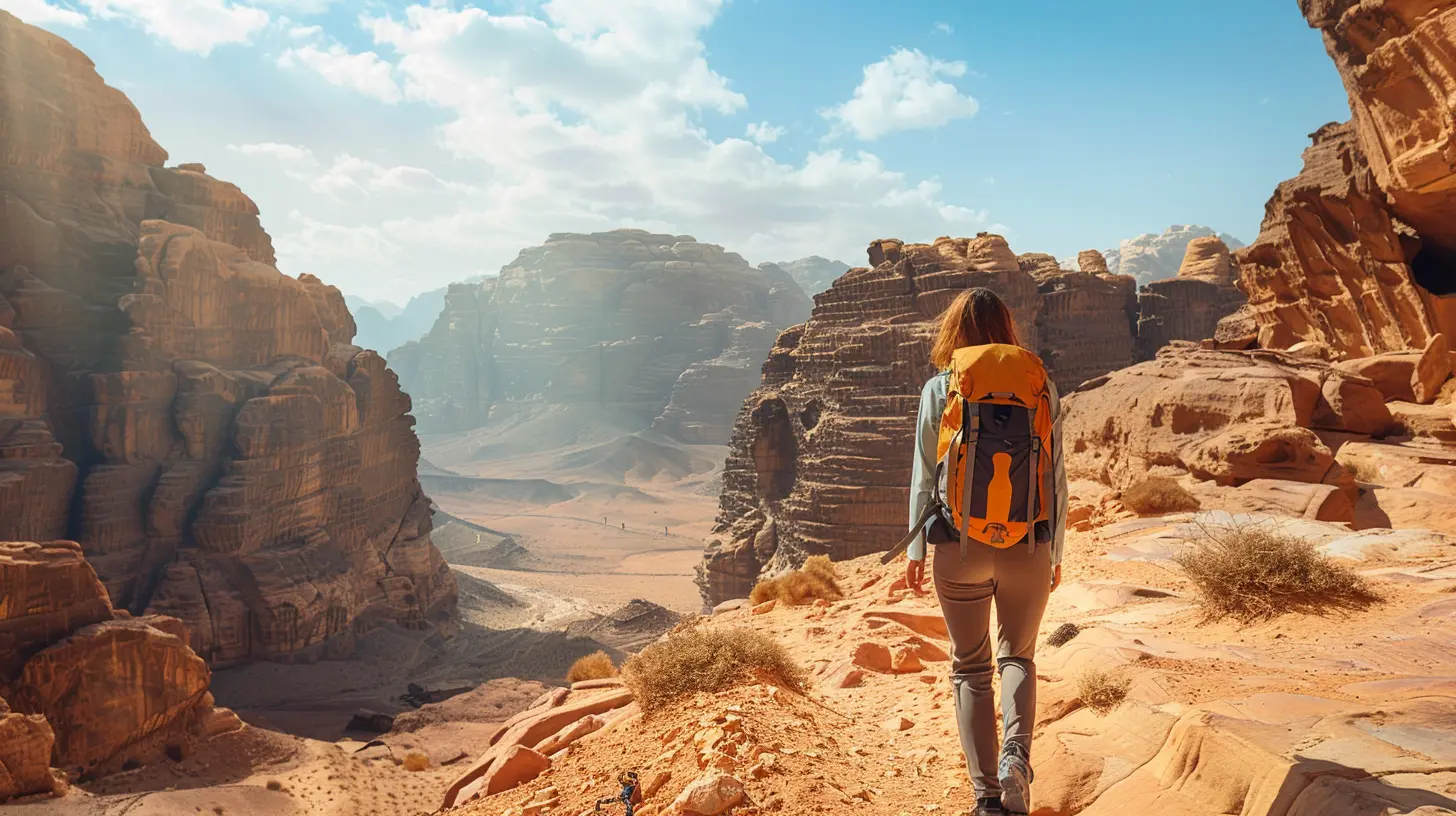
Highlights Along the Jordan Trail
Um Qais
Starting in Um Qais, trekkers are greeted by breathtaking views of the Sea of Galilee and the Golan Heights. The ancient ruins here offer a glimpse into the past, featuring remnants from the Hellenistic and Roman periods.Ajloun Forest Reserve
The Ajloun Forest Reserve presents a stark contrast to the arid desert landscapes. This area is rich in biodiversity and provides opportunities for birdwatching and enjoying the cooler climate. The trail through the reserve allows trekkers to reconnect with nature amidst oak and pine trees.Jerash
No trek along the Jordan Trail is complete without a visit to Jerash, one of the best-preserved Roman cities in the world. The grandeur of its colonnaded streets, temples, and theaters provides a vivid insight into the historical significance of the region.Petra
Petra, a UNESCO World Heritage site, is perhaps the most iconic stop on the Jordan Trail. The ancient city carved into rose-red rock is a marvel of engineering and artistry. Trekkers should allocate sufficient time to immerse themselves in its beauty, exploring the Treasury, the Monastery, and the various tombs scattered throughout the site.Wadi Rum
Wadi Rum, often referred to as the Valley of the Moon, is known for its dramatic sandstone mountains and vast desert expanse. This area is both a natural wonder and a cultural hub, with Bedouin communities offering insights into their traditional way of life. Trekking here provides a unique opportunity to witness stunning sunsets and starry nights.Aqaba
Concluding the trek in Aqaba, trekkers can unwind by the Red Sea, enjoying water activities such as snorkeling and diving. The vibrant marine life and coral reefs offer a refreshing contrast to the desert landscapes experienced earlier on the trail.Practical Tips for Trekking the Jordan Trail
Hydration and Nutrition
Staying hydrated is paramount while trekking, especially in warmer months. Carry enough water and consume electrolytes to maintain energy levels. It is advisable to stock up on nutritious snacks like nuts, dried fruits, and energy bars to fuel the journey.Safety Considerations
Safety should always be a priority. Trekking alone can be risky, particularly in remote areas. It is recommended to hike in groups or with a guide who knows the terrain. Inform someone of your itinerary and estimated completion time.Respect for Nature and Culture
Leave no trace while trekking. Respect the natural environment by avoiding littering and sticking to marked trails. be mindful of local cultures, especially when passing through villages. Simple gestures such as greeting locals can go a long way in fostering goodwill.Common Mistakes to Avoid
- Underestimating the Terrain: Each section of the trail has its challenges. Trekkers should not rush into more difficult areas without adequate preparation.- Ignoring Weather Reports: Always check local weather forecasts before heading out. Sudden weather changes can alter trekking conditions dramatically.
- Overpacking: While it is essential to be prepared, carrying too much weight can lead to fatigue. Pack only what is necessary for comfort and safety.
Conclusion
Trekking the Jordan Trail in 2027 promises to be a remarkable journey through a land rich in history and stunning natural beauty. By understanding the route, preparing adequately, and respecting the local environment and culture, trekkers can create lasting memories and foster a deeper appreciation for this enchanting region. With its blend of adventure, education, and breathtaking sights, the Jordan Trail is poised to be an unforgettable experience for those who dare to traverse its path.
all images in this post were generated using AI tools
Category:
Iconic RoutesAuthor:

Reed McFadden