Top Packing Tips and Travel Essentials for 2027 Journeys
2 November 2026
Packing has always been part skill, part guesswork. By 2027, the guesswork is shrinking. Airlines are tightening cabin rules, security scanners are getting smarter, and a lot of gear has quietly become lighter, tougher, and more useful. At the same time, more destinations are pushing back against overtourism and single-use waste, which changes what a thoughtful traveler should carry.
This guide is not a list of things to buy. It is a way of thinking about packing that will hold up whether you are heading to a rainy Nordic city, a beach town in Southeast Asia, or a multi-week rail trip across several countries. You will find practical advice, honest trade-offs, and the reasoning behind each recommendation so you can adapt it to your own trip.
Start With the Trip, Not the Suitcase
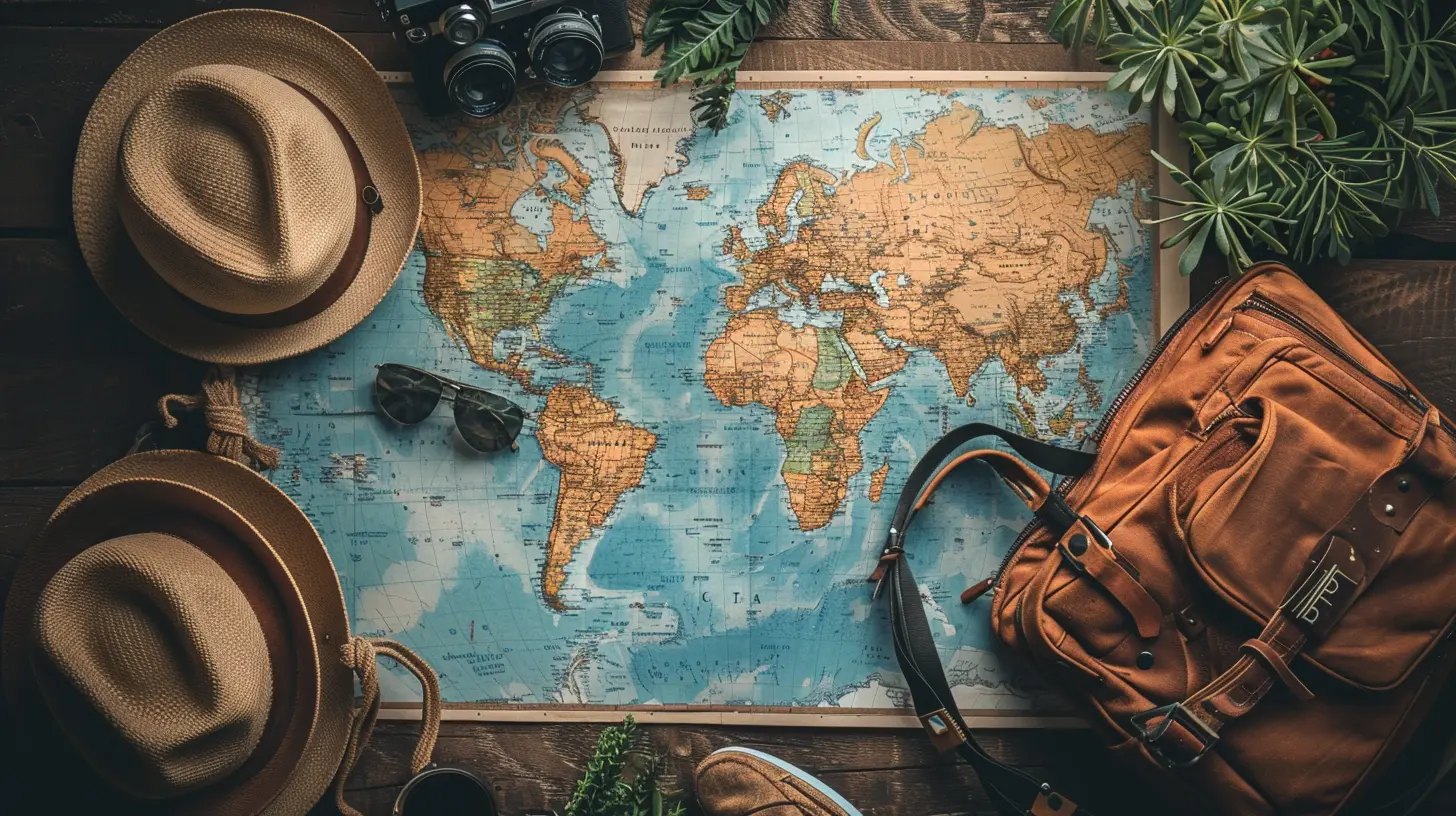
Most packing mistakes happen before anything touches a bag. People pack for a fantasy version of their trip rather than the real one. The fix is simple but requires honesty.Write down three things before you pack a single item: the weather you will realistically face, the activities you will actually do, and the laundry options available to you. A ten-day trip with access to a washing machine needs roughly half the clothing of the same trip without one. A city break built around walking needs different footwear than a resort stay where you barely leave the pool.
Consider a common scenario. Someone books a week in Portugal in late spring. They pack for "Europe," which in their mind means mild and pleasant. In reality, the north can be cool and wet while the south is already hot. Packing layers solves this far better than packing two separate wardrobes. The lesson: pack for the range of conditions, not the average.
The Carry-On Discipline That Saves Trips
The single most valuable packing habit is committing to carry-on only, even when you have the option to check a bag. This is not about being a minimalist for its own sake. It is about control.Checked bags get lost, delayed, and damaged. They also lock you into arriving early at the airport and waiting at carousels. A carry-on lets you walk out of the terminal and start your trip. The trade-off is real: you give up some flexibility on liquids and you have to be more disciplined about what you bring. For most trips under two weeks, that trade is worth it.
If you truly need to check a bag, for example on a long trip with specialized gear, split your essentials. Put medication, a change of clothes, chargers, and your documents in your carry-on. If the checked bag goes missing, you can still function for a couple of days.
Know Your Airline's Actual Limits
Cabin size rules vary more than most travelers realize, and enforcement has become stricter in recent years. Budget carriers in particular often have smaller allowances than full-service airlines, and gate staff do measure bags. Before you buy a new suitcase, check the specific dimensions for every airline on your itinerary, not just the first one. A bag that fits one carrier may not fit another.Soft-sided bags are more forgiving than hard shells when a sizer is involved, because they compress slightly. They also tend to weigh less empty, which matters if your airline has a strict weight limit on cabin bags. That is a trade-off worth understanding: hard shells protect fragile items better, but soft bags are more flexible in tight situations.
Clothing: Fewer Pieces, Smarter Fabrics
The goal with clothing is not to pack less for its own sake. It is to pack pieces that work in multiple combinations and dry quickly.Merino wool remains one of the best travel fabrics for good reason. It resists odor, regulates temperature, and dries reasonably fast. You can wear a merino t-shirt several times between washes, which cuts your packing list dramatically. The downside is cost and, for some people, durability concerns with very thin versions. A mid-weight merino blend often hits the best balance.
Synthetic technical fabrics dry faster than cotton and pack smaller. Cotton, despite its comfort, is a poor travel choice for anything that might get wet or need hand-washing, because it holds water and takes a long time to dry. If you love cotton, save it for the flight or for short trips where laundry is not a concern.
A Workable Capsule for a Week
A practical starting point for a one-week trip in mixed conditions:- Two or three base layers (merino or synthetic)
- One mid layer such as a fleece or light sweater
- One weatherproof outer shell
- Two pairs of trousers or one trouser and one short
- Underwear and socks for four to five days, assuming you will wash
- One set of clothes that works for a nicer dinner
- One pair of broken-in walking shoes and one lighter pair
This list looks sparse, and that is the point. The variety comes from layering, not from volume. If you are worried about looking repetitive in photos, remember that nobody on the trip will see your whole wardrobe, and most people overestimate how much others notice.
The One-Outfit Rule for Doubters
If carry-on only feels too aggressive, try a middle path: pack as if you are bringing one outfit per day plus one spare, then remove two items. Most people find they never wore the removed pieces. This small experiment builds confidence quickly and is a gentler way to learn your real packing needs.
Footwear Deserves Its Own Section
Shoes are the heaviest, bulkiest items most people pack, and they are also the most common source of trip-ruining problems. The rule is simple: never bring shoes you have not worn for at least a full day of walking before the trip. Blisters do not care about your itinerary.Bring two pairs maximum for most trips. One should be a comfortable walking shoe suited to the terrain you expect. The other should cover a different need, such as a lighter shoe for warm evenings or something that works in wet conditions. Wearing your heaviest shoes on travel days saves space and weight in your bag.
Think carefully about formal shoes. They are heavy, rarely worn, and often unnecessary. Many restaurants and venues in 2027 are more relaxed about footwear than travelers assume, though it is worth checking if you have a specific reservation in mind. If you truly need dress shoes, look for lightweight packable versions rather than your usual pair.
Toiletries and Liquids: The Practical Approach
Liquid rules at security remain a friction point, and while some airports have introduced newer scanning technology that may eventually relax restrictions, you should plan for the traditional limits until you know otherwise for your specific route. The reliable strategy is to decant everything into small refillable containers.Solid alternatives have become genuinely good. Shampoo bars, solid deodorant, and toothpaste tablets eliminate liquid concerns entirely and rarely leak. They also tend to last longer per gram than their liquid equivalents. The trade-off is texture and habit: some people never get comfortable with a shampoo bar, and that is fine. Test at home before a big trip.
Do not overpack toiletries. Hotels and rentals increasingly provide basics, and you can buy almost anything at your destination. The exception is medication, which should always travel with you in original packaging, along with a copy of any prescription. If you take regular medication, pack more than you think you need and keep it in your carry-on.
The Leak-Proof Kit
A small pouch with your liquids, a few zip bags, and a spare sealable bag costs almost nothing and prevents the classic disaster of shampoo coating your clothes. Pack liquids at the top of your bag where pressure is lowest, and squeeze air out of bottles before closing them.
Tech Gear That Earns Its Place
Technology is where packing lists quietly balloon. Every cable, adapter, and gadget feels essential until you are carrying two kilograms of chargers you use once.Start with power. A single multi-port USB-C charger can replace a bag of individual adapters for most travelers. A compact power bank is worth its weight for long travel days, but check the airline's rules on battery capacity, since limits apply and enforcement varies. Spare cables are worth bringing, but not four of them.
A universal travel adapter is genuinely useful for multi-country trips, though a simple plug adapter plus your existing charger often weighs less and costs less than an all-in-one unit. Think about which you actually need based on your itinerary.
Consider what you will not bring. A laptop on a short leisure trip is often dead weight. A dedicated camera is worth it only if photography is a real part of the trip for you; modern phones handle most casual needs well. Noise-cancelling headphones are one of the few tech items nearly everyone agrees earns its space on long flights, though they add bulk.
Packing Tech Safely
Keep batteries in your carry-on, never in checked luggage. Use a small organizer pouch so cables do not tangle, and label your chargers if you travel with others. If you rely on your phone for tickets and navigation, bring a backup charging option, because a dead phone in an unfamiliar city is a stressful situation you can easily avoid.Documents, Money, and the Backup Plan
Digital documents are convenient until your phone dies or the network fails. The reliable approach is redundancy: keep digital copies in cloud storage, keep a physical copy of key documents, and keep your passport somewhere secure on your person.For money, carry a mix. A travel-friendly card with no foreign transaction fees handles most spending, but a small amount of local cash is useful in many places for small purchases, markets, and situations where cards are not accepted. Check your bank's policies before you leave, and let them know your travel dates if they require it.
Travel insurance is one of those things people skip until they need it. Read the policy carefully rather than assuming it covers everything. Understand what is excluded, whether adventure activities are covered, and how claims work. The value is not in the paperwork; it is in knowing what you can actually rely on if something goes wrong.
Bags, Cubes, and the Organization Question
Packing cubes are popular, and for good reason: they compress clothing, keep categories separate, and make repacking fast. The trade-off is that cubes add a little weight and can encourage overpacking if you fill every cube to capacity. Used well, they are one of the best small investments in travel comfort.Compression cubes work particularly well for bulky items like jackets. Simple flat cubes suit folded shirts. A small pouch for dirty laundry keeps clean clothes separate, which matters more than people expect on longer trips.
The backpack versus rolling suitcase debate has no universal answer. Rolling bags are easier on your body over long airport walks. Backpacks handle stairs, cobblestones, and public transport better. Consider your destination's infrastructure and your own physical comfort. A hybrid approach, such as a rolling bag with backpack straps, exists but often does neither job brilliantly. Choose based on how you will actually move through your trip.
What 2027 Travelers Should Watch
A few trends are worth factoring into your planning, described here as possibilities rather than certainties.Sustainability rules are tightening in many destinations. Some cities and regions have introduced or expanded restrictions on single-use plastics, and more accommodations encourage or require guests to reduce waste. A reusable water bottle and a small set of reusable containers are increasingly practical rather than optional. Check local rules for your destination before you rely on buying bottled water everywhere.
Digital identity and border processes are evolving. Some countries are expanding the use of digital entry forms and biometric checks. The safe habit is to check official government sources for your destination shortly before you travel, since requirements can change and third-party sites are often out of date.
Airline cabin policies continue to shift as carriers look for efficiency. Do not assume the rules you knew a few years ago still apply. Verify baggage allowances, battery rules, and liquid limits for each airline and airport on your route.
Common Mistakes and How to Avoid Them
The most frequent packing error is packing for "what if" scenarios. What if there is a formal event? What if it snows? What if I need a second pair of jeans? Each what-if adds weight and clutter. A better question is: what is the realistic cost of not having this item, and can I buy or borrow it at my destination? For most items, the answer is that the cost is low and the item is available locally.A second common mistake is leaving packing to the night before. Packing early, even loosely, gives you time to notice gaps and remove items you do not need. It also reduces the chance of forgetting something important in a rush.
A third is over-relying on gadgets and under-relying on basics. A traveler with a simple, well-chosen kit and a clear plan will usually have a smoother trip than one with every gadget and no spare socks.
A Simple Pre-Trip Checklist
Before you close your bag, run through this:- Documents: passport, visas if required, insurance details, copies stored separately
- Medication: enough for the trip plus extra, in original packaging
- Clothing: layered, quick-drying, and matched to the real weather
- Footwear: broken in, two pairs maximum
- Toiletries: decanted or solid, leak-proofed
- Tech: charger, adapter, power bank, cables, all in one pouch
- Money: card plus some local cash, bank notified if needed
- Bag: within your airline's measured limits, with essentials in your carry-on
Then do one final pass and remove two items. You will almost certainly not miss them, and your shoulders will thank you.
Packing well is not about deprivation. It is about clarity. When you know why each item is in your bag, you carry less, move faster, and spend more of your trip focused on the place you came to see.
all images in this post were generated using AI tools
Category:
Travel ChecklistsAuthor:

Reed McFadden

