Top Island Escapes for Sunset Chasers in 2026
18 October 2026
Sunset chasing is one of those travel motivations that sounds romantic until you actually try to plan around it. The light you came for lasts maybe twenty minutes. The spot you choose determines whether those twenty minutes feel like a private audience with the sky or a scrum of tripods and selfie sticks. And the island you pick shapes everything else about the trip, from how you get around to what you eat while waiting for the sun to drop.
This guide is for travelers who treat sunset as the main event, not an afterthought. It covers where to go in 2026, why certain islands work better than others for this specific pursuit, and how to avoid the mistakes that turn a golden hour into a logistical headache. The recommendations below lean on geography, seasonal light patterns, and practical logistics rather than glossy marketing copy. Where outcomes depend on conditions or timing, I say so plainly.
What Actually Makes an Island Good for Sunset Chasing
Before naming destinations, it helps to define the criteria. Not every island with a west-facing beach deserves a spot on this list.The geometry of a good sunset
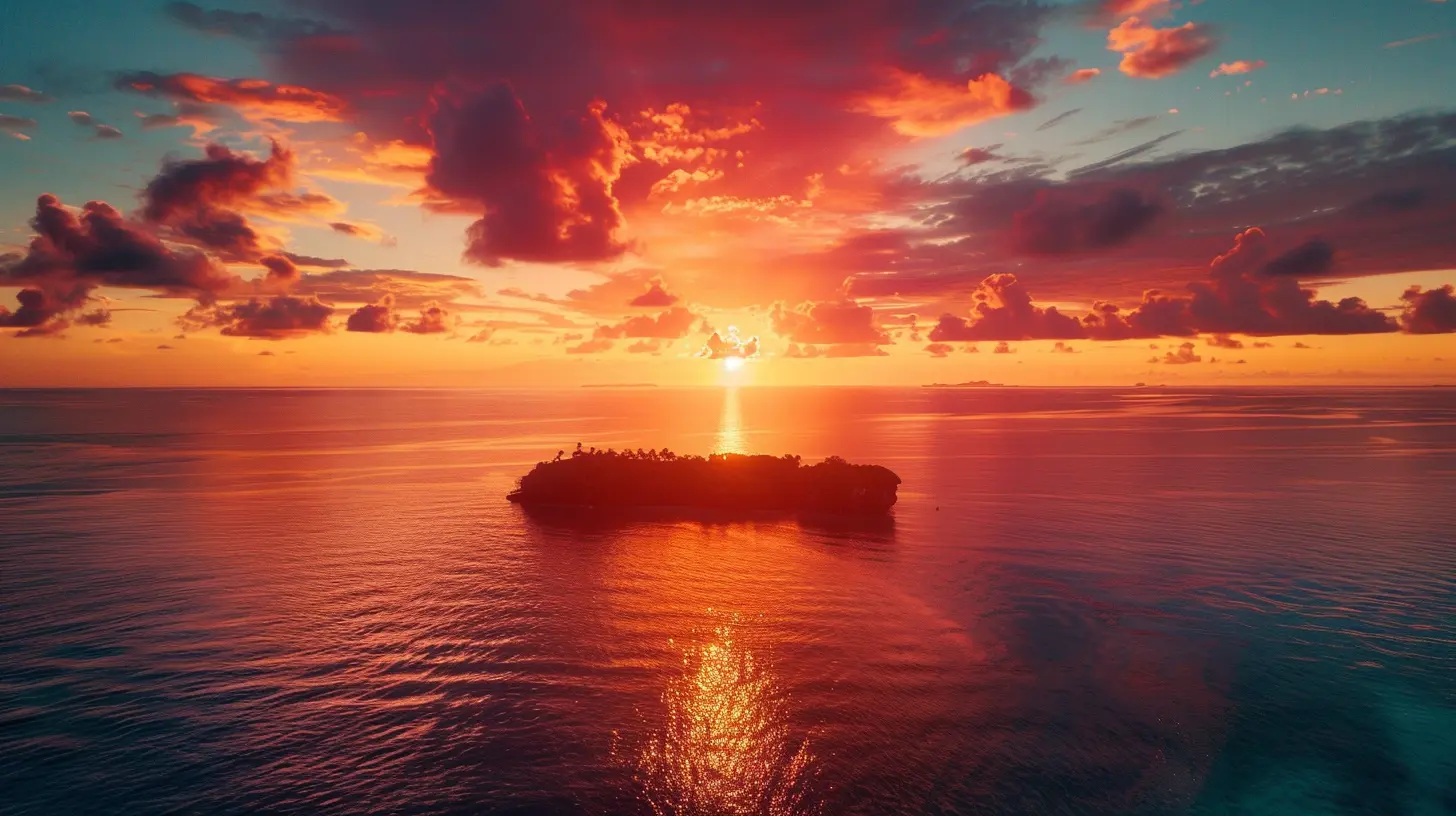
A sunset is a collision between three things: the sun's position, the horizon line, and whatever sits between you and the horizon. Islands with a clean western or northwestern exposure over open water give you the longest, most unobstructed light show. Islands ringed by other landmasses, or where the sun drops behind a mountain at 7:45 instead of 8:15, can feel disappointing even when the sky itself is beautiful.There is also the question of what the light does before it sets. High islands with volcanic peaks create dramatic shadow play and cloud formations that catch color long after the sun is gone. Flat atolls produce cleaner, more minimalist horizons but less drama. Neither is better. They are different products, and knowing which you want matters more than any ranking.
Access, crowds, and timing
The best sunset spot in the world is worthless if you cannot reach it before the light turns. This is where island size becomes a real variable. On a compact island like Bonaire, you can drive from your hotel to a western dive site in fifteen minutes. On a large island like Sardinia, the difference between a good and a great sunset spot can be ninety minutes of winding coastal road.Crowds follow the same logic. Islands with a single famous sunset viewpoint concentrate everyone there. Islands with many small, unmarked west-facing access points spread people out. If you value solitude at golden hour, favor destinations where the sunset infrastructure is diffuse rather than centralized.
Weather patterns you should actually check
A common misconception is that tropical islands guarantee clear sunsets. In reality, many tropical islands have afternoon cloud buildup that peaks right around sunset, especially during wet seasons. The islands that consistently deliver good sunset odds tend to have specific characteristics: a dry leeward coast, a prevailing wind that pushes clouds inland, or a climate pattern that keeps evenings clearer than afternoons. I flag these patterns per destination below because they change the calculus more than most guides admit.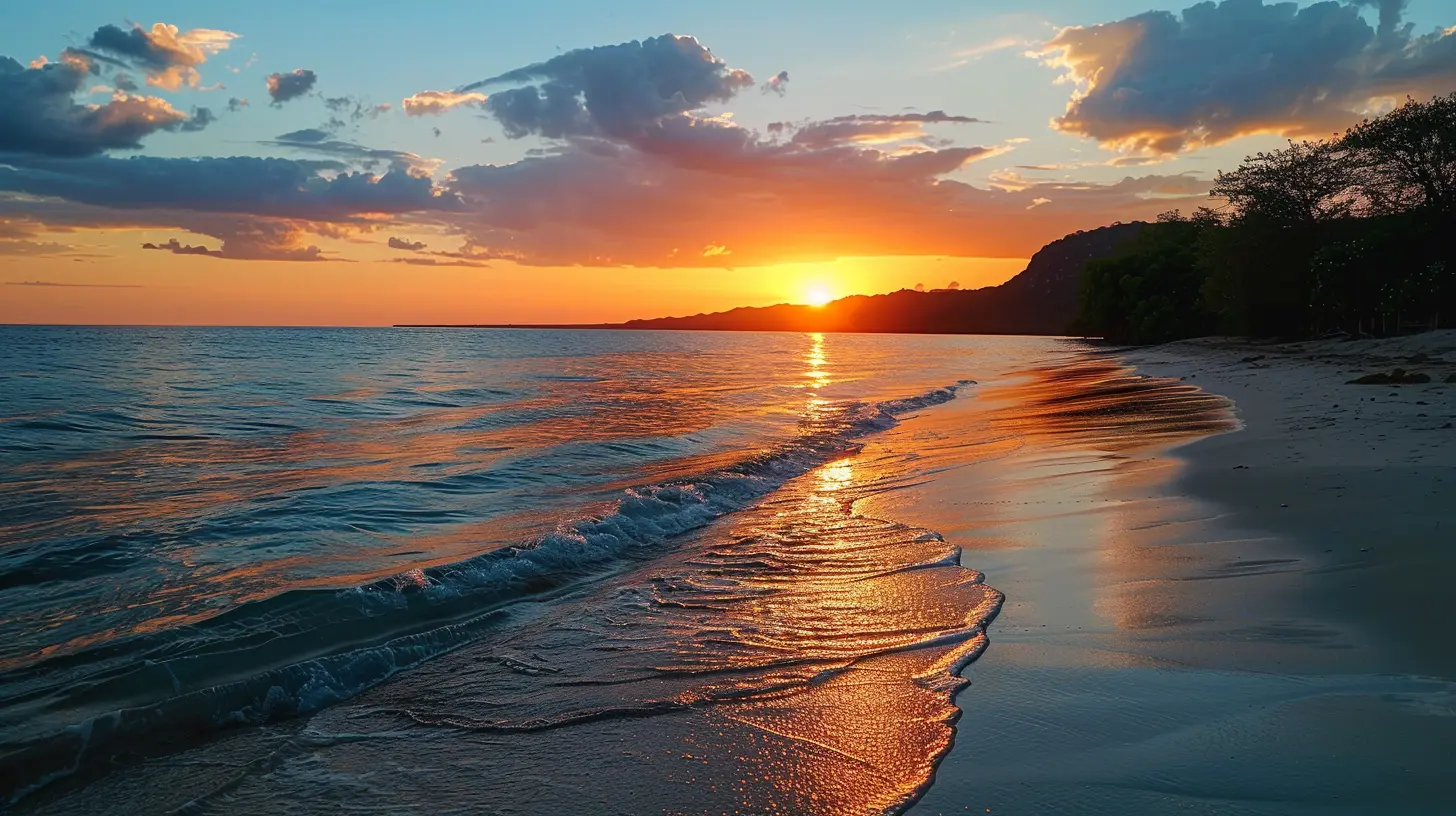
The 2026 Shortlist: Islands Worth Planning Around
The following destinations are grouped by the kind of sunset experience they deliver, because that is the more useful sorting mechanism than region or price.For open-horizon purity: Bonaire and the ABC islands
Bonaire sits outside the hurricane belt and has a leeward west coast that faces open Caribbean water for most of its length. The result is a nearly uninterrupted horizon line and a dry climate that keeps evening skies clear more often than not. The island is small enough that you can chase a different sunset spot every night for a week without repeating yourself, from the salt flats in the south to the dive sites north of Kralendijk.Why it works: the combination of low rainfall, flat western exposure, and short driving distances removes almost every variable that ruins a sunset plan. The trade-off is that Bonaire is not a lush tropical fantasy. It is arid, scrubby, and quiet. If you want jungle backdrops with your sunset, look elsewhere. If you want reliable light and empty water, this is hard to beat.
Curacao offers a similar geometry with more urban energy and more varied coastline. The western tip near Westpunt delivers the cleanest horizon, while the bays along the south coast give you framed compositions with cliffs and calm water. Aruba is the driest of the three and has the most developed resort infrastructure, which cuts both ways: easier access, more people at the famous spots.
For volcanic drama: Maui and the Canary Islands
High islands trade horizon purity for atmospheric theatre. On Maui, the summit of Haleakala is the obvious sunset and sunrise destination, but the more interesting play for sunset chasers is the west coast, where the sun drops behind the island of Lanai and the light reflects off the water in ways that a pure open horizon cannot produce. The trade-off is that you are not watching the sun hit the sea directly. You are watching it hit another island, which creates a different, often more layered scene.The Canary Islands, particularly La Palma and Tenerife, offer similar volcanic silhouettes with European accessibility. La Palma's west coast faces open Atlantic and has some of the clearest skies in Europe, which matters if you want to stay out after sunset for stargazing. Tenerife's Teide massif creates shadow effects that color the sky long after the sun is gone, but the island's popularity means the classic viewpoints get crowded. The workaround is to skip the famous miradores and use the coastal roads on the west side, where you can pull over almost anywhere with a clear view.
Common mistake here: booking a hotel on the east or north coast and assuming you can just drive to the west for sunset every evening. On both Maui and the larger Canaries, that drive can be an hour or more each way on winding roads. Stay on the sunset side if sunset is your priority.
For long, slow light: Mediterranean islands in shoulder season
Sardinia, Corsica, and the Greek islands all deliver spectacular western exposures, but the experience varies enormously by season. In July and August, the sun sets late, the light is warm but the crowds are heavy, and the heat can make the pre-sunset hours unpleasant. In May, June, September, and early October, you get softer light, fewer people, and evenings that are comfortable rather than oppressive.Sardinia's west coast, particularly around Alghero and the Sinis Peninsula, combines open sea horizons with the kind of rock formations and tidal flats that make foreground composition easy. Corsica's west coast is more rugged, with sunsets that drop behind distant headlands rather than clean water. The Greek islands vary widely. Santorini's caldera sunset is famous for a reason, but the crowds have become a genuine problem, and the geometry means you are often watching the sun set behind other islands rather than into open sea. Islands like Milos and Folegandros offer similar light with a fraction of the audience.
Why shoulder season works better: the sun's angle is lower for longer, which stretches the golden hour and gives you more usable light. The trade-off is that weather becomes less predictable, and some tourist infrastructure closes in October. Check ferry schedules and restaurant hours before committing to a late-season trip.
For remote solitude: the outer islands of Fiji and French Polynesia
If your ideal sunset involves no one else on the beach, the outer islands of Fiji and French Polynesia are worth the extra flight connections. The trade-off is real: these destinations cost more, take longer to reach, and offer fewer backup options if weather turns. But the payoff is sunsets over water so clear and empty that the horizon line becomes the entire composition.The practical consideration here is resort orientation. Many remote island resorts face east or south because of prevailing winds or reef structure, which means your sunset view might be over a lagoon rather than open ocean, or require a short boat ride to a west-facing motu. Ask specifically about sunset orientation before booking. This is the single most common booking mistake in this category, and it is entirely avoidable with one email.
For city-meets-sea sunsets: Malta and Malta's smaller neighbor
Malta offers something the pure beach destinations do not: sunsets framed by architecture. The walls of Valletta and the harbors around the island give you foregrounds that most island destinations lack. The trade-off is that Malta is densely populated and the famous spots, like the Dingli Cliffs, draw crowds. The workaround is to use the smaller island of Gozo, where the west coast faces open sea and the pace is slower.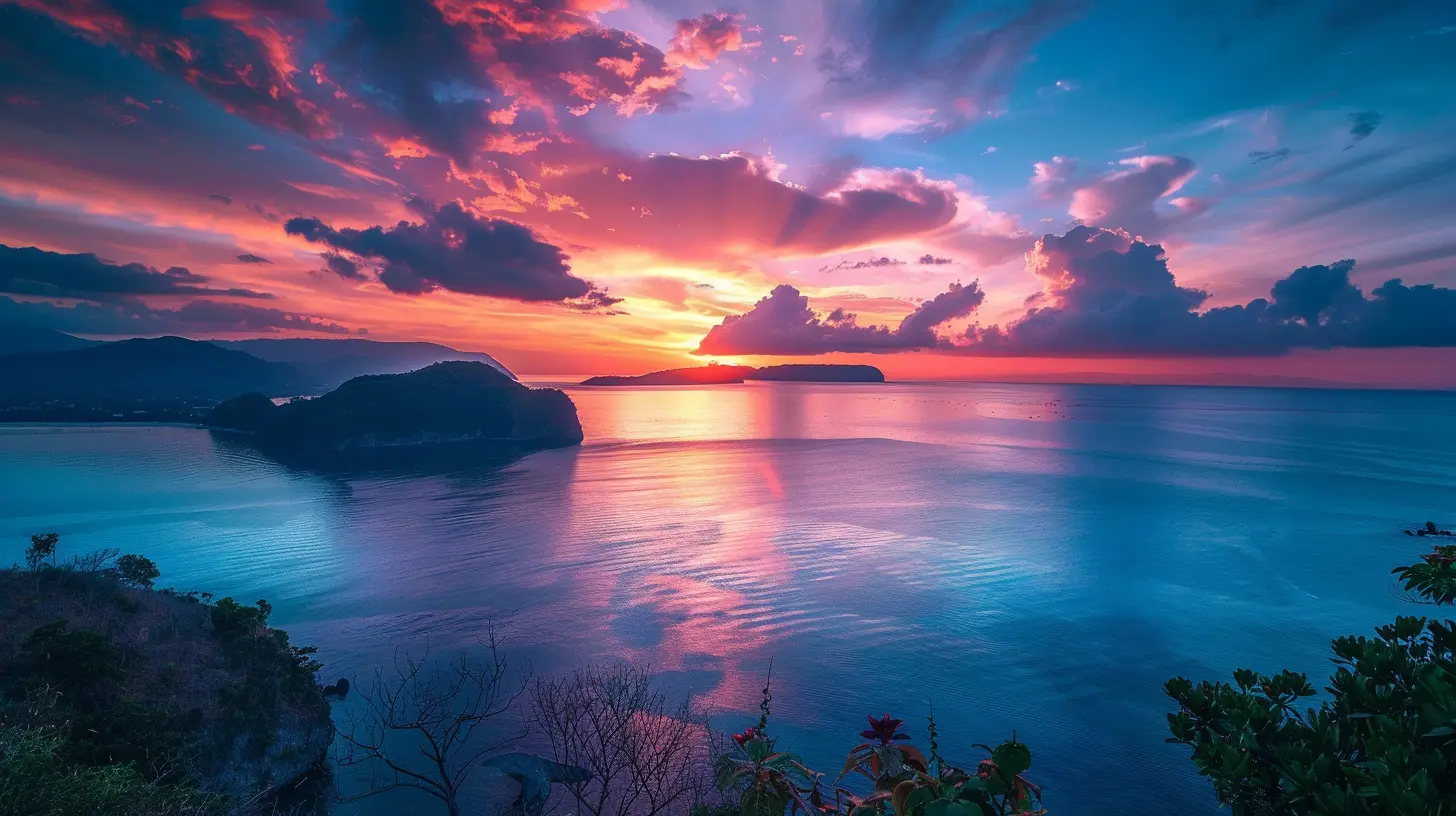
How to Plan a Sunset-First Island Trip
The following practices separate trips that reliably deliver good light from trips that leave you scrolling through other people's photos wondering what went wrong.Build your itinerary around the sun, not the map
Most travelers plan by attraction and squeeze sunset in wherever it fits. Sunset chasers should invert this. Identify your sunset spots first, then build the rest of each day around being in the right place at the right time. This often means clustering activities geographically so you are never more than thirty minutes from your evening target.Check sunset azimuth, not just sunset time
Sunset time tells you when. Sunset azimuth tells you where on the horizon, and it changes significantly across the year. An app or a simple compass check will tell you whether the sun will drop behind a headland, an island, or open water at your chosen spot on your chosen date. This matters most in the Mediterranean and on high islands, where a few degrees of azimuth can mean the difference between a clear view and a sun that disappears early behind terrain.Arrive early for reasons beyond positioning
Golden hour starts before sunset, and the light in the hour before is often better than the light at the moment of sunset. Arriving sixty to ninety minutes early gives you time to scout foreground, find a clean composition, and settle in. It also protects you from the most common failure mode: arriving at 7:55 for an 8:00 sunset and finding every good vantage point taken.Have a bad-weather plan that is not just a bar
Cloudy sunsets can be spectacular. Overcast ones cannot. Know in advance which nearby spots offer a different exposure or elevation, and be willing to move. On high islands, driving uphill often gets you above low cloud. On flat islands, repositioning to a different coast rarely helps at sunset, so a backup plan involving tomorrow is more honest than a frantic drive.Respect the local rhythm
On many islands, sunset is a communal event. Locals gather at specific waterfront spots, and joining them respectfully is often the best way to find the right place. Conversely, trespassing through private property or blocking roads for a photo is a genuine problem in several of the destinations above. Ask at your accommodation where people actually go, and follow the cues.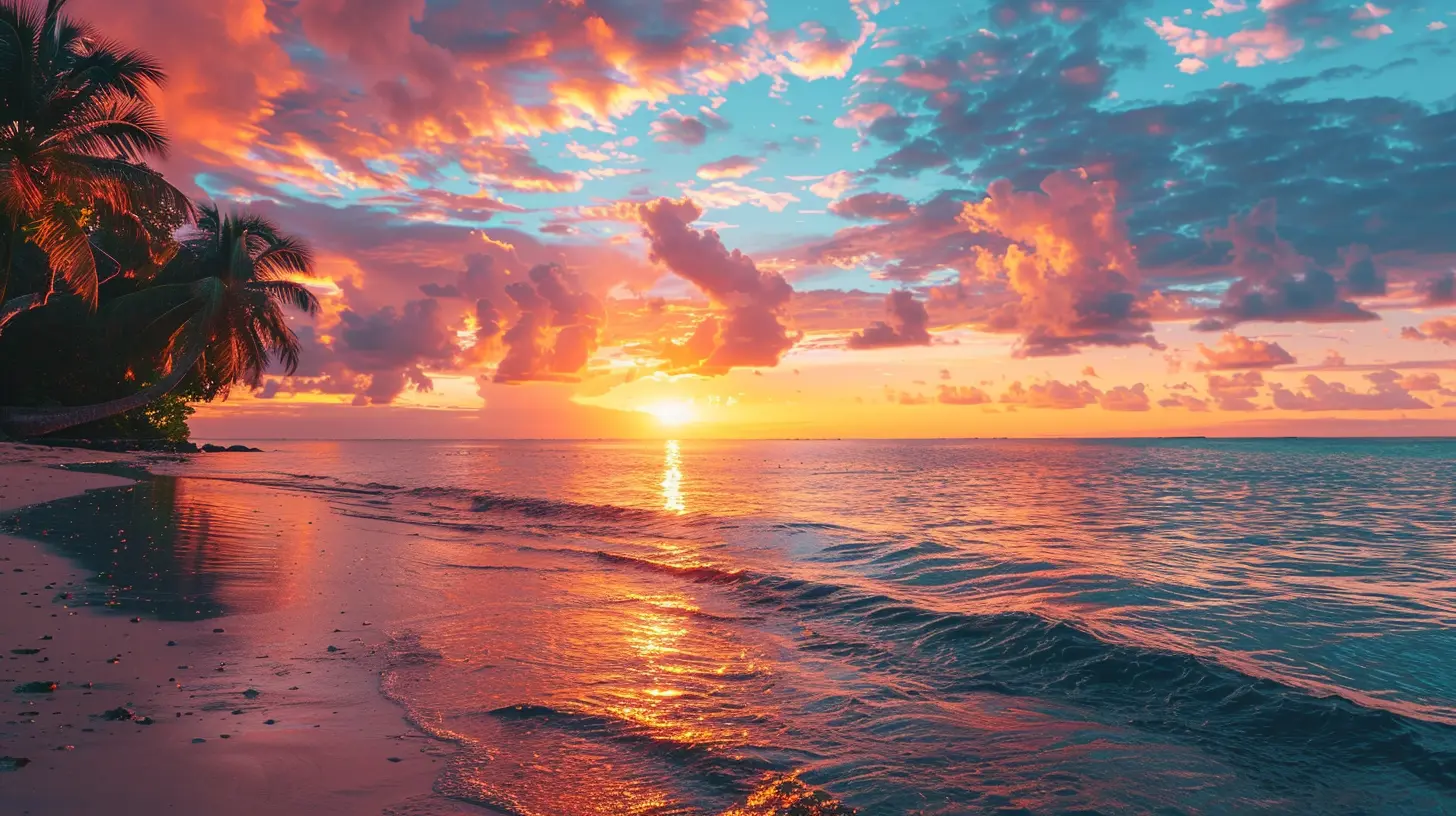
Common Mistakes and Misconceptions
A few persistent myths deserve direct correction.Myth: west coast always means good sunset. Not if the west coast faces a neighboring island, a mountain, or a reef that breaks the horizon. Check the actual view line, not the compass direction.
Myth: clear skies make the best sunsets. The most vivid sunsets usually involve high, thin clouds that catch light after the sun drops. Perfectly clear skies give you a clean but often brief show. A mix of cloud layers is usually better than none.
Myth: you need to book the famous viewpoint. Famous viewpoints are famous because they are accessible, not because they are best. The second or third best spot on any island is often nearly as good and far less crowded.
Mistake: ignoring wind. A beautiful west-facing beach can be unusable at sunset if the onshore wind sandblasts you. Check prevailing wind direction for your dates, and favor spots with some shelter or elevation.
Mistake: planning a single sunset. Weather happens. Build in at least three or four sunset opportunities per trip so one bad evening does not define the whole experience.
Practical Considerations for 2026
A few forward-looking notes that affect planning this year and next.Island destinations continue to see visitor management measures, from timed entry at popular viewpoints to cruise passenger caps in historic ports. Check whether your target island has implemented any reservation systems for sunset hours, particularly in the Mediterranean and the Caribbean. The trend is toward more management, not less, and arriving without a plan is increasingly risky at the most famous spots.
Ferry and inter-island flight schedules remain the biggest logistical wildcard in archipelagos. Build buffer days around any sunset plan that depends on a connection. A missed ferry does not just cost you a day. It costs you the specific evening light you planned around.
Finally, consider the carbon and cost math of remote island travel. The outer Pacific destinations deliver the most solitude, but they also require the longest flights and the most connection risk. If your priority is reliable, repeatable sunset quality with lower logistical friction, the Caribbean ABC islands and the Mediterranean in shoulder season offer a better ratio of reward to effort. If your priority is emptiness and you have the time and budget, the remote Pacific earns its cost.
Final Thoughts
Sunset chasing rewards specificity. The travelers who consistently come home with the light they wanted are not the ones who picked the most famous island. They are the ones who checked the horizon line, the seasonal cloud pattern, the drive time, and the crowd concentration before booking. Every destination above can deliver a memorable evening. The difference is in matching the island's particular character to the kind of sunset you actually want to experience.Pick your geometry first, your season second, and your specific spot third. The rest of the trip will arrange itself around those twenty minutes, and that is exactly the right way to plan it.
all images in this post were generated using AI tools
Category:
Sunset SpotsAuthor:

Reed McFadden