Tipping Etiquette: What’s Expected in Various Countries?
13 June 2026
Let’s face it—tipping can be just as confusing as assembling IKEA furniture without the manual. One minute you're confidently dropping a generous tip, and the next you're offending someone in a quiet sushi bar in Tokyo. Whether you're a seasoned traveler or gearing up for your first big overseas adventure, understanding tipping etiquette around the world can save you from awkward stares, unexpected bills, or ungrateful glances.
So, grab your imaginary passport and let’s navigate the globe one tip at a time!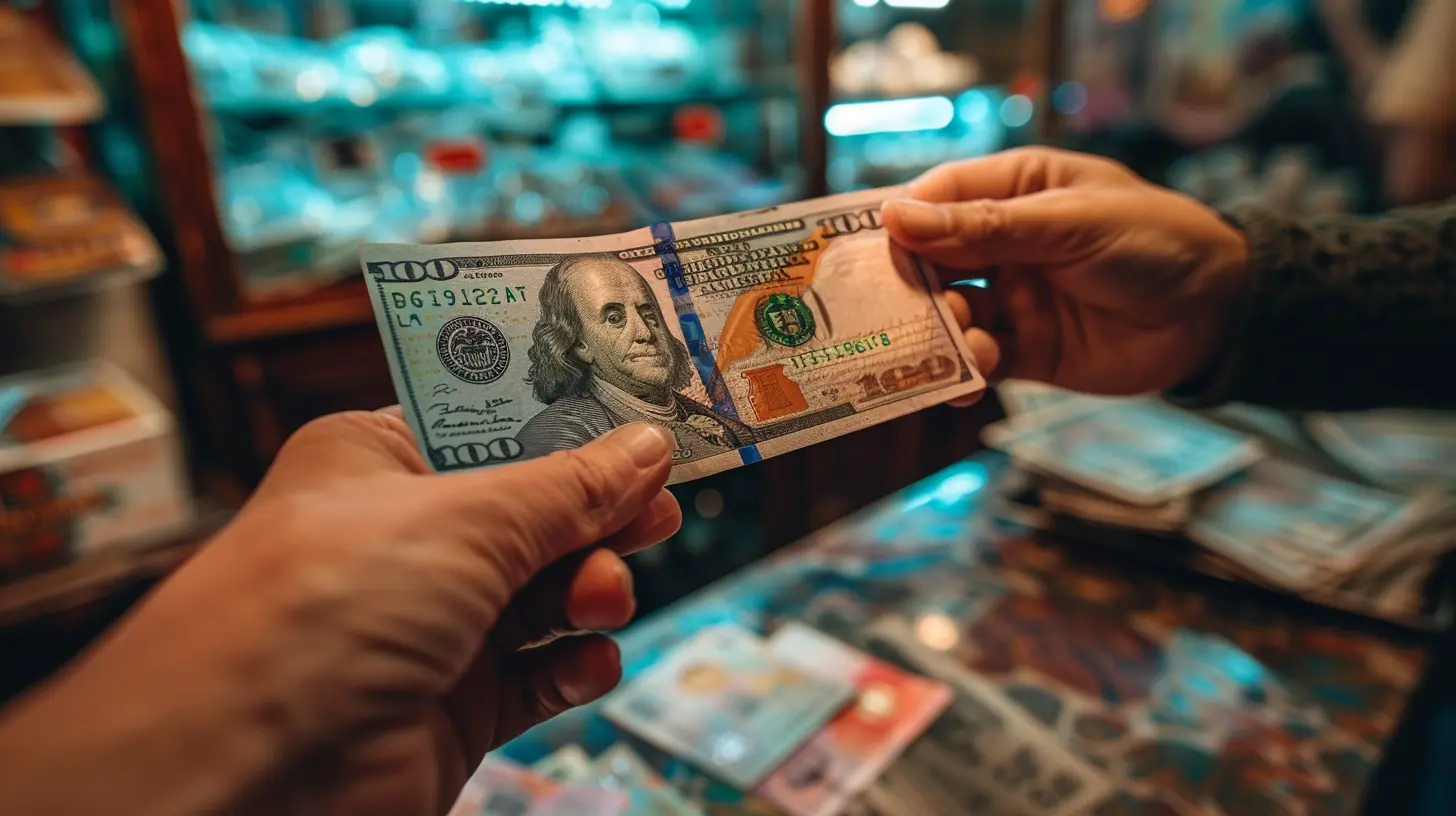
Why Tipping Even Exists: A Quick Backstory
Before we dive into country specifics, let’s answer the burning question: why do we tip in the first place?Tipping started way back in ye olde England (as most weird customs do), originally as a way for wealthy patrons to offer "To Insure Promptitude" (yep, T.I.P.) to servants. Fast forward a few centuries, and now we’re stuck figuring out how much to leave on a pizza receipt in Rome while struggling with jet lag.
Spoiler alert: not every country loves or embraces tipping like the U.S. does.
The United States: Where Tipping is Practically a Religion
Welcome to the land of the free and the home of the... 20% tip. In the U.S., tipping is deeply ingrained in the service culture. Most servers earn a shockingly low minimum wage and rely on tips to make a living.What’s expected?
- Restaurants: 18–20% of the total bill (pre-tax). More if the service was phenomenal.
- Bars: $1–2 per drink, or 20% of the tab.
- Taxis/Rideshares: 10–15%.
- Hotel staff: $1–2 per bag for bellhops; $2–5 per day for housekeeping.
Don't be that person who leaves spare change on a $75 meal. Trust me, the server won’t be thrilled.
Canada: America’s Polite Cousin (With Similar Tipping Habits)
Oh Canada! Slightly more relaxed but still riding the tipping train. Tipping etiquette here mirrors the U.S., although there’s sometimes a little more wiggle room.What’s expected?
- Restaurants & Cafés: 15–20%.
- Bars: $1 per drink or 15–20%.
- Taxis: 10–15%.
- Hotels: Similar to the U.S.—bellhops and housekeepers appreciate tips.
Add a smile, a “thank you,” and you’ll be the toast of Toronto.
United Kingdom: It’s Not Mandatory, But It’s Nice
Across the pond, Brits are a bit more reserved — even with their tipping. While appreciated, tipping isn’t always expected.What’s expected?
- Restaurants: 10–15% if service isn’t already included. (Always check your bill!)
- Pubs: Tipping your pint-puller? Nah. Just say cheers.
- Taxis: Round up or add 10%.
- Hotels: £1–2 for bellhops; a few pounds for housekeeping.
Don’t flash your cash around too much though—it’s just not the British way.
France: Oui to Service Charges, Non to Overtipping
In France, the bill usually includes a service charge (“service compris”), which technically means you don’t have to leave anything more. But if service was top-tier, a little lagniappe (that’s a fancy word for a little extra) is appreciated.What’s expected?
- Restaurants: A few euros or round up.
- Cafés/Bars: Leaving coins behind is common.
- Taxis: 5–10%.
- Hotels: €1–2 for bellhops and housekeeping.
You won’t get dirty looks for not tipping, but you might just warm a Parisian heart if you do.
Italy: When in Rome… Don’t Overdo It
Tipping in Italy isn’t standard practice and certainly isn’t seen as a civic duty. Italians believe in being paid fairly upfront—how revolutionary, right?What’s expected?
- Restaurants: A couple of euros if you're feeling generous. Many locals leave the small change.
- Cafés: No tip required.
- Taxis: Round up—simplicity is key.
- Hotels: €1–2 per bag or per day for housekeeping.
Word to the wise: don’t slap down a big tip; it might confuse your server more than impress them.
Germany: Efficiency, Precision, and Tipping with Purpose
Germans are practical, even when it comes to gratuities. Service charges are included in your bill, but a small additional tip is customary.What’s expected?
- Restaurants: 5–10%. Tell the server the total amount you want to pay instead of leaving cash on the table.
- Bars: Round up.
- Taxis: Round up or add 10%.
- Hotels: €1–2 for bellhops and housekeeping.
Don't forget, Germans prefer you to hand over the tip directly, not leave it on the table. It’s all about efficiency!
Japan: Just... Don’t.
Tipping in Japan? That’s like bringing a sandwich to a sushi buffet—unnecessary and possibly insulting.In Japanese culture, exceptional service is part of the job, not a bonus-worthy surprise. Leave a tip, and you might get chased down the street because they think you left money by accident.
What’s expected?
- Restaurants, cafes, bars, taxis, hotels: Nada. Seriously.
If you’re desperate to show appreciation, consider small gifts or a sincere “arigatou gozaimasu.” That goes a long way.
China: Tipping? Not Traditional, But Times Are Changing
Historically, tipping in China was frowned upon, seen as patronizing. But with increasing international tourism, attitudes are slowly shifting—especially in big cities and touristy spots.What’s expected?
- High-end restaurants: May include a service charge; tipping is optional but appreciated.
- Taxis: Rarely tipped unless you want to round up.
- Tour guides: A small tip is welcomed in tourist circles.
- Hotels: Leave a few yuan for housekeeping.
When in doubt, follow local lead—if locals aren’t tipping, you probably shouldn’t either.
Thailand: Graciousness Over Gratuity
Thailand is known as the "Land of Smiles"—and those smiles aren’t conditional on cash. Tipping isn’t mandatory but is definitely appreciated, especially in major tourist areas.What’s expected?
- Restaurants: 10% in higher-end places if not included.
- Street food: No tip expected.
- Taxis: Round up.
- Hotels: 20–50 baht for housekeeping or bellhops.
Offering a tip is more about generosity than obligation. Think of it as spreading good karma.
Australia & New Zealand: Laid-back and Low-Pressure
Down Under, tipping is more of a "nice if you want" rather than "you’d better do it." With high minimum wages, service workers aren’t dependent on tips to survive.What’s expected?
- Restaurants and cafés: 10% if service was great.
- Bars/pubs: Not expected.
- Taxis: Round up or add 10% during holidays or peak hours.
- Hotels: Optional, but appreciated.
Locals won’t bat an eye if you skip tipping—but throw in a few coins and you’ll get a cheerful “cheers, mate.”
Mexico: Tips Keep Things Moving
In Mexico, tipping is expected, sometimes even relied upon. It’s best to keep small coins and pesos handy—because you're going to need them!What’s expected?
- Restaurants: 10–15% of the bill.
- Bars: 10–15% or a few pesos per drink.
- Taxis: Round up unless negotiated otherwise.
- Hotels: 10–50 pesos for housekeeping and bellhops.
Handing over tips in cash (preferably in local currency) ensures that the right person gets it.
South Africa: Tipping with a Smile
Tipping in South Africa is customary—and sometimes expected—even in situations you might not anticipate.What’s expected?
- Restaurants: 10–15% of the bill.
- Petrol stations (yes, seriously): Give the attendant 5–10 rand.
- Taxis: Not common (except for private drivers).
- Hotels: 10–20 rand for bellhops or housekeeping.
And here’s a fun surprise—car guards (people watching your parked car) also expect a few rand!
Russia: Show Some Appreciation
Tipping in Russia isn’t deeply traditional, but it has gained traction, especially in cosmopolitan cities like Moscow and St. Petersburg.What’s expected?
- Restaurants: 10% if service wasn’t included.
- Bars: Not expected, but rounding up helps.
- Taxis: Usually included in the fare. Round up.
- Hotels: 50–100 rubles for bellhops or housekeeping.
Just don’t try to tip with foreign currency—rubles rule here.
Pro Tips (Not Tipping Tips, Just...Tips on Tipping)
- Always Check the Bill: In many European countries, a service charge is already included.- Use Local Currency: It’s more useful to the recipient and avoids confusion.
- Be Discreet: Flashy tipping can feel awkward. Slide it over casually.
- When in Doubt, Ask: Your hotel concierge or local guide can clue you in.
Conclusion: Tiptoe Through the Tipping Maze
Tipping etiquette is like international seasoning—each country adds its own flavor. Some spice it up with 20% norms, others keep it bland with “no tipping, please.” But, as with all travel experiences, a little preparation (and a good sense of humor) goes a long way.So, whether you’re sliding coins onto a café saucer in Paris or clutching your yen tightly in Tokyo, remember: it’s not just about money—it’s about showing appreciation. And hey, worst case? You’ll walk away with a good story and a slightly lighter wallet.
Bon voyage, you generous globe-trotter!
all images in this post were generated using AI tools
Category:
Cultural EtiquetteAuthor:

Reed McFadden
Discussion
rate this article
1 comments
Morrow King
Great article! Tipping customs can be tricky when traveling. This guide offers valuable insights that will help travelers navigate different cultures and show appreciation in the right way.
August 4, 2026 at 4:12 PM