Enchanting UNESCO Trails: Exploring the Best World Heritage Paths
2 June 2026
Have you ever dreamed of stepping into a storybook where every trail winds through ancient history, untouched nature, and culture-rich lands? That’s the magic of UNESCO World Heritage Trails. They’re more than just hiking paths — they’re living museums, scenic classrooms, and cultural time machines all rolled into one.
In this guide, we're diving into the most mesmerizing, bucket-list-worthy UNESCO trails around the world. From the terraced rice fields of the Philippines to the sun-blessed pilgrimage paths of Spain, these trails aren’t just about the journey — they’re about experiencing heritage with your own two feet.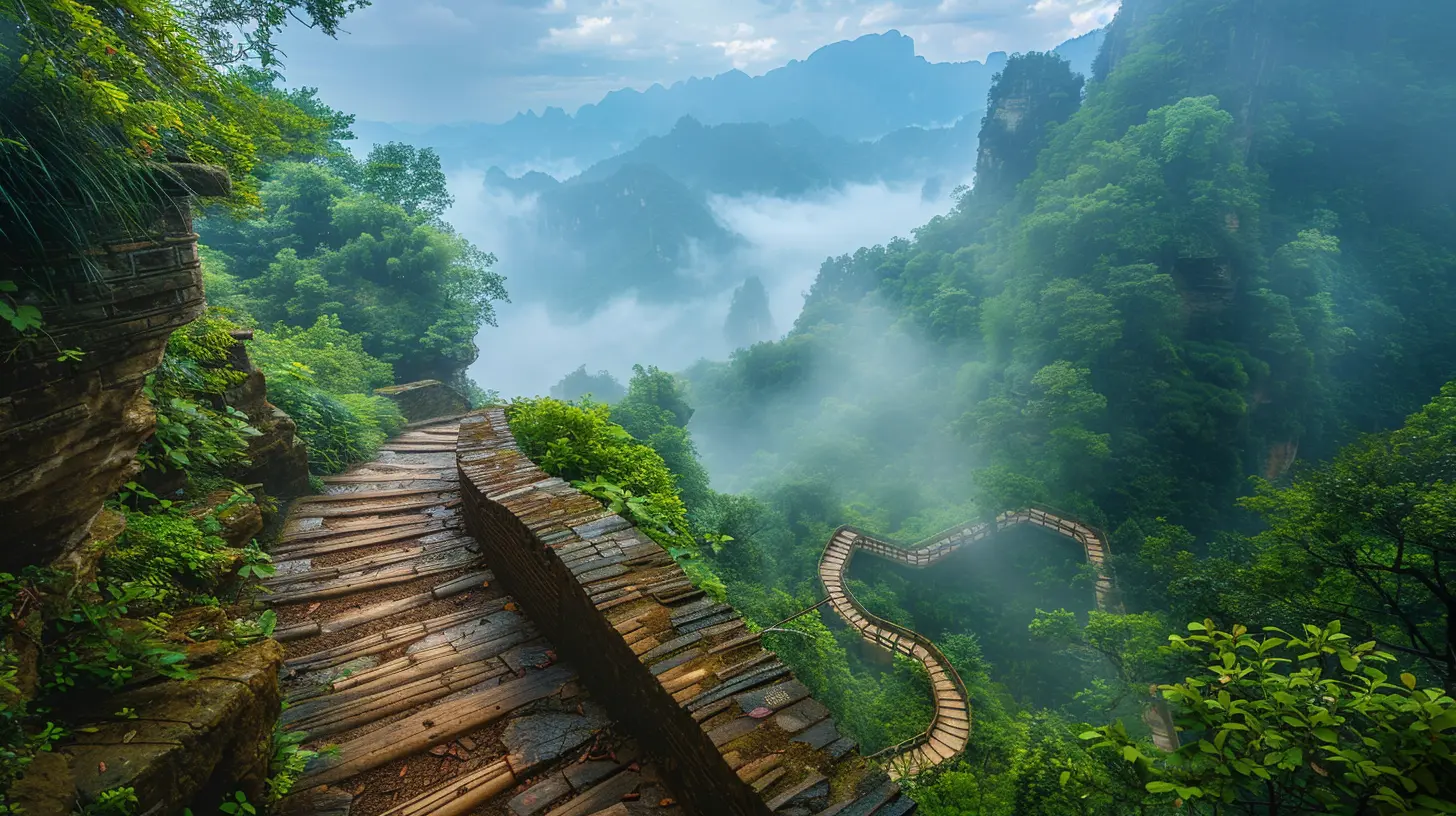
What Makes a Trail “UNESCO-Worthy”?
Before lacing up those hiking boots, let’s unpack what makes these trails shine on the global stage.UNESCO (the United Nations Educational, Scientific and Cultural Organization) doesn’t just hand out designations like candy. For a site — or in our case, a trail — to earn its spot on the World Heritage List, it needs to have outstanding universal value. That could mean cultural significance, historical architecture, biodiversity, or natural beauty that’s rare, fragile, and worth preserving for generations.
So, when you walk a UNESCO trail, you’re literally stepping through pieces of humanity’s collective legacy. Pretty cool, right?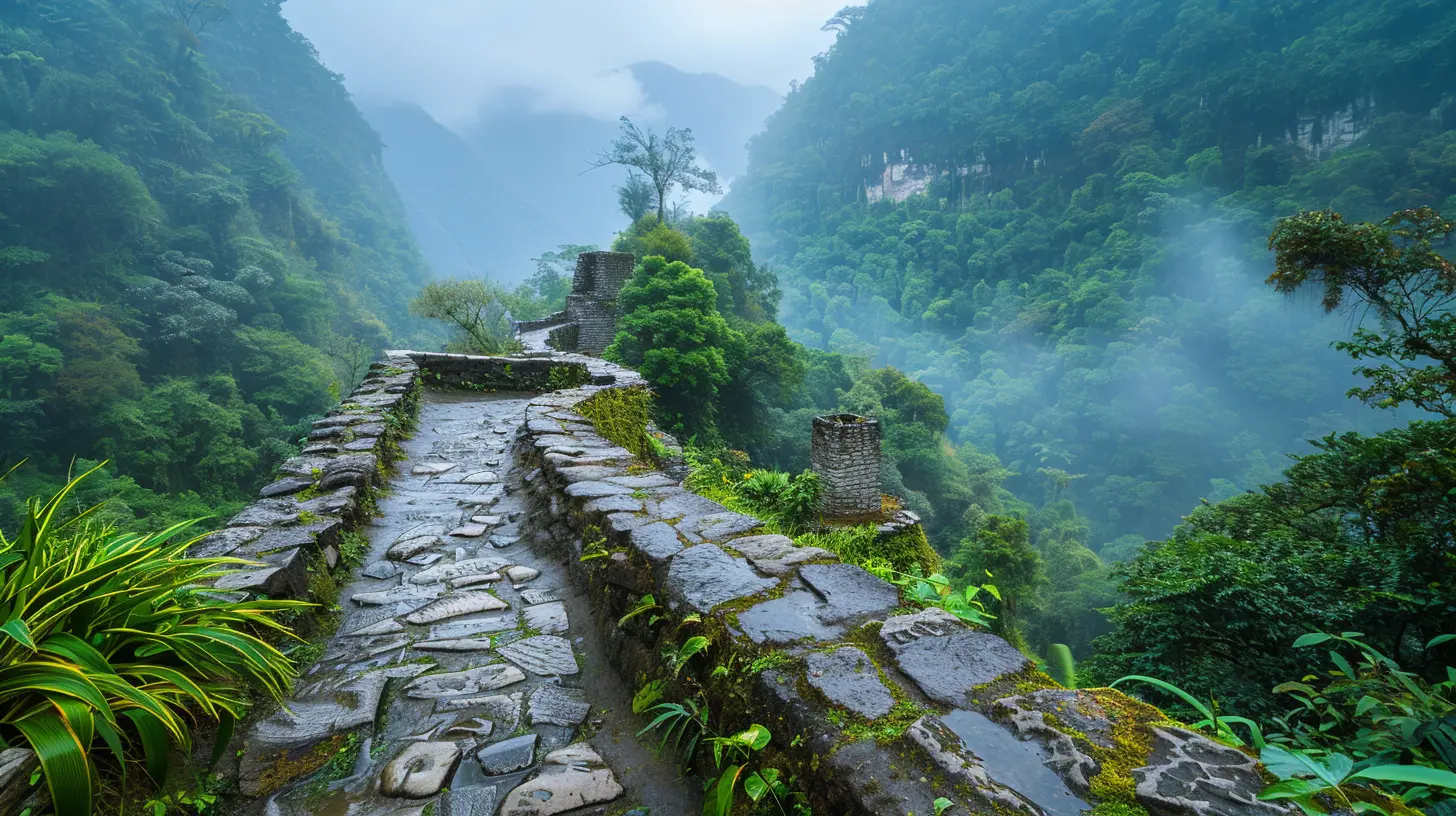
1. The Camino de Santiago (Spain)
Pilgrimage Meets Adventure
If there’s one UNESCO trail that gets all the glory, it’s the Camino de Santiago, or The Way of St. James. This centuries-old pilgrimage route isn’t just a hike — it’s a spiritual journey, a cultural immersion, and a social experiment all at once.Why It’s Special
- Historical Depth: Pilgrims have walked the Camino since the 9th century.- Cultural Reward: It ends at Santiago de Compostela Cathedral, where the remains of the Apostle Saint James are believed to rest.
- Flexible Routes: You’ve got options — the French Way, the Portuguese Way, the Northern Way, and more.
Pro Tip?
The Camino isn’t about speed — it’s about reflection. You’ll meet people from all walks of life, share meals, hear stories, and maybe even learn something new about yourself along the way.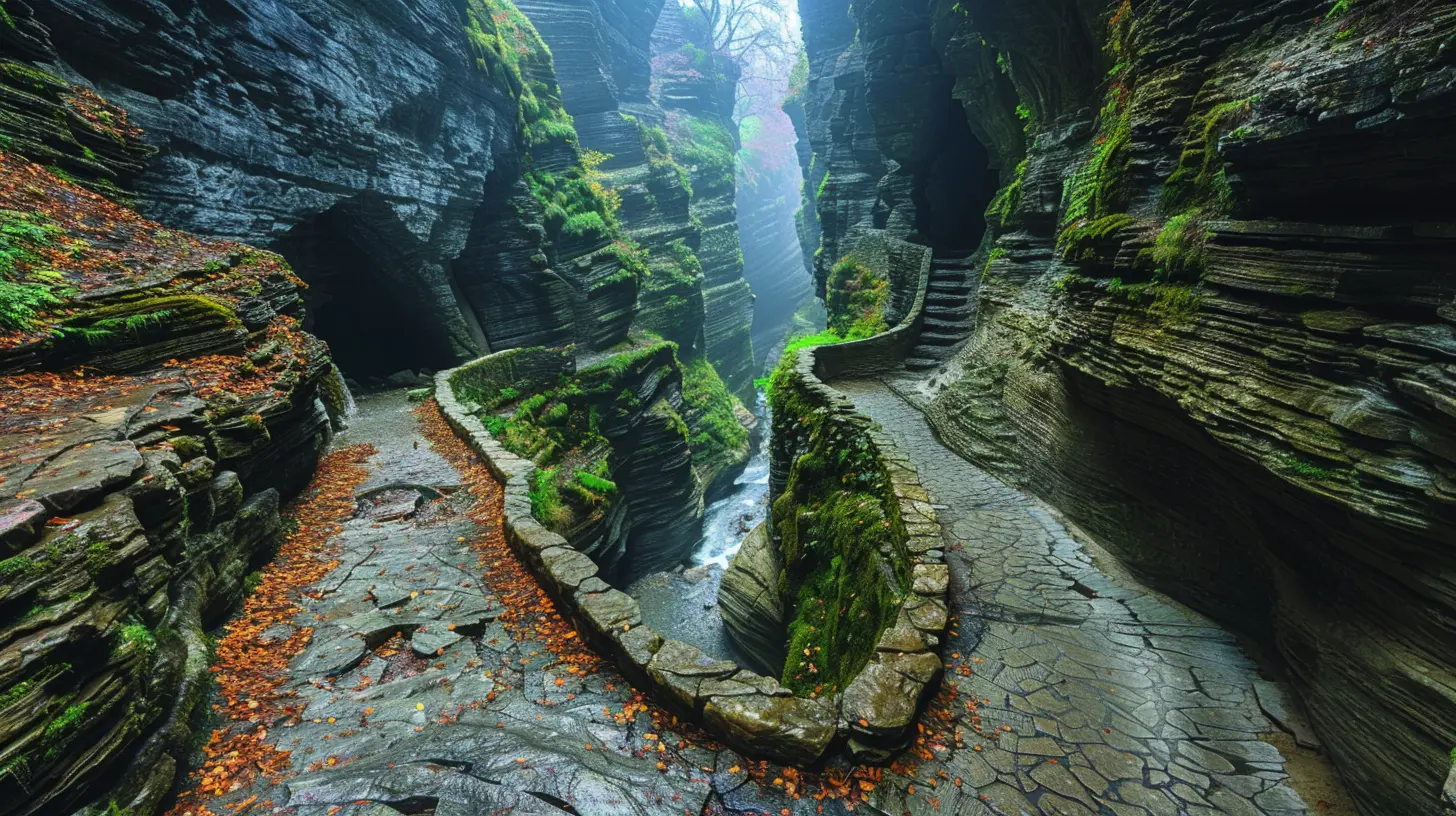
2. Inca Trail to Machu Picchu (Peru)
Ancient Roads in the Sky
Next up is the legendary Inca Trail, a high-altitude trek that winds through the Peruvian Andes and delivers you to one of the New Seven Wonders of the World — Machu Picchu.Why It’s Special
- Architectural Marvels: Walk past ancient ruins, agricultural terraces, and cloud forests.- Biodiversity: Spot llamas, orchids, hummingbirds, and stunning mountain panoramas.
- A Grand Finale: You’ll arrive at the Sun Gate at sunrise — an experience that defies words.
Be Prepared
Permits are limited and needed months in advance — this is no last-minute backpackers’ trail. But once you're in, it’s a bucket-list experience that'll stick with you forever.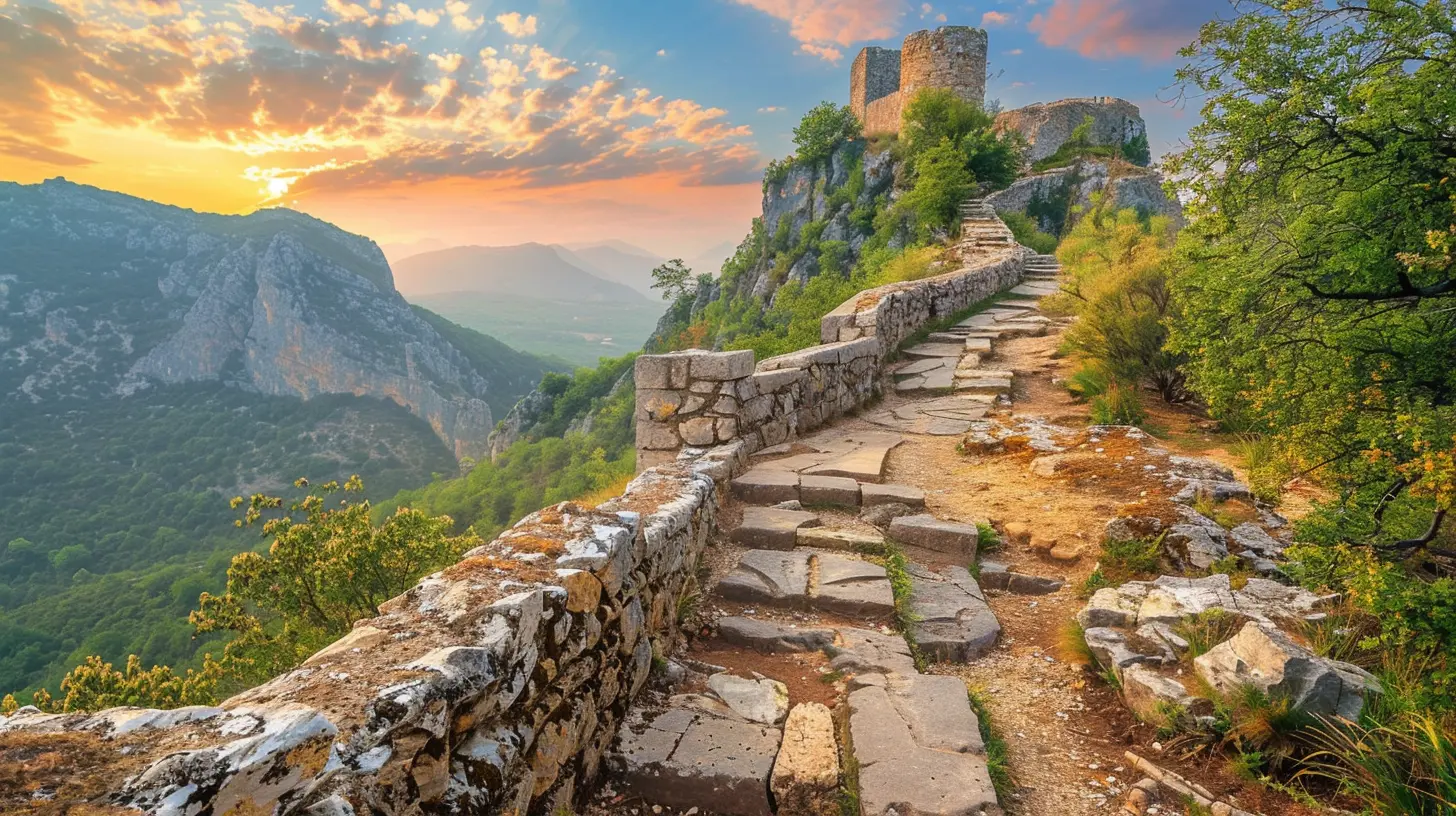
3. Great Wall of China (China)
The Stone Dragon That Stretches Forever
The Great Wall might be the most iconic heritage site on the planet, but did you know it’s also one of the longest UNESCO walking trails?Why It’s Special
- Mind-Boggling Size: Over 13,000 miles, although tourists typically walk manageable sections like Mutianyu, Jinshanling, or Simatai.- History at Your Feet: Walk the very stones where ancient soldiers once stood guard.
- Scenic Contrasts: From rugged mountains to wild forests, each section offers a different visual feast.
Insider Tip
Go for the less touristy sections — you’ll avoid crowds and snag better photo ops.4. Ha Long Bay Trail (Vietnam)
A Floating World of Limestone Giants
Okay, so this one’s a bit unconventional. The Ha Long Bay trail isn’t a single linear path — it’s a mix of short treks, cliff climbs, and boat-hops through emerald waters and towering limestone karsts.Why It’s Special
- UNESCO’s Natural Crown Jewel: Recognized for its geological value and outstanding seascape.- Caves Galore: Hike to the Thien Cung Cave or climb Ti Top Island for panoramic views.
- Cultural Touchpoints: Visit floating fishing villages dating back generations.
Best Time to Visit
March to May or September to November. You'll dodge both monsoons and the tourist rush.5. Cinque Terre Trails (Italy)
Coastal Charm with a Side of Pasta
In Italy’s Ligurian coast lies Cinque Terre, five cliff-hugging villages connected by a dramatic network of trails — all with views that’ll make your jaw drop (and your camera click endlessly).Why It’s Special
- Postcard-Perfect Scenery: Vineyards, sea cliffs, and pastel villages that look painted by Michelangelo himself.- Delicious Detours: Each village has its own local cuisine — seafood in Riomaggiore, pesto in Vernazza.
- Historical Backbone: These paths were once the only way to travel between the towns!
Trail Musts
The Sentiero Azzurro (Blue Trail) is the most popular. Grab some focaccia and make it a picnic hike.6. Rice Terraces of the Philippine Cordilleras (Philippines)
Stairways to the Sky
Tucked in the northern highlands of Luzon, the Ifugao Rice Terraces are true marvels of engineering — built over 2,000 years ago without modern tools.Why It’s Special
- Living Heritage: The terraces are still cultivated by the Ifugao people using traditional methods.- Epic Treks: Walk from Banaue to Batad, passing indigenous villages, waterfalls, and lush jungle.
- Cultural Immersion: Stay overnight in village huts and hear local legends by firelight.
Travel Tip
Go with a local guide — not just for safety, but to understand the rich stories behind the landscape.7. Rhaetian Railway in the Albula / Bernina Landscapes (Switzerland/Italy)
A Trail You Ride
Alright, let’s mix it up. Not all UNESCO paths are ones you walk. The Rhaetian Railway is a historic train route with parts accessible by hiking (like the Bernina Pass walking trail). It weaves through the Swiss Alps into Italy — think of it as a moving trail with a seat.Why It’s Special
- Architecture Meets Nature: Cross 196 bridges and 55 tunnels through snow-capped peaks.- Photographic Gold: The red trains against alpine landscapes? Insta-worthy to the max.
- Family-Friendly: Perfect for those who want a taste of trail life without a full-on hike.
8. Mount Kenya National Park (Kenya)
The Peak Less Traveled
While Kilimanjaro gets most of the fame, Mount Kenya offers equally stunning treks with far fewer crowds.Why It’s Special
- Biological Diversity: From bamboo forests to glacier-fed lakes, every altitude feels like another world.- Sacred Ground: It’s a holy mountain for the Kikuyu people, believed to be the home of Ngai, their god.
- Challenge Accepted: Treks to Point Lenana (4,985m) offer amazing views — no technical climbing needed.
Tip for Trekkers
Plan for 3–5 days depending on your route. The Sirimon-Chogoria circuit is a fan favorite.Why UNESCO Trails Matter (Beyond the Selfies)
Let’s zoom out for a second. These heritage trails aren’t just about killer views or brag-worthy Instagram shots. They’re about connecting to something bigger — our shared past, the planet’s future, and the people keeping these places alive.By walking these trails, you’re supporting sustainable tourism, preserving culture, and often putting money directly into local economies. Plus, it’s a heck of a lot more meaningful than sitting on a tour bus snapping pics through the window.
Tips Before You Trek
- Do Your Research: Some trails need permits, local guides, or specific gear.- Pack Light, Think Smart: Quality over quantity. A good pair of boots goes a long way.
- Respect the Culture: You're entering someone else's home — walk with gratitude.
- Sustainability Matters: Stick to paths, don’t litter, and support eco-friendly operators.
Final Thoughts
If you’ve been bit by the travel bug — and especially if you’re craving something real, raw, and rewarding — walking a UNESCO World Heritage trail might be just what your soul needs. These aren’t just hikes; they’re heartbeats of history, nature’s masterpieces, and cultural symphonies under your soles.So, which one’s calling your name?
all images in this post were generated using AI tools
Category:
World Heritage SitesAuthor:

Reed McFadden
Discussion
rate this article
1 comments
Loretta Bowman
I love the idea of exploring these UNESCO trails! There's something magical about walking paths that hold so much history and culture. Each step must feel like a journey through time. Can't wait to add these to my travel bucket list and discover the beauty they offer.
August 4, 2026 at 3:38 AM
Reed McFadden
Thanks for your enthusiasm! Exploring those trails truly does feel like stepping back in time. I hope you get to experience the magic soon!