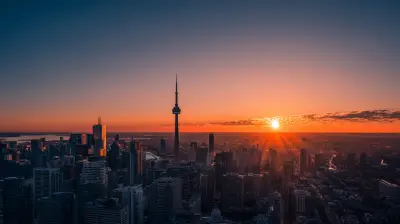
Sunsets Over Water: Top Spots to Unwind in 2026
13 September 2026
A sunset over water does something specific to the human nervous system. It is not just the colors. It is the flat horizon, the way light travels across a surface instead of being blocked by buildings or trees, and the slow, predictable descent that gives the brain permission to stop scanning for threats. Coastal psychologists sometimes call this "blue space" effect, and while the research is still developing, anyone who has watched a sun drop into the ocean knows the feeling is real.
Planning a trip around this experience, however, is harder than it sounds. A west-facing beach is not automatically a good sunset spot. Weather patterns, seasonal cloud cover, tidal shifts, and even the angle of the coastline relative to the sun's path all matter. A location that delivers a spectacular sunset in April may be fogged in by June. A famous viewpoint may be so crowded that the experience collapses under its own popularity.
This guide is for travelers who want more than a postcard. It covers where to go in 2026, when to go, what to avoid, and how to think about the trade-offs between accessibility, atmosphere, and authenticity. The recommendations below draw on established destinations with reliable conditions, plus a few lesser-known alternatives for people willing to put in more effort.
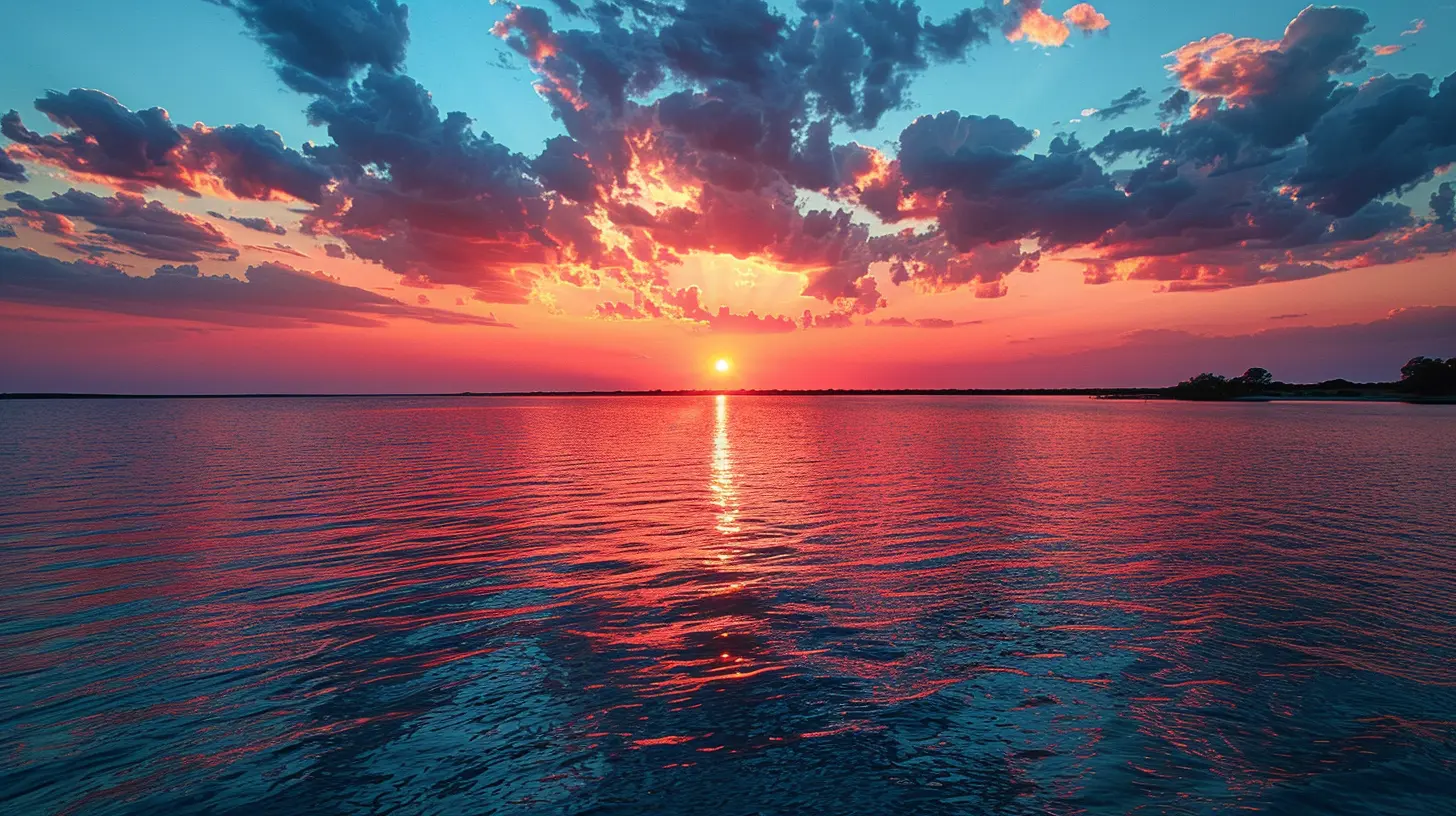
What Actually Makes a Good Sunset Spot
Before listing locations, it helps to understand the variables. A sunset is a product of atmosphere, geography, and timing. Get any one of these wrong and the experience falls flat.The Geometry of Light
The sun sets due west only on the equinoxes. For most of the year, it sets somewhere between west-southwest and west-northwest in the northern hemisphere, and between west-southwest and west-southwest in the southern hemisphere depending on the season. This means a beach that faces southwest may actually offer a better sunset view than one facing due west, especially in summer.Coastlines with a slight curve or a bay opening toward the sunset direction tend to produce the most dramatic reflections. A straight, north-south beach facing west will work, but a bay that funnels the light across a wider stretch of water often creates a longer, richer display.
Cloud Cover and Clarity
The single biggest factor in sunset quality is not the sun itself but the clouds. A clear sky produces a quick, clean sunset that lasts maybe 15 minutes. A sky with broken clouds at different altitudes can produce 45 minutes of changing color. The worst conditions are a solid, low cloud bank on the horizon, which blocks the sun entirely, or a completely cloudless sky, which limits the palette.Coastal areas with marine layer problems, such as parts of California, Morocco, and Chile, can be unreliable in certain seasons. Inland seas and lakes often have more consistent conditions because they lack the same ocean-atmosphere interactions.
Crowds and Access
A sunset spot is only as good as your ability to actually enjoy it. Some of the most photographed locations in the world have become so congested that the experience is diminished. Santorini's Oia, for example, is famous for good reason, but during peak season the narrow streets fill hours before sunset, and many visitors end up watching the back of someone's head rather than the horizon.The alternative is not always a secret location. Sometimes it is simply choosing a different vantage point in the same region, arriving earlier, or visiting in a shoulder season.
Mediterranean and Atlantic Europe
Europe offers some of the most accessible sunset destinations in the world, with reliable infrastructure and a wide range of price points. The trade-off is crowds in July and August.Santorini, Greece: Still Worth It, With Caveats
Santorini's caldera is a volcanic depression filled with water, and the villages of Oia and Imerovigli sit on the rim. The sunset here is genuinely spectacular because the sun sets behind the caldera itself, creating a layered effect with the islands of Nea Kameni and Thirasia in the foreground.The problem is volume. Oia receives thousands of sunset viewers on a typical summer evening. The famous Byzantine castle ruins, which offer the best view, are often packed by 6 PM for an 8:30 PM sunset.
A better approach: stay in Imerovigli instead of Oia. The view is arguably better because you can see both the caldera and Oia itself, and the crowds are thinner. Book a hotel with a west-facing terrace. The extra cost is worth it if sunset is your priority.
When to go: late May, early June, or late September. July and August are hot, crowded, and expensive.
Lisbon and the Tagus Estuary, Portugal
Lisbon's relationship with the sun is different from the Greek islands. The city faces west across the Tagus River, which is wide enough to feel like a sea. The 25 de Abril bridge provides a dramatic silhouette, and the hills of the city create multiple vantage points.The best sunset spots are not the famous ones. The Miradouro da Senhora do Monte offers a wide view, but the Miradouro de Santa Catarina, slightly lower and less visited, often provides a better experience because you can see the river and the bridge without a barrier of tourists.
For a more immersive option, take the ferry from Cais do Sodre to Cacilhas on the south bank. The return ferry at sunset gives you the city skyline glowing across the water. It costs less than a glass of wine in a tourist bar.
When to go: April to June, or September to October. July and August are hot and crowded, and the light can be hazy.
The Algarve, Portugal: West Coast vs. South Coast
The Algarve is often treated as a single destination, but the sunset experience differs significantly between the south coast and the west coast.The south coast, from Faro to Lagos, faces south. The sun sets over the ocean but at an angle, and the famous rock formations of Ponta da Piedade near Lagos create interesting silhouettes. The downside is that the south coast is developed, and many beaches are backed by resorts.
The west coast, from Sagres to Aljezur, faces directly west into the Atlantic. The sunsets here are more raw and open. Sagres, in particular, has a dramatic headland with a lighthouse and a sense of being at the edge of the continent. The trade-off is wind. The west coast is consistently windy, which can make a sunset walk unpleasant even in summer.
When to go: May, June, or September. The west coast is best in September when the wind is calmer.
The Americas
The Americas offer a wide range of sunset experiences, from tropical islands to desert coastlines. The key variable here is the Pacific, which provides a clean, unobstructed horizon for much of the western seaboard.Key West, Florida: Reliable but Commercial
Key West is one of the few places in the United States where sunset is a daily public event. The Mallory Square Sunset Celebration has been running for decades, with street performers, food vendors, and a crowd that gathers every evening.The sunset itself is reliable because Key West faces west across the Gulf of Mexico, and the horizon is clear. The experience, however, is not for everyone. The celebration is loud, crowded, and commercial. If you want quiet, walk to the nearby Truman Waterfront Park or take a kayak out into the harbor. The sunset is the same, but the atmosphere is entirely different.
When to go: November to April. Summer is hot, humid, and prone to afternoon thunderstorms.
Maui, Hawaii: The Trade-Off Between Accessibility and Solitude
Maui is famous for its sunsets, and for good reason. The island's west coast faces the Pacific, and the volcanic landscape creates dramatic backdrops. The most popular spot is Kaanapali Beach, which offers a long, sandy shoreline and easy access.The problem is that Kaanapali is also one of the most developed areas in Hawaii. The beach is lined with resorts, and the sunset is often watched from a crowded bar or a packed stretch of sand.
For a different experience, drive to the Nakalele Blowhole area on the northwest coast. The sunset here is less about the beach and more about the rugged coastline. The trade-off is that the road is winding, the parking is limited, and you need to be comfortable walking on uneven volcanic rock.
When to go: April, May, September, or October. Winter can be rainy, and summer is crowded.
The Baja Peninsula, Mexico: Overlooked and Underrated
The Baja peninsula offers some of the most consistent sunset conditions in North America. The Sea of Cortez side faces east, so it is not a sunset destination, but the Pacific side, from Todos Santos to Cabo San Lucas, faces directly west.Todos Santos, a small town about an hour north of Cabo, has a quieter, more authentic feel. The beach at Playa Los Cerritos is popular with surfers, and the sunset there is often accompanied by the sound of waves and the sight of pelicans diving.
The trade-off is infrastructure. Baja is not as developed as Hawaii or Florida, and some roads are unpaved. Rental cars should have adequate clearance, and you should not drive at night outside of major towns.
When to go: October to May. Summer is hot and humid, and hurricane season runs from June to November.
Asia and the Pacific
Asia and the Pacific offer some of the most diverse sunset experiences in the world, from tropical islands to desert coastlines. The challenge here is often logistical rather than environmental.Bali, Indonesia: The Crowds and the Alternatives
Bali is synonymous with sunset for many travelers. The island's west coast, from Canggu to Uluwatu, faces the Indian Ocean, and the sunsets are often spectacular. The most famous spot is Uluwatu Temple, which sits on a cliff overlooking the sea.The problem is that Uluwatu is now one of the most crowded sunset spots in Asia. The temple grounds fill up hours before sunset, and the famous Kecak dance performance is often sold out days in advance.
A better alternative is the village of Amed on the east coast. Amed faces east, so it is not a sunset spot in the traditional sense, but the sunrise over the volcano Mount Agung is arguably more impressive. If you are committed to sunset, stay on the west coast but choose a smaller beach, such as Balangan or Nyang Nyang. These require more effort to reach, which keeps the crowds down.
When to go: April to June, or September to October. July and August are peak season.
The Maldives: Luxury and Isolation
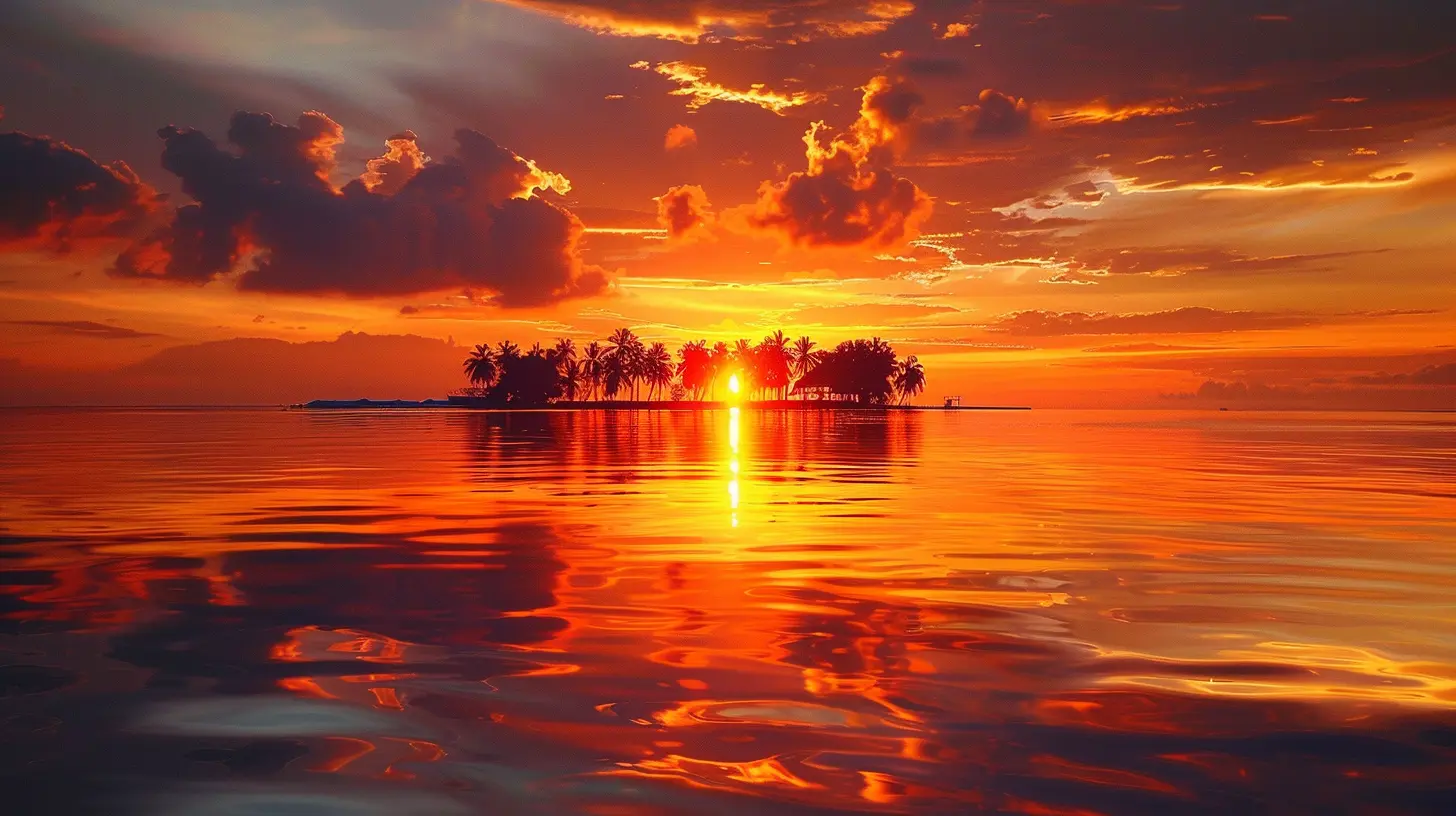
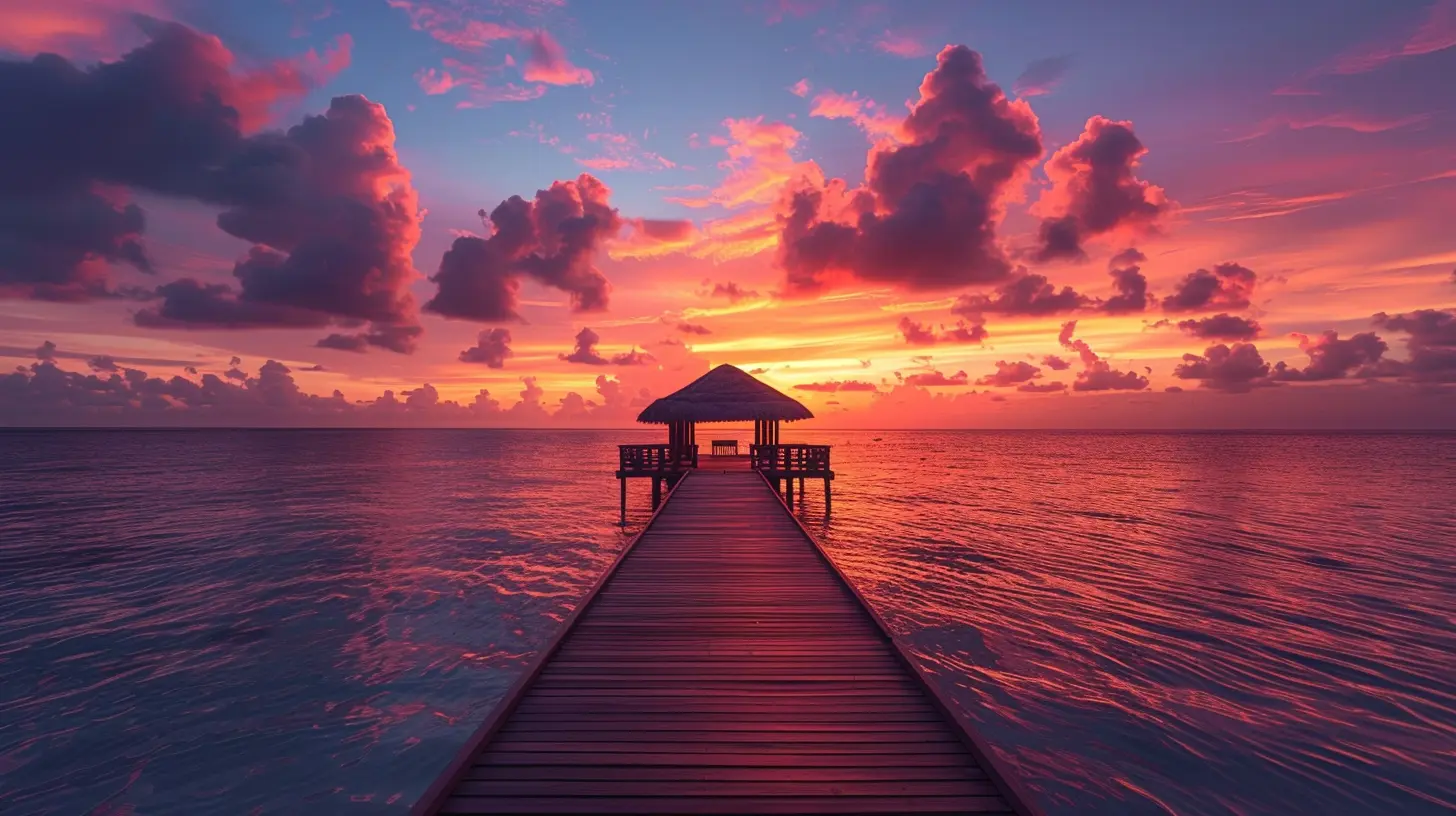
The Maldives is not a single destination but a collection of atolls, each with its own character. The sunset experience depends entirely on which atoll you choose and which side of the island your resort faces.The best sunset resorts are those on the western edge of an atoll, with an unobstructed view of the horizon. Some resorts offer overwater villas that face west, which means you can watch the sunset from your private deck. The trade-off is cost. The Maldives is expensive, and the sunset experience is often part of a broader luxury package.
For a more affordable option, consider the local islands, such as Maafushi or Dhigurah. These islands have guesthouses rather than resorts, and the sunset is just as good. The trade-off is that alcohol is not available on local islands, and the infrastructure is more basic.
When to go: November to April. The dry season offers clearer skies.
The West Coast of Australia: Perth and Beyond
Perth is one of the few major cities in the world where you can watch the sunset over the ocean from the city center. The Swan River runs through the city, and the beaches of Cottesloe and Scarborough face west.The sunset here is reliable because the Indian Ocean provides a clean horizon, and the weather is consistently clear in summer. The trade-off is that Perth is isolated, and the beaches can be crowded on weekends.
For a more dramatic experience, drive north to the Pinnacles Desert in Nambung National Park. The sunset here is not over water, but the limestone formations create an otherworldly landscape. If you want water, continue north to Geraldton or Kalbarri, where the coastline faces west and the sunsets are often accompanied by the sight of dolphins or whales.
When to go: October to April. Summer is hot, but the sunsets are reliable.
Practical Advice for Sunset Travel
Planning a trip around sunsets requires more than just choosing a destination. Here are some practical considerations that can make or break the experience.Timing and Duration
The best sunset experience often starts before the sun actually sets. The "golden hour," which lasts about an hour before sunset, produces the warmest light and the longest shadows. The "blue hour," which lasts about 20 minutes after sunset, produces deep blues and purples.Arrive at least an hour before sunset to secure a good spot and to enjoy the changing light. Stay at least 30 minutes after to watch the colors fade. The total experience is usually about two hours.
Weather and Seasonality
Check the weather forecast, but do not rely on it entirely. Coastal weather can change quickly, and a forecast of "partly cloudy" often produces the best sunsets. A forecast of "clear" can be disappointing because there are no clouds to catch the light.Research the seasonal patterns for your destination. Some places have reliable sunset conditions year-round, while others have distinct wet and dry seasons. The dry season is usually better, but not always. In some tropical locations, the wet season produces more dramatic clouds and better colors.
Crowds and Alternatives
If a sunset spot is famous, it will be crowded. There is no way around this. The solution is to either arrive early, choose a less popular vantage point, or visit in the off-season.Another option is to pay for a private experience. Many destinations offer sunset cruises, which take you out on the water and away from the crowds. The trade-off is cost, but the experience is often worth it. A sunset cruise in Santorini, for example, gives you a view of the caldera from the water, which is arguably better than the view from the land.
Safety and Respect
Sunset spots are often on cliffs, beaches, or other natural areas. Follow local safety guidelines, and do not venture too close to the edge. If you are on a beach, be aware of the tide. Some beaches are only accessible at low tide, and the water can rise quickly.Respect the local environment and culture. Do not leave trash behind, and do not disturb wildlife. If you are visiting a sacred site, such as a temple, follow the dress code and behave appropriately.
Common Mistakes and Misconceptions
Many travelers assume that any west-facing beach will offer a good sunset. This is not true. A beach that faces west but is blocked by a headland or an island will not deliver. A beach that faces southwest may be better in summer, depending on the angle of the sun.Another misconception is that clear skies are best. In reality, broken clouds produce the most dramatic colors. A completely clear sky often results in a quick, unremarkable sunset.
A third mistake is underestimating the cold. Coastal areas can be chilly after sunset, even in warm climates. Bring a jacket or a blanket, especially if you plan to stay for the blue hour.
Finally, do not assume that a famous spot is always the best. Sometimes the most memorable sunsets happen in unexpected places, such as a small fishing village or a quiet lake. Keep an open mind, and be willing to change your plans.
Final Thoughts
A sunset over water is one of the few travel experiences that is both universal and deeply personal. It does not require a ticket, a reservation, or a guide. It only requires that you show up, pay attention, and let the light do its work.The destinations in this guide are not the only options. They are starting points. The best sunset spot is the one that fits your schedule, your budget, and your tolerance for crowds. In 2026, with travel demand high and many destinations grappling with over-tourism, the smartest approach is to think beyond the postcard. Choose a place that offers more than just a view. Choose a place where you can slow down, breathe, and watch the day end without feeling like you are part of a production.
That is the real luxury. Not the location, but the moment.
all images in this post were generated using AI tools
Category:
Sunset SpotsAuthor:

Reed McFadden