Sunset Experiences Worth Every Penny in 2027
19 September 2026
Sunset is the one attraction that never raises its price, never closes for renovation, and never runs out of inventory. Yet the experiences built around it have become one of the most crowded and inconsistently priced categories in travel. By 2027, that pressure will intensify. More operators will sell "golden hour" access, more destinations will formalize sunset viewing zones, and more travelers will pay premium rates for what is essentially the same sun dropping below the same horizon.
That raises a fair question. Which sunset experiences actually justify the money?
The answer is not about the view itself. It is about what the operator removes, adds, or controls during the roughly 90 minutes surrounding sunset. A sunset experience earns its price when it solves a problem you cannot solve on your own: access to a restricted location, timing precision, crowd management, safety, or interpretation that changes what you notice. It fails when you are paying purely for a chair, a cocktail, and a photo you could have taken from a public pier.
This guide breaks down where the real value sits in 2027, what to avoid, and how to judge a sunset experience before you book it.
Why Sunset Experiences Became a Premium Category
Sunset has always been free. What changed is access.Across major destinations, the best sunset vantage points are increasingly regulated, privatized, or capacity-limited. National parks use timed entry systems. Coastal cities restrict cliff access for safety. Historic landmarks cap rooftop occupancy. Meanwhile, demand has grown because sunset is a low-effort, high-emotional-return activity that appeals to almost every type of traveler: couples, families, solo visitors, photographers, and people who simply want one guaranteed good moment in a packed itinerary.
Operators responded by packaging the sunset window into a product. Some packages are genuinely valuable. Others are arbitrage: they charge for proximity to something that was never scarce.
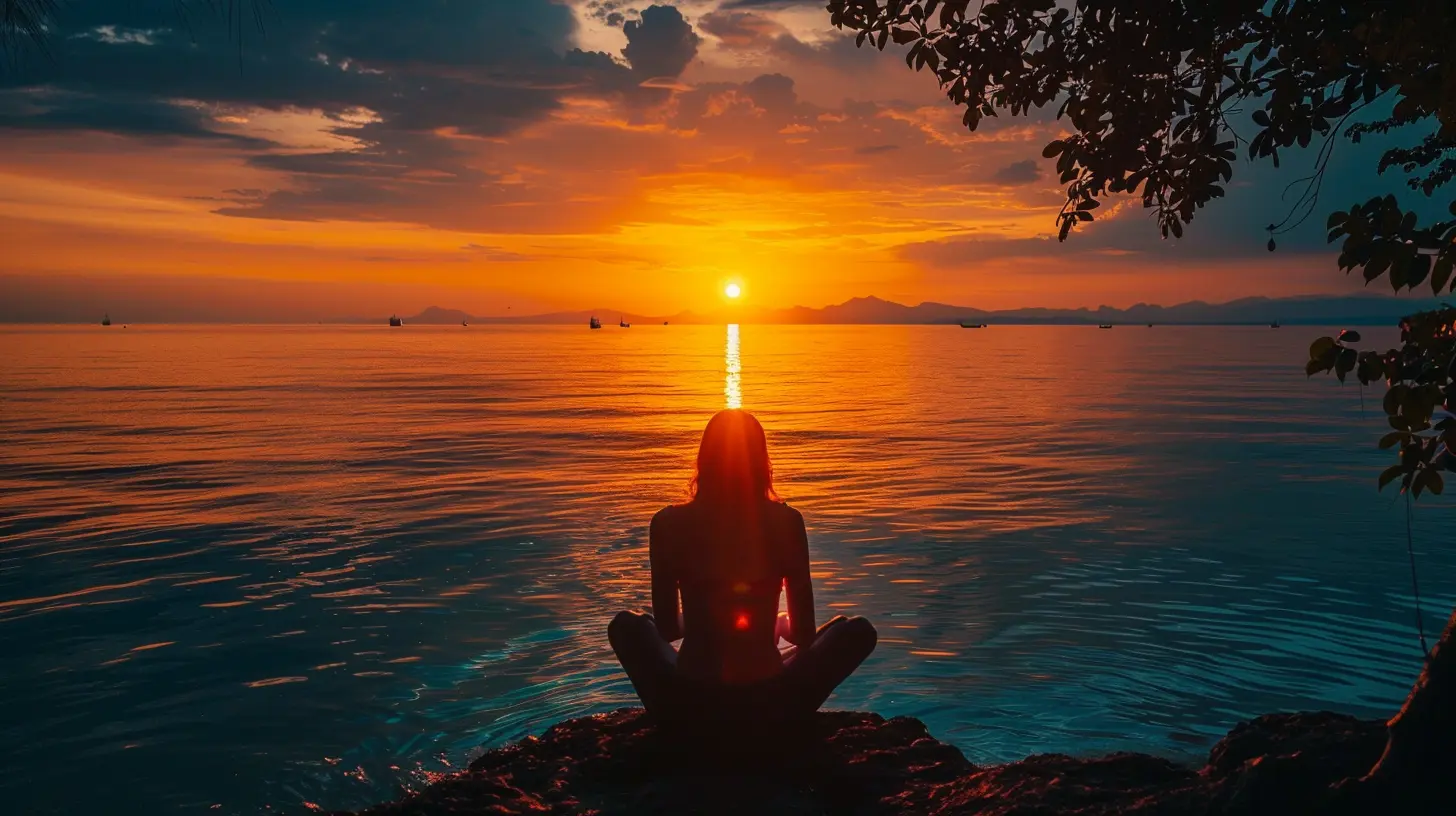
The key distinction for 2027 is this. You are not buying the sunset. You are buying the conditions around it. Evaluate those conditions honestly, and you will rarely overpay.
The Four Value Drivers That Justify a Premium Price
Before comparing specific experiences, understand what actually creates value at sunset. Almost every worthwhile premium sunset product delivers at least two of these four.1. Exclusive or Restricted Access
If the location is closed to the public, requires a permit, or sits on private land, the operator is selling something you cannot replicate. A working lighthouse balcony, a marine research station deck, a private vineyard ridge, or a restricted archaeological site all qualify. This is the strongest and most defensible value driver.2. Timing and Logistics Precision
Sunset lasts minutes. Getting to the right spot at the right moment often involves traffic, parking shortages, trail navigation, or boat scheduling. An operator who handles transport, buffers for delays, and knows the exact minute to position you is selling convenience with real financial value. This matters most in cities where parking near a famous viewpoint can consume an hour.3. Crowd and Comfort Management
Small-group caps, reserved seating, and space to move around matter more than most travelers expect. A sunset shared with 400 people on a narrow platform is a different experience from one shared with 12. If an operator guarantees a group size, that guarantee is worth paying for.4. Interpretation and Context
A guide who explains why the light turns copper, how the local topography shapes the horizon, or what you are actually looking at can transform a pleasant view into a memorable one. This is the value driver most often faked. Generic commentary is not interpretation. Specific, place-based knowledge is.If a sunset experience delivers none of these four, it is priced on atmosphere alone. Sometimes that is fine. Just know what you are buying.
Sunset Experiences That Tend to Be Worth the Money
The following categories consistently deliver value because they are built on structural scarcity or genuine expertise. Specific pricing varies by destination and season, so treat figures as ranges rather than fixed facts.Small-Group Sailing and Catamaran Sunsets
A sunset sail works because it combines access, comfort, and a perspective you cannot get from land. You are on the water, away from crowds, with an unobstructed horizon.What makes it worth the money:
- Vessel capacity is limited, so crowds are naturally controlled.
- The skipper adjusts position based on wind and cloud cover, which improves the odds of a good view.
- The experience lasts longer than the sunset itself, usually two to three hours.
What to watch for:
- "Party boats" with 80 or more passengers are a different product. They are cheaper and louder.
- Check whether drinks and food are included or billed separately. This changes the real cost significantly.
- Seasickness matters. A calm bay sail is not the same as an open-ocean cruise.
Best for: couples, small groups, and travelers who want a relaxed, extended experience. Poor fit for anyone prone to motion sickness or seeking solitude.
Rooftop and Observation Deck Reservations
In cities, the sunset bottleneck is vertical. Ground-level viewpoints are crowded and often blocked by buildings. A rooftop or observation deck solves this.This category is worth the money when:
- The venue caps reservations and guarantees a seat with a view.
- There is a minimum spend that converts directly into food or drinks rather than a pure entry fee.
- The building sits on the correct side of the skyline for the season.
A common mistake is booking a rooftop based on reputation rather than orientation. In many cities, the famous rooftop faces the wrong direction for sunset during part of the year. Always verify the compass direction and the seasonal sun path. A west or northwest facing terrace is what you want in most Northern Hemisphere summer months.
Trade-off: rooftop sunsets are social and comfortable but rarely quiet. If you want silence, this is the wrong category.
National Park and Protected Area Sunset Programs
Ranger-led or permitted sunset programs in parks and reserves offer something rare: access paired with expertise.Why they work:
- They often operate in areas with limited or no public access after certain hours.
- The guide provides ecological or geological context that most visitors miss.
- Group sizes are usually capped.
Why they sometimes disappoint:
- Programs can be cancelled for weather, staffing, or wildlife activity.
- Some are more lecture than experience.
- You may still share the location with independent visitors.
Best practice: book these early. They sell out months in advance in high-season parks, and the resale market is unreliable.
Private Charters and Bespoke Sunset Trips
A private charter, whether a boat, a vintage car, a helicopter, or a guided hike, is the most expensive option and the most variable in value.It is worth the money when:
- You have specific needs: mobility limitations, young children, a proposal, or photography requirements.
- You want control over timing and route.
- You are splitting the cost across a group, which lowers the per-person rate dramatically.
It is not worth the money when you are paying for privacy you will not use, or when the operator simply replicates a group tour with fewer people and a higher price.
Rule of thumb: private only pays off if you have a reason to deviate from the standard route.
Sunset Experiences That Rarely Justify the Price
Knowing what to skip saves more money than knowing what to book.Generic Dinner Cruises
Many dinner cruises sell sunset as a backdrop to a mediocre meal. The boat moves slowly, the windows are crowded, and the food is prepared off-site. You are paying for a restaurant with a view that happens to float.Exception: high-end cruises with a real kitchen, a small passenger count, and a route timed to the sun. These exist, but they are priced accordingly and should be judged like fine dining, not like a tour.
"Sunset Photo Tour" Packages With No Portfolio
Photography tours are valuable when the guide is a working photographer who knows light, composition, and location scouting. They are worthless when the guide simply drives you to a viewpoint.How to tell the difference: ask to see the guide's own sunset images from the specific location. A real photo guide will have them. If the answer is vague, walk away.
Pay-to-Enter Viewpoints With No Added Service
A paid platform with no seating, no guide, and no capacity limit is often just a toll on a public view. Compare it to nearby free alternatives before committing. Sometimes the paid option is genuinely better maintained and less crowded. Often it is not.How to Compare Sunset Experiences Like a Professional
Use this framework before booking anything.Step 1: Identify the scarcity. What is limited here? Access, space, time, or knowledge? If nothing is limited, the price is arbitrary.
Step 2: Calculate the real cost per hour. Divide the total price, including transport, drinks, and tips, by the number of hours of actual experience. A three-hour sail at a moderate price often beats a 45-minute viewing deck at a similar rate.
Step 3: Check the seasonal sun path. Sunset direction and time shift through the year. A location that works in June may fail in December. Use a sun position tool or ask the operator directly which months work best.
Step 4: Read reviews for logistics, not emotion. Look for mentions of crowding, timing, cancellation policies, and whether the operator handled weather well. Emotional reviews tell you little.
Step 5: Confirm the cancellation policy. Sunset is weather-dependent. A strict no-refund policy on a cloud-dependent experience is a red flag.
Timing, Weather, and the Mistakes Travelers Keep Making
Most sunset disappointments are self-inflicted. These are the recurring errors.Arriving at sunset instead of before it. The best light often occurs 20 to 40 minutes before the sun touches the horizon, and the afterglow can be the most striking part. Plan to arrive at least an hour early.
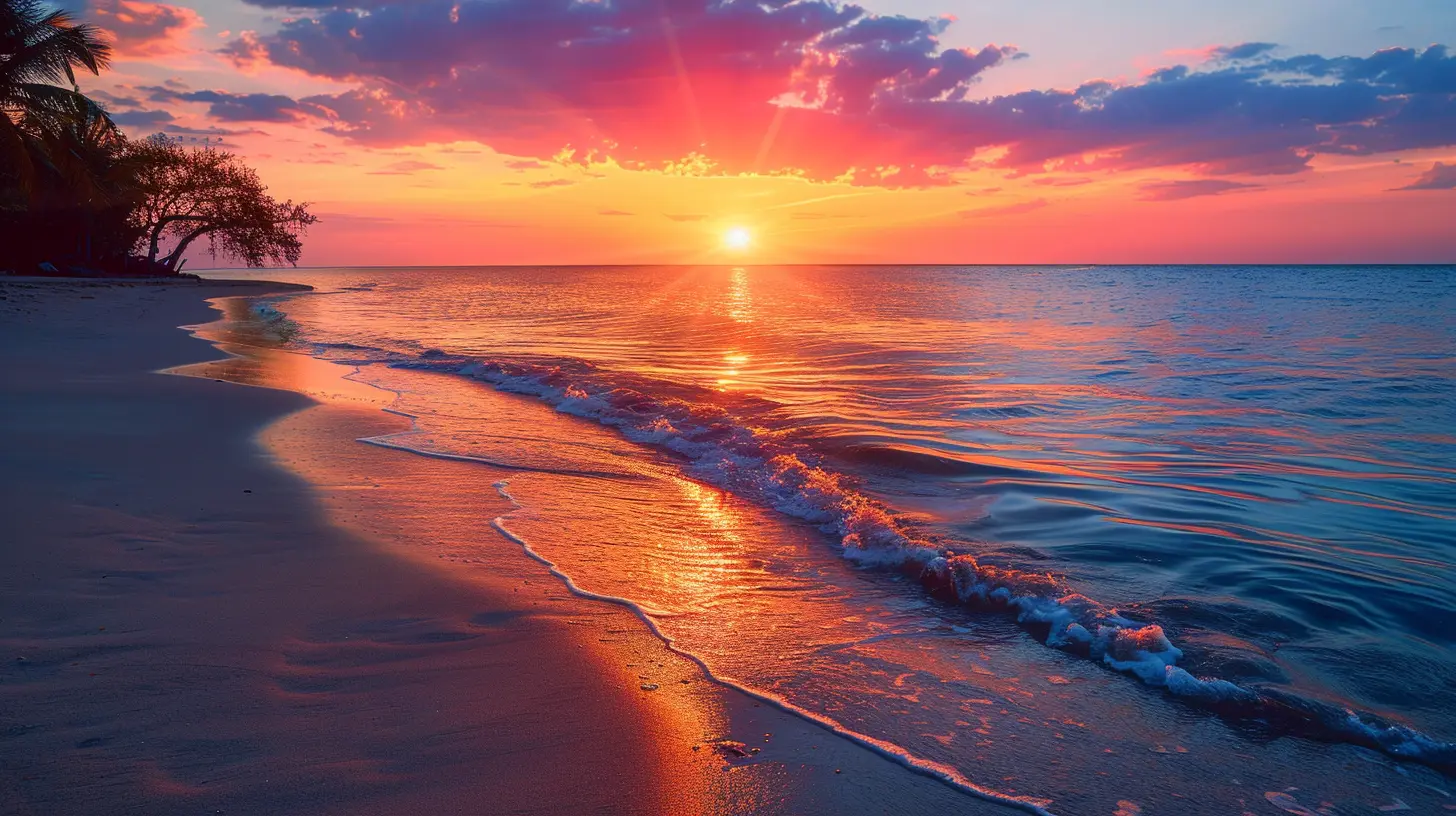
Ignoring cloud cover. A partly cloudy sky usually produces a better sunset than a clear one because clouds catch and reflect color. A solid overcast layer kills it. Check hourly forecasts, not daily summaries.
Booking the wrong direction. As noted, orientation matters. Confirm the venue faces the sunset for your travel dates.
Overlooking the return trip. A remote viewpoint is lovely at sunset and difficult after dark. Confirm transport back, especially if you are not driving.
Assuming higher price means better view. Price often reflects marketing, not geography. Two venues a hundred meters apart can have wildly different pricing and nearly identical views.
Accessibility, Safety, and Ethical Considerations
A sunset experience worth its price also respects your safety and the place you are visiting.- Confirm physical accessibility if anyone in your group has mobility needs. Rooftops, boats, and trails vary enormously.
- Check whether the operator follows wildlife and environmental guidelines. Sunset is a sensitive time for many species.
- Avoid experiences that encourage trespassing, drone use in restricted airspace, or access to unstable cliffs.
- Verify insurance and licensing for boat and aviation operators. This is not optional.
Ethical operators limit group size, avoid sensitive habitats, and pay local guides fairly. These practices cost more, and they are part of what you are paying for.
A Practical Decision Guide for 2027
Match the experience to your priorities.- You want romance and privacy: private charter or a small-group sail.
- You want comfort and a city view: rooftop with reserved seating.
- You want context and nature: ranger-led or permitted park program.
- You want photography: a guide with a verifiable portfolio.
- You want to save money: find a free public viewpoint with good orientation, arrive early, and bring your own supplies. This remains the best value in travel.
There is no universal best sunset experience. There is only the one that solves your specific problem at a price you consider fair.
Final Thoughts
By 2027, sunset will still be free. What you pay for is access, timing, space, and insight. Judge every booking against those four value drivers, and you will consistently get your money's worth. Ignore them, and you will pay a premium for a view you could have had for nothing.The most expensive sunset is not the one with the highest ticket price. It is the one you regret.
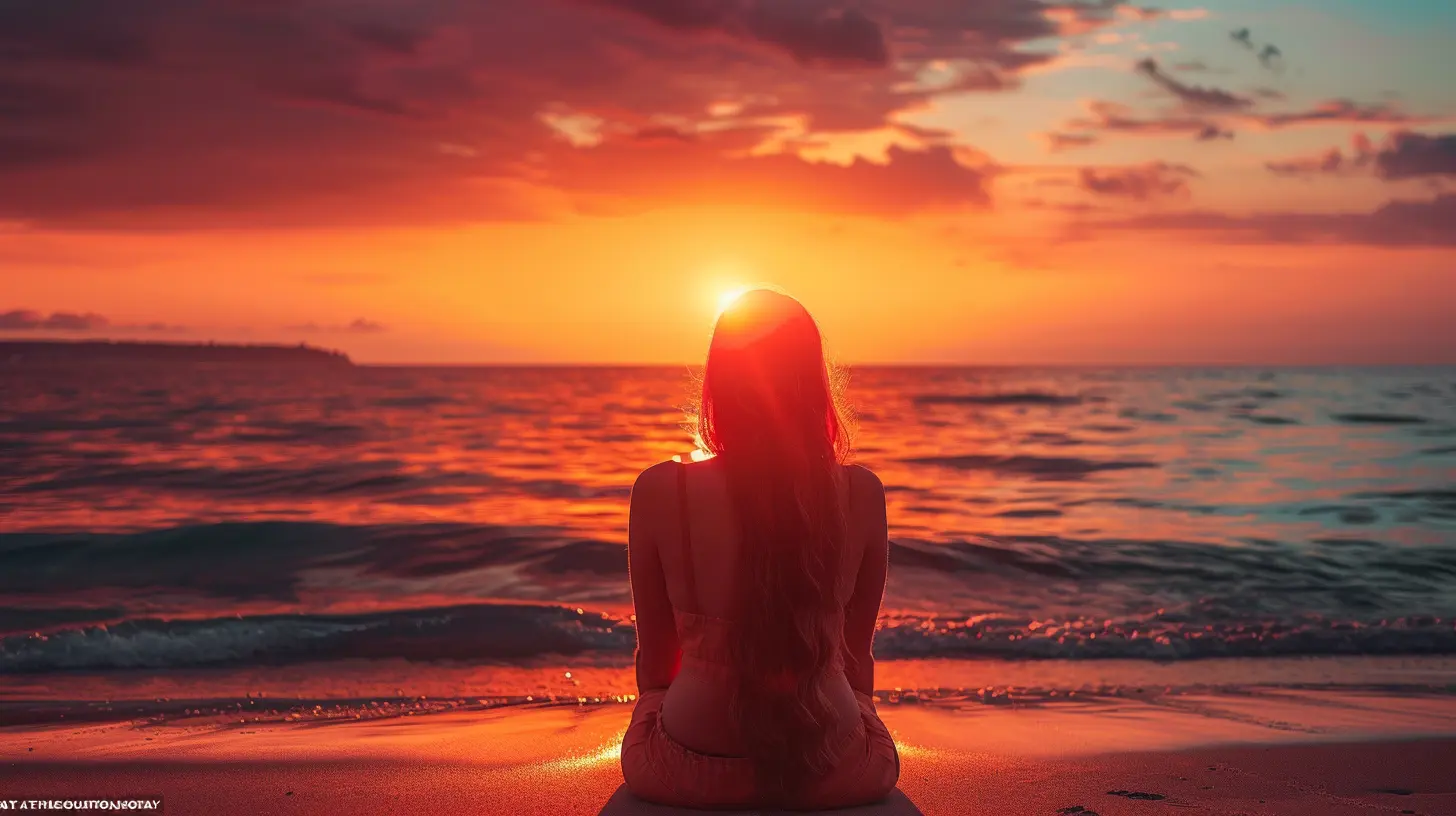
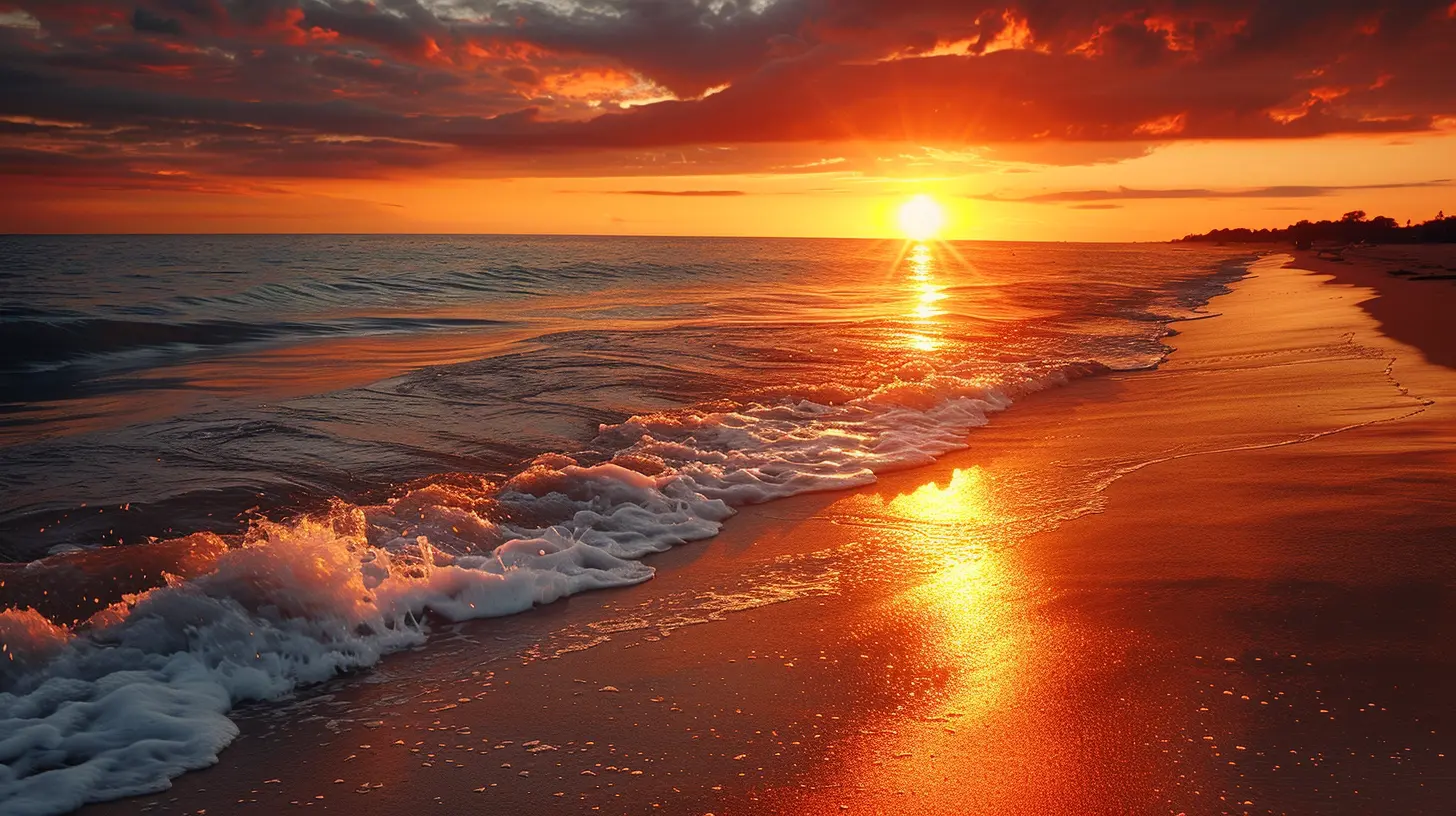
all images in this post were generated using AI tools
Category:
Sunset SpotsAuthor:

Reed McFadden