Following the Camino de Santiago: A Spiritual Journey
24 December 2025
So, you’ve decided to embark on the Camino de Santiago? Congratulations! You’re about to embark on a journey filled with adventure, blisters, questionable hostel meals, and enough life-changing experiences to make even the most skeptical traveler believe in miracles.
Walking the Camino isn’t just about following the yellow arrows on the path—it’s a full-blown spiritual, emotional, and occasionally painful experience. But don’t worry, by the end of it, you’ll have a newfound appreciation for your feet, a deep connection with fellow pilgrims, and probably a borderline unhealthy obsession with Spanish bread.
What is the Camino de Santiago?
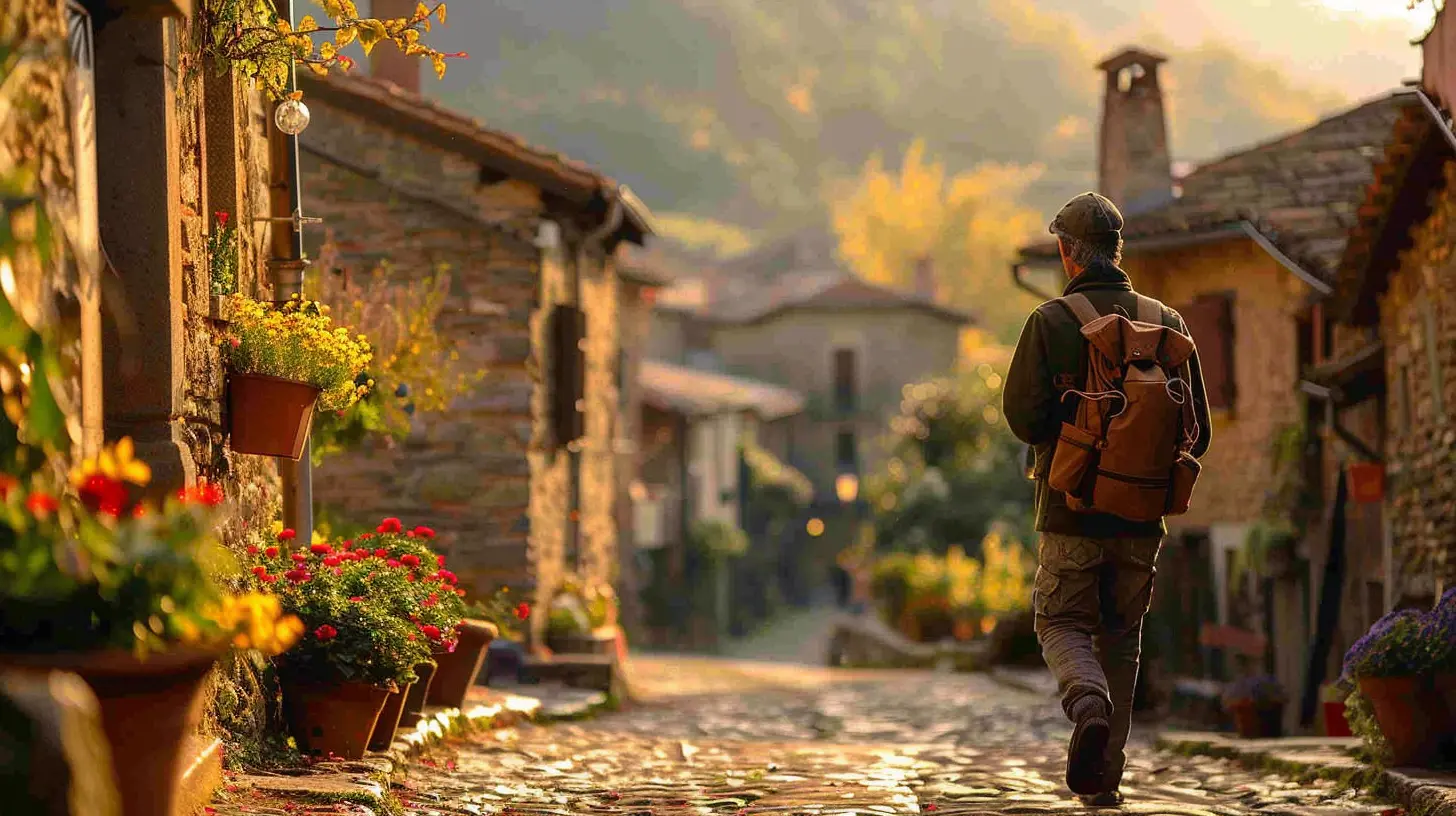
If you haven't heard of the Camino de Santiago (also known as the Way of St. James), it's one of the most famous pilgrimage routes in the world. Stretching across Spain (and other parts of Europe, depending on where you start), this ancient trail leads to the grand Cathedral of Santiago de Compostela in Galicia, where the remains of St. James are believed to be buried.People walk the Camino for all sorts of reasons—spiritual growth, personal challenge, cultural immersion, or just an excuse to eat copious amounts of tapas guilt-free. Whatever your reason, one thing's for sure: this journey is going to test your endurance, patience, and ability to function without Wi-Fi.

Choosing the Right Route
Before you pack your bags and lace up your trusty hiking boots, you need to decide which Camino route you’re going to take. There’s no wrong choice, but some are definitely more forgiving than others.1. Camino Francés (The Classic One)
This is the most popular route, stretching about 800 km (500 miles) from St. Jean Pied de Port in France to Santiago. If you enjoy meeting people, drinking wine, and sharing dorm rooms with snoring strangers, this is your route.2. Camino Portugués (The Coastal Beauty)
Starting in Lisbon or Porto, this route is a bit less crowded and offers some stunning coastal views. Plus, you get to eat pastel de nata along the way. Sold yet?3. Camino del Norte (The Wild One)
This route follows the northern coastline of Spain. It’s breathtakingly beautiful and brutally challenging—much like dating in your thirties.4. Camino Primitivo (The OG Camino)
This is the original Camino path taken by King Alfonso II in the 9th century. It’s shorter, but way more rugged. Expect fewer crowds and more moments of "Why did I choose this path?!"5. Via de la Plata (The Longest Slog)
If walking across almost the entire length of Spain sounds like your idea of fun, this one's for you. Starting in Seville, this route is a whopping 1,000 km (620 miles) of endurance and stubbornness.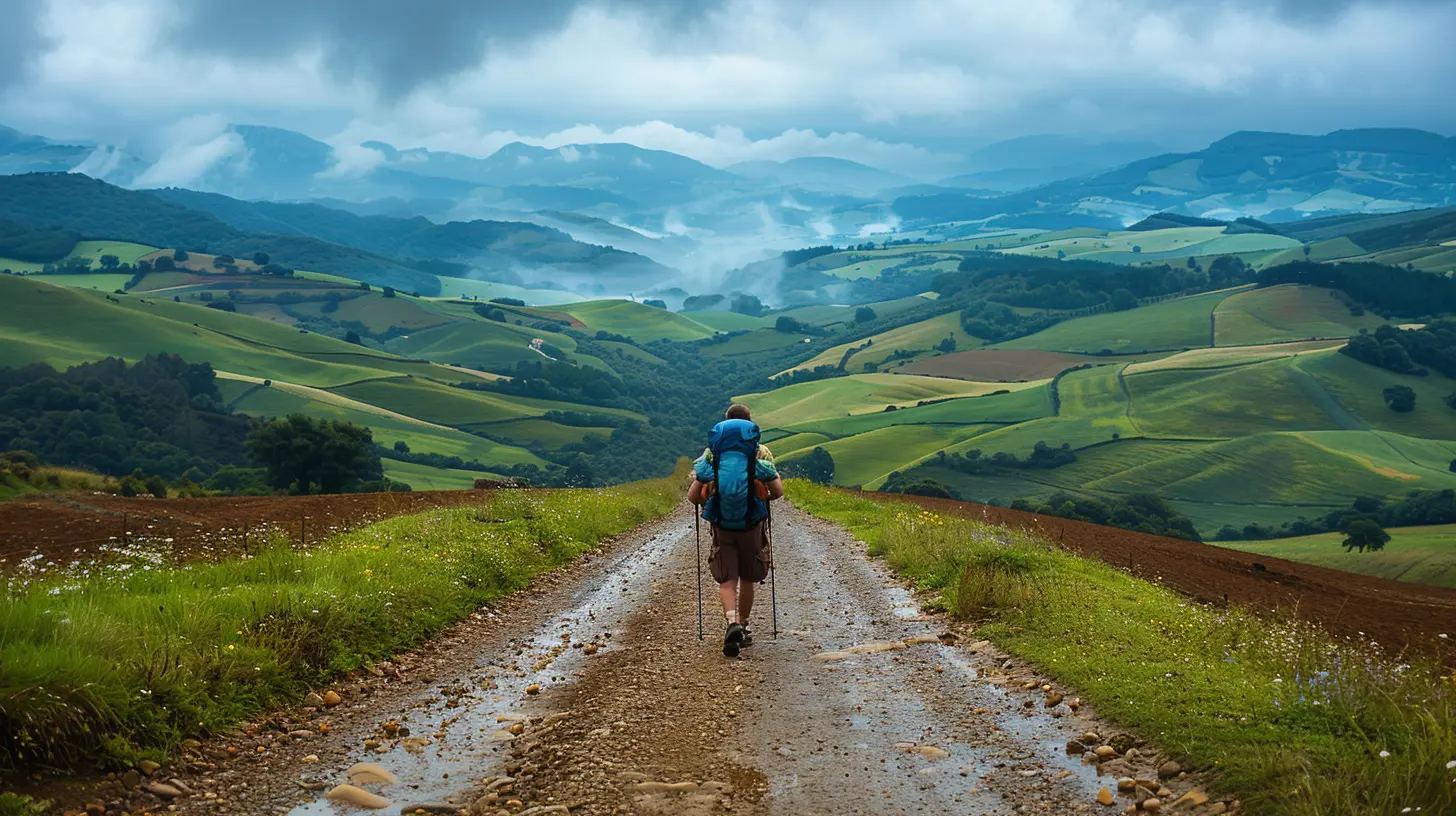
Packing: What to Bring and What to Leave Behind
Packing for the Camino is tricky. Pack too little, and you’ll be borrowing socks from strangers. Pack too much, and you’ll be cursing every unnecessary item with every painful step.Must-Have Items:
- Comfy hiking boots – Break them in first unless you enjoy foot-based torture.- A solid backpack – One that won’t disintegrate halfway through.
- A reusable water bottle – Hydration is key when walking ridiculous distances.
- Good socks – Blisters will find you if you don’t have quality socks.
- A lightweight sleeping bag – Because not all hostels provide decent bedding.
- Blister care kit – Your future self will thank you.
Things You Think You Need But Don’t:
- Fancy outfits – No one cares. You will smell. It’s fine.- Too many toiletries – A small bar of soap can wash both you and your clothes.
- A massive guidebook – There are apps for that.
- Your laptop – Trust me, you won’t have the energy to use it.

The Daily Grind: What It’s Like to Walk the Camino
Wake up at an ungodly hour, throw on your backpack, start walking. Walk some more. Consider your life choices. Take a break. Eat a croissant. Keep walking. Find a cozy albergue (pilgrim hostel), claim your bed, shower with whatever hot water is left, then swap blister horror stories with fellow pilgrims. Sleep. Repeat.It may sound monotonous, but something magical happens on the Camino. Your mind clears, worries fade, and suddenly, walking for hours feels less like an endless torture session and more like the spiritual reset you never knew you needed.
Camino Food: Fueling Your Journey
Spain is a food lover’s paradise, and the Camino is no exception. Luckily, burning thousands of calories a day means you get to eat guilt-free.Must-Try Foods:
- Tortilla Española – A potato omelet that tastes like heaven.- Pulpo a la Gallega – Galician-style octopus for the adventurous eaters.
- Tarta de Santiago – A delicious almond cake that screams “victory dessert.”
- Pimientos de Padrón – Tiny green peppers that are either mild or ridiculously spicy. It’s a fun game of food roulette.
And of course, let’s not forget the endless supply of vino tinto (red wine) to keep spirits high and pain levels low.
Camino Friendships: Strangers Become Family
One of the best parts of the Camino is the people you meet. Pilgrims from all walks of life come together, forming a temporary family of sweaty, slightly broken individuals united by sore feet and a common goal.You’ll bond over shared meals, laugh at ridiculous moments (like when you accidentally walk 5 km in the wrong direction), and have deep, soul-searching conversations with people you just met. It’s beautiful, weird, and exactly what makes the Camino so special.
The Final Steps: Reaching Santiago
After walking hundreds of kilometers, you finally arrive in Santiago de Compostela. And let me tell you, the first sight of the cathedral is enough to make even the toughest pilgrim shed a tear. You did it. You survived the blisters, the exhaustion, and the occasional existential crisis.Most pilgrims attend the Pilgrim’s Mass at the cathedral, a beautiful, goosebump-inducing ceremony where a massive incense burner (the Botafumeiro) swings across the church, cleansing both your spirit and probably your questionable hiking odor.
And just like that, your journey is complete. But here’s the thing—once you've walked the Camino, a part of you never really leaves. The lessons, friendships, and memories stay with you, serving as a reminder that sometimes, all you need is a simple path, a good pair of shoes, and the courage to take the first step.
Final Thoughts: Should You Walk the Camino?
Absolutely. Whether you're searching for spiritual enlightenment, a physical challenge, or just an excuse to escape your emails for a month, the Camino de Santiago delivers. It’s tough, unpredictable, and sometimes downright painful. But it’s also life-changing, hilarious, and filled with more unforgettable moments than you can count.So strap on your backpack, follow the yellow arrows, and let the journey begin. Just don’t forget the blister cream.
all images in this post were generated using AI tools
Category:
Europe TravelAuthor:

Reed McFadden
Discussion
rate this article
2 comments
Daria Sharp
Following the Camino de Santiago is like hiking through a real-life Instagram filter—beautiful views, deep reflections, and plenty of blisters! Just remember, every step is a step closer to that well-deserved tapas and vino. Who knew spiritual enlightenment included a side of paella? Pack light, but don’t skimp on snacks!
February 6, 2026 at 5:55 PM
Reed McFadden
Absolutely! The Camino beautifully blends nature, reflection, and culinary delights. Every step truly enhances the journey—both spiritually and gastronomically!
Ariella Blair
What an inspiring read! The Camino de Santiago is not just a trek; it’s a profound journey of self-discovery and connection. Your insights beautifully capture the essence of spirituality woven into every step. I can't wait to embark on this adventure and experience the magic for myself! Thank you for sharing!
December 28, 2025 at 3:25 PM
Reed McFadden
Thank you so much for your kind words! I'm thrilled to hear you're inspired to embark on this journey. Enjoy every moment of your adventure!