Step Into History on the Via Francigena Pilgrimage Route in 2027
15 November 2026
Traveling along the Via Francigena is like stepping into a living history book. This ancient pilgrimage route, which stretches from Canterbury in England to Rome in Italy, invites modern-day adventurers to retrace the steps of medieval pilgrims. With the year 2027 fast approaching, it is an exciting time to consider this journey. Whether you are a seasoned hiker or a curious traveler, the Via Francigena offers a unique blend of historical significance, cultural depth, and stunning landscapes.
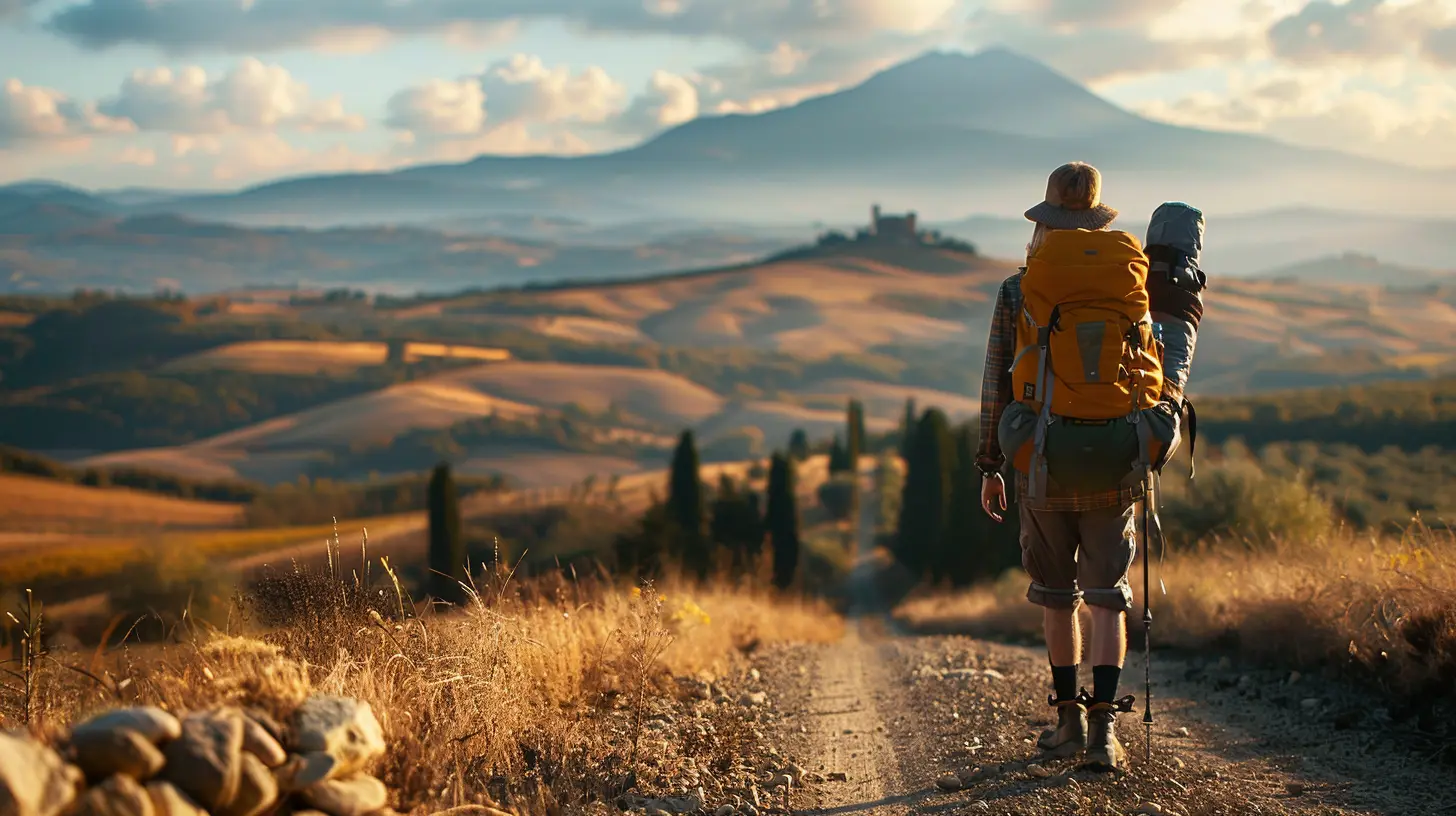
The Historical Significance of the Via Francigena
The Via Francigena has its roots in the 9th century when it became a major pilgrimage route to the Vatican. The path was well-trodden by those seeking spiritual solace, as well as those wishing to pay homage to St. Peter. As you walk along the route, you will encounter remnants of this rich history, from ancient churches to medieval towns that have preserved their character over the centuries.Key Historical Landmarks
1. Canterbury Cathedral: As the starting point of the Via Francigena, the cathedral is a UNESCO World Heritage site. It is known for its stunning architecture and deep religious significance.2. The Abbey of St. Mary in Pontigny: This Cistercian abbey, built in the 12th century, is a testament to the religious fervor of the time. The impressive ruins provide a peaceful stopover for pilgrims.
3. San Gimignano: Famous for its medieval towers, this Tuscan town offers a glimpse into the past. The architecture here reflects the wealth and power of the local nobility during the Middle Ages.
4. Rome: The endpoint of the journey, St. Peter's Basilica, stands as a magnificent symbol of faith and artistry. Pilgrims have congregated here for centuries, making it a fitting conclusion to the pilgrimage.
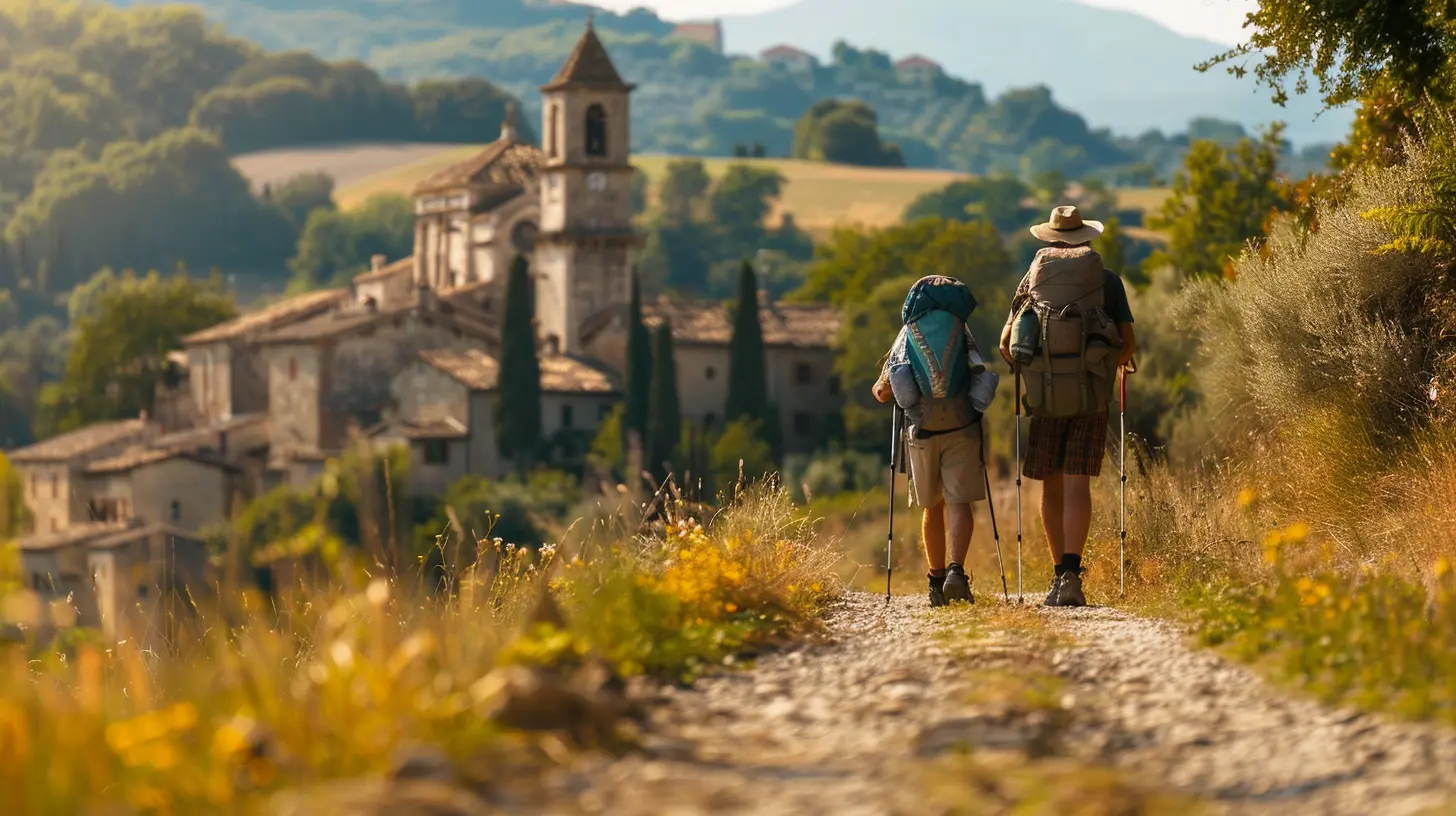
Preparing for the Pilgrimage
To embark on this journey, preparation is key. The Via Francigena is approximately 1,000 kilometers long, and while it can be completed in segments, a well-planned approach can enhance the experience.Physical Preparation
Walking long distances requires a certain level of fitness. Consider the following tips:- Start Training Early: Aim to build your stamina through regular walking, gradually increasing your distance. Start with shorter walks and work your way up to longer treks.
- Choose the Right Footwear: Invest in high-quality hiking shoes that provide adequate support. Break them in before hitting the trail to avoid blisters.
- Stay Hydrated and Nourished: Carry water and snacks, especially on longer stretches where amenities may be scarce. Dehydration can quickly derail your journey.
Packing Essentials
What you bring can make a significant difference in your comfort and enjoyment of the route. Here are some essentials:- Lightweight Backpack: A well-fitted backpack allows you to carry your belongings without straining your back.
- Weather-Appropriate Clothing: Given the varying climates along the route, layering is advisable. Waterproof gear is essential during the rainy season.
- First Aid Kit: Accidents happen. Having a basic first aid kit can help you manage minor injuries on the go.
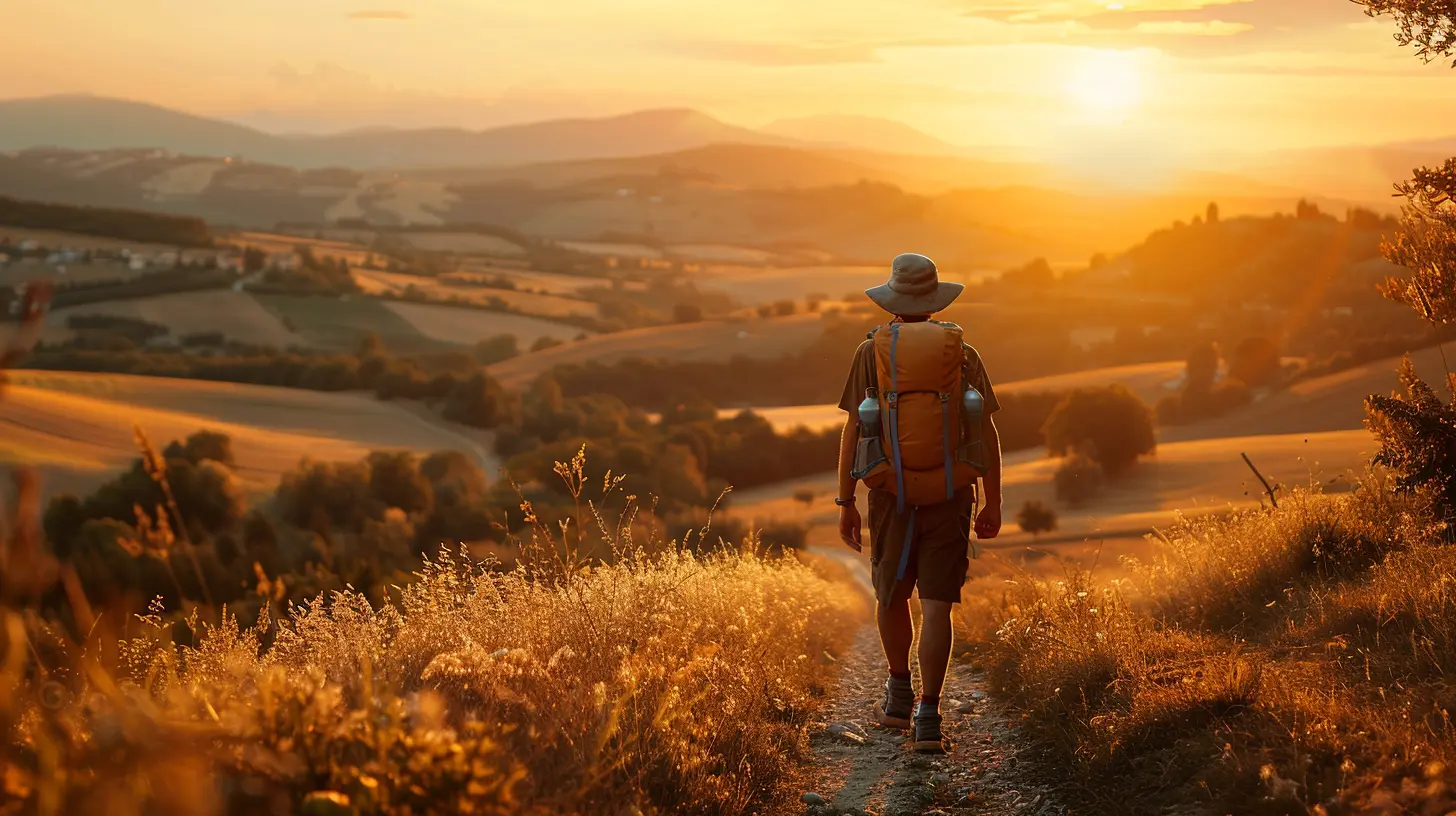
Navigating the Route
The Via Francigena is marked by signs and waymarkers, but understanding the route's layout can save you time and trouble.Route Segments
The pilgrimage can be divided into manageable segments. Each segment offers its own challenges and highlights.- England to France: The initial stretch from Canterbury to the Channel Tunnel is relatively short, making it a good introduction for those new to long-distance walking.
- Through France: The French portion is diverse, with rolling hills, vineyards, and charming villages. Take your time here; there is much to see and savor.
- Crossing into Italy: The Italian leg is often considered the most beautiful, featuring stunning landscapes and rich cultural heritage. The terrain can be more challenging, so be prepared.
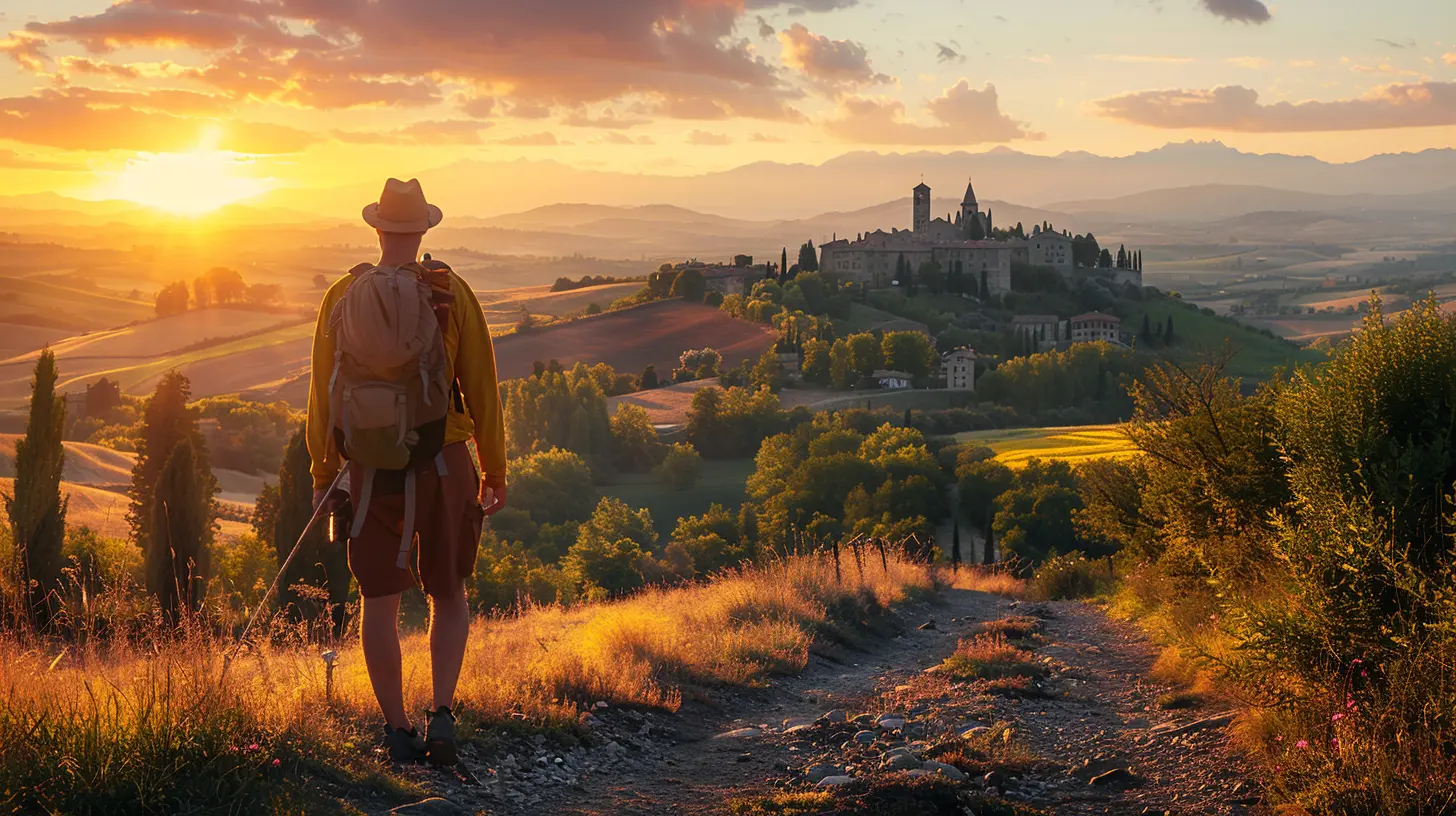
Cultural Encounters
Walking the Via Francigena is not solely about the physical journey; it is also an opportunity for cultural immersion.Engaging with Local Communities
As you traverse the route, you will encounter various communities that have their own traditions, cuisines, and stories. Engage with locals whenever possible. This could mean:- Dining at Local Eateries: Trying regional dishes not only satisfies hunger but also enriches your experience. Each meal tells a story.
- Participating in Local Festivals: If your timing aligns, local festivals can provide a vibrant glimpse into the culture and heritage of the regions through which you pass.
- Visiting Artisan Workshops: Many towns along the route have artisan shops where you can witness traditional crafts being made. Support local artists by purchasing handmade goods.
Common Mistakes to Avoid
While the Via Francigena is generally well-marked and manageable, there are pitfalls that newcomers should be aware of.Overpacking
Many pilgrims make the mistake of bringing too much gear. A heavy backpack can lead to discomfort and fatigue. Stick to essentials and prioritize items that serve multiple purposes.Ignoring Your Body
Listen to your body. If you feel pain or discomfort, do not hesitate to take a break. Pushing through can lead to injury and cut your journey short.Neglecting to Plan
Spontaneity can be delightful, but a lack of planning might leave you without accommodations or food options. Researching your route ahead of time allows for a smoother experience.
The Spiritual Aspect of the Journey
For many, the Via Francigena is more than just a physical trek; it is a spiritual journey. The act of walking, combined with the rich history surrounding the route, can lead to moments of contemplation and self-discovery.Finding Your Purpose
Consider what motivates you to undertake this pilgrimage. Is it faith, personal reflection, or a desire for adventure? Clarity of purpose can enhance your experience and provide direction during challenging moments.Creating Rituals
Pilgrims often find comfort in rituals. Whether it is a moment of prayer at a significant site or a daily reflection on your walk, establishing personal rituals can deepen your connection to the journey.Best Practices for a Successful Pilgrimage
To ensure a fulfilling experience on the Via Francigena, keep these best practices in mind:- Plan Flexibility into Your Itinerary: Allow for changes in your schedule, whether due to fatigue, weather, or the allure of a particularly charming village.
- Connect with Fellow Pilgrims: Sharing experiences with others can enrich your journey. Consider joining a group or connecting with fellow travelers along the way.
- Document Your Journey: Keeping a journal or taking photos can help you capture memories and reflections that you can cherish long after the journey ends.
Conclusion: A Journey Worth Taking
The Via Francigena is a pilgrimage rich in history, culture, and personal discovery. In 2027, the route promises to be as inviting as ever, offering a chance to step back in time while forging your own path. Whether you walk for spiritual reasons, adventure, or cultural exploration, each step along this ancient trail will resonate with the echoes of those who walked before you.As you prepare for this journey, embrace the complexities and joys that lie ahead. The Via Francigena is not merely a hike; it is a transformative experience that invites reflection, connection, and a deeper understanding of both yourself and the world around you.
all images in this post were generated using AI tools
Category:
Iconic RoutesAuthor:

Reed McFadden