Epic Rides on Argentina’s Seven Lakes Route in 2026
1 October 2026
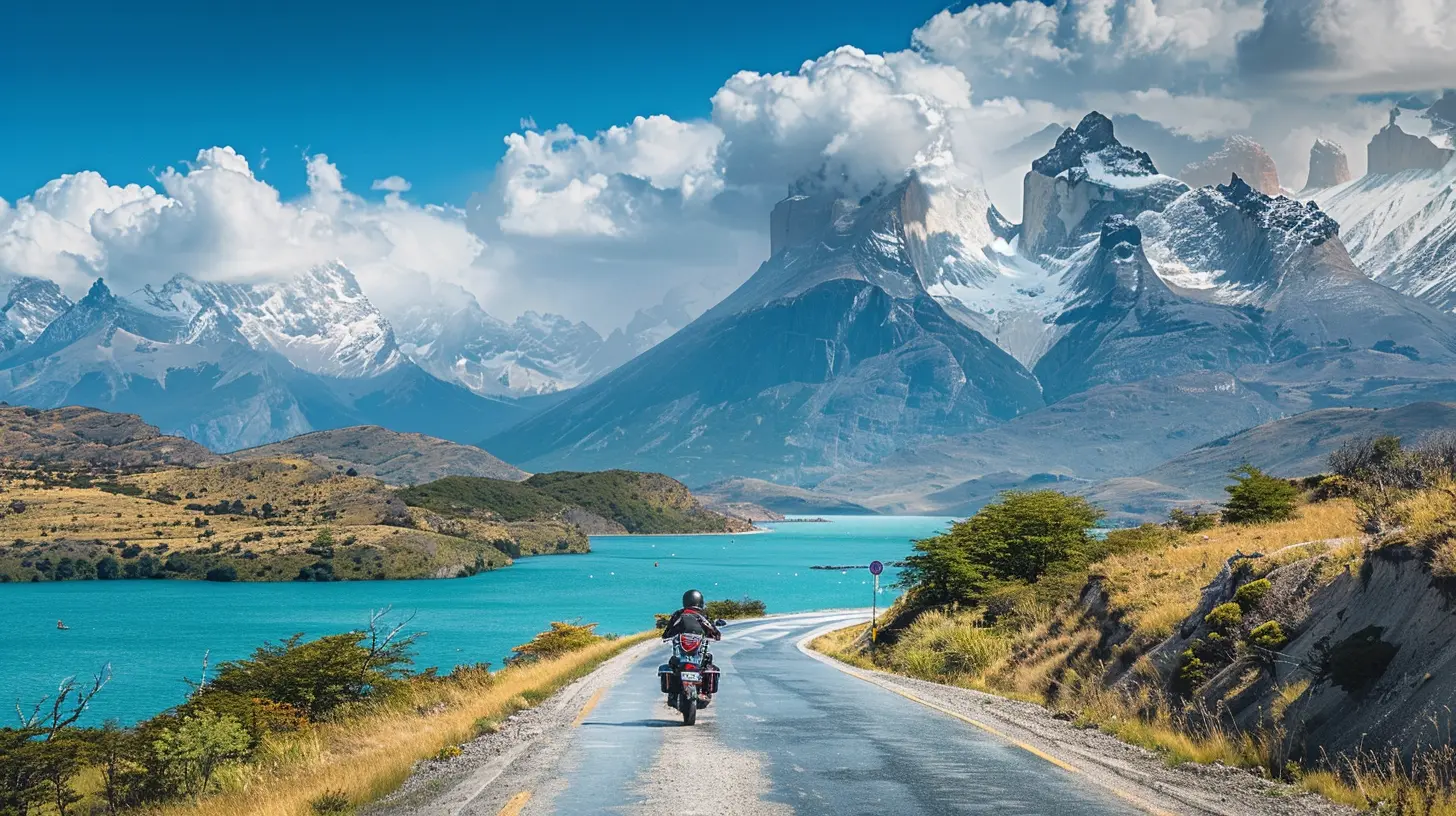
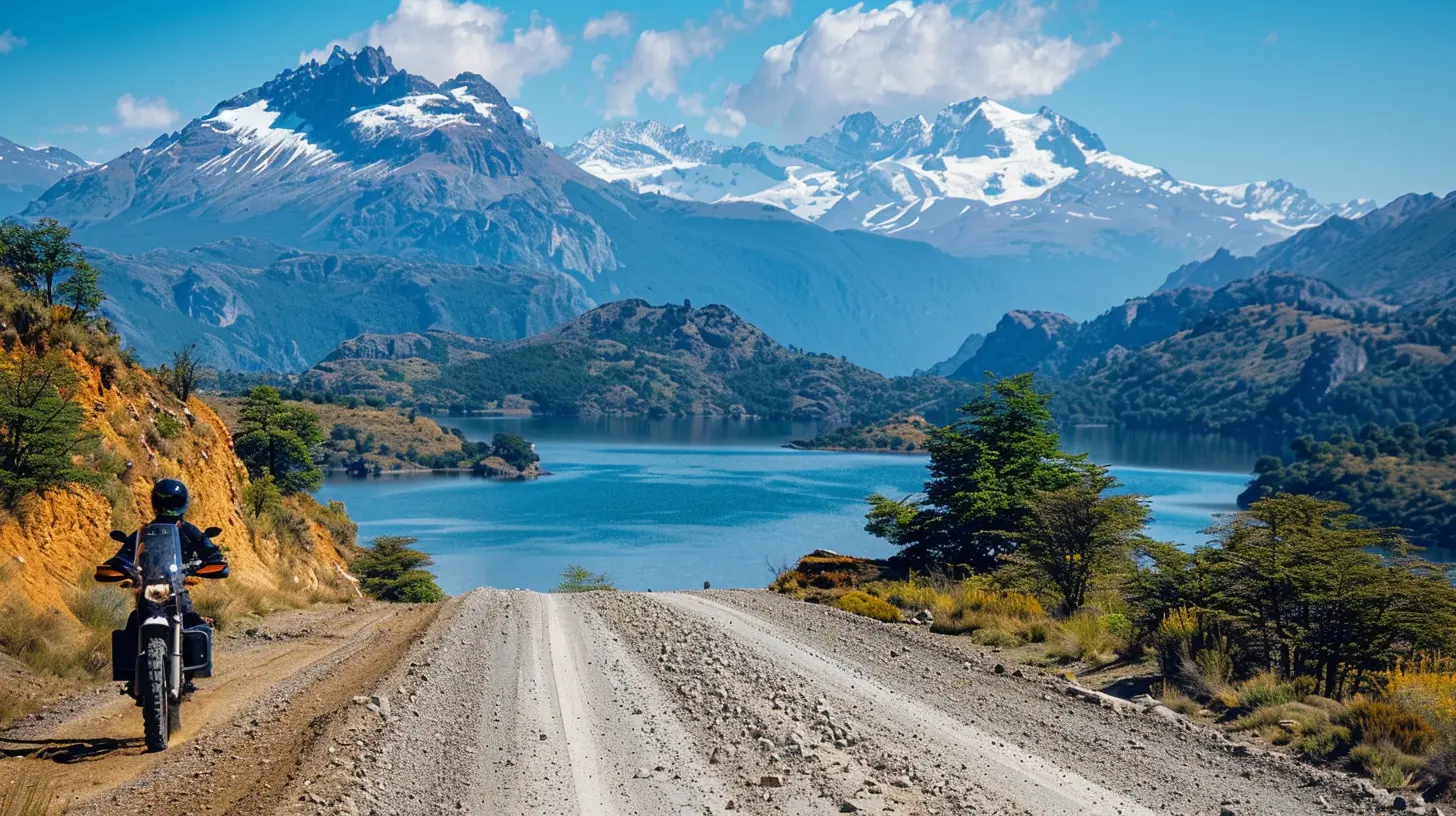
There is a stretch of road in northern Patagonia that does something rare. It refuses to let you rush. Every few kilometers, a lake appears through the trees, and the sensible thing to do is stop, get off whatever you are riding, and stand there for a moment. The Seven Lakes Route, known locally as the Ruta de los Siete Lagos, runs through the Argentine provinces of Neuquen and Rio Negro, connecting the town of San Martin de los Andes with Villa La Angostura. For motorcyclists, cyclists, and anyone who loves a good road, it is one of South America's great rides.
Planning this trip for 2026 means thinking carefully about timing, gear, route options, and the small decisions that separate a good ride from an unforgettable one. This guide is built from practical experience and a close reading of how the route actually works, season by season and kilometer by kilometer.
What the Seven Lakes Route Actually Is
The name suggests a single, clearly defined road with seven lakes. The reality is a bit more generous. The classic route follows National Route 40 from San Martin de los Andes south toward the junction with Provincial Route 63, which then continues to Villa La Angostura. Depending on how you count, you will pass seven named lakes, though the region holds many more. The official seven are generally listed as Lacar, Machonico, Falkner, Villarino, Espejo, Correntoso, and Nahuel Huapi. Some counts swap in Escondido or Traful, and if you take detours, the number climbs quickly.This matters for planning because the route is not a rigid checklist. It is a corridor through the Lanin National Park and the Nahuel Huapi National Park, and the experience changes depending on how much you are willing to wander off the main line. Riders who stick strictly to the asphalt will finish the core route in three to four hours without stops. Riders who treat it as a full day, or two, will see why people come back.
The road surface is mostly paved and in good condition, though Patagonian weather and traffic take their toll. There are gravel sections, particularly on some of the access roads to lakes and on alternate routes. In 2026, expect the main highway to remain paved, but always check current conditions before you ride, because roadwork is a constant in the region.
Why This Route Deserves More Than a Day
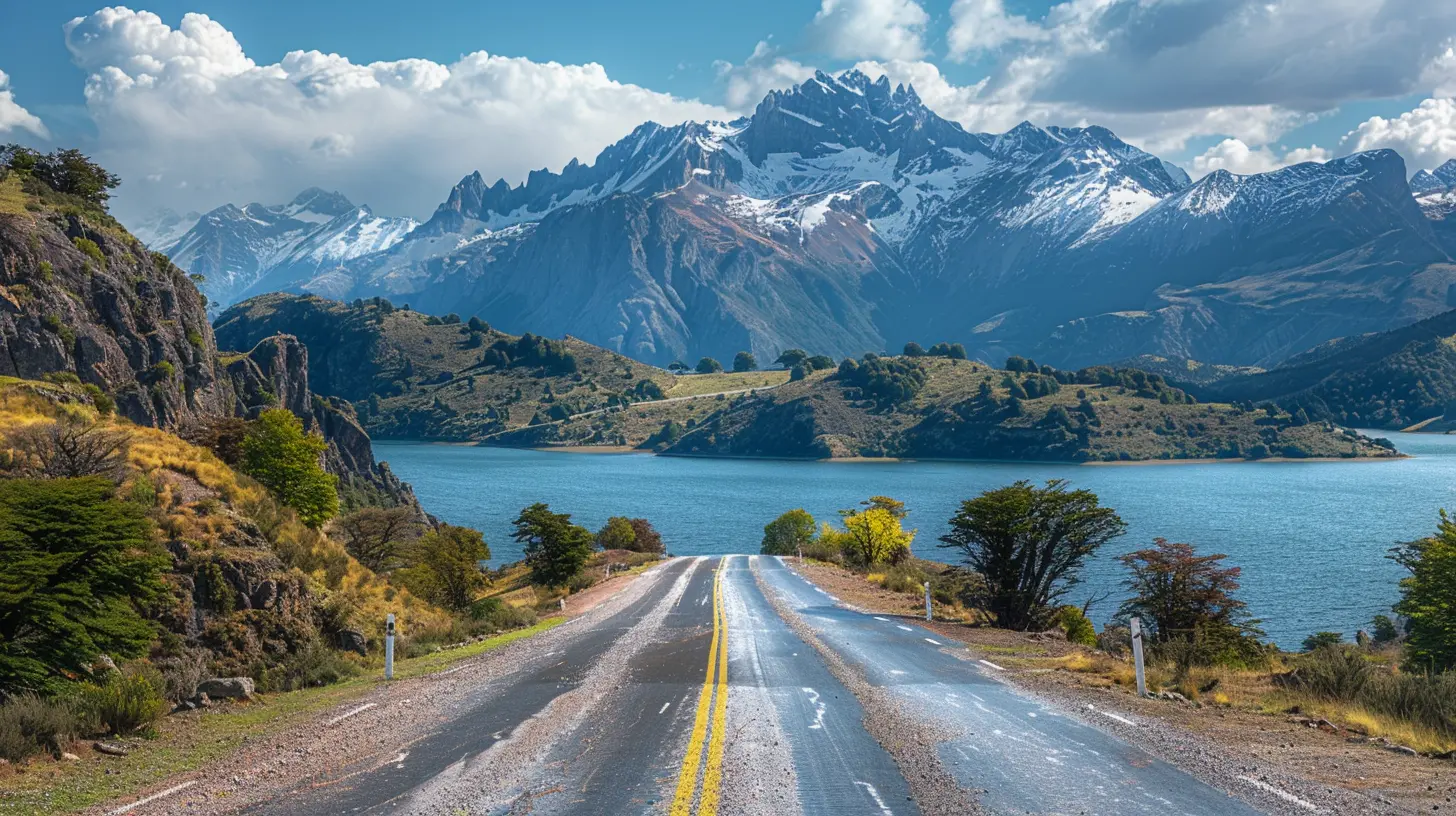
Many visitors treat the Seven Lakes Route as a transfer, a scenic way to get from one town to another. That is a mistake. The route rewards slowness. The light changes constantly. Morning fog sits on the water, midday sun turns the lakes different shades of blue and green, and late afternoon brings long shadows across the beech forests.There is also a practical reason to slow down. The road is popular, and in high season, which runs from December through February, traffic includes tour buses, rental cars, and cyclists. Rushing on a motorcycle or in a car means you spend your attention on the vehicle ahead rather than the landscape. Spreading the ride over two days lets you ride in the early morning and late afternoon when the road is quieter and the light is better.
When to Ride: A Season by Season Breakdown
Timing is the single biggest decision you will make. The Seven Lakes Route sits in a temperate rainforest transition zone, which means weather can shift fast.Late Spring: November and Early December
This is one of the best windows. Snowmelt feeds the lakes, the forests are bright green, and wildflowers appear along the shoulders. Traffic is lighter than in January. The trade-off is unpredictability. Cold fronts can bring rain or even late snow at higher elevations. If you ride in November, pack layers and be ready to change plans.High Summer: Mid December through February
This is peak season. Days are long, temperatures are mild, and almost every camp site and cabin is open. The downside is crowds and higher prices. Book accommodation well in advance, especially in Villa La Angostura and San Martin de los Andes. Also note that January can bring strong winds, particularly on exposed sections near the eastern end of the route.Autumn: March and April
Many experienced riders prefer this window. The crowds thin, the beech forests turn red and orange, and the air is crisp. Early March still feels like summer, while late April can bring cold nights and the first snows on the passes. This is a great time for photography and for riders who value quiet roads.Winter: May through October
Snow closes some sections and makes others risky. The route is not generally recommended for motorcycling in winter, though the towns remain open and the scenery is dramatic. If you are determined to ride, check road status daily and expect ice in shaded corners.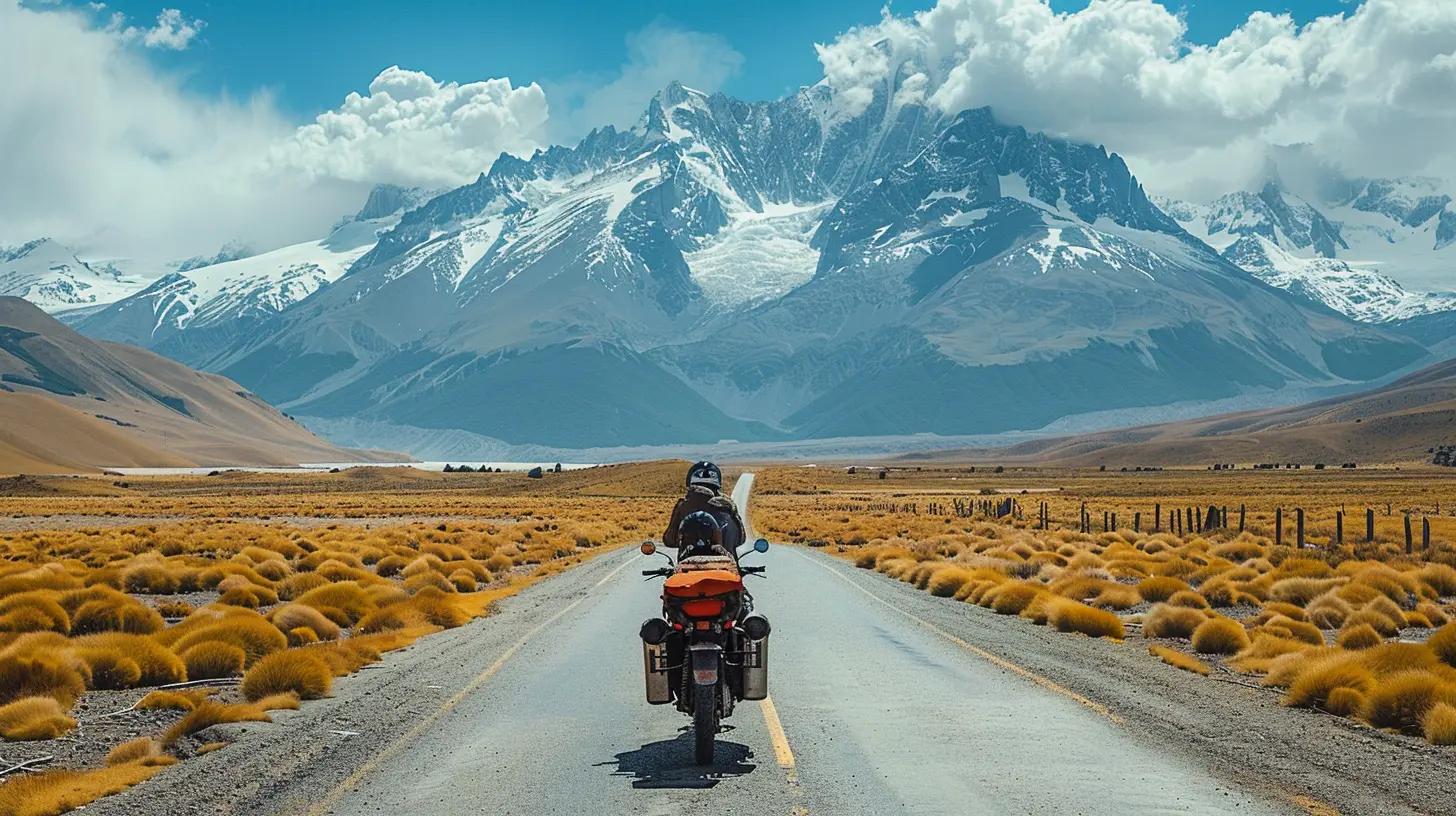
Choosing Your Machine
The Seven Lakes Route is friendly to almost any vehicle, which is part of its appeal. That said, the right choice depends on how you plan to use it.A standard touring motorcycle handles the paved sections with ease. The road has long sweepers, tight forest corners, and a few sections where the surface is uneven. A bike with decent wind protection makes the highway stretches more comfortable, especially when the Patagonian wind picks up.
Adventure bikes open up side routes. Gravel access roads lead to quieter lakeshores and viewpoints that most drivers never see. If you ride an adventure bike, you can link the Seven Lakes Route with the Circuito Chico near Bariloche or the dirt roads toward Traful. Just be honest about your off-road skill. Loose gravel and sand catch riders who are used to pavement.
Smaller bikes, including 250cc and 300cc dual sports, are genuinely fun here. The speeds are moderate, the corners are tight, and a light bike is easier to manage on gravel and in wind.
Cyclists should note that the route is popular for road cycling and bikepacking. The grades are manageable, but the distance between services can be long. Plan water and food carefully.
Route Options and Detours Worth Taking
The core route is straightforward, but a few detours add real value.The Mirador de los Siete Lagos
This viewpoint, roughly halfway along the route, offers a wide panorama of several lakes at once. It is a standard stop, and for good reason. Arrive early or late to avoid the bus crowds.Lago Espejo and Lago Correntoso
These two lakes sit close to Villa La Angostura and are among the most photogenic. The Correntoso River, which connects Lago Espejo with Lago Nahuel Huapi, is short and fast, and the bridge over it is a classic photo stop.Villa Traful Detour
If you have an extra day, the detour to Villa Traful via Provincial Route 65 is worth it. The road includes gravel sections and climbs to a viewpoint over Lago Traful that many riders consider the highlight of the region. Check conditions, because the gravel can be rough after rain.Circuito Chico from Bariloche
If you continue south to Bariloche, the Circuito Chico is a short loop that packs in lake views, the Llao Llao area, and a chairlift to a panoramic viewpoint. It is touristy but genuinely beautiful, and it pairs well with the Seven Lakes Route as a longer Patagonian itinerary.
Practical Logistics: Fuel, Food, and Lodging
Fuel is available in San Martin de los Andes, Villa La Angostura, and at a few points along the route, but do not assume every station is open year round. Fill up before you leave town. On a motorcycle with a small tank, carry a reserve or plan your stops carefully.Food options range from roadside parrillas to small cafes in the villages. The smoked trout and venison dishes common in the region are worth trying. In high season, popular restaurants fill up, so consider eating slightly off peak hours.
Lodging runs from campgrounds to boutique cabins. San Martin de los Andes and Villa La Angostura both have a good range. If you want to stay on the route itself, look for cabins near Lago Falkner or Lago Villarino. Book ahead for January and February.
Riding Safely in Patagonia
Patagonian weather is the main variable. Wind can be strong enough to push a motorcycle across a lane, especially on exposed ridges. Rain arrives quickly, and temperatures can drop fast when the sun goes behind a cloud.A few habits make a big difference. Start early, when winds are usually lighter. Wear layers you can add or remove without stopping for long. Use a pinlock visor or anti-fog treatment, because cold mornings fog helmets fast. Keep your fuel range in mind and never pass a station assuming the next one is open.
Wildlife is a real concern. Foxes, hares, and the occasional wild boar cross the road, often at dawn and dusk. Ride at a pace that lets you react. Also watch for cyclists and pedestrians on blind corners, especially near viewpoints.
Common Mistakes and Misconceptions
The biggest mistake is treating the route as a race. Riders who try to cover it in a few hours miss the point and often ride too fast for the conditions.Another common error is underestimating the cold. Even in summer, mornings can be in the single digits Celsius. Riders who pack only for warm weather spend the first hour shivering.
A third misconception is that the route is remote and dangerous. In reality, it is well traveled, with services in the main towns and cell coverage in many areas. That said, coverage is patchy in the national parks, so do not rely on your phone for navigation. Carry a paper map or download offline maps.
Finally, many visitors assume the route is only about the seven lakes. The forests, the volcanoes visible on clear days, and the small towns along the way are just as memorable. Build in time for the unexpected.
What to Pack for a 2026 Ride
Your packing list should reflect the season and your riding style. At a minimum, bring a waterproof jacket and pants, warm gloves, a warm mid layer, and a spare visor or goggles. A small tool kit, tire repair kit, and a compact pump are wise for motorcyclists. Cyclists should carry spare tubes, a multi-tool, and enough water for long stretches.For electronics, a power bank and a universal adapter are useful. Argentina uses type I plugs, and voltage is 220 volts. If you are renting a bike, confirm what accessories are included.
Budgeting for the Trip
Costs vary widely depending on your style. Camping and cooking your own food keeps expenses low. Hotels, restaurants, and guided tours raise them quickly. Fuel is a modest part of the budget for motorcyclists, but rental costs, insurance, and park fees add up. In 2026, expect prices to reflect ongoing inflation in Argentina, so check current rates before you commit. Paying in local currency often gets a better effective rate than paying in foreign currency, but rules change, so verify the current situation when you arrive.Final Thoughts on Riding the Seven Lakes Route
The Seven Lakes Route is not the hardest ride in the world, and it is not meant to be. Its value lies in the way it combines accessible roads with genuinely wild scenery. You do not need to be an expert rider to enjoy it. You do need to respect the weather, plan your fuel and lodging, and give yourself permission to stop often.In 2026, the route will still be there, winding through the beech forests between San Martin de los Andes and Villa La Angostura. The lakes will still change color with the light. The wind will still push against you on the exposed ridges. What you bring to it, patience, preparation, and a willingness to slow down, will determine what you take away.
all images in this post were generated using AI tools
Category:
Iconic RoutesAuthor:

Reed McFadden