Pet Travel Checklist for Hassle-Free Adventures in 2027
16 October 2026
Traveling with a pet in 2027 is not the same as it was a decade ago. Airlines have tightened cabin rules, more countries now require digital health certificates, and a growing number of hotels and campsites market themselves as pet-friendly while quietly limiting where animals can actually go. Meanwhile, pet owners have become more ambitious. Road trips with dogs, cross-border train journeys with cats, and even long-haul flights with small companions are now common rather than exotic.
That shift creates a problem. Most advice online treats pet travel as a single event: get a crate, pack a bowl, book a ticket. In reality, it is a chain of decisions, and one weak link can ruin the whole trip. A missing vaccination record can stop you at a border. A poorly chosen carrier can make an animal miserable for twelve hours. A last-minute change in routine can trigger anxiety that takes days to settle.
This checklist is built around that reality. It is organized the way a trip actually unfolds, from the moment you start thinking about traveling to the moment you arrive back home. Each section explains not just what to do, but why it matters and where people commonly get it wrong.
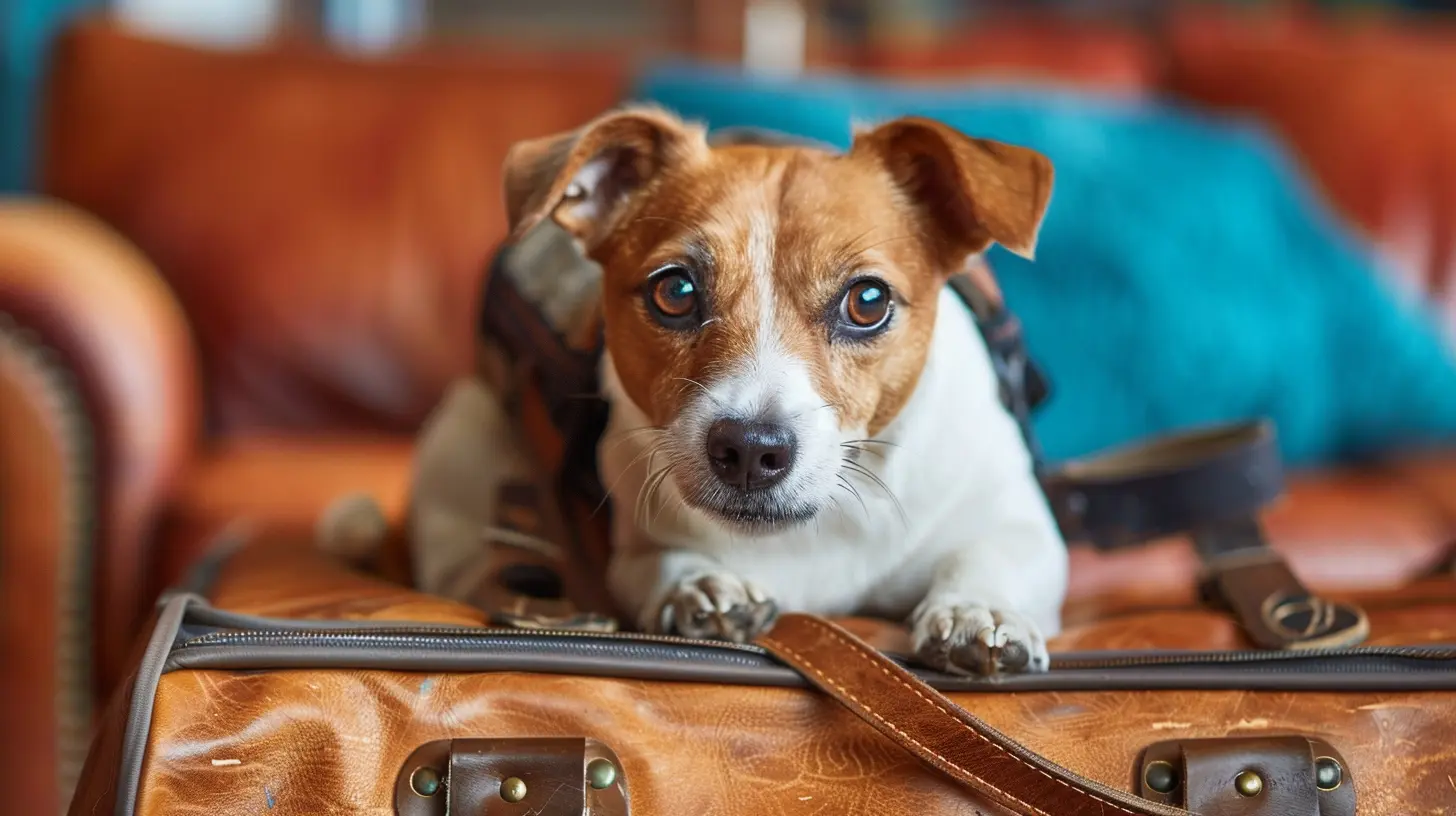
Start With the Pet, Not the Destination
The first mistake many owners make is deciding where they want to go and then figuring out how to bring the pet. It works better in reverse.Before you book anything, ask three honest questions about your animal.
Is my pet physically suited to this trip? Flat-faced breeds such as pugs, bulldogs, and Persian cats struggle with air travel because their airways are compressed. Many airlines now restrict them from cargo entirely, and some ban them from cabins on longer routes. Older pets with arthritis may handle a car ride fine but suffer on a multi-leg flight. A vet visit before planning is not a formality. It is the foundation of the whole trip.
Is my pet behaviorally suited to this trip? A dog that barks at every stranger will not enjoy a busy hotel lobby. A cat that hides for three days after a vet visit will not enjoy a weekend rental. This does not mean you cannot travel with them, but it may mean choosing a quiet cabin in the woods over a city apartment.
Is my pet's temperament compatible with the transport method? Some animals travel calmly in cars but panic in planes. Others sleep through flights but vomit on winding roads. Knowing this in advance shapes every other decision.
If the answer to any of these is unclear, a trial run helps. Take a two-hour drive to nowhere and back. Spend a night in a local pet-friendly hotel. You will learn more from one short test than from hours of reading.

Paperwork and Health Requirements
Documentation is where most international pet travel falls apart. Rules vary enormously by country, and they change often. What worked in 2024 may not work in 2027.Core Health Documents
At minimum, most destinations require proof of rabies vaccination, a health certificate issued by a licensed veterinarian within a specific window before travel, and some form of identification such as a microchip. The microchip often must be implanted before the rabies vaccine to be considered valid, which trips up owners who do things in the wrong order.The health certificate is usually valid for a short period, sometimes as little as ten days. That means you cannot get it months in advance. It has to be timed carefully, and if your flight is delayed beyond the validity window, you may need a new one.
Country-Specific Rules
Some countries are straightforward. Others are not. The European Union, for example, generally requires an EU pet passport or a third-country health certificate, plus a rabies titer test for animals coming from certain regions. That titer test can take weeks or months to process, which means planning must begin far earlier than most people expect.Island nations such as Japan, Australia, and New Zealand have some of the strictest rules in the world. Australia, for instance, requires a rabies titer test, a minimum waiting period, and a permit issued before travel. The process can take months. Owners who assume they can bring a pet on short notice are often forced to leave the animal behind or cancel the trip.
The lesson is simple: check the official government website of your destination, not a blog or a forum. Rules change, and outdated advice is everywhere.
A Practical Timeline
For domestic travel, start preparing four to six weeks ahead.For international travel, start three to six months ahead, sometimes more.
For countries with strict quarantine or titer requirements, start six to twelve months ahead.
This is not exaggeration. It is the difference between a smooth trip and a cancelled one.
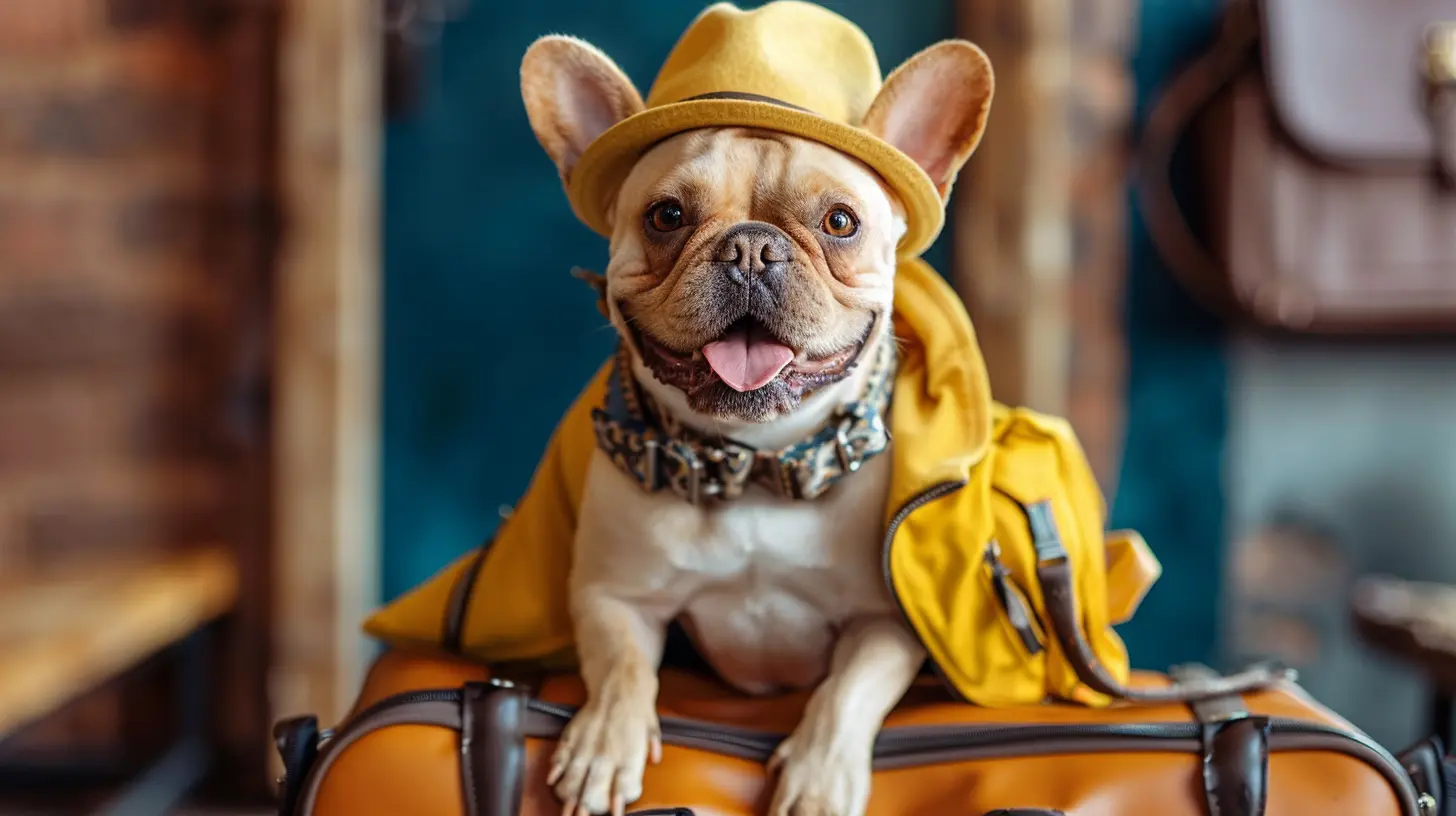
Choosing the Right Carrier or Crate
A carrier is not just a box. It is your pet's home for hours. Getting it wrong causes stress for the animal and problems for you.Cabin Versus Cargo
Small pets can often travel in the cabin, usually in a carrier that fits under the seat in front of you. This is almost always the better option when available. Your pet stays with you, you can monitor them, and the environment is pressurized and temperature-controlled.Cargo travel is necessary for larger animals or when cabin space is unavailable. It is not inherently cruel, but it is riskier. Cargo holds can be noisy, and while they are temperature-controlled on most modern aircraft, delays on the tarmac can expose animals to heat or cold. Some airlines have stopped carrying pets in cargo altogether.
If cargo is the only option, choose a direct flight when possible. Every transfer increases the chance of mishandling.
Sizing and Familiarity
The crate should be large enough for your pet to stand, turn around, and lie down comfortably, but not so large that they slide around during turbulence. Airline-approved crates have specific dimension rules, and gate agents do check.Buy the crate weeks before the trip. Leave it open at home with a favorite blanket inside. Feed your pet near it. Let them nap in it. By the time travel day arrives, the crate should smell like home, not like a stranger's garage.
This single step prevents more travel anxiety than any sedative.
What Not to Do
Do not borrow a crate from a friend the night before. Do not use a carrier your pet has never seen. Do not assume a soft-sided bag is acceptable on every airline, because many require hard-sided crates for cargo. These are the small oversights that turn a smooth trip into a stressful one.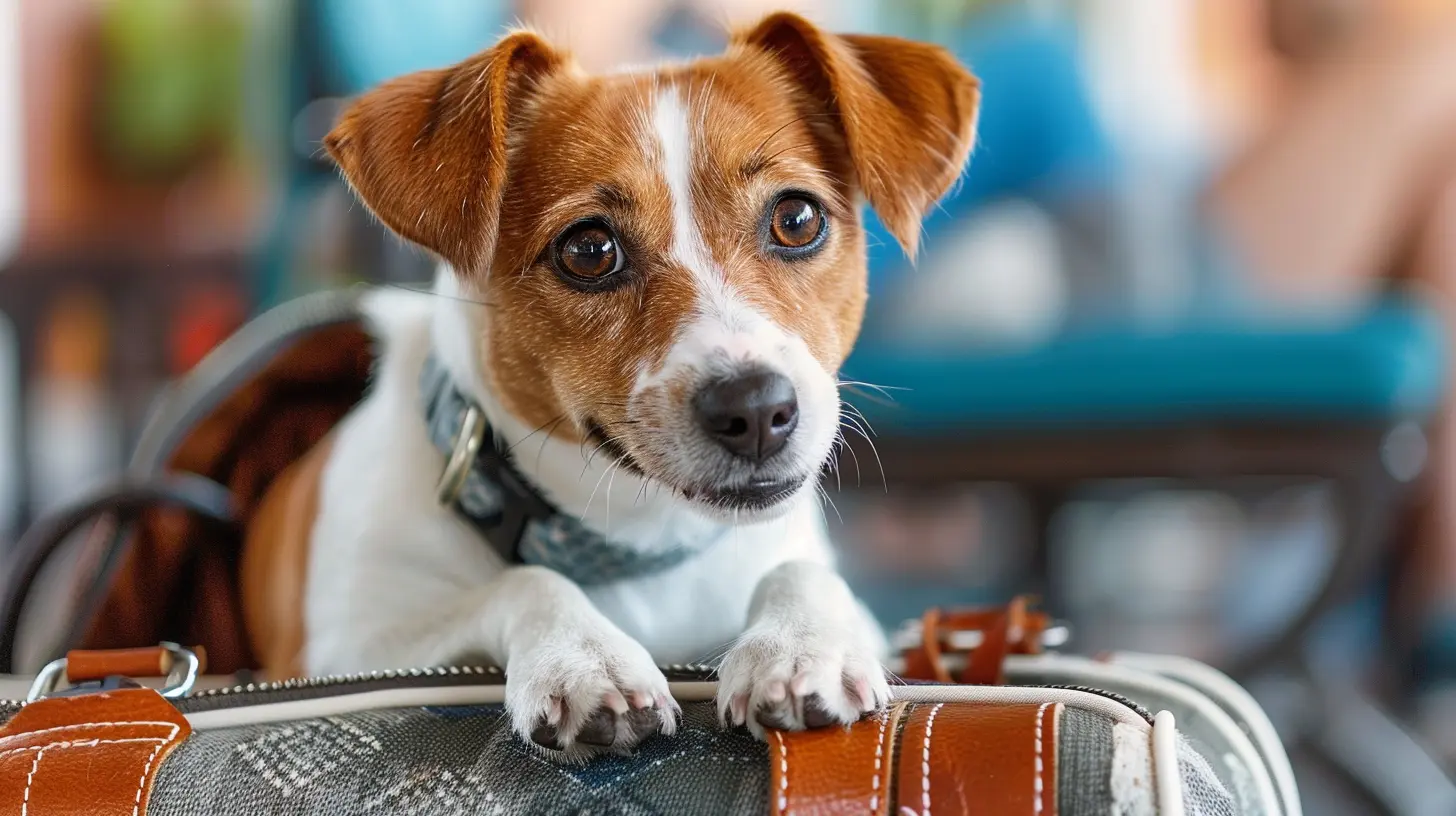
Ground Travel: Cars, Trains, and Buses
Not every trip involves a plane. In fact, most pet travel happens on the ground, and it comes with its own set of considerations.Car Travel
Cars give you the most control. You decide when to stop, how long to drive, and where the pet sits. But control does not mean safety is automatic.An unrestrained pet in a moving car is a hazard to themselves and to you. A sudden brake can send a forty-pound dog into the windshield. A crate or a crash-tested harness is not optional for safety-conscious owners. The harness should be anchored to a seatbelt, and the crate should be secured so it does not slide.
Plan stops every two to three hours. Dogs need to stretch, drink, and relieve themselves. Cats generally prefer to stay in their carrier, but they still need a quiet moment and access to water.
Never leave a pet alone in a parked car. Even on mild days, interior temperatures can rise quickly enough to cause heatstroke. This is one of the most common and most preventable causes of pet travel emergencies.
Train Travel
Trains are often more comfortable than planes for pets, especially in regions where rail networks allow small animals in carriers. The motion is smoother, there is more space, and boarding is less chaotic.The catch is that rules vary widely. Some rail operators allow pets of any size with a ticket. Others limit animals to small carriers. Some ban them entirely on certain routes. Check before booking, and if possible, reserve a seat with extra space.
Bus Travel
Buses are the least pet-friendly option in most regions. Many operators prohibit animals except for service animals. Where pets are allowed, they usually must stay in a carrier at your feet for the entire journey, which can be uncomfortable on long routes. For most owners, buses are a last resort.Accommodation: Beyond the "Pet-Friendly" Label
A hotel that calls itself pet-friendly may still charge a nightly fee, restrict pets to certain rooms, or prohibit them from common areas. A vacation rental may allow dogs but have no fenced yard. A campsite may welcome pets but have wildlife that makes off-leash time dangerous.Read the fine print. Then call or email to confirm.
Ask specific questions:
- Is there a weight limit?
- Are pets allowed to be left alone in the room?
- Is there a designated relief area?
- Are there additional cleaning fees?
- Are certain breeds restricted?
The last question matters more than people realize. Some properties and even some cities have breed-specific rules that can catch owners off guard.
When you arrive, do not treat the room like your living room. Keep your pet off the bed unless the property allows it. Bring a familiar blanket so your pet has a consistent spot. Clean up accidents immediately. This is not just courtesy. It is what keeps pet-friendly policies in place for the next traveler.
Packing the Right Gear
Packing for a pet is not the same as packing for yourself. The items you bring should reduce uncertainty, not add clutter.Essentials
- Food and water for the entire trip, plus extra- Collapsible bowls
- Leash and harness, plus a backup leash
- Waste bags
- Medications and a copy of prescriptions
- Vaccination records and health certificate
- Microchip information
- A recent photo of your pet
- First aid kit
The photo is easy to overlook. If your pet gets lost in an unfamiliar place, a current photo is the fastest way to get help.
Comfort Items
A favorite toy, a worn t-shirt with your scent, or a specific blanket can do more for a nervous animal than any product marketed as calming. Familiarity is the strongest anti-anxiety tool you have.What to Leave Behind
Do not bring food your pet has never eaten. A new brand on the road can cause digestive upset at the worst possible time. Do not bring a new toy that might become a choking hazard. Do not bring more than you can carry comfortably, because you will be managing your pet with one hand and your luggage with the other.Managing Stress Before and During the Trip
Stress is the invisible factor in pet travel. It does not show up on a checklist, but it shapes the entire experience.Before the Trip
Gradually introduce the carrier, the car, and the harness in the weeks leading up to departure. Short positive experiences build confidence. A single long exposure the day before does the opposite.If your pet is highly anxious, talk to your vet about options. Some animals benefit from pheromone sprays or calming supplements. Sedatives are sometimes appropriate, but they are not a universal solution. In fact, some sedatives can interfere with an animal's ability to regulate body temperature, which is dangerous during air travel. This is a decision for a veterinarian, not a forum.
During the Trip
Keep routines as consistent as possible. Feed at the same times. Walk at the same times. Bring the same leash. These small anchors help pets feel safe in unfamiliar places.Watch for signs of distress: excessive panting, drooling, pacing, hiding, or refusal to eat. If your pet shows these signs, slow down. A shorter day is better than a miserable one.
Common Mistakes and Misconceptions
Some beliefs about pet travel are widely held and simply wrong."My pet will be fine because they are calm at home." Home is familiar. Travel is not. Calm at home does not predict calm on the road.
"I can just buy a health certificate at the airport." You cannot. Health certificates require a veterinary exam and often specific timing.
"Sedatives make travel easier." They can, but they can also cause problems. This is a medical decision, not a convenience one.
"Pet-friendly means no rules." It almost never does. Expect fees, restrictions, and expectations.
"My pet does not need a microchip if they stay with me." Accidents happen. A microchip is the single most reliable way to reunite with a lost pet.
After the Trip
The work does not end when you get home. Give your pet a quiet day to recover. Watch for changes in appetite, energy, or behavior. Travel can trigger latent issues, and early attention prevents bigger problems.Wash bedding and clean carriers. Update your records if anything changed. And take note of what worked and what did not. The next trip will be easier because of it.
Final Thoughts
Pet travel in 2027 is more possible than ever, but it is also more complex. The owners who do it well are not the ones with the most gear or the biggest budget. They are the ones who plan early, respect their animal's limits, and treat preparation as part of the adventure rather than a chore.A hassle-free trip is not one where nothing goes wrong. It is one where you are ready when something does.
all images in this post were generated using AI tools
Category:
Travel ChecklistsAuthor:

Reed McFadden