More Than a Drive: Discovering the Amalfi Coast Road by 2026
14 September 2026
The Amalfi Coast road, the SS163, is one of those places where the journey and the destination argue for your attention in equal measure. Most travelers treat it as a transfer, a means of getting from Sorrento to Positano or from Amalfi to Ravello. That is a mistake. The road itself is the attraction, and how you choose to experience it will determine whether you remember it as a highlight or a headache.
By 2026, the way people move along this coastline is changing. New restrictions, shifting visitor patterns, and a growing emphasis on sustainable access are reshaping the experience. If you plan to drive the Amalfi Coast in the next few years, you need to understand not just where to go, but when, how, and whether driving is even the right call.
What Makes the SS163 Different From Any Other Scenic Road
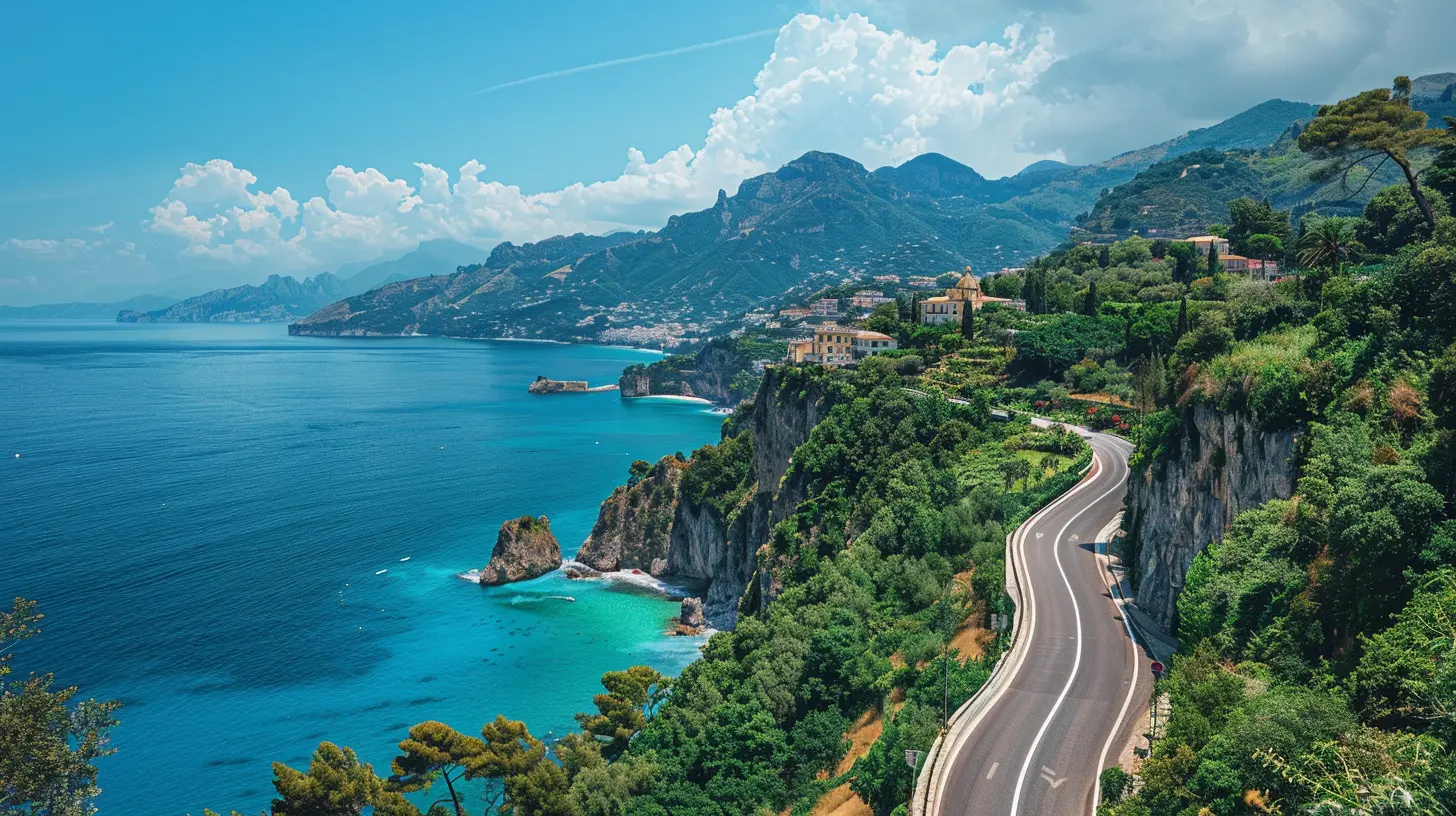
The Amalfi Coast road runs roughly 50 kilometers along the southern edge of the Sorrentine Peninsula, connecting towns that cling to cliffs above the Tyrrhenian Sea. It was carved into the mountainside in the mid-19th century, and its geometry reflects an era when traffic meant mules and carts, not tour buses and SUVs.The road is narrow. In many sections, two vehicles cannot pass without one pulling into a layby or reversing. The curves are blind, the drop is real, and the guardrails are sometimes more decorative than protective. This is not hyperbole designed to scare you. It is the physical reality that shapes every decision you make about driving here.
What makes it worth the effort is the sequence of views and towns that unfold as you move west to east. Positano spills down the cliff in a cascade of pastel cubes. Praiano offers quieter terraces and a slower pace. Amalfi, the historic maritime republic, anchors the middle. Ravello sits high above, accessible only by a separate road that branches off near Amalfi. Each town has its own character, and the road is the thread that connects them.
The Practical Case Against Driving (And When It Still Makes Sense)
Many guides tell you to drive the Amalfi Coast for the freedom it offers. That advice is incomplete. Driving here comes with real costs that are easy to underestimate.Traffic and Timing
From late morning until early evening in peak season, the SS163 becomes a slow-moving queue. Tour buses, delivery vans, scooters, and rental cars compete for space on a road that was never designed for volume. A trip that takes 40 minutes at 7 a.m. can take two hours at noon. If your plan involves hopping between three towns in a single day by car, you will spend most of that day in the car.Parking
Parking in Positano, Amalfi, and Ravello is limited, expensive, and often full by mid-morning. Garages charge by the hour, and rates climb in high season. In Positano, you may find yourself parking at the top of the town and walking down hundreds of steps to reach the beach, then climbing back up at the end of the day. That is fine if you planned for it. It is miserable if you did not.ZTL Zones
Several towns have restricted traffic zones, known as ZTL, where only permitted vehicles can enter. Cameras enforce these zones, and fines are issued automatically. Rental car companies often charge an administrative fee on top of the fine. If you drive into a ZTL without realizing it, you may not know until months later when the charge appears on your credit card.When Driving Still Makes Sense
Despite these drawbacks, driving can be the right choice in specific situations. If you are traveling in the shoulder seasons of late April, May, September, or October, traffic is lighter and parking is more available. If you are staying in a villa or hotel outside the main towns, a car gives you flexibility that public transport cannot match. If you are comfortable with narrow mountain roads and have experience driving in Italy, the freedom to stop at viewpoints and detour to smaller villages is genuinely valuable.The key is to match your mode of transport to your itinerary, not to your ego. Driving the Amalfi Coast is not a badge of honor. It is a tool. Use it when it serves you.
Alternatives to Driving That Often Work Better
The Amalfi Coast has a robust network of alternatives, and by 2026 these are only becoming more important as authorities push to reduce private vehicle traffic.Ferries and Boats
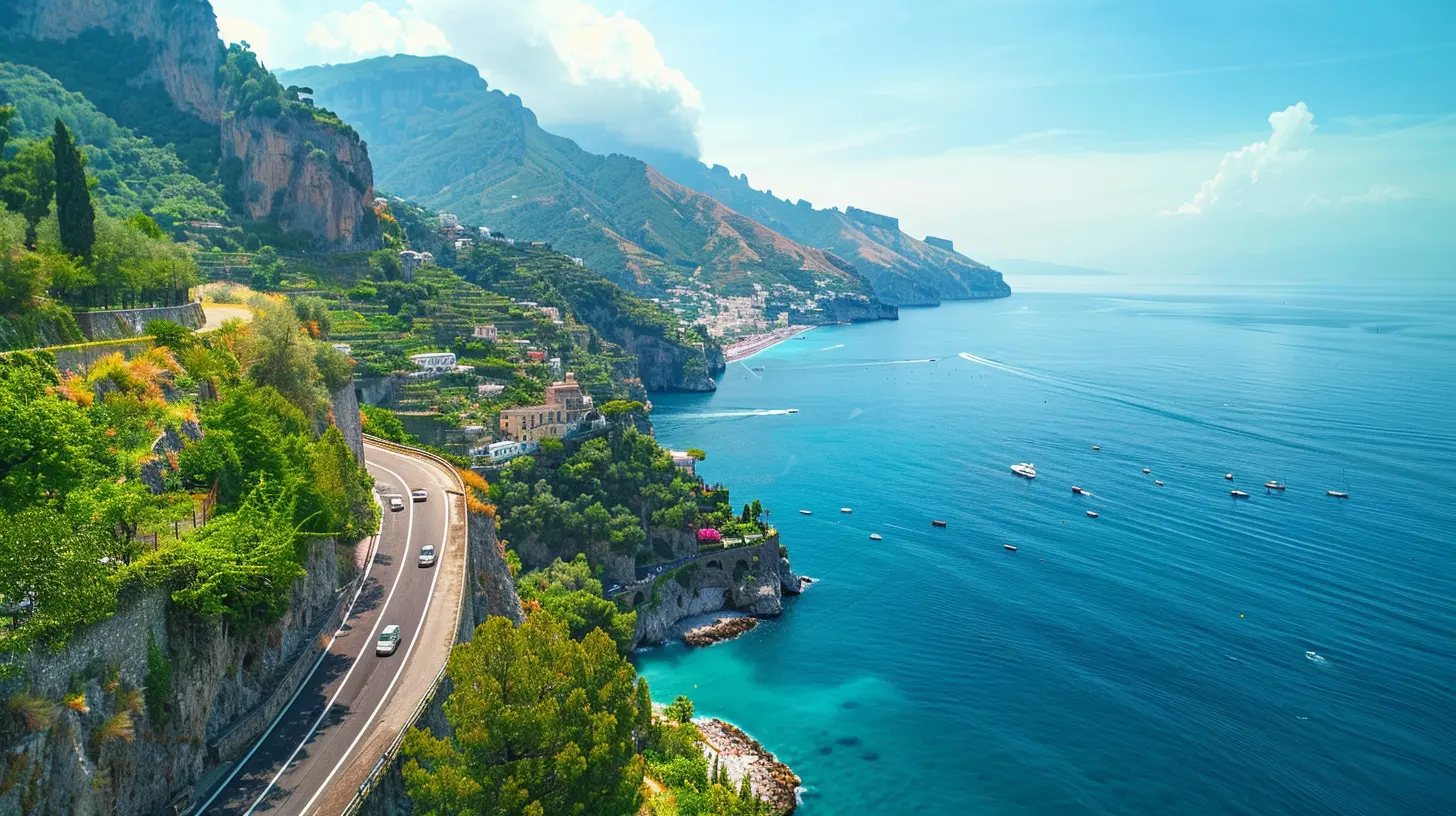
From April through October, ferries connect Sorrento, Positano, Amalfi, and Salerno, with some services extending to Capri and Ischia. The views from the water are arguably better than from the road, and you avoid traffic entirely. The trade-off is that ferries do not run in rough weather, and they stop running in the evening. If you want to stay in a town past the last ferry, you need a backup plan.SITA Buses
The SITA bus network runs along the SS163 and is inexpensive. It is also crowded, especially in summer, and buses fill up quickly. If you are boarding at an intermediate stop rather than a terminus, you may watch several full buses pass before one has space. The buses are a practical option for short hops, but they are not comfortable for long journeys with luggage.Private Transfers and Drivers
Hiring a private driver for a day or for specific transfers is more expensive than driving yourself, but it removes the stress of navigation, parking, and ZTL zones. For travelers who want to enjoy the scenery without white-knuckling the wheel, this is often the best compromise. It also allows you to have a glass of wine with lunch, which is not a small consideration on this coast.Scooters
Renting a scooter is popular, and it does give you more flexibility in traffic. However, scooters come with their own risks. The road surface is uneven, other drivers are unpredictable, and medical care in the area is limited. If you are not an experienced rider, this is not the place to learn.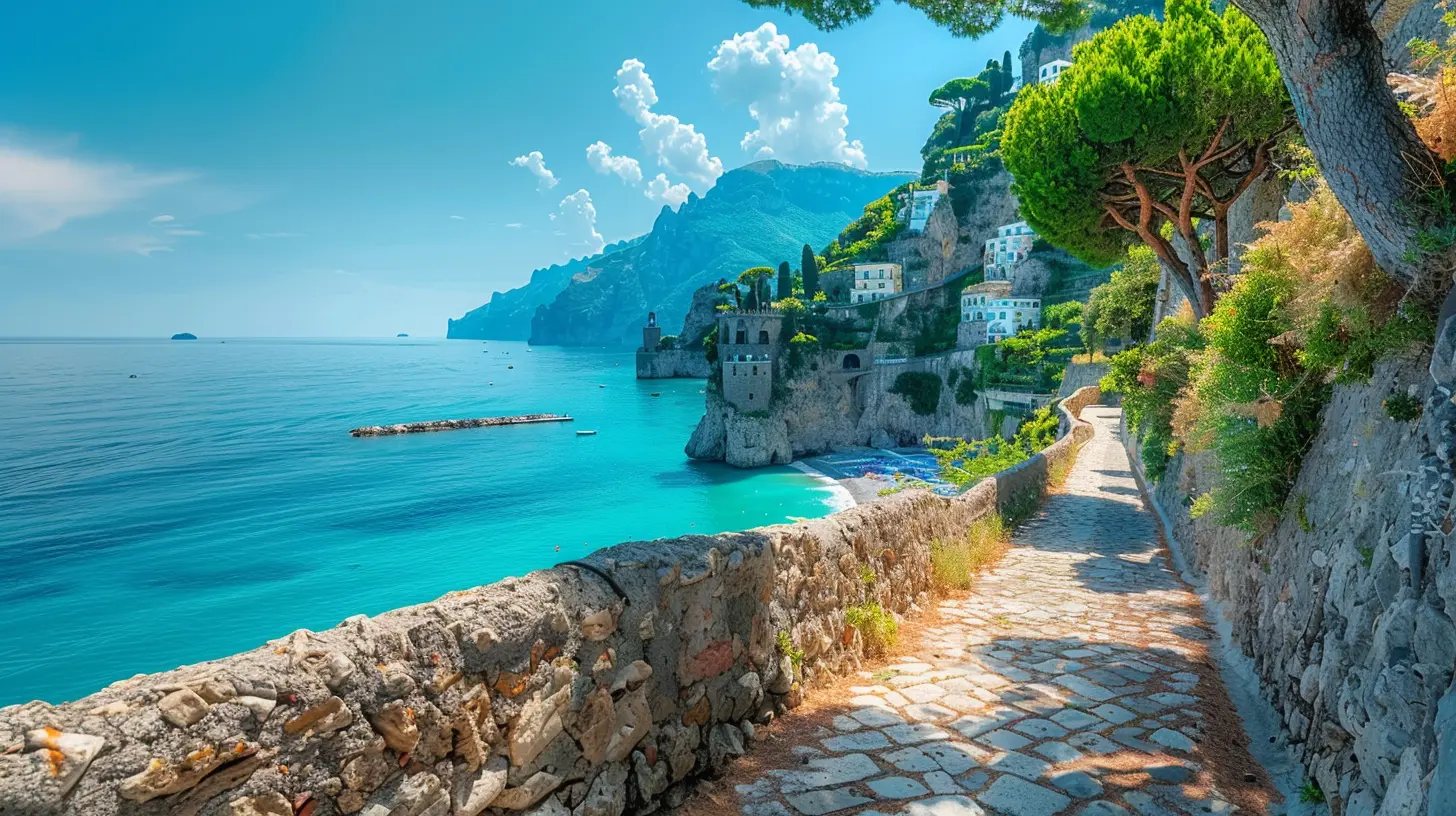
What Is Changing by 2026
The Amalfi Coast has been grappling with overtourism for years, and the response is accelerating. Several changes are likely to shape your trip by 2026.Increased Regulation of Private Vehicles
Local authorities have discussed and in some cases implemented measures to limit private vehicle access during peak periods. These may include timed entry systems, higher parking fees, or expanded ZTL zones. The specifics vary by town and by season, so you should check current rules close to your travel date rather than relying on older guides.Cruise Ship Coordination
The port of Amalfi receives cruise ships, and when a large ship is in port, the town becomes significantly more crowded. Some destinations have begun coordinating cruise schedules to spread out arrivals. Whether this happens on the Amalfi Coast in a meaningful way by 2026 is uncertain, but the pressure to do so is growing.Off-Season Promotion
Tourism authorities have been promoting the shoulder seasons more aggressively. This is good news for travelers who can be flexible. May and September offer warm weather, lighter crowds, and better prices. November through March is quiet, with some businesses closed, but the landscape is still beautiful and the road is far more manageable.Sustainable Transport Investment
There is ongoing discussion about improving ferry connections and bus frequency. If these investments materialize, the case for driving yourself weakens further. The trend is clearly toward reducing private car use, not accommodating it.A Practical Route That Works
If you do decide to drive, or if you are hiring a driver, here is a route that balances the highlights with a realistic pace.Start Early
Leave Sorrento or your base by 7 a.m. The road is yours for the first hour or two. Stop at the viewpoints above Positano before the town wakes up. The light is soft, the parking is easy, and you will have the place largely to yourself.Positano
Spend the morning in Positano. Walk down to the beach, have coffee, and wander the side streets. If you are driving, park in one of the garages at the top of town and take the stairs or the internal bus down. Do not try to drive into the center.Praiano
Praiano is often skipped, which is precisely why it is worth a stop. It is quieter than Positano, with a small harbor and a couple of excellent restaurants. It is a good place for lunch before the afternoon rush.Amalfi
Amalfi is the historic heart of the coast. The cathedral, the paper museum, and the waterfront are all worth your time. If you are driving, park outside the center and walk in. The town is compact and easy to navigate on foot.Ravello
Ravello sits above Amalfi and is reached by a separate road that climbs through vineyards and lemon groves. The views from Villa Cimbrone and Villa Rufolo are among the best on the coast. If you are short on time, this is the one detour you should not skip.The Return
If you are driving back toward Sorrento, leave Amalfi by 4 p.m. to avoid the worst of the evening traffic. If you are continuing to Salerno, the road is less congested in that direction, and you can end your day with a train connection to Naples or Rome.
Common Mistakes and How to Avoid Them
Even experienced travelers make predictable errors on the Amalfi Coast. Here are the ones that cause the most trouble.Underestimating Travel Times
Google Maps does not account for the reality of the SS163. A 30-kilometer drive can take two hours. Plan for double the time you think you need, and you will be pleasantly surprised rather than frustrated.Booking Accommodation Without Checking Access
Many hotels and rentals are accessed by stairs, not roads. If you have luggage and a car, this matters. Confirm exactly how you will reach your accommodation and where you will park before you book.Driving a Large Vehicle
The smaller your car, the easier your life will be. A compact car or a small SUV is manageable. A full-size SUV or a van is not. If you need space for a family, consider a private transfer instead of a rental.Ignoring ZTL Signs
ZTL signs are posted, but they are easy to miss when you are focused on traffic. Research the ZTL zones for each town you plan to visit, and know where the boundaries are. If you accidentally enter one, you cannot undo it, but you can avoid repeating the mistake.Skipping the Off-Season
The Amalfi Coast is not a summer-only destination. May and September are arguably better than July and August. The weather is still warm, the crowds are thinner, and the experience is more relaxed. If you have flexibility, use it.What to Consider Before You Decide
The decision to drive or not to drive is not about right or wrong. It is about matching your priorities to the realities of the road.If your priority is freedom and you are traveling in the off-season, driving can work well. If your priority is relaxation, use ferries and private transfers. If your priority is budget, buses and ferries are your friends. If your priority is seeing as much as possible in a short time, a private driver will save you hours.
Think about what you actually want from the Amalfi Coast. If it is a checklist of towns, you will spend your time in transit. If it is the experience of being there, slow down. Stay in one or two places. Let the road be part of the journey, not a race to the next stop.
The Amalfi Coast road is more than a drive. It is a lesson in patience, a test of planning, and a reward for those who approach it with realistic expectations. By 2026, the smartest travelers will be the ones who understand that the best way to experience this coastline is not to conquer it, but to move through it at its own pace.
all images in this post were generated using AI tools
Category:
Iconic RoutesAuthor:

Reed McFadden