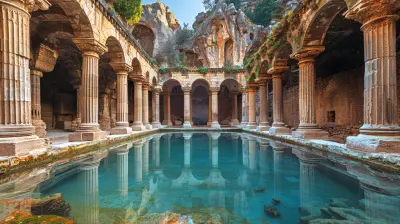
Majestic Landscapes: The Natural Beauty of World Heritage Sites
31 December 2025
We live in a world bursting at the seams with jaw-dropping landscapes. You don't need a passport to feel the awe—they’re literally etched into the Earth’s skin. But when it comes to the most iconic natural places on the planet, nothing really compares to the World Heritage Sites. These are nature’s VIPs, handpicked by UNESCO for their sheer magnificence and universal value. From sprawling glaciers to fairy-tale forests and volcanic wonders, these sites are more than just pretty faces — they’re living, breathing postcards from Mother Nature herself.
So, let’s take a virtual trek around the globe and uncover why these majestic landscapes are so important, so magical, and honestly, so worth protecting.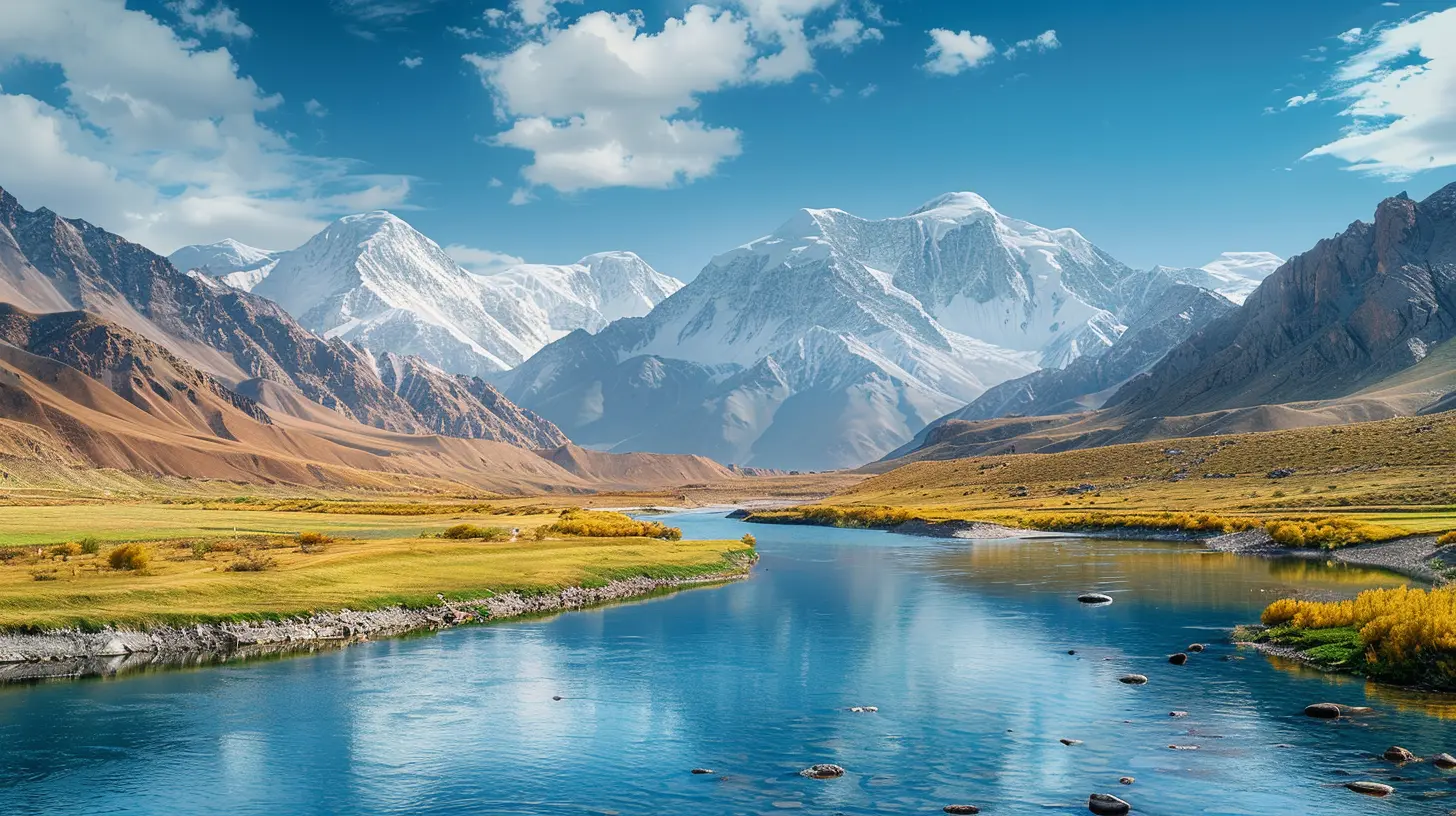
What Makes a Place a World Heritage Site Anyway?
Before we start gushing over emerald fjords and sky-high peaks, let’s clear something up: What exactly is a World Heritage Site?The short answer? It’s a place that’s been recognized by UNESCO for its outstanding importance—either cultural, natural, or both. When it comes to natural World Heritage Sites, we're talking landscapes that leave you speechless. Think of it like nature’s Hall of Fame.
To make the list, a site usually has to check a few boxes:
- Unique geological formations
- Rare or endangered ecosystems
- Incredible biodiversity
- Astonishing natural beauty
Basically, they’re the superstar destinations that make you want to ditch your phone, breathe deeper, and say, “Wow... this is unreal.”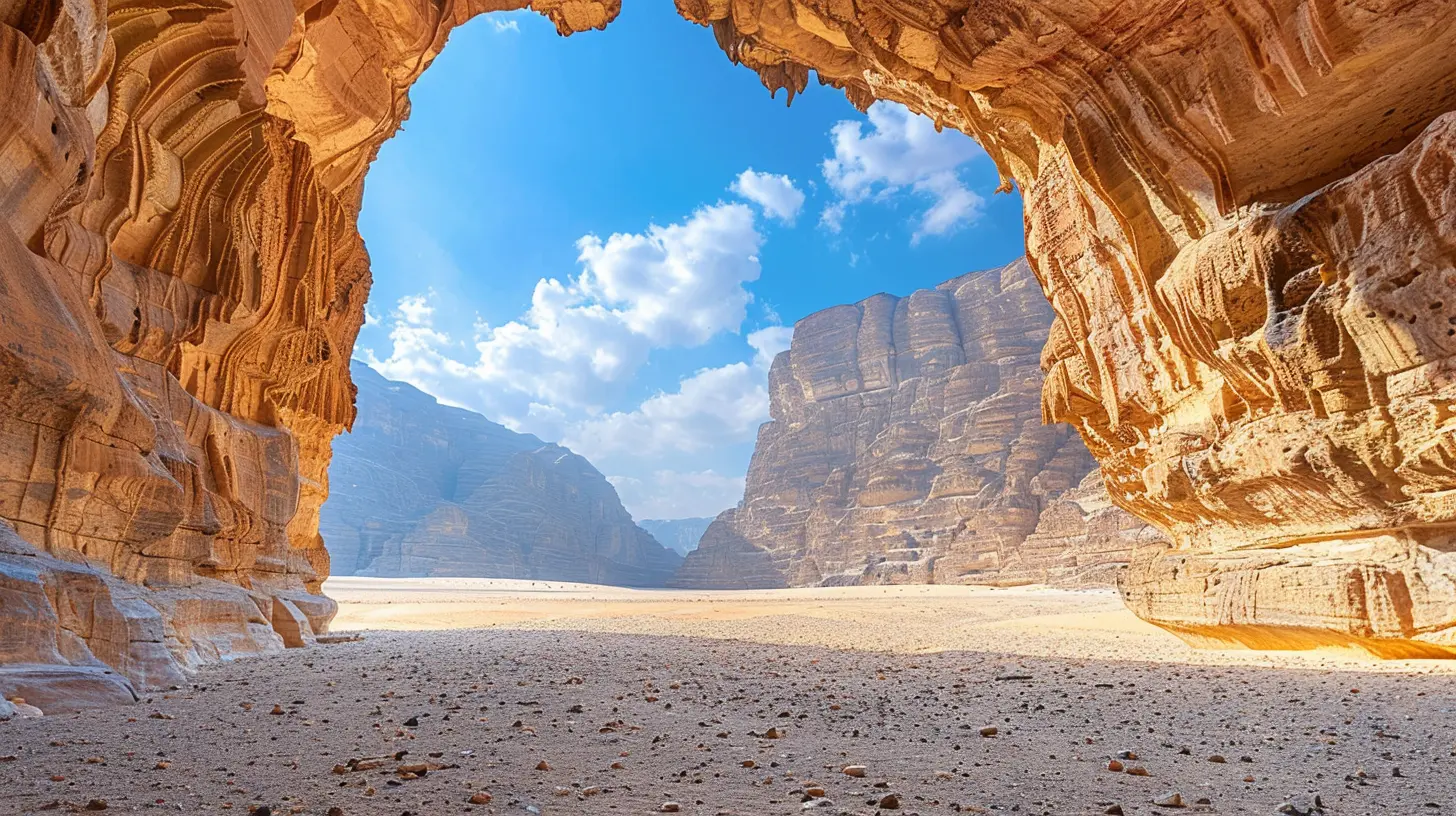
Nature’s Greatest Hits: Top Natural World Heritage Sites
1. Banff and Jasper National Parks, Canada – The Wild North’s Crown Jewels
Ever feel like escaping into a postcard? That’s Banff and Jasper for you. Nestled in the Canadian Rockies, these parks are a combo of rugged peaks, turquoise lakes, and endless pine forests.Why they’re special: Glaciers, grizzly bears, and glacial lakes so blue they look like they were filtered by Instagram. Plus, the Icefields Parkway that links them is arguably one of the most scenic drives on Earth.
_Travel Tip:_ Catch the sunrise over Moraine Lake. Trust us—it’ll ruin ordinary sunrises forever.
2. Galápagos Islands, Ecuador – Evolution’s Playground
This isn’t just a bunch of islands—it’s where evolution put on its most dramatic show. The Galápagos are like a living documentary, where animals couldn’t care less about you taking selfies with them.Why they’re special: Home to giant tortoises, marine iguanas, and blue-footed boobies, the Galápagos inspired Darwin himself to write about natural selection.
_Fun Fact:_ You can snorkel with sea lions and penguins. Yes, penguins. Near the equator.
3. Great Barrier Reef, Australia – The Underwater Wonderland
Think of the Great Barrier Reef as the Amazon Rainforest of the ocean—but in technicolor. Stretching over 2,300 kilometers, it’s the largest living structure on Earth. Yep, it’s even visible from space!Why it’s special: It’s a wildly diverse underwater universe, with 1,500 species of fish and 400 types of coral. But it’s also incredibly fragile and under serious threat from climate change.
_Ocean Fact:_ The reef isn’t just beautiful—it’s essential. It acts as a natural barrier against storms and supports marine life that hundreds of millions of people depend on.
4. Plitvice Lakes National Park, Croatia – The Cascading Paradise
Say hello to your new screensaver. Plitvice is a chain of 16 crystal-clear lakes connected by waterfalls that tumble down in stages like lace on a wedding dress.Why it’s special: The lakes actually change color depending on the mineral content and sunlight—from emerald, to turquoise, to ink-blue.
_Best Time to Visit:_ Spring or fall, when the crowds thin out and the foliage turns into flames of orange and red.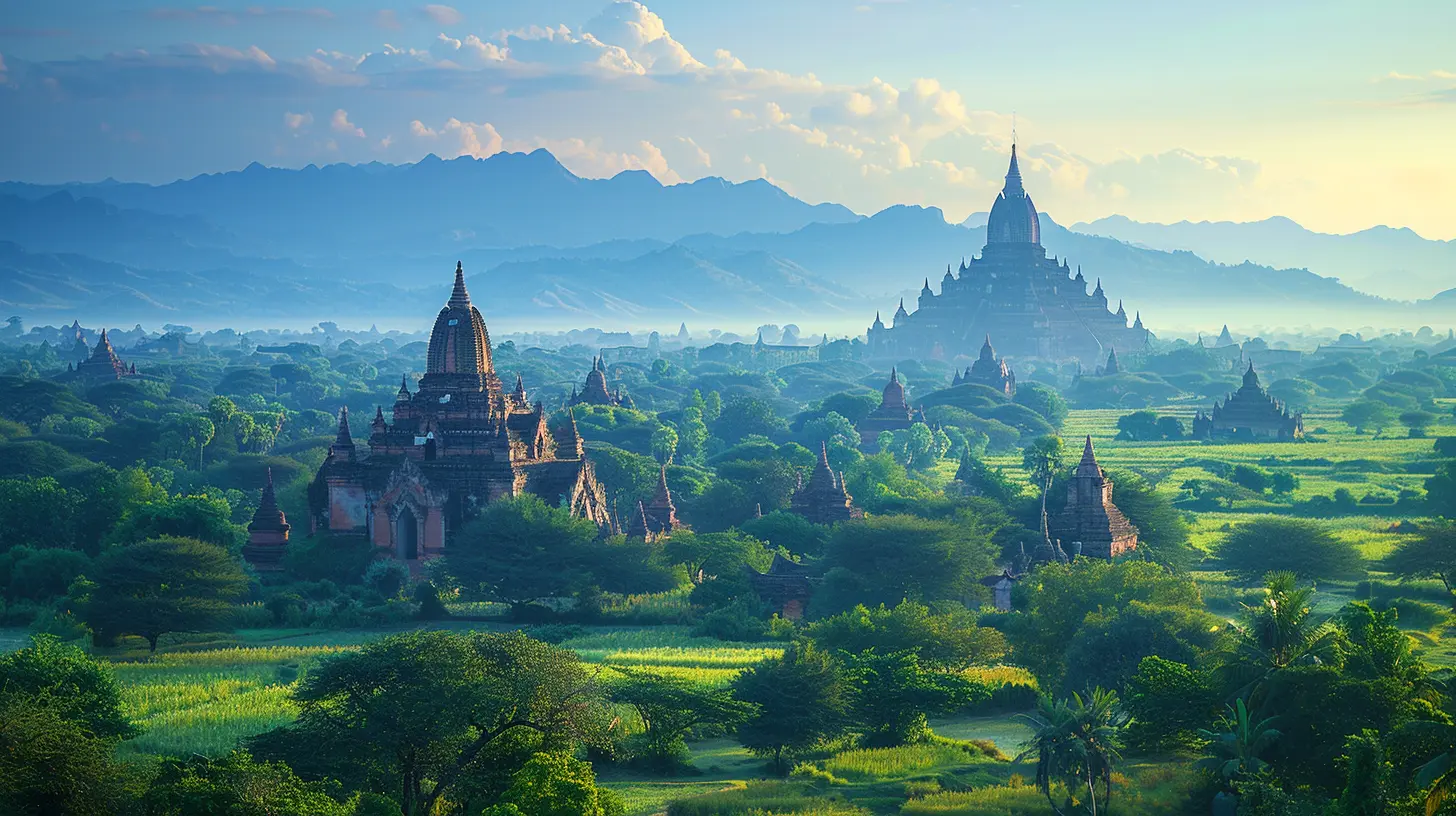
Why These Places Matter More Than Just Instagram Likes
Let’s be real—it’s so easy to scroll past stunning landscapes on social media and think “Oh, pretty!” But these places are more than just backdrops for travel influencers.1. They’re Biodiversity Hotspots
Many heritage sites are the last refuges for endangered species. Think snow leopards in the Himalayas or orangutans in Borneo. Without these protected areas, many species wouldn’t stand a chance.2. They Regulate Our Climate
Forests, reefs, and wetlands don’t just look good— they also soak up carbon, control weather patterns, and help prevent natural disasters. In simple terms? They help us breathe, eat, and live.3. They Preserve Cultural and Natural Harmony
In some places, like the rice terraces in the Philippines or the sacred mountains of Peru, nature and culture are intertwined. These sites tell stories about how humans have lived in harmony with nature for centuries.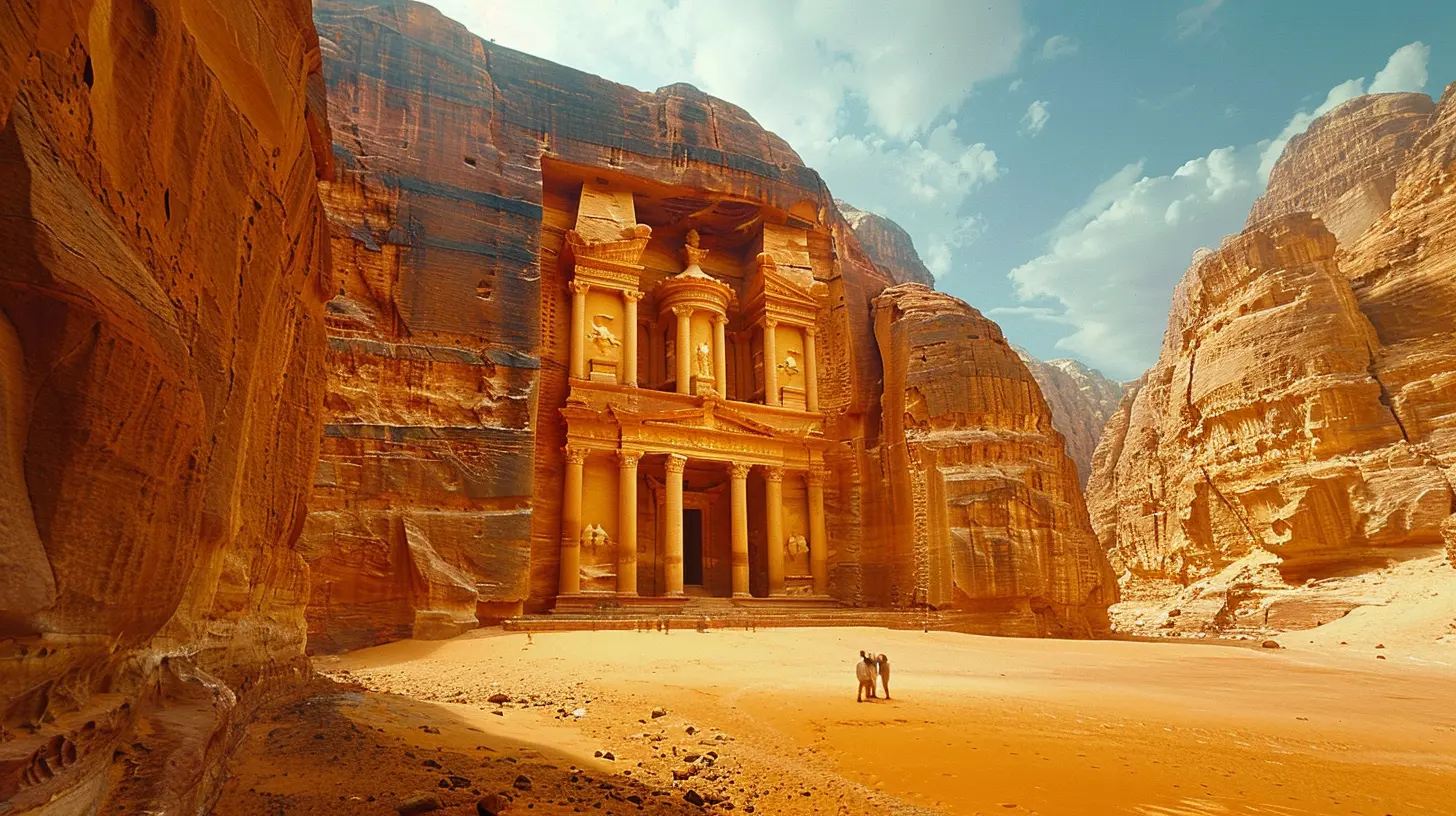
The Flip Side: Threats to These Natural Wonders
Unfortunately, being on the World Heritage list doesn’t make a site immune to danger. In fact, many sites are under severe threat.Climate Change
Rising temperatures and melting ice are wreaking havoc on glaciers, coral reefs, and even high-altitude forests. The Great Barrier Reef has experienced multiple mass bleaching events—it's like watching a masterpiece slowly fade.Tourism Pressure
Yep, we tourists sometimes love these places a bit too much. Overcrowding, pollution, and infrastructure development can ruin the very landscapes we travel to see.Deforestation and Poaching
In parts of Africa and Asia, illegal logging and poaching remain huge issues, putting unique ecosystems and rare animals directly in harm's way.How You Can Travel Responsibly and Still Soak in the Magic
Okay, so now you're inspired and ready to pack your bag, but wait—how do you visit these places without being that tourist?Go with Eco-Friendly Tour Operators
Pick travel companies that prioritize sustainability and work with local communities. They often give back a portion of their profits to conservation efforts.Follow the “Leave No Trace” Rule
Take only photos, leave only footprints. Stay on trails, pick up after yourself, and don’t take “souvenirs” like rocks or plants.Travel Off-Season
Cut down on crowds and environmental impact by visiting during shoulder seasons. Bonus: You get better deals and more authentic experiences.Hidden Gems: Lesser-Known Natural World Heritage Sites That Deserve Your Attention
We all know about the heavy hitters, but what about the ones still flying under the radar?1. Lake Baikal, Russia – The Deep Blue Anomaly
Deeper than the Grand Canyon and older than the Himalayas, Lake Baikal holds 20% of the world’s freshwater. It’s an ancient lake with an otherworldly vibe.2. Sundarbans, India/Bangladesh – The Mangrove Maze
Home to the elusive Bengal Tiger and some of the richest biodiversity on the planet, the Sundarbans is a tangled labyrinth of mangroves and waterways.3. Wulingyuan Scenic Area, China – The Real-Life Pandora
Massive quartz sandstone pillars rise through misty valleys. Sound familiar? James Cameron used it as visual inspiration for Avatar. Yep—it’s that dreamy.A Final Thought: These Places Are More Than Pretty Pictures
Look, it’s easy to be wowed by majestic mountains and surreal waters. But every World Heritage Site is also a reminder — a reminder of what the world once was, and still can be if we care enough.These places aren’t just nature’s masterpieces. They’re lifelines, libraries of biodiversity, and sacred sanctuaries. They’re the homes of creatures who’ve never known cities and the heartbeats of ecosystems older than our oldest stories.
So, the next time you find yourself staring at a photo of a glowing forest or a glittering lagoon, remember that these aren’t fantasy—they’re real. And they’re counting on us to stay that way.
all images in this post were generated using AI tools
Category:
World Heritage SitesAuthor:

Reed McFadden
Discussion
rate this article
2 comments
Ember McClain
This article beautifully captures the awe-inspiring charm of World Heritage Sites. Highlighting their majestic landscapes reminds us of the importance of preserving these natural wonders for future generations, encouraging responsible tourism and deeper appreciation for our planet's beauty.
February 14, 2026 at 5:38 AM
Reed McFadden
Thank you for your thoughtful comment! I'm glad the article resonates with you and emphasizes the importance of preserving these stunning landscapes for future generations.
Sawyer Pratt
World Heritage Sites showcase breathtaking landscapes, preserving nature's splendor and cultural significance for future generations.
January 9, 2026 at 5:58 PM
Reed McFadden
Thank you for highlighting the importance of World Heritage Sites! They truly are vital for preserving both our planet's beauty and cultural heritage for future generations.