The Untamed Beauty of Denali: A Journey to the Alaskan Wilderness
15 January 2026
Alaska—just the sound of it conjures up images of vast, untamed landscapes, rugged mountains, and wildlife-filled terrain. And if there’s one place that truly embodies the wild heart of America’s Last Frontier, it’s Denali. Home to North America’s tallest peak and one of the most dramatic landscapes on Earth, Denali National Park is a wonderland for adventurers, nature lovers, and anyone looking to experience raw, untouched wilderness.
A Land of Extremes
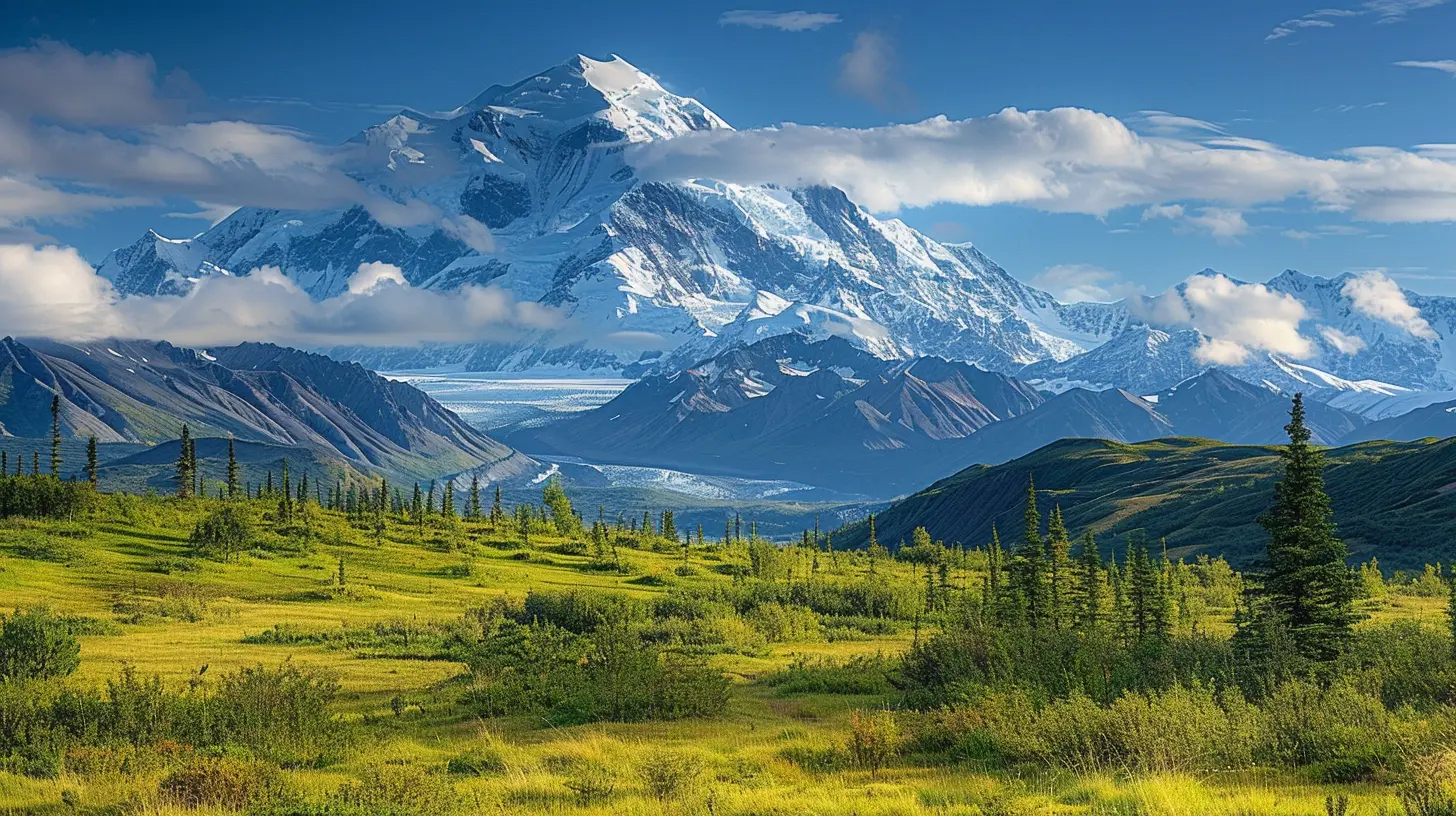
Denali, formerly known as Mount McKinley, towers at a staggering 20,310 feet. It dominates the skyline, dwarfing everything around it. But the park itself, spanning over six million acres, is just as breathtaking. Imagine an area larger than the state of New Hampshire, where grizzlies, caribou, and wolves roam freely, and where sweeping tundras stretch endlessly toward the horizon.What makes Denali special isn’t just its size—it’s the feeling you get when you stand in the middle of its vastness. Here, nature doesn’t adhere to human convenience. The weather changes without warning, the mountains seem to shift with the light, and the wilderness stretches so far that it feels almost otherworldly.
Getting to Denali
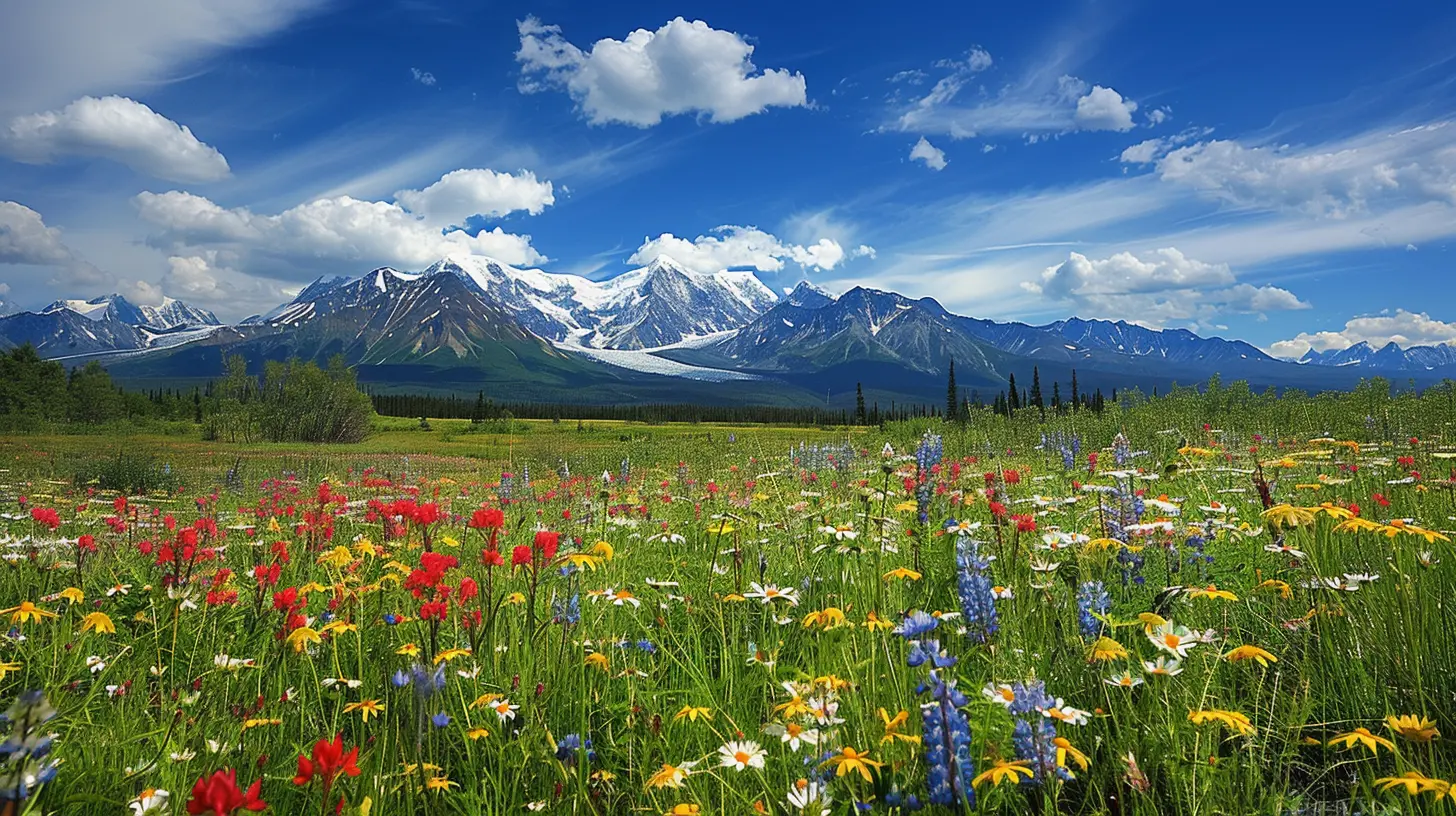
Reaching Denali isn’t as simple as hopping off a highway exit. The park sits about 240 miles north of Anchorage and 120 miles south of Fairbanks. Most visitors arrive by car, RV, or the historic Alaska Railroad, which offers a scenic and laid-back ride through the breathtaking landscapes of interior Alaska.If you’re coming by car, the Parks Highway (Alaska Route 3) offers a fairly straightforward drive, though you’ll want to be prepared for long stretches without services. Many choose to take the train for a more relaxed journey, complete with panoramic windows that showcase the state's rugged beauty.

The Magic of the Denali Park Road
Unlike most national parks, Denali has only one main road running through it—the Denali Park Road. This 92-mile-long stretch winds through mountains, valleys, and tundra, offering some of the most spectacular views in North America. But here’s the catch: private vehicles can only drive the first 15 miles. Beyond that, park buses take over, reducing traffic and preserving the park's pristine environment.The bus system may sound like a hassle, but trust me, it’s an experience in itself. With knowledgeable guides narrating the journey, you’re almost guaranteed to spot wildlife—moose casually grazing by the road, grizzlies meandering through the tundra, and Dall sheep clambering up steep cliffs. The deeper you go, the wilder it gets, with fewer signs of human presence and more jaw-dropping landscapes.
Wildlife Encounters You’ll Never Forget
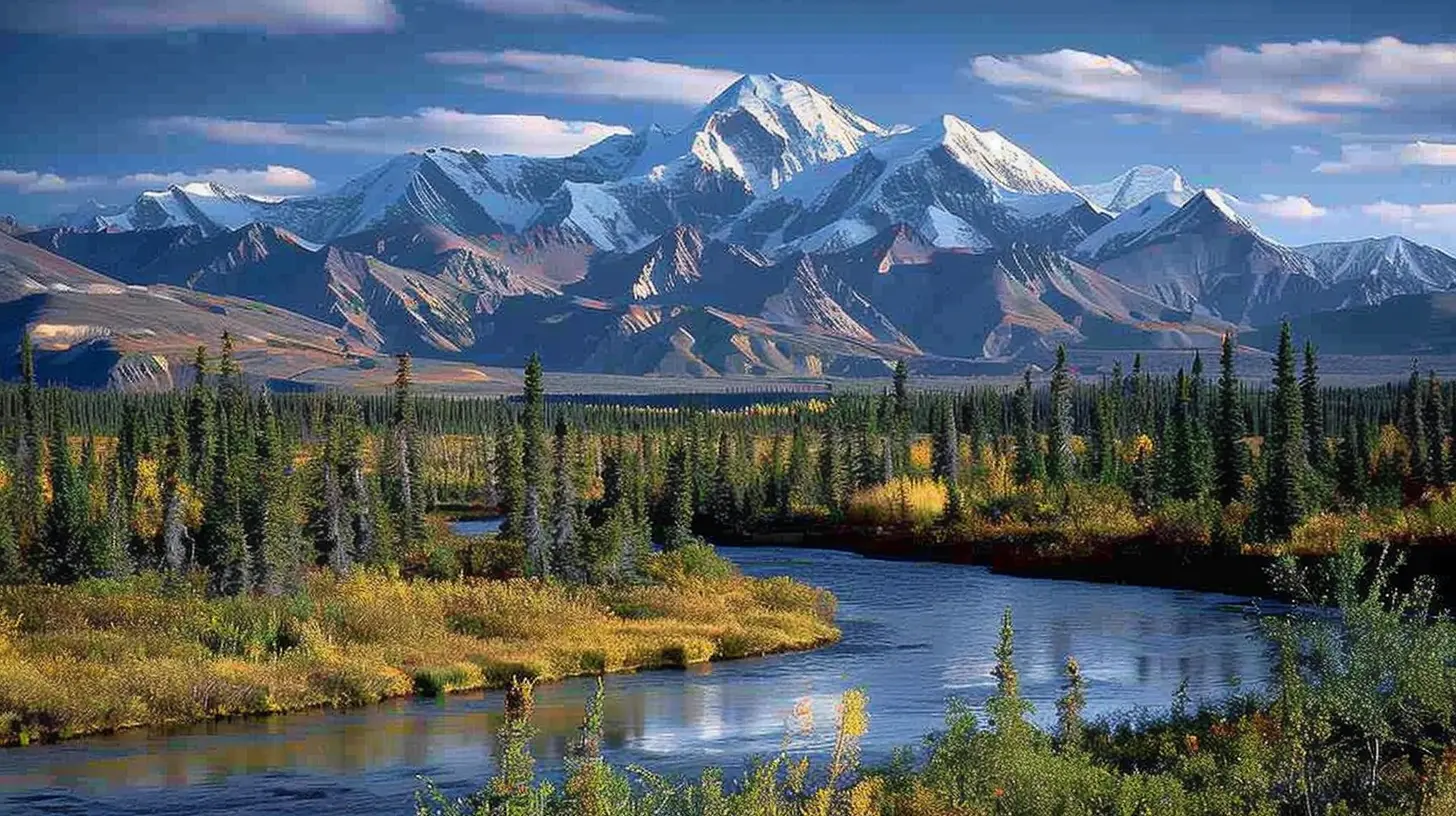
Denali is one of the best places to see Alaska’s famed "Big Five": grizzly bears, moose, caribou, Dall sheep, and wolves. Unlike some national parks where wildlife sightings are hit or miss, here, your chances of spotting these incredible creatures are incredibly high.Moose, the giants of the north, can often be seen near ponds and rivers, munching on vegetation. Grizzlies, while intimidating, are a frequent sight—especially during late summer when they’re fattening up for hibernation. Caribou roam in large herds, moving gracefully across the tundra, while the elusive wolves, though harder to spot, add a thrilling sense of mystery to the park’s ecosystem.
The Best Time to Visit Denali
Timing is everything when it comes to Denali. The park operates year-round, but most visitors come between May and September when temperatures are mild, wildlife is active, and the full range of park services is available.- Spring (May-June): The park starts waking up from winter. Snow still lingers, but the wildlife is emerging. Fewer crowds mean a more peaceful experience.
- Summer (July-August): The busiest season, but also the most accessible. This is prime time for wildlife viewing, hiking, and bus tours.
- Fall (September): Stunning fall colors blanket the tundra, and the crowds begin to thin. It’s also a great time for Northern Lights viewing.
- Winter (October-April): If you’re up for the challenge, winter in Denali is a surreal, snow-covered wonderland. Dog sledding, skiing, and the aurora borealis make for a magical experience.
Hiking in Denali: Where the Trails Don’t Exist
If you’re someone who likes a trail map and well-marked paths, Denali presents a challenge—because, for the most part, trails don’t exist. The park prides itself on keeping the landscape as untouched as possible, encouraging visitors to explore off-trail hiking.That means you choose your own path. Want to climb a hillside? Go for it. Feel like trekking across a riverbed? No one’s stopping you. It’s a liberating experience, but it also requires preparation. This is true wilderness—you’ll need to navigate terrain without signs and be bear-aware at all times.
For those who prefer a bit of guidance, there are a few maintained trails near the park entrance, such as:
- Horseshoe Lake Trail: A relatively easy 2-mile hike with beautiful views.
- Savage River Loop: A 2-mile scenic trek through a stunning river canyon.
- Mount Healy Overlook Trail: A more strenuous 4.5-mile hike that rewards you with sweeping vistas.
Denali’s Midnight Sun and Northern Lights
Another thing that makes Denali unique? The light. If you visit in summer, you’ll experience nearly 24 hours of daylight. The midnight sun bathes the landscape in a golden glow, making it feel like the days stretch on forever.On the flip side, if you come in late fall or winter, you might get lucky enough to witness the Northern Lights. Away from the city lights, Denali’s dark skies provide the perfect backdrop for nature’s most mesmerizing show. Imagine the sky dancing in shades of green, purple, and blue—it’s a sight you’ll never forget.
Staying in Denali: Camping vs. Lodging
Denali offers a mix of accommodations, from rugged campsites to cozy lodges.- Camping: For the true wilderness experience, camping in Denali is the way to go. Riley Creek, Savage River, and Wonder Lake campgrounds offer different levels of remoteness, with Wonder Lake providing some of the most stunning views of the mountain.
- Lodging: If you prefer a bit more comfort, the Denali Princess Wilderness Lodge and other nearby resorts offer great amenities while keeping you close to nature.
No matter where you stay, one thing’s for sure—you’ll wake up to some of the most stunning scenery on Earth.
Why Denali Should Be on Your Bucket List
Denali isn’t just a national park—it’s a testament to the raw, unfiltered power of nature. It’s a place where the modern world fades away, replaced by towering peaks, open tundra, and wildlife that moves to the rhythm of the land.It challenges you to step outside your comfort zone, to embrace the wild, and to appreciate the beauty of true wilderness. Whether you’re standing in the shadow of Denali itself, hiking across untamed terrain, or watching a grizzly amble through the brush, one thing is certain—this is an experience that leaves a mark on your soul.
If you’re craving an adventure that takes you beyond the ordinary, pack your bags, head north, and see for yourself why Denali is one of the most awe-inspiring places on the planet.
all images in this post were generated using AI tools
Category:
National ParksAuthor:

Reed McFadden
Discussion
rate this article
2 comments
Sarina McKinstry
What a fantastic article! Denali’s breathtaking landscapes and wild spirit truly inspire wanderlust. Can’t wait to experience this incredible adventure for myself!
February 19, 2026 at 5:40 AM
Reed McFadden
Thank you! I'm thrilled to hear you're inspired by Denali's beauty. Enjoy your adventure!
Juniper McNeal
This article beautifully captures Denali's raw allure, but it could delve deeper into the ecological significance of the region and the importance of sustainable tourism in preserving its pristine landscapes.
January 18, 2026 at 5:01 AM
Reed McFadden
Thank you for your insightful feedback! I appreciate your suggestion and will consider exploring the ecological significance and sustainable tourism aspects in future pieces.