How to Respect Elders in Various Cultures Around the World
19 June 2026
Respecting elders is a fundamental value that transcends cultural boundaries. Different societies have unique ways of showing reverence to their seniors, reflecting their traditions, beliefs, and social norms. Whether it's bowing in Japan, addressing elders with specific titles in Africa, or offering seats to them in Western countries, these gestures demonstrate the deep-rooted significance of respecting older generations.
In this article, we'll take a journey across the globe to understand how different cultures express their respect for elders. If you love traveling or simply want to be more culturally aware, knowing these customs can help you engage respectfully with people from different backgrounds. 
Why Respecting Elders is Important
Respecting elders isn't just about being polite—it carries deeper meanings. In many societies, older people are seen as the keepers of wisdom, guiding younger generations with their experiences. They have lived through decades of change, struggles, and victories, making them valuable sources of knowledge and tradition.Giving elders the respect they deserve fosters stronger family bonds and community ties. It also ensures that traditions and values are passed down, preserving the cultural heritage of a society.
Now, let’s dive into the customs and traditions of respecting elders across different cultures worldwide. 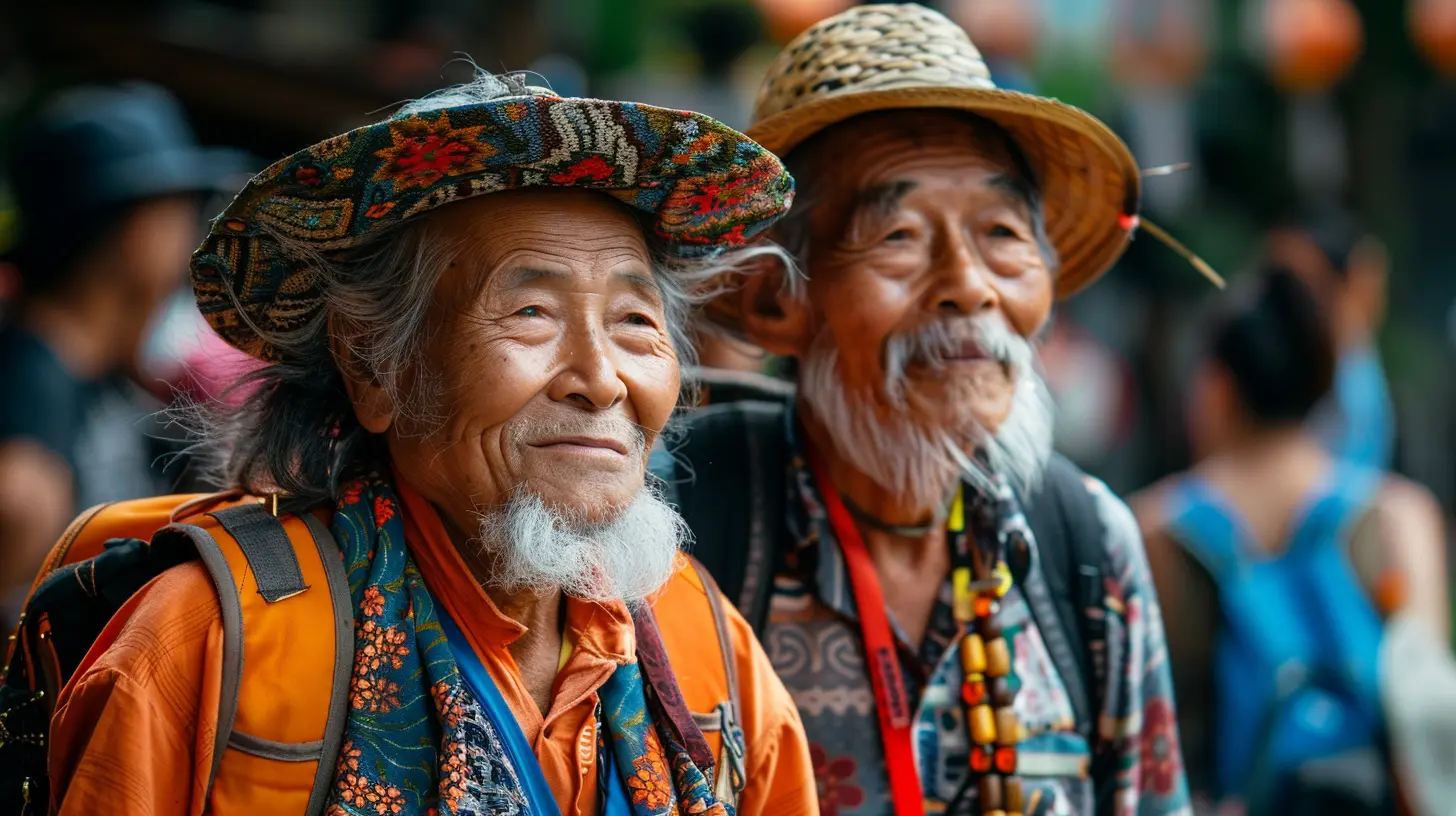
Respecting Elders in Asian Cultures
1. Japan: A Deep Bow and Politeness
In Japan, showing respect to elders is deeply ingrained in the culture. The most common way to express this respect is through bowing. The depth and duration of the bow reflect the level of respect being shown—the deeper and longer the bow, the greater the reverence.Additionally, the Japanese language itself has honorifics (such as "-san" and "-sensei") that must be used when addressing elders or people in higher positions. It’s also customary to allow elders to speak first, sit first, and enter a room before younger individuals.
2. China: Filial Piety and Traditional Customs
In Chinese culture, the concept of filial piety (孝, xiào) plays a crucial role in how younger generations treat their elders. This Confucian principle emphasizes obedience, care, and deep respect for parents and grandparents.Children are expected to support their elderly parents financially and emotionally. During Chinese New Year, it is customary for younger people to offer respectful greetings and even kneel as a sign of gratitude and reverence.
3. India: Touching Feet and Respectful Speech
In many parts of India, a traditional greeting known as "pranam" is practiced, where younger individuals touch the feet of elders as a mark of deep respect. This act symbolizes humility and acknowledgment of the elder's wisdom.Additionally, elders are often addressed with honorifics like “ji” (e.g., "Dadaji" for grandfather). It’s also common to stand up when an elder enters the room or offers advice. 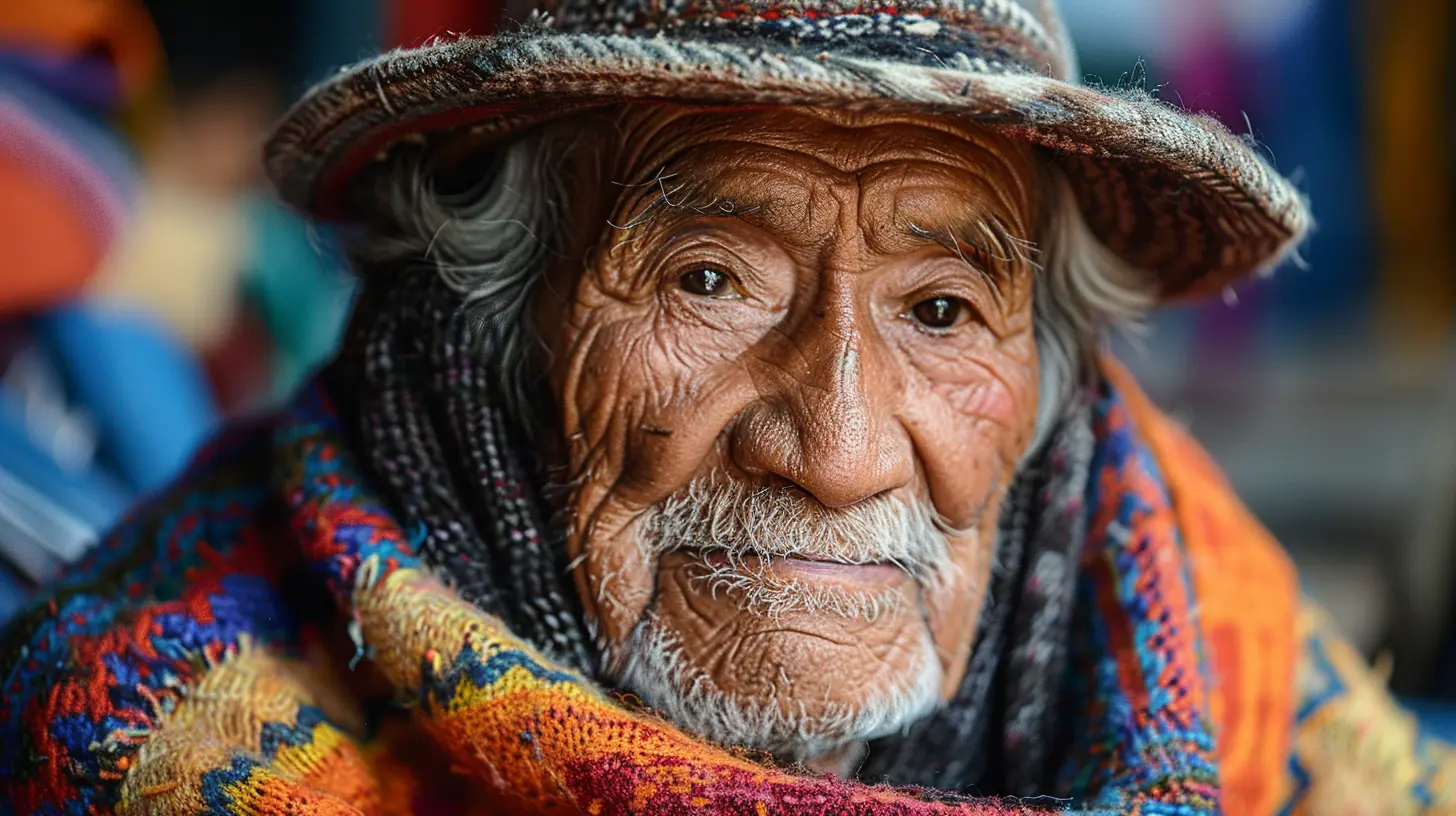
Respecting Elders in African Cultures
1. Using Honorifics and Titles
In many African cultures, addressing elders without using proper titles is seen as rude. Terms such as "Baba" (father), "Mama" (mother), "Gogo" (grandmother), and "Tata" (elder/uncle) are commonly used to show respect.Speaking softly, lowering one’s gaze slightly when addressing elders, and avoiding interrupting them is also expected in many African communities.
2. Kneeling and Prostrating in Yoruba Culture (Nigeria)
In the Yoruba culture of Nigeria, younger individuals demonstrate deep respect to elders through physical gestures. Men typically perform a "prostration" (lying flat on the ground), while women kneel when greeting their elders. This is a sign of humility and appreciation.Offering elders the first share of food at gatherings and waiting for them to speak before younger people engage in conversations are also important customs.
3. Taking Care of the Aged
In many African societies, taking care of elders is a communal responsibility. Unlike in some Western cultures where elderly individuals may live in retirement homes, African traditions emphasize multi-generational homes, where grandparents live with their children and grandchildren.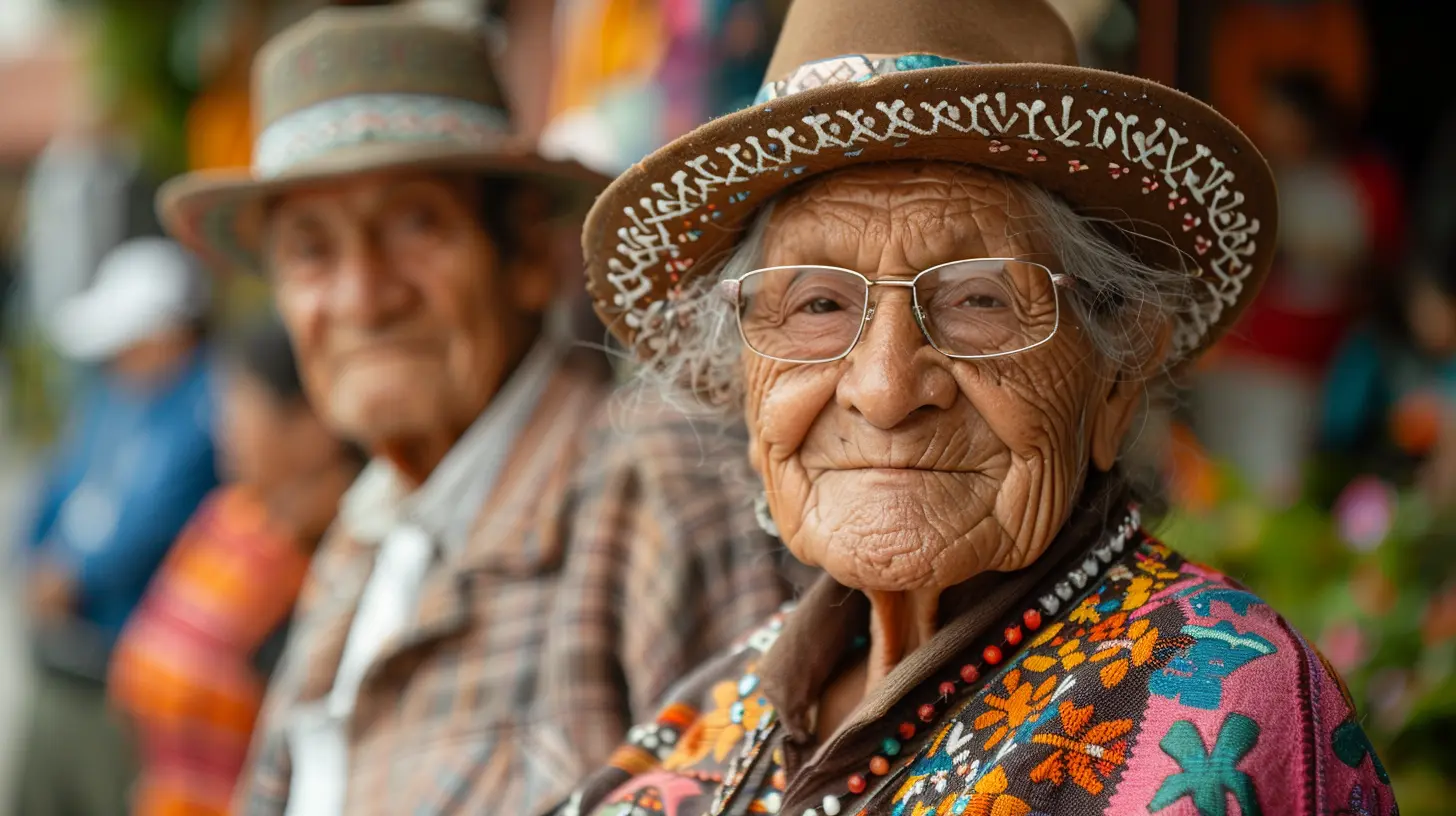
Respecting Elders in European Cultures
1. Giving Up Seats and Opening Doors
In many European countries, a sign of respect for elders is simply offering them a seat in public transportation. Whether it's on a bus or train, many people instinctively stand up to allow an elderly person to sit.Similarly, opening doors for elders and helping them carry heavy bags are small but meaningful gestures of respect.
2. Addressing with Formal Titles
In countries like Germany and France, elders are usually addressed formally using titles such as "Herr" (Mr.) or "Madame" (Mrs.) followed by their last name. It’s considered disrespectful to address elders by their first names unless they permit it.In Italy and Spain, showing affection through kisses on the cheeks and warm greetings is a common way of expressing respect and care for the elderly.
Respecting Elders in Middle Eastern Cultures
1. Standing Up When They Enter the Room
In many Middle Eastern cultures, when an elder enters a room, everyone stands up as a sign of respect. This simple yet powerful gesture acknowledges their presence and importance.2. Kissing the Hand and Forehead
A widely practiced custom in countries like Saudi Arabia, Egypt, and Turkey is kissing the hand or forehead of elders. This gesture is a way of showing deep honor and gratitude.3. Prioritizing Elders in Conversations
In Middle Eastern families, elders are given the first opportunity to speak. Interrupting an elder while they talk is considered extremely disrespectful. In formal gatherings, younger people remain quiet until spoken to.Respecting Elders in North and South American Cultures
1. Including Elders in Conversations
In many North and South American cultures, respecting elders means actively including them in conversations. Asking for their opinions and showing appreciation for their life experiences is valued.2. Helping with Daily Tasks
In both the U.S. and Latin American countries, younger people often assist elders with daily tasks such as grocery shopping, yard work, or errands. This is a way of showing love and appreciation.3. Celebrating Grandparents’ Day
Countries like the United States, Mexico, and Brazil have designated special days to honor grandparents. During these celebrations, families gather to express gratitude, share meals, and offer gifts to their elders.Universal Ways to Show Respect to Elders
Regardless of where you are in the world, there are universal ways to show respect to elders:✅ Listen to Their Stories – They have a wealth of knowledge and experiences to share.
✅ Be Patient and Kind – Aging comes with challenges; a little kindness goes a long way.
✅ Offer Help – Whether it’s carrying groceries or assisting them with technology, small acts matter.
✅ Use Polite Language – Words hold power; speaking respectfully costs nothing.
Respect for elders is a beautiful tradition that connects humanity across cultures. By understanding and practicing these customs, we not only honor the past but also set an example for future generations.
Final Thoughts
Whether you’re traveling to a new country, visiting an international friend’s family, or simply wanting to be more culturally aware, respecting elders is a universal practice that speaks volumes about one’s character.Respect transcends language barriers. No matter where you are in the world, a smile, a kind gesture, or a polite word can communicate gratitude and appreciation for the older generation. After all, isn’t it our elders who have paved the way for us?
all images in this post were generated using AI tools
Category:
Cultural EtiquetteAuthor:

Reed McFadden
Discussion
rate this article
1 comments
Deborah Whitaker
Respecting elders fosters understanding and connection, enriching travel experiences across diverse cultures worldwide.
August 16, 2026 at 2:25 AM
Reed McFadden
Absolutely, respecting elders can really deepen our connections and enhance our experiences while traveling. It's a valuable approach that enriches our understanding of different cultures.