How to Dress Appropriately in Conservative Cultures
3 July 2026
Traveling to a new country is always exciting, but one thing many people overlook is how to dress appropriately. In some parts of the world, especially in conservative cultures, what you wear matters a lot more than you think.
Dressing appropriately shows respect for the local customs, helps you blend in, and can even keep you out of trouble. The last thing you want is unwanted attention—or worse, being denied entry to a landmark simply because of your outfit.
So, how do you make sure you’re dressed appropriately while still feeling comfortable and stylish? Let’s break it down!
1. Why Does Dressing Appropriately Matter?
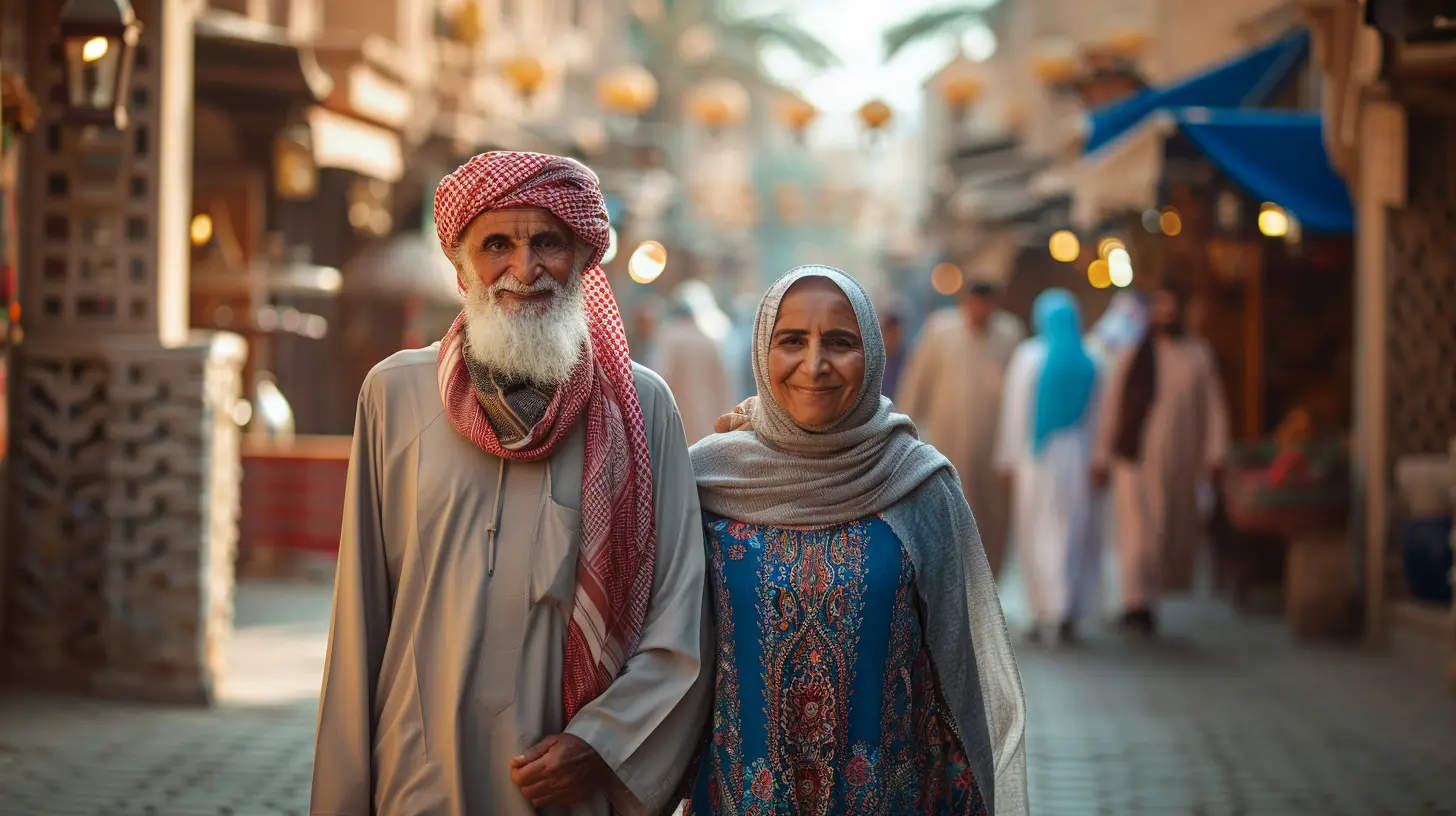
You might be thinking, "It’s just clothing, why should it matter?" Well, in many cultures, clothing is tied to tradition, religion, and social norms. Ignoring these can make you stick out like a sore thumb—or even offend the locals.Respecting dress codes isn’t just about following rules; it’s about showing appreciation for the culture you’re visiting. It also helps you avoid awkward situations, such as being asked to cover up before entering certain places like temples, mosques, or conservative neighborhoods.
Key Reasons to Dress Modestly:
- Respect for Local Culture – Some communities have deep-rooted traditions regarding attire, and following them shows that you’re mindful of their values.- Avoiding Unwanted Attention – Dressing too revealingly can sometimes attract the wrong kind of attention, especially in societies where modesty is highly valued.
- Access to Temples and Religious Sites – In many countries, entry to religious sites may be denied if you're not dressed appropriately.
2. Understanding the Local Dress Code
Before packing your bags, do some research. A quick online search about the destination’s dress norms will help you get a rough idea of what’s acceptable.Things to Consider:
- Religious Influence – In countries with strong religious traditions (like the Middle East, India, or Southeast Asia), modest dressing is often expected.- Weather Conditions – Sometimes, covering up isn’t just a cultural expectation, but also a way to protect yourself from the sun, dust, or mosquitoes.
- Urban vs. Rural Areas – Cities might be more lenient about dress codes, but rural areas often stick to traditional norms.
A safe rule of thumb? If locals aren’t wearing it, you probably shouldn’t either.
3. General Clothing Guidelines for Conservative Cultures
Different cultures have different expectations, but here are some universal guidelines to help you dress respectfully:For Women:
- Cover Shoulders and Knees – Tank tops and short skirts may not be suitable in conservative regions. Opt for loose-fitting dresses or long skirts.- Avoid Tight and Revealing Clothing – A tight outfit may not be appropriate in certain areas. Flowing fabrics work best.
- Use a Scarf or Shawl – A lightweight scarf can save the day! You can drape it over your shoulders, cover your head when needed, or even use it as sun protection.
- Wear Comfortable Closed-Toe Shoes – Some religious places require covered shoes, so it’s good to keep one pair handy.
For Men:
- Stick to Long Pants – Shorts might be acceptable in touristy places, but in traditional areas, long trousers are a safer bet.- Avoid Sleeveless Shirts – Even if it’s hot, tank tops aren’t always appropriate in religious or formal settings.
- Button-Down Shirts Work Well – These are stylish, respectful, and suitable for various occasions.
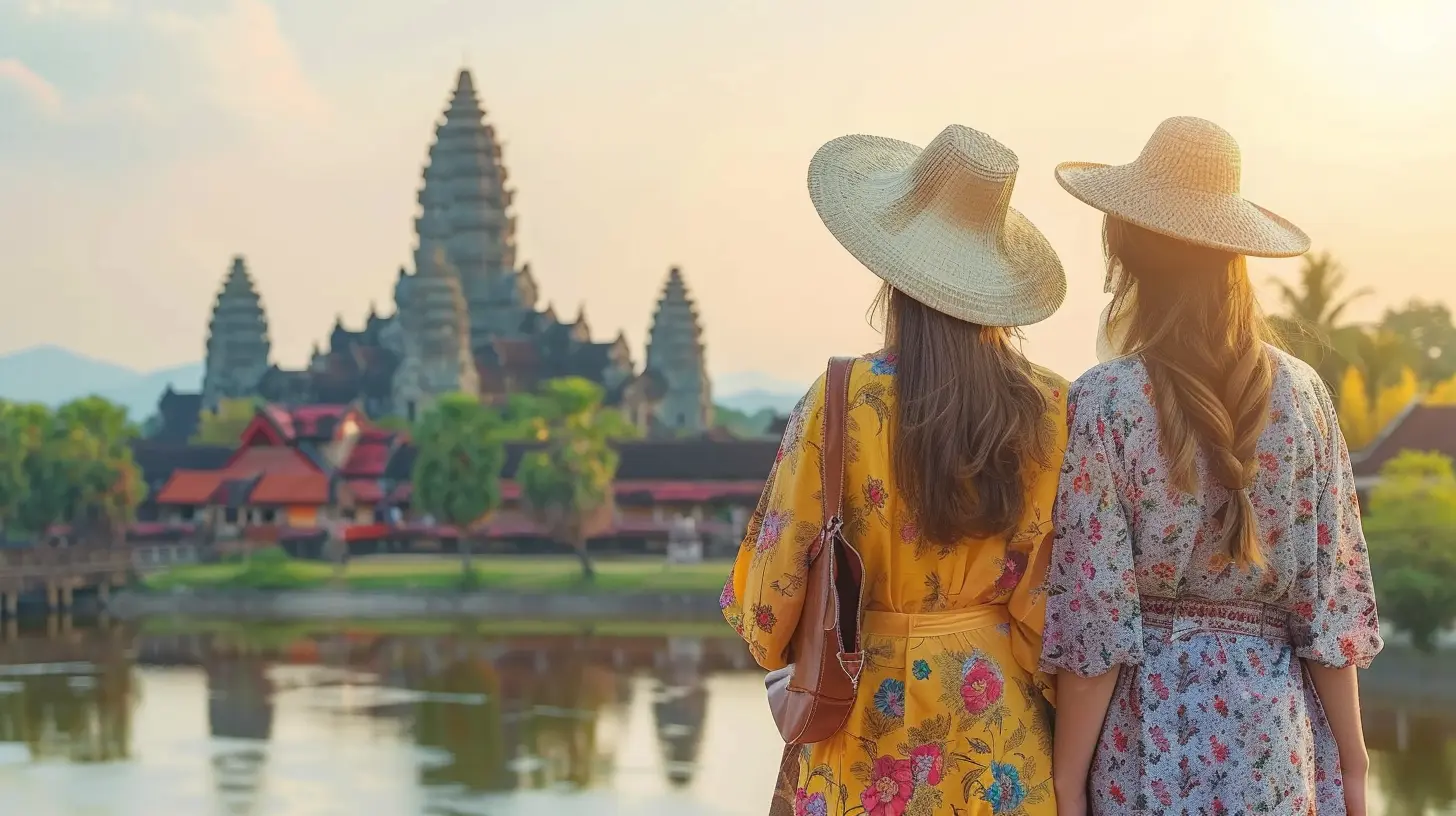
4. Country-Specific Dressing Tips
Middle East
- Women should wear loose clothing that covers arms and legs. A headscarf may be required in some places.- Men should wear long pants and avoid sleeveless tops.
India
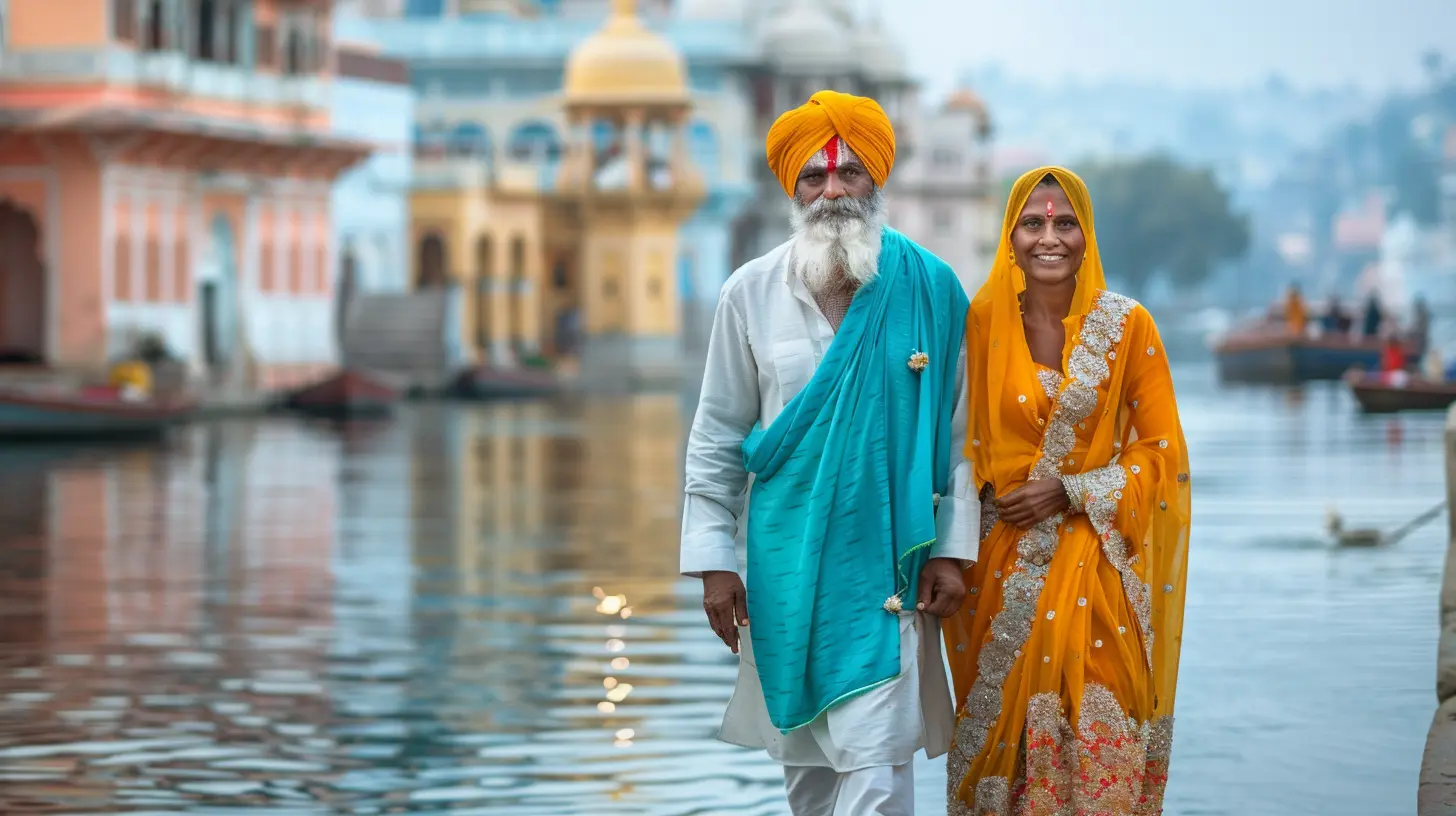
- Women often wear sarees or salwar kameez, but for travelers, long skirts or loose pants paired with a tunic work well. Avoid low-cut tops.- Men can wear trousers and shirts, and shorts are not recommended in religious places.
Southeast Asia (Thailand, Indonesia, Malaysia)
- Modesty is expected in temples—both men and women should wear clothing that covers the knees and shoulders.- In Muslim-majority areas like Malaysia and Indonesia, loose outfits are preferred.
Africa
- In North African countries such as Morocco and Egypt, conservative dressing is encouraged. Women often wear long skirts, and men generally avoid shorts.- Sub-Saharan Africa varies, but in some rural areas, traditional dressing customs still play a role.
5. The Role of a Headscarf
For women traveling in conservative cultures, a headscarf can be a lifesaver. No, you don’t have to wear one all the time, but carrying one in your bag gives you flexibility.Why? Because some religious sites require women to cover their hair. Instead of scrambling for something last minute, it’s best to have your own scarf handy. Plus, it can double as a stylish accessory or sun protector!
6. What About Swimwear?
This is where things get tricky. While bikinis are common in Western countries, they may not always be acceptable in conservative destinations.- At public beaches, a one-piece swimsuit or a modest bikini is a good choice.
- At hotel pools or private resorts, regular swimwear is usually fine.
- In ultra-conservative areas, some women choose to wear a rash guard or even a burkini.
7. Dressing Smart While Staying Stylish
Many travelers worry that dressing modestly means sacrificing style, but that’s not true! You can still look fashionable while respecting cultural norms.Tips for Stylish Yet Modest Dressing:
- Go for Loose, Airy Fabrics – Linen, cotton, and chiffon are great for staying cool and comfortable.- Choose Neutral or Earthy Tones – Some cultures prefer muted colors over bright, flashy ones.
- Accessorize Wisely – A belt, scarf, or statement jewelry can add flair to any modest outfit.
8. Packing List for Conservative Countries
Here’s a quick checklist to make sure you’re prepared for any situation:✔ Loose-fitting long pants or maxi skirts
✔ Long-sleeve tops or tunics
✔ Lightweight scarf or shawl
✔ Closed-toe shoes or sandals
✔ Modest swimwear (if applicable)
✔ A sun hat (for extra protection)
9. Final Thoughts
Dressing appropriately in conservative cultures isn’t about restricting your style—it’s about adapting and showing respect. When in doubt, always err on the side of modesty.By planning ahead, you’ll not only avoid uncomfortable situations but also gain a deeper appreciation for the culture you’re visiting. And trust me—when locals see that effort, they appreciate it more than you’d think.
So before you pack, ask yourself: “Would this outfit make me stand out in a way that might be inappropriate?” If the answer is yes, it’s probably best to choose something else.
Happy travels, and stay culturally aware!
all images in this post were generated using AI tools
Category:
Cultural EtiquetteAuthor:

Reed McFadden
Discussion
rate this article
1 comments
Grace McGowan
This article provides essential tips for dressing respectfully in conservative cultures, ensuring a positive travel experience and local acceptance.
August 14, 2026 at 4:16 PM
Reed McFadden
Thank you! I'm glad you found the tips helpful for a respectful travel experience.