How Sustainable Tourism is Preserving the World’s Most Fragile Destinations
4 April 2026
There’s something magical about traveling—the sheer thrill of wandering through ancient forests, the salty kiss of an ocean breeze, the spellbinding silence of the desert beneath a star-studded sky. But as the world craves adventure, our most fragile destinations bear the brunt of over-tourism, pollution, and recklessness.
Yet, all is not lost. A new wave of conscious exploration is reshaping the way we experience the world. Sustainable tourism isn’t just a buzzword—it's a movement, a promise to cherish our planet while still filling our souls with breathtaking journeys.
So, how exactly is sustainable tourism preserving these delicate corners of the world? Let’s dive in.

The Beauty and Fragility of Our Planet
Think of Earth as a masterpiece, painted with lush rainforests, pristine glaciers, and golden savannahs. Each stroke of nature’s brush is unique, irreplaceable, and deeply interconnected. But with the heavy footprints of unchecked tourism, these masterpieces risk being smeared, or worse—erased.- Coral reefs, nature’s underwater cathedrals, are fading under the weight of sunscreen chemicals and careless divers.
- Ancient cities crumble as millions tread their timeworn streets.
- Wildlife retreats deeper into the shadows, fleeing the noise and disruption of human presence.
Sustainable tourism steps in like a gentle guardian, ensuring that the world’s most fragile destinations remain standing for generations to come.

What is Sustainable Tourism, Really?
Sustainable tourism isn’t about stopping travel altogether—it’s about traveling better. It’s a pledge to protect cultural heritage, uplift local communities, and minimize environmental impact.At its heart, it means making mindful choices:
- Staying at eco-friendly accommodations that respect nature.
- Supporting local artisans instead of mass-produced souvenirs.
- Choosing ethical wildlife encounters over exploitative tourist traps.
It’s not just about where we go—it’s about how we go.
Saving Natural Wonders from Overtourism
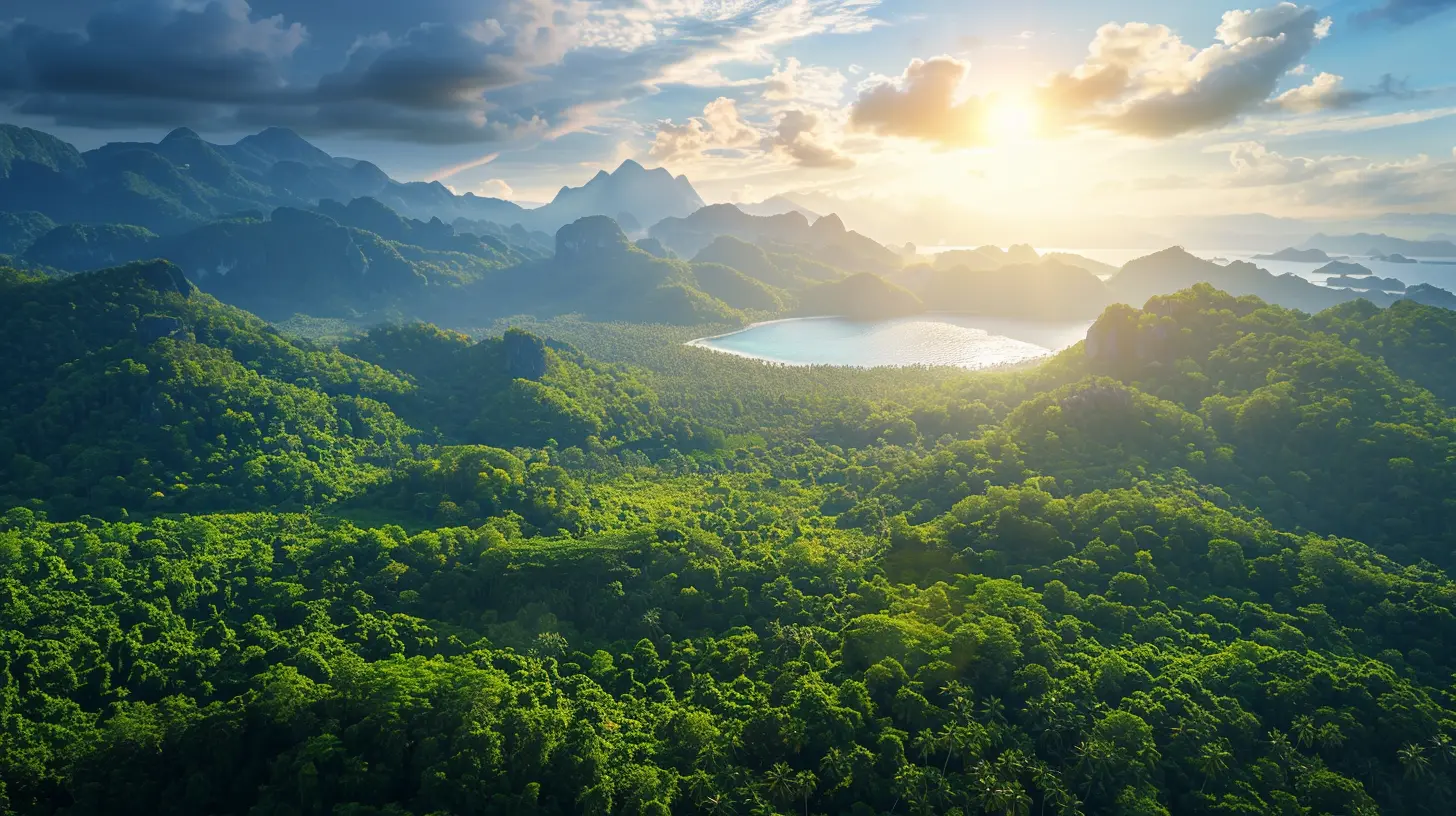
Some destinations are simply too beautiful for their own good. Places like Bali’s pristine beaches, Iceland’s mesmerizing landscapes, and Machu Picchu’s ancient ruins are magnets for travelers from every corner of the world. But too much love can be suffocating.The Threat of Overtourism
When millions flock to a single location, the results can be catastrophic:- Erosion and habitat destruction – Trails wear down, plants are trampled, and delicate ecosystems are forever changed.
- Waste overload – Picture-perfect beaches littered with plastic, mountain trails lined with forgotten wrappers.
- Cultural dilution – When tourism overshadows tradition, local customs get commercialized and authenticity fades.
How Sustainable Tourism Helps
Destinations worldwide are waking up to the dangers of overtourism, and sustainable practices are offering a lifeline. Governments and communities are:- Capping visitor numbers – Places like Bhutan have adopted a high-value, low-impact approach, charging a fee to limit footfall while ensuring quality tourism.
- Designing eco-friendly infrastructure – Walking trails, regulated access points, and green transportation lighten tourism’s footprint.
- Encouraging off-season travel – Spreading out visitors through time reduces strain on delicate ecosystems.
By making conscious choices, we ensure that these natural wonders remain untouched and awe-inspiring for future travelers.

Eco-Friendly Adventures: The Rise of Green Travel
Traveling sustainably doesn’t mean sacrificing adventure—it means enhancing it. Imagine trekking through misty mountains knowing each step preserves the land or kayaking through crystal-clear waters without leaving a trace.Sustainable Lodging: Where You Rest Matters
The hotels we choose have a huge impact on the environment. Thankfully, the rise of eco-lodges, treehouses, and sustainable resorts is redefining luxury. Instead of massive, wasteful hotels, travelers can now opt for:- Solar-powered lodges nestled in nature.
- Rainwater-harvesting bungalows reducing water waste.
- Locally-run guesthouses that keep money within the community.
These accommodations don’t just offer a roof over your head—they offer an experience that aligns with nature.
Slow Travel: Savoring the Journey
In a world obsessed with bucket lists, we often race from one attraction to the next, barely soaking in the moment. Enter slow travel—a philosophy that urges us to linger, to immerse, to connect.- Instead of hopping on a short-haul flight, take a scenic train ride.
- Swap busy tourist hotspots for quieter, undiscovered gems.
- Spend more time in fewer places, truly embracing their essence.
Slow travel isn’t just good for the planet—it’s soul-nourishing, turning every trip into a meaningful experience rather than just another checkmark.
Wildlife Conservation: Travel with a Conscience
From swimming with dolphins to riding elephants, wildlife tourism has long been a major attraction. But behind the scenes, these experiences often come at a cruel cost.The Dark Side of Wildlife Tourism
- Many "sanctuaries" are just commercial businesses where animals are torn from the wild, drugged, and exploited.- Elephant rides? Those gentle giants endure physical and emotional abuse in brutal training camps.
- Selfie-friendly tigers? They’re often sedated and declawed for tourists.
Choosing Ethical Wildlife Encounters
But there’s hope. Ethical wildlife tourism is on the rise, advocating for real conservation rather than exploitation. Instead of paying for animal performances, sustainable travelers:- Visit legitimate wildlife sanctuaries that rehabilitate and protect animals.
- Support safari experiences that fund conservation efforts.
- Choose snorkeling and diving tours that promote reef-safe practices.
A good rule of thumb? If an animal wouldn’t naturally do it in the wild, you shouldn’t be paying to see it.
Cultural Preservation: Keeping Traditions Alive
Sustainable tourism isn’t just about nature—it’s about people, too. Every destination has its own stories, traditions, and way of life, and responsible travel ensures they aren’t lost to mass commercialization.The Impact of Irresponsible Tourism
When tourism isn’t managed well, it can lead to:- Displacement of locals in favor of big hotel chains.
- Cultural performances staged just for tourists, watering down authenticity.
- Loss of traditional crafts as mass-manufactured souvenirs take over.
How to Be a Culturally Responsible Traveler
- Buy locally handcrafted products instead of factory-made trinkets.- Participate in traditional experiences led by local guides.
- Respect cultural norms—dress modestly, greet politely, and always ask before taking photos.
By traveling with respect, we ensure that the beauty of a culture doesn’t just survive—it thrives.
The Future of Travel: A Call to Action
Our planet’s most fragile destinations don’t need saving—they need protecting. And the power to do that lies in our hands, in the way we choose to travel.Sustainable tourism isn’t about giving up adventure but embracing it in a way that gives back instead of takes away. It’s about walking lighter, leaving nothing but footprints, and ensuring that the wonders of today remain wonders tomorrow.
So, the next time you pack your bags, ask yourself—how can I make this journey one that heals rather than harms? Because the world is too beautiful to be loved carelessly.
all images in this post were generated using AI tools
Category:
Sustainable TourismAuthor:

Reed McFadden
Discussion
rate this article
2 comments
Ember Lane
Sustainable tourism is essential for protecting fragile destinations while promoting responsible travel and conservation.
April 18, 2026 at 3:43 AM
Reed McFadden
Absolutely, sustainable tourism is key. It not only safeguards vulnerable areas but also encourages travelers to engage in conservation efforts. It's a win-win for both the environment and the experience.
Ariana McCune
This article highlights the essential role of sustainable tourism in protecting fragile destinations. By promoting responsible travel practices and community engagement, it encourages preservation while offering visitors unique experiences. Striking a balance between tourism and sustainability is vital for protecting our planet’s natural wonders.
April 5, 2026 at 3:03 AM
Reed McFadden
Thank you for your insightful comment! I'm glad you found the article emphasizes the importance of sustainable tourism in protecting our planet's delicate ecosystems while enhancing visitor experiences.