Forgotten Civilizations: Unraveling the Mysteries of Ancient World Heritage Sites
11 June 2026
Have you ever stood in front of ancient ruins and felt a chill down your spine, like the past is whispering secrets only you can hear? If so, you're not alone. There's something wildly captivating about forgotten civilizations. They're like faded pages in a dusty book—begging to be read, understood, and remembered.
From dusty deserts to dense jungles, ancient World Heritage Sites dot our planet, each with a story that’s more fascinating than fiction. And guess what? Many of them remain cloaked in mystery, their histories pieced together like a jigsaw—some parts missing, others deliberately hidden. So grab your virtual passport, and let's start unraveling these ancient enigmas, one forgotten civilization at a time.
Why Are Forgotten Civilizations So Intriguing?
Before we hop on this time machine, let’s pause and ask: why do ancient civilizations fascinate us so much? It’s not just about old stones and statues. It’s about what they represent—people, just like us, who built complex societies without modern tech, navigated vast terrains, and left behind clues we’re still trying to decode.It’s the ultimate historical detective story.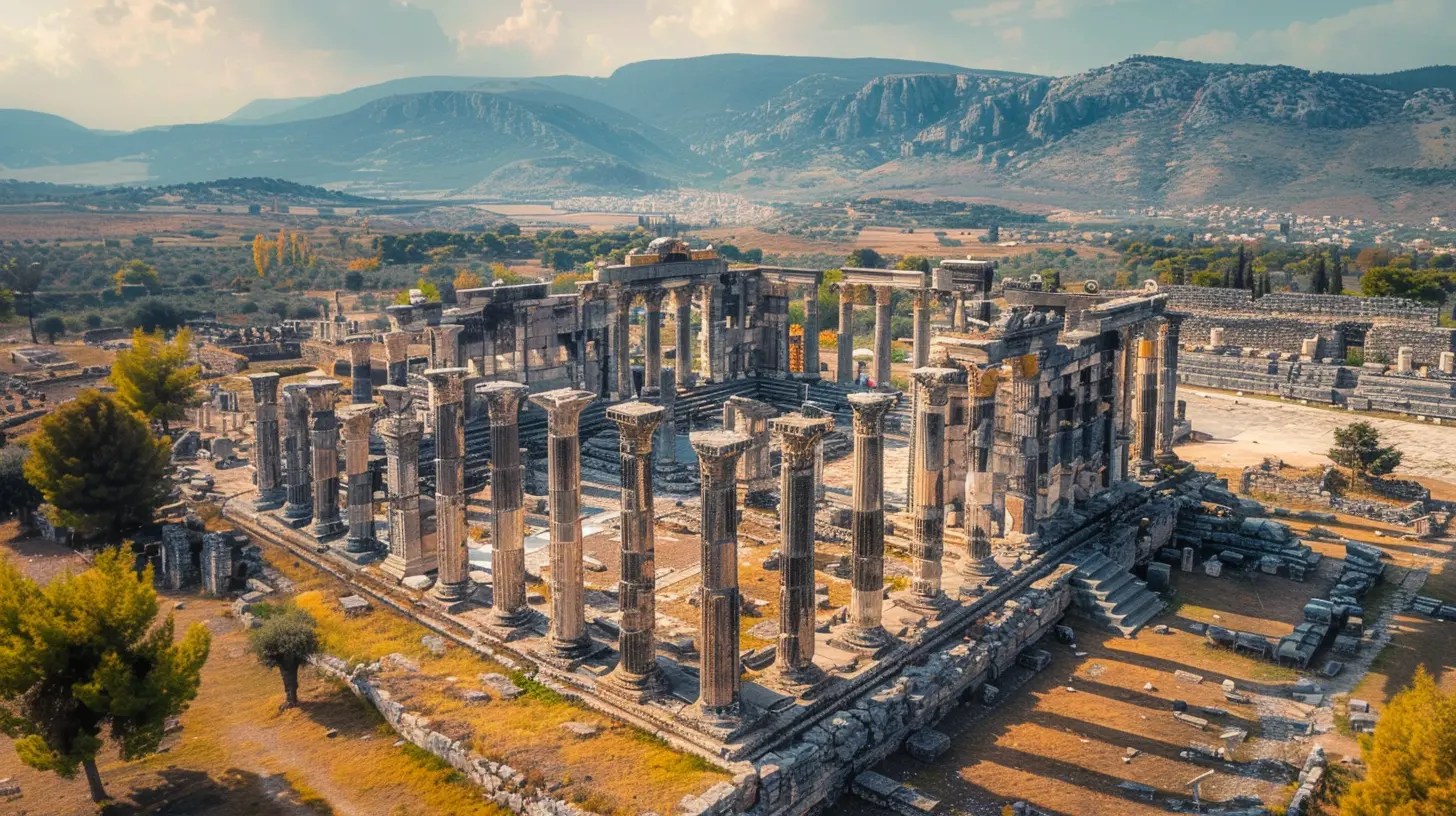
1. Göbekli Tepe (Turkey): The World’s First Temple?
Let’s kick things off with a site that literally rewrote human history—Göbekli Tepe in southeastern Turkey. Discovered in the '90s, this site was hiding in plain sight for thousands of years.Wait, humans weren’t supposed to build temples yet?
That’s right. Archaeologists dated Göbekli Tepe to around 9600 BCE. To put that into perspective, that’s about 6,000 years before the Egyptian pyramids! Imagine cavemen coming together to carve massive T-shaped pillars weighing tons—with no metal tools. Mind-blowing, right?So far, no homes or villages have been found nearby, suggesting this might’ve been a religious or meeting place. But why would hunter-gatherers build a temple? What were they worshipping? No one really knows, and that’s half the allure.
2. Great Zimbabwe (Zimbabwe): The Lost Kingdom of Africa
When most people think of monumental stone architecture, they jump straight to Egypt or Greece. But let’s jet down to Southern Africa, where the ruins of Great Zimbabwe steal the show.Built between the 11th and 15th centuries, Great Zimbabwe was a thriving city, with stone walls six meters high and no mortar. That’s right—just pure engineering genius.
A city mistaken for something else
For years, colonial archaeologists refused to believe that native Africans could build something so advanced. Thankfully, modern researchers have debunked those myths. Great Zimbabwe was likely a major trade center, dealing in gold, cattle, and ivory with merchants from as far as China and Persia.But like so many forgotten civilizations, it eventually fell silent. Drought, trade shifts, or political collapse—take your pick. The ruins remain, proud and enigmatic.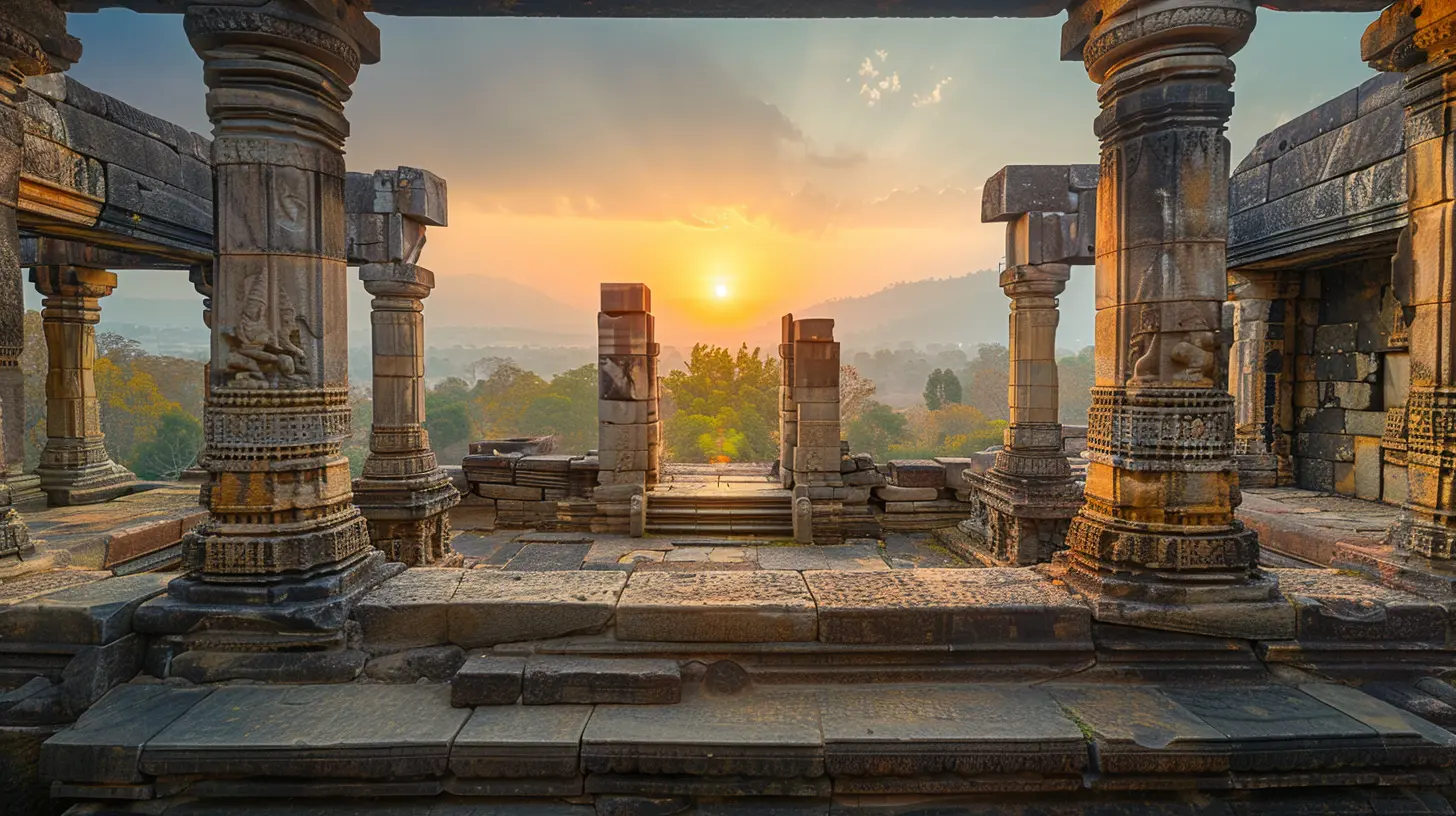
3. Mohenjo-Daro (Pakistan): The Ancient City with Plumbing
Ever dreamt of time-traveling to see a real-life Sim City from 4,500 years ago? Welcome to Mohenjo-Daro, part of the Indus Valley Civilization.This wasn’t just some primitive village. It had grid-style streets, multi-level homes, public granaries, and—get this—flush toilets and drainage systems. Yep, while Europe was still figuring out tribal huts, folks in Mohenjo-Daro were chilling with indoor plumbing.
So what happened to them?
We’re still scratching our heads. There are no signs of war or invasion. Some theories point toward climate change, declining trade routes, or a massive earthquake. Whatever the case, the city vanished, its scripts undeciphered and its people lost in time.4. Nan Madol (Micronesia): Venice of the Pacific
Imagine hundreds of small islands made from basalt and coral, connected by canals—an oceanic city that seems like it floated right out of a fantasy novel. That’s Nan Madol, often dubbed the "Venice of the Pacific."Built between the 8th and 13th centuries on the island of Pohnpei, this site was the ceremonial and political seat of the Saudeleur dynasty.
A logistical nightmare?
Nobody can quite figure out how they did it. Over 750,000 tons of stone were transported—no wheels, no cranes, no written records. Locals whisper tales of magic helping move the stones. Maybe it's just good ol’ ingenuity. Either way, it’s baffling and beautiful.5. Caral (Peru): South America's Oldest City
You've probably heard of Machu Picchu, but Caral? Not so much. Hidden in Peru’s Supe Valley, Caral predates the Incas by thousands of years. It's about 5,000 years old and is considered one of the oldest known cities in the Americas.No weapons, no walls—just peace?
What makes Caral so unique is its apparent lack of warfare. No battlements, no weapons, no signs of conflict. This was a city built on trade, music, and agriculture. They even had quipus (knotted cords) for recording data—long before writing systems made it mainstream.So how did such a peaceful society vanish? Once again, climate may have played a role, or trade routes might have dried up. All we’re left with are stone pyramids and unanswered questions.
6. Angkor (Cambodia): The Jungle That Hid a City
Hidden in the dense Cambodian jungle, Angkor isn’t just a temple (though Angkor Wat is its crown jewel)—it was a sprawling megacity housing nearly a million people in the 12th century. That’s more than London at the time!Angkor was the heart of the Khmer Empire, a blend of Hindu and Buddhist architectural marvels surrounded by lush greenery and intricate hydraulic systems.
The jungle has secrets
For years, people thought it was just temples and trees, but new LIDAR technology revealed roads, homes, and canals hidden beneath the dense canopy. It's like peeling back a green veil to see a forgotten metropolis.So why the decline? Again, climate instability seems to be a culprit, along with political infighting and shifting trade. Still, walking through Angkor feels like time-traveling into a different world—one where nature and humanity were deeply entwined.
7. Hattusa (Turkey): The Forgotten Capital
Back to Turkey we go—but this time to Hattusa, the capital of the Hittite Empire. If you haven’t heard of the Hittites, don’t worry. They’re the “sleeper hit” of the Bronze Age.Hattusa was a fortified city with city gates, lion carvings, and some of the earliest written treaties. These folks had chariots, iron tools, and knew how to run a government.
So where’d they go?
Around 1200 BCE, the entire Eastern Mediterranean underwent a massive collapse. Earthquakes, invasions, and possibly a bit of famine sent multiple civilizations crumbling. Hattusa was abandoned, its once-mighty walls left to weather the wind.What All These Sites Tell Us
So, what do these ancient places have in common? Civilization isn’t linear. People rise, build, thrive—and sometimes, vanish. Not because they were backward or primitive, but because life is unpredictable. Climate shifts. Politics implode. Cultures move on.Yet, these stone reminders stand tall, whispering stories in forgotten tongues.
Tips for Visiting Forgotten World Heritage Sites
If you’re tempted to pack your bags and go on your own archaeological quest (and who could blame you?), keep these tips in mind:- Do your homework: Learn local customs and histories beforehand.
- Respect the site: Don’t climb on ruins or pocket "souvenirs"—these are living museums.
- Hire a local guide: They often have the real stories that books leave out.
- Travel responsibly: Leave no trace and support local economies.
Final Thoughts: What Makes Us Remember
When we talk about forgotten civilizations, we’re also talking about memory—what we choose to preserve, understand, and pass on. These ancient sites aren’t just remnants of buildings. They’re testaments to human creativity, resilience, and mystery.As travelers, bloggers, and curious souls, we have a small but noble task: to keep these stories alive. Because maybe, just maybe, the past isn’t as far away as it seems.
all images in this post were generated using AI tools
Category:
World Heritage SitesAuthor:

Reed McFadden
Discussion
rate this article
1 comments
Bear Patterson
Ancient secrets: who needs modernity, anyway?
August 1, 2026 at 4:23 AM
Reed McFadden
While ancient secrets hold remarkable value, modernity helps us preserve and understand them better. Both have their place in our journey.