A Winter Wonderland: Visiting Rocky Mountain National Park in the Snow
27 February 2026
Rocky Mountain National Park is an iconic destination for nature lovers all year round, but there's something truly magical about experiencing it during the winter months. Imagine the snow-dusted peaks, frosty evergreens, and sparkling frozen lakes. Yes, the summer months often get all the glory, but if you're up for a little cold (okay, maybe a lot of cold), visiting Rocky Mountain National Park in the snow can be the adventure of a lifetime.
In this post, we're going to walk you through everything you need to know about making the most of your winter visit—from what to see, where to go, how to stay safe, and why this national park, wrapped in a blanket of snow, is like walking into a real-life snow globe.
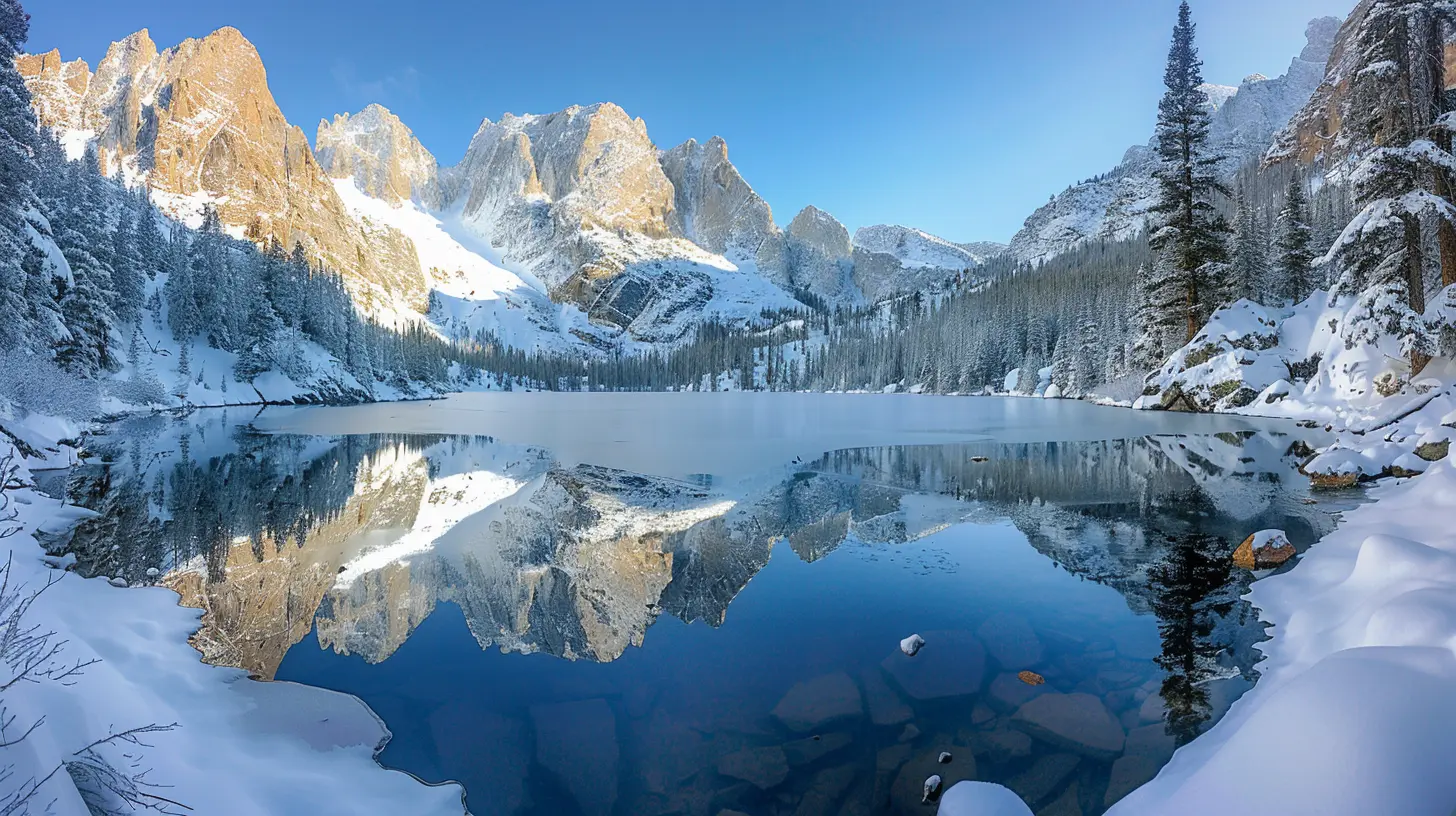
Why Visit Rocky Mountain National Park in Winter?
Magic in the Snow-Covered Rockies
Most people flock to the Rockies in the summer, but if you’re seeking serenity, winter is where the magic happens. The park is transformed into a picturesque winter wonderland as snow cloaks the towering peaks and forested valleys. It feels like stepping into a silent, icy cathedral where nature reigns supreme.The sense of isolation combined with the snowy beauty creates a quiet that’s practically therapeutic. You're far from the throngs of summer tourists and can savor the park in solitude. The snow muffles sound, making everything feel peaceful and untouched—a stark contrast to the lively energy of the park’s warmer months.
Wildlife Watching
Though many animals hunker down during the winter months, wildlife watching is still incredible. Elks, deer, and bighorn sheep are often seen wandering through snowy meadows, looking like they've stepped right out of a wildlife calendar. With fewer visitors around, you also have a better chance of spotting these majestic creatures in their natural habitat, especially early in the morning or just before sunset.Fewer Crowds
If you’ve ever visited Rocky Mountain National Park in peak summer months, you know crowds can sometimes be overwhelming. Winter, however, offers a much more tranquil experience. You might feel like you have the trails and scenic views almost entirely to yourself. No more fighting for that perfect Instagram shot—just you, the snow, and the stunning landscapes.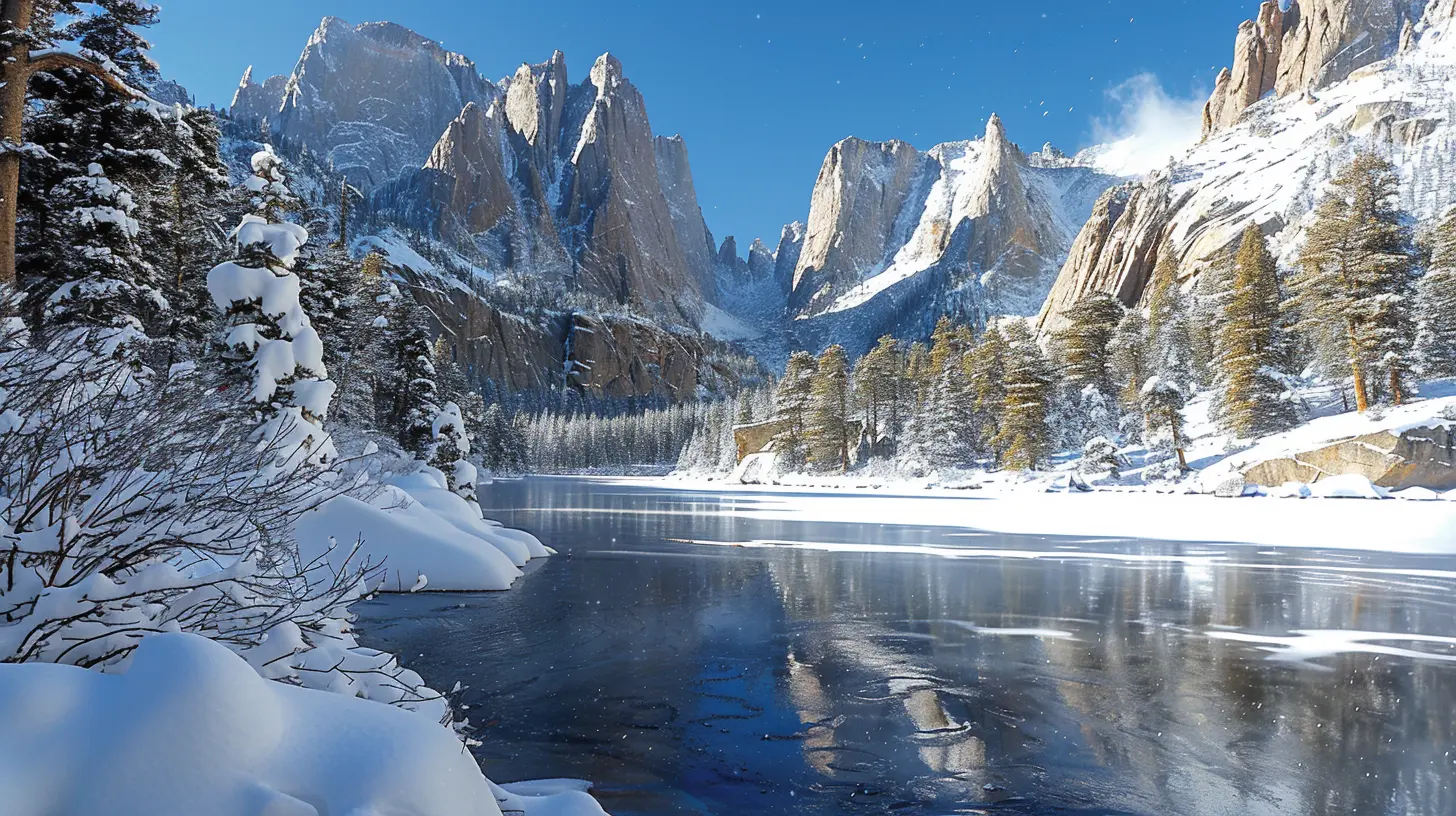
What to Expect When Visiting in Winter
Snow, Snow, and More Snow!
One thing’s for sure: you’re going to see a lot of snow. Depending on when you visit, there can be feet of fresh powder covering the ground—a winter wonderland in its truest form. Roads, especially higher elevations, can close due to snow and ice, so always check weather conditions before your trip. The well-known Trail Ridge Road usually closes mid-October and remains inaccessible until late May, so you'll need to plan accordingly.Cold Temperatures
You’ll also need to prepare for the cold. Winter temperatures in the park can range from 20°F to -20°F, depending on the altitude. Layering up is essential. Don't let the brisk air deter you—after all, there’s no such thing as bad weather, only bad clothing choices!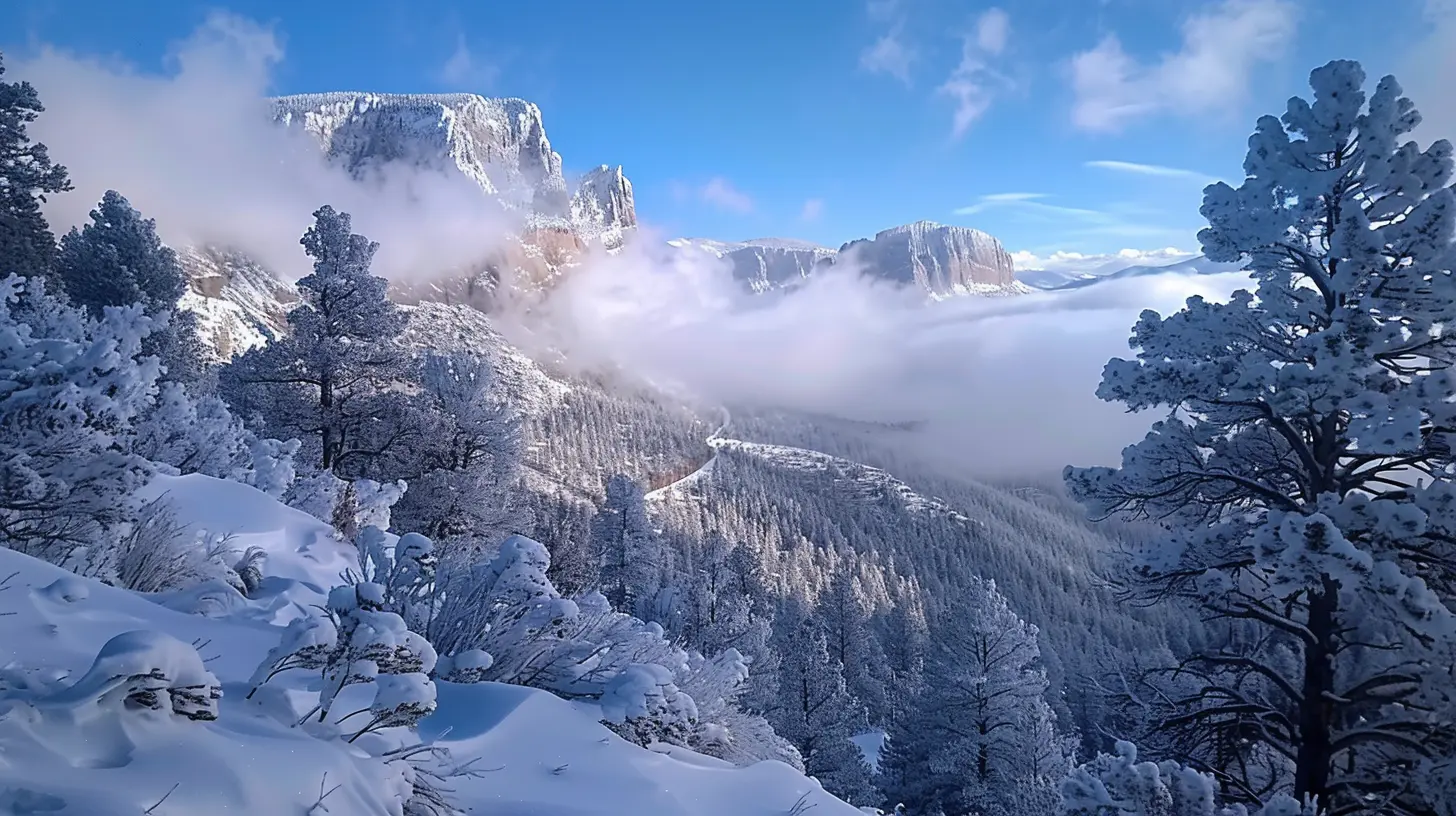
Top Winter Activities in Rocky Mountain National Park
Snowshoeing
Snowshoeing is one of the most popular winter activities in Rocky Mountain National Park. It’s essentially hiking for snowy conditions, and it’s an excellent way to explore the otherwise impassable trails. Whether you’re a seasoned snowshoer or completely new, it's relatively easy to pick up. Best of all, it allows you to access backcountry areas that would be off-limits in winter without the right gear.The Bear Lake and Glacier Gorge areas are perfect for beginners and offer shorter routes with stunning views. More advanced options include Mills Lake and The Loch, where the breathtaking scenery truly delivers.
Cross-Country Skiing
For the athletically inclined, cross-country skiing is an exhilarating way to glide through the park. It's a bit more intense than snowshoeing but oh-so-rewarding when you cover large expanses of snowy terrain without breaking too much of a sweat. You'll find plenty of groomed trails that cater to all levels of skiers.Sprague Lake and Moraine Park are excellent spots for beginners, while more seasoned skiers can head to the Upper Beaver Meadows trail where elevation gains give you a challenging but scenic landscape to explore.
Wildlife Viewing and Photography
If you're more into soaking up the views or capturing the perfect shot, winter in Rocky Mountain National Park offers unparalleled opportunities for photography. The snow-capped peaks, icy lakes, and frost-covered trees turn every angle into a postcard. Most importantly, always keep your camera handy—wildlife tends to be more visible in the winter, and you won't want to miss out on capturing those magical moments.Just remember, the cold can drain camera batteries faster than usual, so bring extras! Also, respect the wildlife by keeping a safe distance; after all, those elk and deer deserve a peaceful winter, too.
Sledding at Hidden Valley
Got kids in tow or feeling like a kid yourself? Hidden Valley is the only spot in the park where sledding is allowed. This formerly operational ski slope is now a family-friendly area perfect for sliding down the hills on a sled. While making memories of zooming down powdery hills, you can also enjoy the stunning views of the surrounding peaks.Bring your own sled, as there aren’t rentals available in the park, and don’t forget to pack a thermos of hot chocolate to warm up afterward!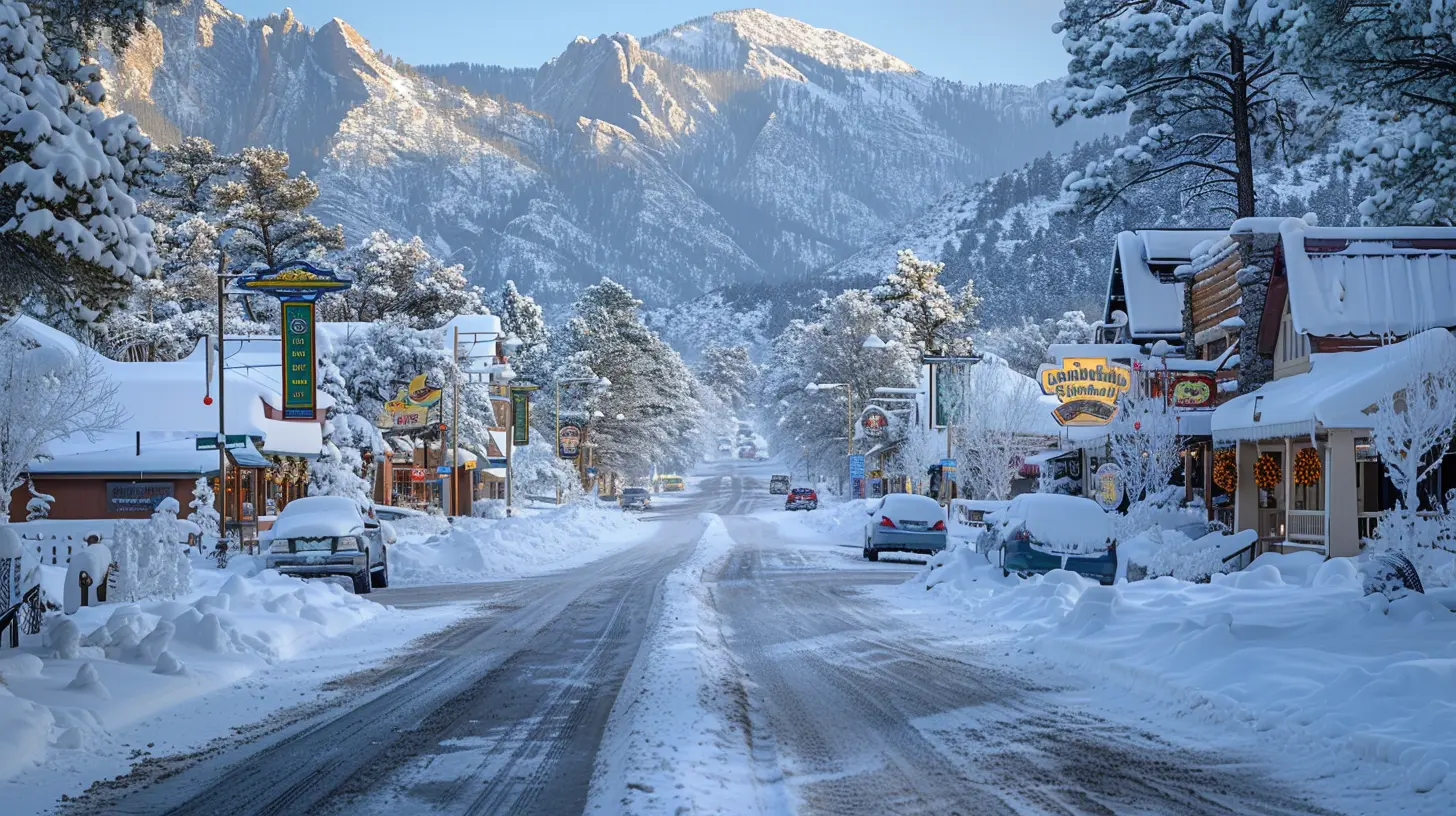
Tips for Staying Safe in Winter
Prepare for Road Conditions
Winter weather in the Rockies can be unpredictable, and roads can become icy or impassable at any time. Make sure your vehicle is winter-ready with snow tires or chains. Always check for current conditions before heading into the park. For the most up-to-date information on specific closures or hazards, visit the Rocky Mountain National Park Road Status Page.Dress in Layers
It might sound obvious, but dressing for the cold is crucial. Layering is key: start with a moisture-wicking base layer, an insulating mid-layer (think fleece), and a waterproof outer layer to shield against the wind and snow. Don’t forget essential winter accessories like hats, gloves, scarves, and insulated boots.Stay Hydrated & Fueled
You may not realize it, but dehydration is just as much of a risk in the winter as it is in the summer. The cold can trick your body into thinking it doesn’t need as much water, but you'll still lose fluids through sweat while snowshoeing or skiing. Keep a water bottle handy, and pack snacks to keep your energy up during your adventures.Avalanche Awareness
If you're heading into the backcountry, be aware of avalanche risk, especially after heavy snowfall. The park provides avalanche forecasts, so check these before heading out. If you're unsure, stick to areas known to be safer, like Bear Lake or Moraine Park.Best Places to Stay Around Rocky Mountain National Park
Estes Park
Estes Park is the gateway to Rocky Mountain National Park and undoubtedly the most convenient place to stay. In the winter, this charming mountain town transforms into a cozy wonderland, with twinkling lights and snow-covered rooftops adding festive cheer. From rustic cabins to upscale lodges, there's accommodation for every budget. Plus, it’s a great spot to grab a warm meal or coffee after a day of exploring.Grand Lake
For those seeking a more remote experience, the town of Grand Lake on the park’s western side offers a quieter retreat. Grand Lake is less frequented than Estes Park, but it's no less picturesque. With many holiday homes and cabins for rent, it makes for a peaceful basecamp for your snowy adventures.Final Thoughts
Visiting Rocky Mountain National Park in the snow is like stepping into a winter postcard. The sheer beauty of the landscape, coupled with the tranquility that only winter brings, is an experience that nourishes the soul. Whether you're snowshoeing through frosted evergreens, laughing on a sledding hill, or simply taking in a snow-covered vista, Rocky Mountain National Park in the winter should be on every adventurer’s bucket list.So pack your warmest gear, bring a camera, and prepare to be enchanted by this winter wonderland. Don’t let the cold deter you—after all, the best stories often come from braving the elements and experiencing nature in its rawest, most serene state.
all images in this post were generated using AI tools
Category:
National ParksAuthor:

Reed McFadden
Discussion
rate this article
2 comments
Owyn Castillo
Rocky Mountain National Park transforms into a stunning winter wonderland! Don’t miss snowshoeing or cross-country skiing along scenic trails. Remember to dress in layers and check conditions for a safe adventure!
March 9, 2026 at 3:25 PM
Reed McFadden
Absolutely! Winter in Rocky Mountain National Park offers breathtaking beauty and fantastic outdoor activities. Dressing in layers and staying informed about trail conditions are essential for a memorable experience. Enjoy the winter magic!
Clarissa Ramirez
This article captures the enchanting beauty of Rocky Mountain National Park in winter, highlighting breathtaking snow-covered landscapes and essential tips for visitors.
February 28, 2026 at 4:20 AM
Reed McFadden
Thank you! I'm glad you enjoyed the article and felt the magic of Rocky Mountain National Park in winter.