A Guide to Stargazing in the Most Remote National Parks
18 August 2026
Ever laid on your back, looked up, and thought, “Whoa, is that the Milky Way?” If that’s your kind of night, buckle up. We’re diving headfirst into a world that’s so dark, so quiet, and so far off-the-grid that the stars practically scream, “Look at me!”
Let’s be real—stargazing from your backyard, surrounded by porch lights and honking cars, just doesn't cut it. To truly get that jaw-dropping, goosebumps-inducing night sky experience, you’ve gotta go way off the beaten path. And there’s no better spot than America’s most remote national parks. These gems are dark, wild, and absolutely magical when the sun goes down.
So grab your telescope, pack some snacks, and let's unravel the cosmic secrets of the universe—one remote park at a time. ??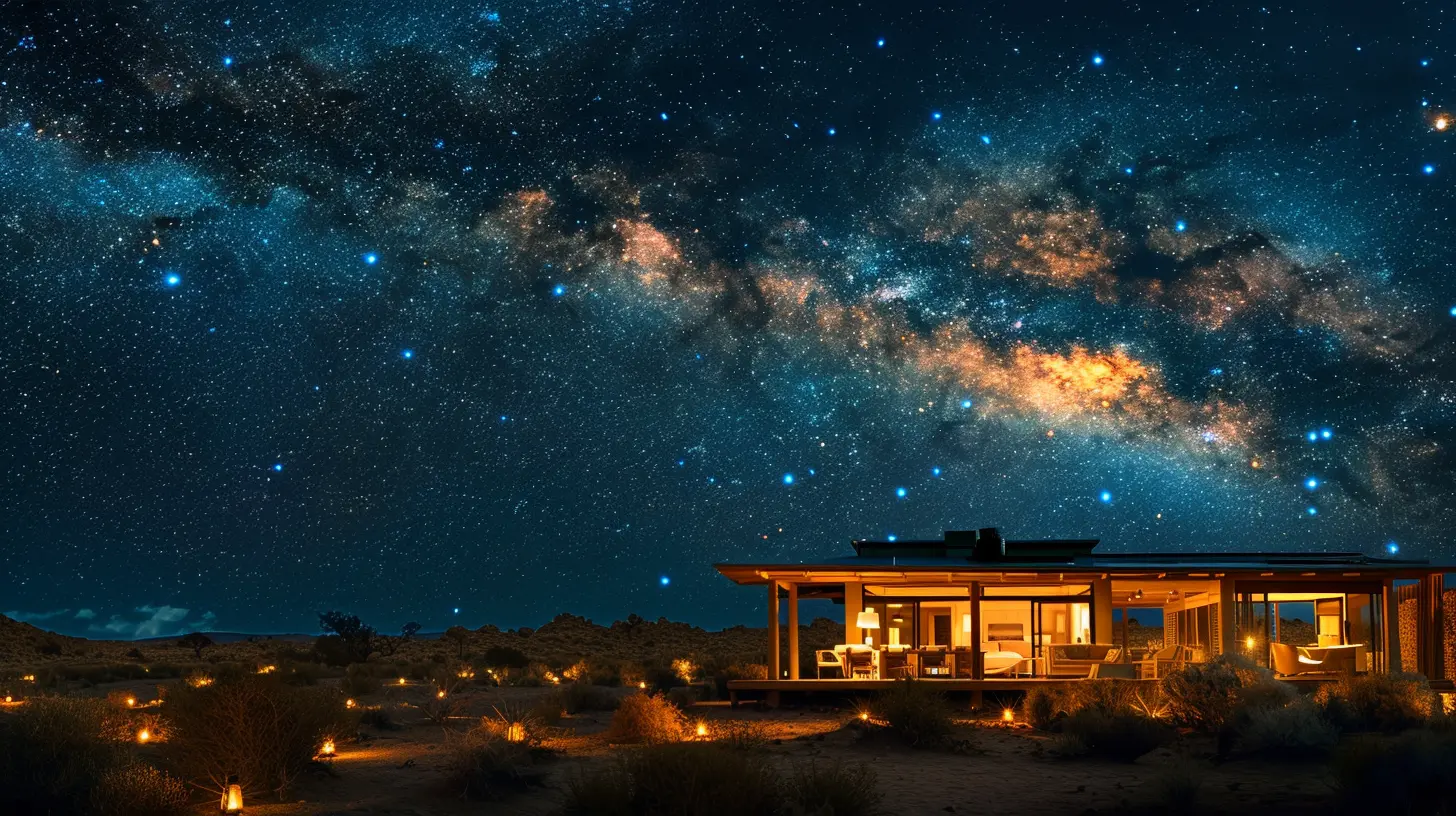
Why Stargazing in Remote National Parks Hits Different
Let’s kick it off with the obvious: no light pollution. In the city, you’re lucky if you catch a few stars. Maybe Orion shows up if he’s feeling generous. But out in the remote wilderness? You’re looking at thousands—yes, thousands—of stars, constellations, planets, and even the Milky Way galaxy, all shining like cosmic glitter on an inky black canvas.These places are legit International Dark Sky Parks, meaning they’re officially recognized for having the kind of darkness that makes astronomers weep with joy.
Plus, you're surrounded by nature. No crowds. No traffic. Just you, the crickets, and the universe. Sounds like paradise, right?
Essential Tips Before You Take Off
Before we dive into the parks, let’s talk prep. Stargazing in the wild isn't your average evening stroll.1. Pack the Right Gear
- Telescope or binoculars – not essential, but nice to have- Star maps or stargazing apps – try Sky Guide or Star Walk
- Red flashlight – keeps your night vision intact
- Blankets or sleeping bags – it gets cold, even in summer
- Snacks and water – you’ll thank yourself later
- Camera with tripod – if you're into astrophotography
2. Know the Moon Phases
A full moon might be romantic, but it also washes out the stars. For max star visibility, aim for a new moon or close to it.3. Check the Weather
Clouds = zero stars. This one’s a no-brainer. Always check forecasts before heading out.4. Stay Safe
These parks are remote for a reason. Know your route, tell someone where you’re going, and bring safety gear like a map, compass, and first-aid kit.
Top Remote National Parks for Stargazing
Now, let’s get to the good stuff—the parks that’ll make your jaw drop when night falls.1. Big Bend National Park, Texas
Why it’s stellar: It's hands-down one of the best spots in the continental U.S. for stargazing. We’re talking some of the darkest skies north of the equator.Nestled in a quiet corner of West Texas, this park is massive and hardly visited compared to flashy national parks. When the sun sets behind the Chisos Mountains, the sky comes alive like a planetarium on steroids. You’ll see the Milky Way stretch across the heavens like a cosmic highway.
Bonus Tips:
- Head to Rio Grande Village or Chisos Basin for epic views.
- Visit in spring or fall to avoid the brutal summer heat.
2. Great Basin National Park, Nevada
Why it’s stellar: This place is so remote you’ll feel like the last person on Earth. And that’s exactly why the stars shine so bright here.Great Basin is a high-altitude park with zero light pollution and some of the most crystal-clear skies you can imagine. Plus, thanks to its dry climate, visibility is insanely good.
Must-see: Attend the Great Basin Astronomy Festival held every September. Telescopes, astronomers, and deep-space trivia—what’s not to love?
3. Canyonlands National Park, Utah
Why it’s stellar: Red rock canyons by day, galactic spectacle by night. It’s like Mars and a sci-fi movie rolled into one.Canyonlands is often overshadowed by nearby Arches, but that just means fewer folks taking up stargazing real estate. From the Island in the Sky district, you get unobstructed views of the night sky that feel absolutely out of this world.
Pro Tip: Camp overnight. The silence and solitude make the night sky feel even grander.
4. Voyageurs National Park, Minnesota
Why it’s stellar: This one’s for the water babies. Voyageurs is made up of interconnected lakes, which means you can stargaze from a canoe. Yes, really.Paddle out, lie back, and let the stars dance above you. The reflection of the cosmos on the still water? Unreal.
Surprise Bonus: You might just catch the Northern Lights if conditions are right. How’s that for a sky show?
5. Capitol Reef National Park, Utah
Why it’s stellar: Another Utah gem that’s wildly underrated. Capitol Reef combines desert landscapes with phenomenal night skies.You’ll find massive sandstone cliffs and domes by day, and then BOOM—out comes the galaxy party at night. When the park was designated as a Gold Tier International Dark Sky Park, it wasn't just for show. This place is the real deal.
Where to Go: Try Fruita Campground or Goosenecks Overlook for top-tier views.
6. Death Valley National Park, California & Nevada
Why it’s stellar: It’s not just the hottest, driest place in North America—it’s also one of the darkest.Death Valley’s immense, open landscapes act like a giant, natural observatory. The sky here is so wide it almost swallows you whole. On a moonless night, it’s like stargazing from the surface of another planet.
Heads up: Summer is brutal here. Aim for fall through spring for a more comfortable trip.
7. Glacier National Park, Montana
Why it’s stellar: Picture snow-capped peaks, crystal-clear lakes, and a sky filled with stars. Glacier is next-level beauty during the day—and practically mythical by night.Because of its far-north location and low light pollution, Glacier offers frequent Northern Lights sightings and crystal-clear Milky Way views.
Best Spot: Logan Pass—on a clear night, it’ll blow your mind.
8. Guadalupe Mountains National Park, Texas
Why it’s stellar: Tiny, quiet, and tucked into West Texas, this park is often overlooked—which makes it perfect for stargazing.You can hike up to Guadalupe Peak (the highest point in Texas) for a wild panoramic sky view, or chill at the base and still get a mind-blowing show.
Don’t Miss: The Devil’s Hall Trail is a peaceful place to sit and stare up into eternity.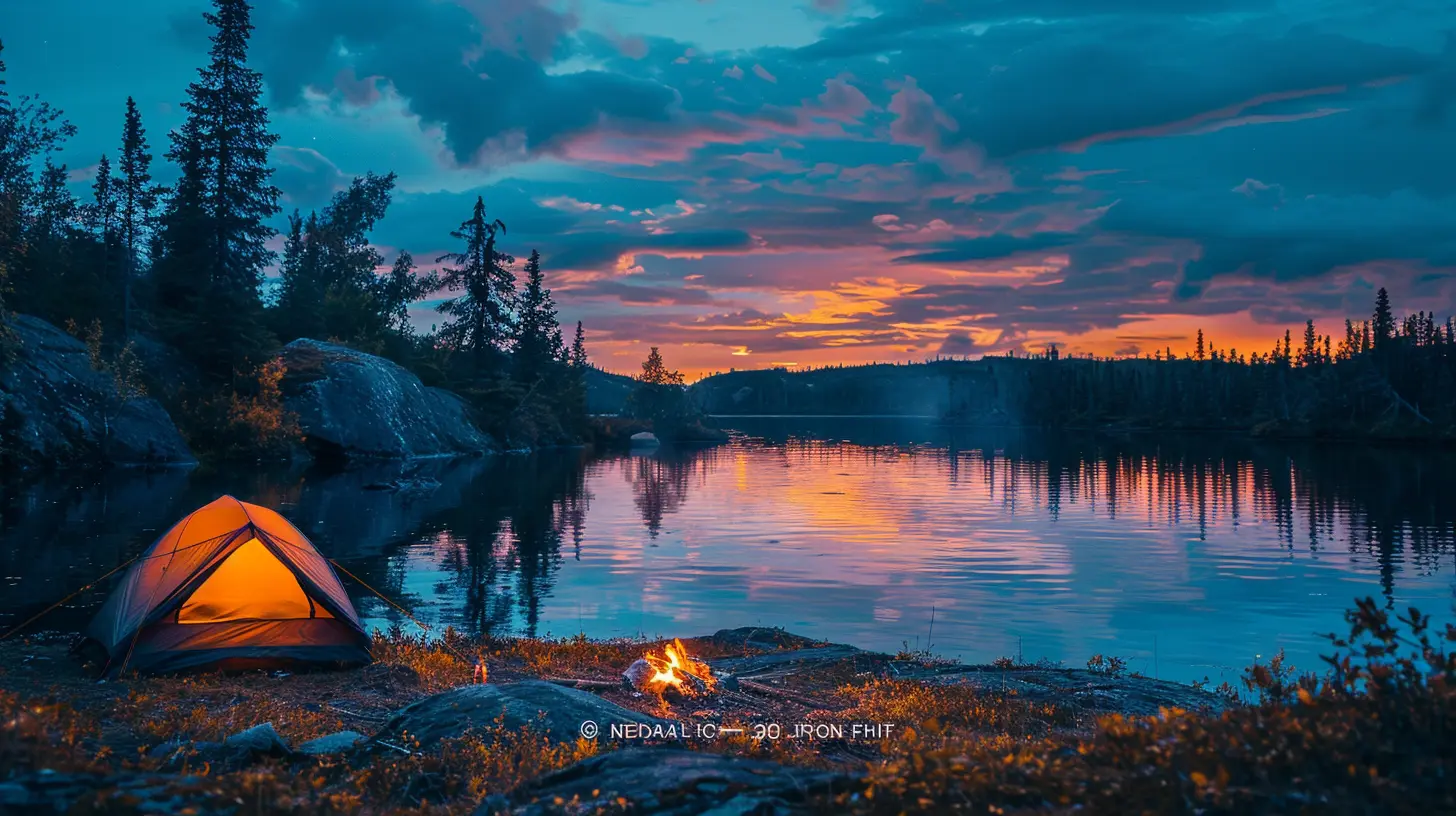
Bucket-List Stargazing Events to Watch For
The universe doesn’t always play by the rules, but there are some cosmic events you should mark on your calendar:- Perseid Meteor Shower – Every August, this one lights up the sky like nature’s own Fourth of July.
- Geminid Meteor Shower – A December classic, just colder.
- Lunar Eclipses – Total or partial, they’re mesmerizing.
- Planetary Alignments – Venus, Jupiter, Saturn—they occasionally line up for a spectacular celestial dance.
Best part? Catching one of these from a dark-sky national park is like front-row seats to the universe.
A Few Words for Astro-Photographers
If you've got a DSLR and a tripod, you’re in for a treat. These parks offer unreal opportunities for astrophotography.Just remember:
- Use manual mode
- Keep your ISO high
- Go for a long exposure (start with 20-30 secs)
- Use a wide-angle lens
- Frame your shot with some rocks, trees, or mountains for that epic foreground
Trust me, your Insta feed will thank you.
Staying Overnight? Here's How to Do It Right
Half the stargazing experience is sticking around until the stars actually show up, right? That means camping, glamping, or roughin’ it under the stars. Most of the parks listed above have designated campgrounds or backcountry sites.Want something fancier? Try astro-tourism lodges or dark-sky ranch stays near park boundaries—they’re popping up like constellations!
Just be sure to reserve ahead, especially during meteor showers or prime summer weekends.
The Real Magic of Stargazing
Let’s get a little cheesy here: There’s something absolutely humbling about staring up at a billion stars, realizing just how small we are in the grand scheme of things. In an age where everyone’s glued to their screens, stargazing reconnects us—to the Earth, the cosmos, and ourselves.You don’t need to be an astronomer to enjoy it. No degree. No fancy gear. Just curiosity and a willingness to stay up past bedtime.
So...Where Will You Go First?
Whether it's the haunting silence of Death Valley, the alpine heights of Glacier, or the riverbanks of Big Bend, every remote park on this list comes with its own unique brand of cosmic epicness.So pick your park, pack your gear, and hit the road. The stars are waiting—and trust me, they’ve never looked so good.
all images in this post were generated using AI tools
Category:
National ParksAuthor:

Reed McFadden
Discussion
rate this article
1 comments
Piper Roberson
This guide inspires me to explore the night sky more.
September 14, 2026 at 4:06 PM