How to Behave at Traditional Ceremonies: A Global Etiquette Guide
16 June 2026
Let’s be honest—going to a traditional ceremony in a different country can be just as thrilling as bungee jumping... but with the added risk of foot-in-mouth syndrome. You’re standing there, sweating through your shirt, hoping you didn’t just insult someone’s grandmother by sitting in the wrong chair or using your left hand. Sound familiar?
Don’t worry! Whether you’re attending a wedding in India, a tea ceremony in Japan, or a naming celebration in Ghana, I’ve got your back. This oh-so-friendly guide will prep you to travel the world, attend all those beautiful, tradition-rich events, and not embarrass yourself (or your tourist buddies).
Let’s dive into what you absolutely need to know about behaving like a civilized, culturally-aware human at traditional ceremonies around the world.
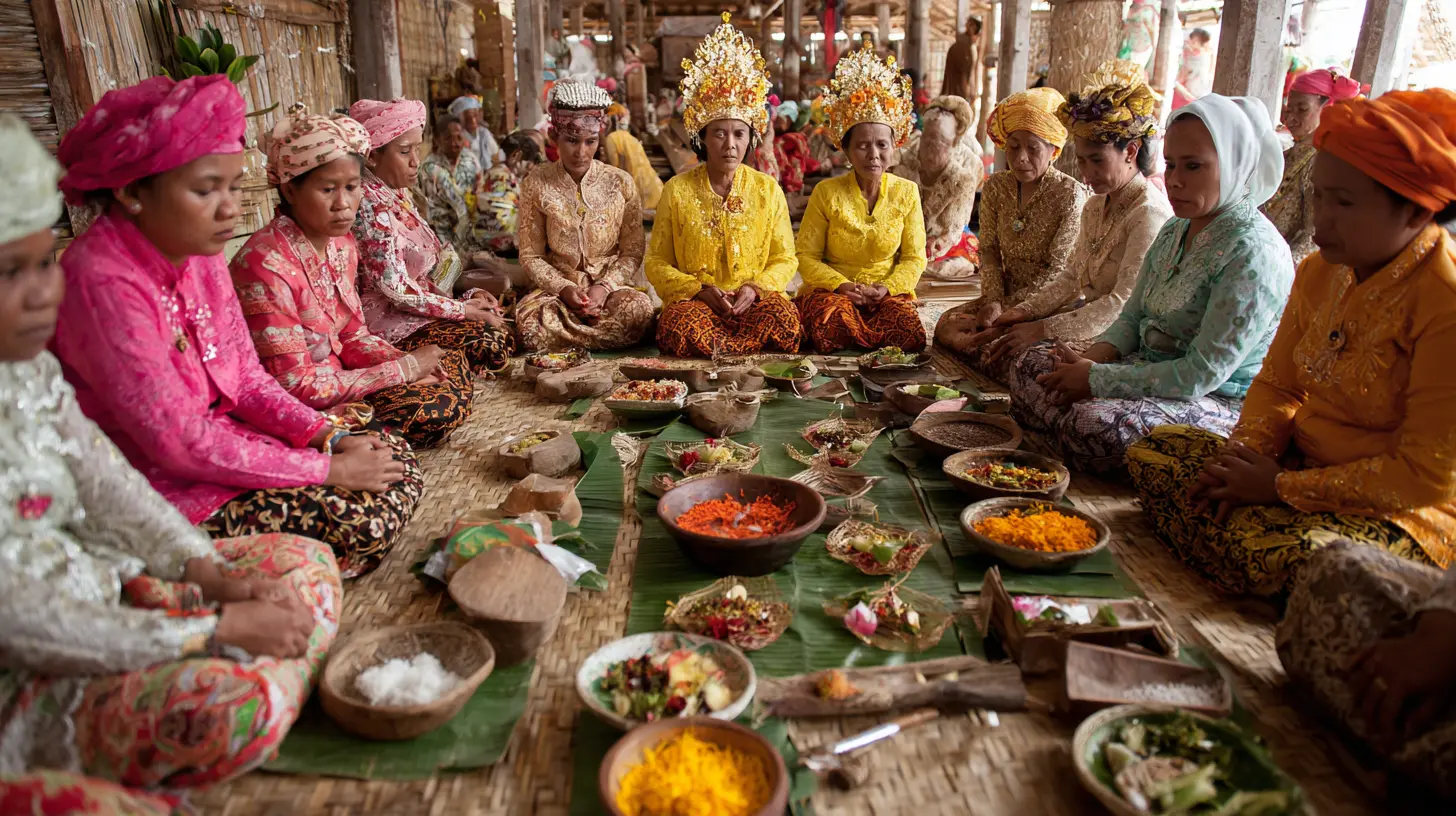
Why It Matters: Respect is the Universal Language
Here’s the thing—traditions didn’t pop out of nowhere. These ceremonies are often centuries-old practices rooted in cultural values, spiritual beliefs, and family bonds. So showing up and respecting those customs isn’t just polite—it’s the golden ticket to earning locals’ respect and maybe even a warm plate of food.Acting clueless or dismissive? Total vibe-killer and possibly offensive. But hey, you’re here reading this, which already makes you better than 90% of the tourists who still rock socks with sandals at sacred temples.
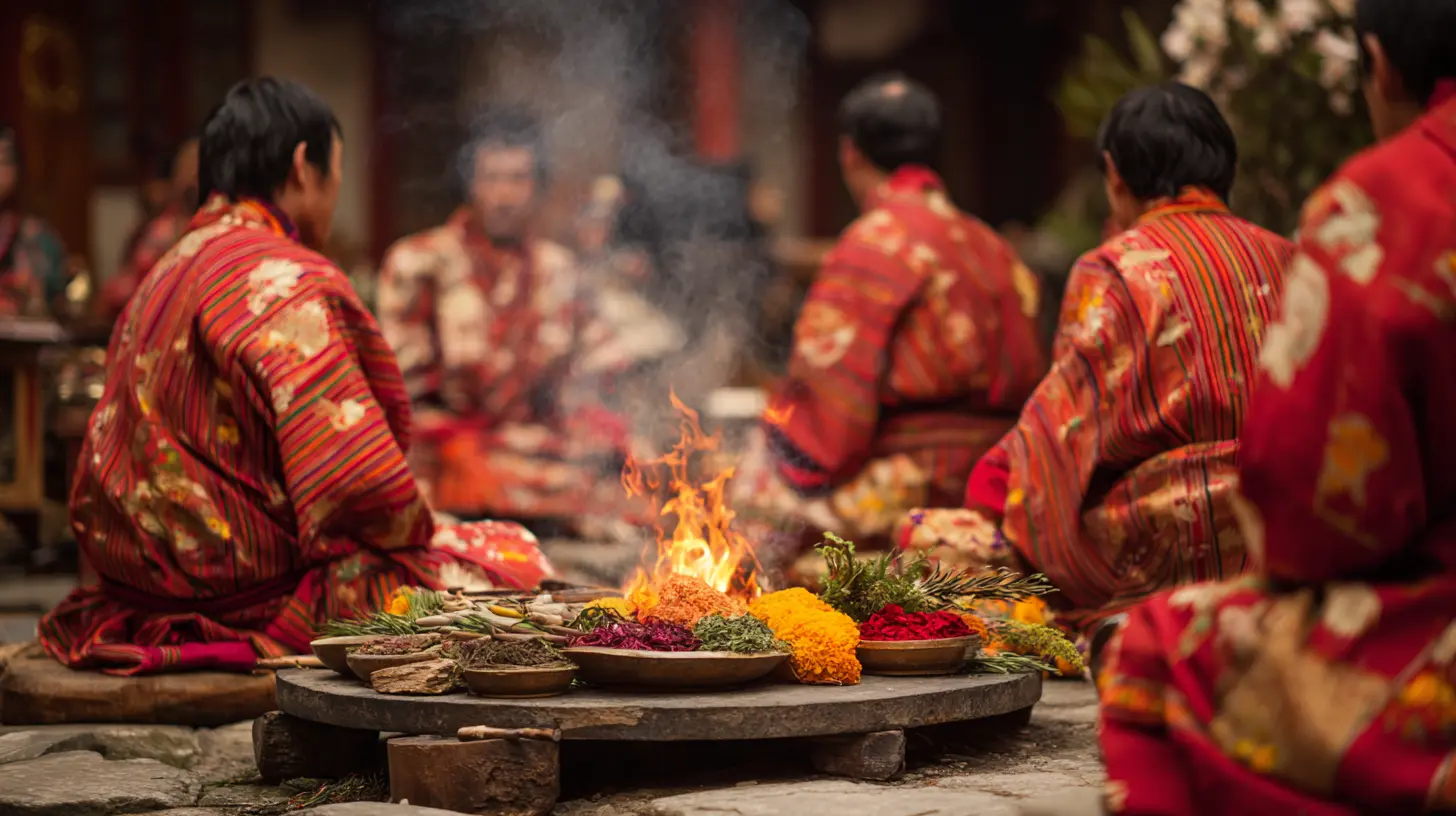
Dress to Impress… Without Stress
General Rule: When in Doubt, Cover It Up
If there’s one universal truth in traditional ceremonies, it’s this: modesty wins. Traditional doesn’t usually mix with tank tops, booty shorts, or slogan tees that say “YOLO.”Let’s break it down by region:
- Southeast Asia (Thailand, Cambodia, Indonesia): Shoulders and knees, keep them covered. Bonus points for long skirts and conservative shirts. Footwear? Easy on, easy off.
- Middle East: Respect local dress codes. Ladies, bring a scarf just in case. Gents, ditch the muscle shirt.
- Africa: Bold patterns = a win. But still, modesty rules. Ask if traditional prints or headwraps are appropriate—it shows you care.
- India: If you can rock a sari or a kurta, do it! Otherwise, go modest with bright colors to blend in.
Avoid the tourist uniform—flip flops and tank tops—and instead, channel your inner cultural chameleon.
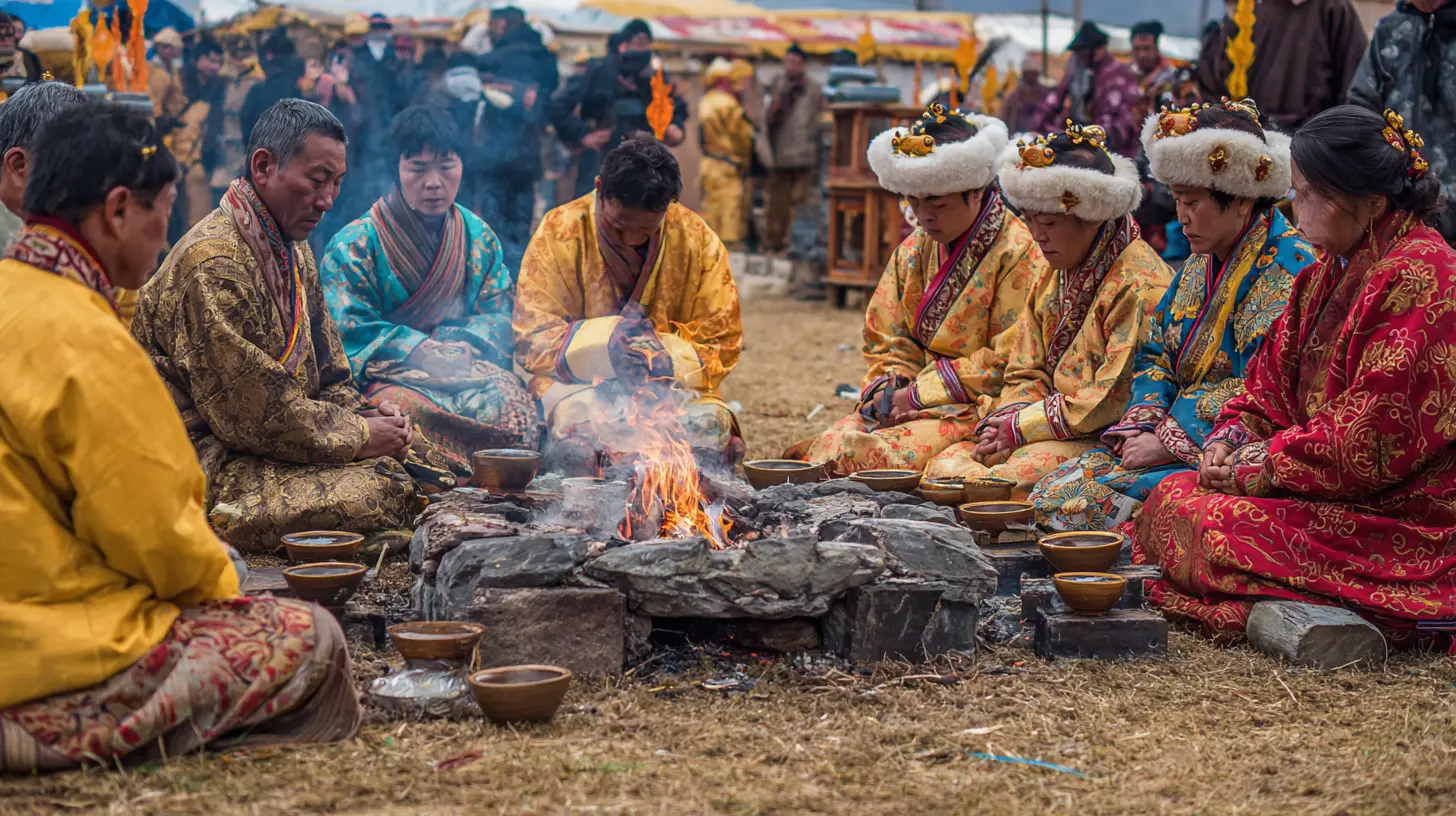
Timing is Not Optional
In the West, “fashionably late” is a thing. But around the world? Not so much.- Japan: Showing up late to a tea ceremony is like slurping soup at a funeral. Just don’t.
- Germany: Punctuality is practically a love language.
- Africa: Ironically, some traditional ceremonies start late—but guests still arrive on time to socialize and show respect.
Best practice? Arrive early unless someone explicitly says “Come whenever.” And even then, come on time. Confusing? Totally. But better early than awkwardly late.
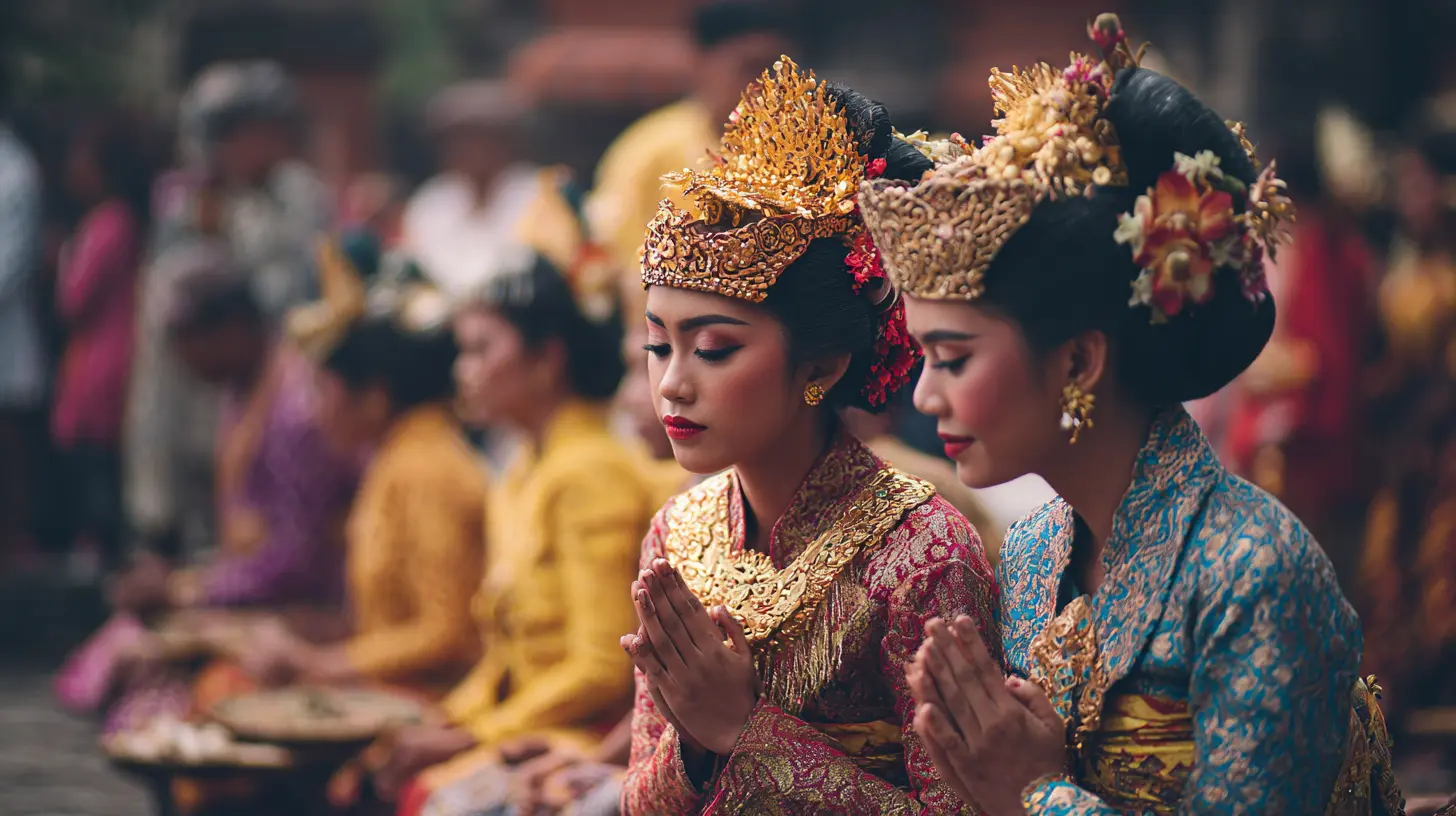
Shut Up and Listen (In the Kindest Way)
When attending any ceremony, especially one rich in spiritual or ancestral significance, zip it. Seriously.- Religious ceremonies: Even if you’re not religious, silence is golden. Save your questions for afterward.
- Weddings: Resist the urge to comment on the outfits or decorations. You’re not Simon Cowell.
- Coming-of-age rituals: These are deeply emotional for families. Be present and respectful.
If everyone’s bowing, you bow. If everyone’s clapping, clap. If no one’s talking—take the hint.
Hands, Feet, and Other Body Parts: Use Them Wisely
Fun fact: body language can insult someone faster than your words can.- India, Africa, and the Middle East: The left hand is the “bathroom hand.” Don’t use it for eating, handshakes, or gifting.
- Thailand and many Buddhist communities: Feet are seen as dirty. Don’t point them at people or sacred objects—and for heaven’s sake, don’t rest them on a chair.
- Japan: Bowing isn’t just a cute anime move. There’s a whole system depending on age, status, and situation. Just follow the locals’ lead.
Quick tip? If you're unsure what to do with your hands, clasp them gently in front of you like you’re about to receive a tiny, invisible kitten.
Snap That Pic—Or Maybe Don’t
We all love a good Instagram moment. But guess what? Not every ceremony is your personal photo shoot.- Ask first: If it’s sacred, religious, or deeply private—get permission before pulling out your phone.
- Use common sense: Flash photography during a quiet moment? You’ll ruin it for everyone.
- Don’t interrupt: Seriously, no staging a TikTok dance mid-procession.
When in doubt, put the phone down and soak in the moment. Your brain (and the locals) will thank you.
Gifts, Money, and “What Did I Just Give Them?”
Ah, the gift-giving game. It’s tricky, but with a few simple tips, you’ll look like a seasoned cultural diplomat.Cash is King (Sometimes)
- Weddings in Asia: Red envelopes in China, cash gifts in Japan, and sometimes checks in Korea. There’s even a preferred amount—don’t ask why, just Google it.- Africa and the Caribbean: Gifts are deeply symbolic. Sometimes money, sometimes food, or goods for the host.
- Europe: Check if there’s a registry—but even then, cash is rarely frowned upon.
Always wrap your gift nicely, and if you’re unsure, ask someone local or a fellow guest. Better safe (and generous) than sorry.
Learn a Few Words—And Not Just “Hello”
Want to genuinely impress people? Learn a few words in the local language that are relevant to the ceremony. Stuff like:- “Congratulations”
- “Beautiful ceremony”
- “Thank you for inviting me”
Trust me, even your horrendous accent will be adored. Bonus points if you learn the word for the event itself—like “Nikah” for a Muslim wedding or “Namkaran” for a Hindu baby-naming.
When in Rome, Eat Like the Locals
Food is a huge part of most ceremonies—so if they’re feeding you, you better eat (or at least pretend to enjoy it like your life depends on it).Tips for Dining Right:
- Don't refuse food outright. Even if it looks like a science experiment, take a polite bite.- Use your hands correctly. (Right hand in many cultures, chopsticks in others, spoons in some—research saves lives and reputations.)
- Say thank you. And maybe even ask for seconds—if you dare.
Just remember: if grandma cooked it, you better act like it’s the best thing you’ve ever tasted. Even if your taste buds beg to differ.
Dancing, Chanting, and Participating Without Looking Foolish
Some ceremonies will invite you to get involved. Do it! But again—read the room.- If they’re dancing in a circle, join the dance after watching a few rounds.
- If there’s a chant or a repetitive song, hum along before trying words.
- If there’s a ritual like lighting a candle or sprinkling flower petals, wait your turn and follow others.
Enthusiasm is appreciated. Clumsiness is forgiven. But arrogance? Never.
Don’t Compare Cultures (Seriously, Just Don’t)
One last thing—please resist the urge to say things like:> "Well, back home we do it this way."
That sentence is the cultural equivalent of a fart during a silent prayer. Just don’t.
Every tradition has its own rhythm, meaning, and beauty. Embrace it. You’re not there to critique—you’re there to learn, experience, and maybe accidentally dance like Elaine from Seinfeld (and that’s ok!).
Final Thoughts: Be Curious, Not Clueless
Look, nobody expects you to become an expert overnight. But showing a genuine effort to understand and respect someone else's traditions goes a long, long way.Approach each ceremony with curiosity, humility, and a sense of humor. You might fumble a bit—and that’s fine. Just don’t chew gum during a funeral, snap selfies at a sacred altar, or wear neon to a solemn ritual.
With these tips, you’ll not only avoid cultural faux pas—you’ll actually enjoy yourself, connect with people, and maybe even get invited back.
You cultural rockstar, you.
all images in this post were generated using AI tools
Category:
Cultural EtiquetteAuthor:

Reed McFadden
Discussion
rate this article
1 comments
Brooks McAnally
This article offers valuable insights for anyone attending traditional ceremonies. Understanding local customs is essential for respectful participation. I appreciate the practical tips provided and believe they will enhance the experience for travelers and locals alike. Thank you for sharing this important guidance.
August 6, 2026 at 4:54 AM
Reed McFadden
Thank you for your thoughtful comment. I'm glad you found the tips helpful for enhancing the experience at traditional ceremonies. Respecting local customs truly makes a difference.