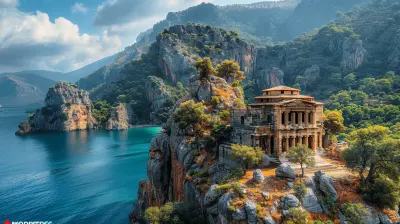
A Glimpse into History: The World's Unforgotten Landmarks
7 June 2026
History is more than just stories in textbooks—it's etched in stone, woven into culture, and carved into the very fabric of time. From towering pyramids to ancient ruins whispering tales of the past, the world is scattered with incredible landmarks that stand as a testament to human ingenuity, resilience, and creativity.
But what makes these landmarks truly unforgettable? Why do millions of people flock to these sites year after year? Buckle up as we take a deep dive into some of the world's most extraordinary historical landmarks and uncover their secrets. 
1. The Great Pyramid of Giza – Egypt’s Timeless Wonder
When you think of ancient history, the Great Pyramid of Giza is probably one of the first things that come to mind—and for good reason! Built over 4,500 years ago, this architectural marvel continues to baffle researchers.Imagine constructing a structure as tall as a modern skyscraper without cranes, trucks, or sophisticated tools. The sheer precision of the pyramid's design is mind-blowing; its alignment with true north is almost exact, something even modern architects would struggle to achieve without advanced technology.
But perhaps the biggest mystery? How it was built. Was it thousands of laborers working tirelessly for decades? Or did the Egyptians possess construction knowledge that we’re yet to fully comprehend? Either way, the Great Pyramid remains an enduring symbol of ancient brilliance, drawing millions of visitors each year. 
2. Machu Picchu – The Lost City of the Incas
Nestled high in the Peruvian Andes, Machu Picchu is a breathtaking relic of the once-mighty Incan empire. Known as the "Lost City," this awe-inspiring site wasn’t even discovered by the modern world until 1911, when American explorer Hiram Bingham stumbled upon its ruins.What makes Machu Picchu truly fascinating is the mystery of its purpose. Some believe it was a royal retreat for Incan elites, while others suggest it held spiritual significance. Regardless of its intended role, the engineering behind this ancient city is remarkable.
The Incas built Machu Picchu using a technique called "ashlar masonry," where stones are precisely cut to fit together without mortar. Despite centuries of earthquakes and weathering, these structures still stand strong. It’s a testament to the ingenuity of the Incan civilization, and visiting it feels like stepping into a lost world frozen in time. 
3. The Colosseum – Rome’s Grand Arena of Glory
Few landmarks embody the spirit of ancient Rome quite like the Colosseum. This massive amphitheater once hosted brutal gladiator battles, epic reenactments of naval wars, and extravagant public spectacles.Built in 80 AD, the Colosseum could hold up to 50,000 spectators—a stadium by today's standards! But what truly sets it apart is its advanced design. The Romans engineered an intricate system of trapdoors, underground chambers, and even a retractable awning for shade.
However, time has not been kind to this historical giant. Earthquakes, stone theft, and the ravages of time have left it partially ruined. Yet, even in its weathered state, the Colosseum remains an enduring symbol of Rome’s grandeur and a must-visit destination for history buffs. 
4. The Great Wall of China – A Monument to Perseverance
Stretching over 13,000 miles, the Great Wall of China is not just one of the most famous landmarks in the world—it’s one of the most ambitious undertakings in human history. Built over several dynasties, this wall was designed primarily as a defense against invasions from northern tribes.But let’s be real—this was no ordinary wall. The effort it took to build such an enormous structure is staggering. Millions of workers braved extreme weather conditions, rough terrain, and relentless hardships to complete it.
Despite myths that it's visible from space (spoiler: it's not), the Great Wall remains an unforgettable symbol of China’s strength and perseverance. Today, it attracts millions of travelers who hike its ancient steps, taking in stunning views and envisioning the centuries of history that unfolded along its stone paths.
5. Petra – The Rose-Red City of the Nabateans
Hidden in the Jordanian desert, Petra is a sight to behold. Carved directly into rose-colored sandstone cliffs, this ancient city looks like something out of an Indiana Jones movie. But unlike Hollywood fiction, Petra is very real—and its history is just as gripping.Originally a thriving trade hub of the Nabatean Kingdom, Petra flourished around the 4th century BC. Its advanced water management system allowed it to survive in the harsh desert, making it an oasis of civilization.
The crown jewel of Petra? The Treasury (Al-Khazneh). Its intricately carved facade still leaves visitors in awe. Though its exact purpose is debated, some believe it was a royal tomb, while local legends claim it hides an ancient treasure. Whatever the case may be, Petra remains one of the most stunning landmarks on Earth.
6. Stonehenge – England’s Ancient Mystery
Shrouded in mystery, Stonehenge has puzzled historians, archaeologists, and curious travelers for centuries. Located in the rolling plains of England, this prehistoric stone circle dates back over 4,000 years.But here’s the kicker—no one knows exactly why Stonehenge was built. Some theories suggest it was an ancient solar calendar, aligning perfectly with the solstices. Others believe it may have been a spiritual or burial site.
Even more baffling is how these massive stones—some weighing up to 25 tons—were transported over great distances without modern machinery. Perhaps we’ll never know the full story behind Stonehenge, but that only adds to its mystique.
7. Chichen Itza – The Legacy of the Maya
In the heart of Mexico's Yucatán Peninsula lies one of the most significant remnants of the ancient Mayan civilization—Chichen Itza. This UNESCO World Heritage Site is famed for its towering pyramid, El Castillo (The Temple of Kukulcán), which serves as a giant astronomical calendar.During the equinox, an eerie phenomenon occurs—the shadow of a serpent appears to slither down the pyramid’s steps. This suggests that the Mayans were not only master architects but also incredible astronomers.
Beyond El Castillo, Chichen Itza is filled with other marvels like the Great Ball Court, where intense Mesoamerican sporting events took place. The city's ruins give us an extraordinary glimpse into the cultural and scientific achievements of the Mayan world.
Why These Landmarks Matter
These landmarks aren’t just pretty tourist spots—they’re windows into our past. They remind us of the cultures, ambitions, and struggles that shaped human civilization. Each stone, carving, and structure tells a story of determination, innovation, and, in some cases, mystery.So, the next time you plan a trip, why not add an ancient wonder to your bucket list? Standing in the shadow of history is a humbling, almost magical experience—one that connects us to the countless generations that came before us.
all images in this post were generated using AI tools
Category:
World Heritage SitesAuthor:

Reed McFadden
Discussion
rate this article
1 comments
Holden Hurst
This article beautifully highlights the significance of our world's landmarks, reminding us of the stories they hold. It's a great encouragement for travelers to explore these historical sites, offering a deeper appreciation of our shared heritage. Each visit can connect us to the past in meaningful ways.
August 5, 2026 at 3:50 PM
Reed McFadden
Thank you for your thoughtful comment! I'm glad you found the article inspiring. Exploring these landmarks truly does connect us to our history in unique ways. Happy travels!