Best Sunset Spots to Visit in 2026 for Picture-Perfect Views
30 April 2026
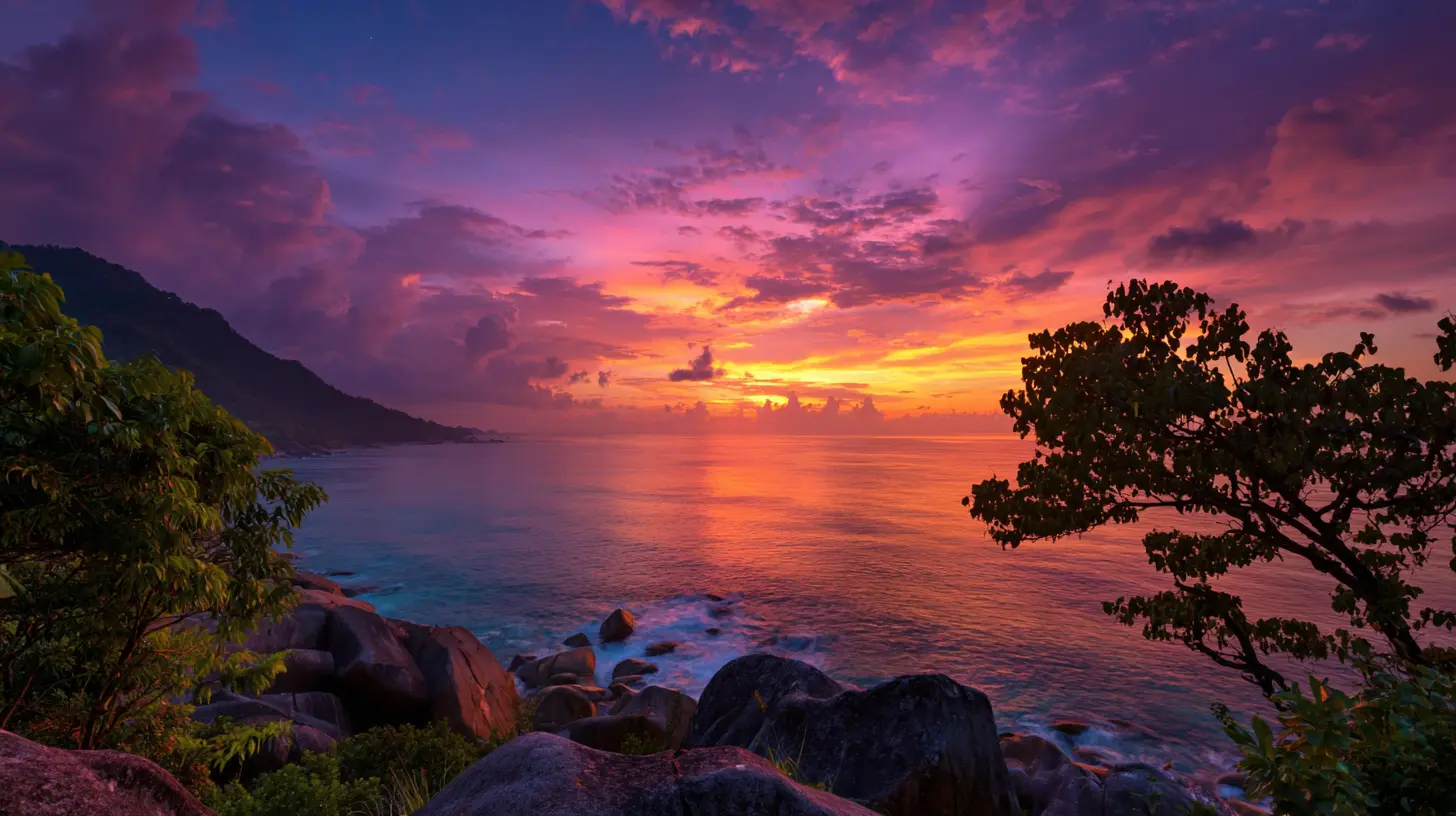
Let’s be honest—there’s something almost spiritual about watching the sun dip below the horizon. It’s like nature’s daily mic drop, a reminder that even the busiest day deserves a quiet, golden finale. But not all sunsets are created equal. Some are just “meh,” while others leave you speechless, scrambling for your camera while your jaw hangs open. In 2026, the travel world is buzzing with fresh spots that promise exactly that: picture-perfect views that’ll make your Instagram feed look like a postcard from heaven. Whether you’re a seasoned globetrotter or a weekend wanderer, I’ve got you covered. Let’s dive into the best sunset spots to visit in 2026, curated with a mix of iconic classics and hidden gems that’ll make your heart skip a beat.
Why 2026 Is the Year to Chase Sunsets
You might be thinking, “Why 2026? What’s so special about next year?” Well, for starters, travel trends are shifting. People are craving authentic, off-the-beaten-path experiences over crowded tourist traps. Sunsets are the perfect excuse to slow down, breathe, and connect with a place on a deeper level. Plus, with new eco-friendly travel initiatives and lesser-known destinations gaining traction, 2026 is shaping up to be the year we trade selfie sticks for sun-drenched memories. So, pack your sense of wonder (and a good pair of sunglasses), because we’re about to explore spots that’ll make you forget your Wi-Fi password.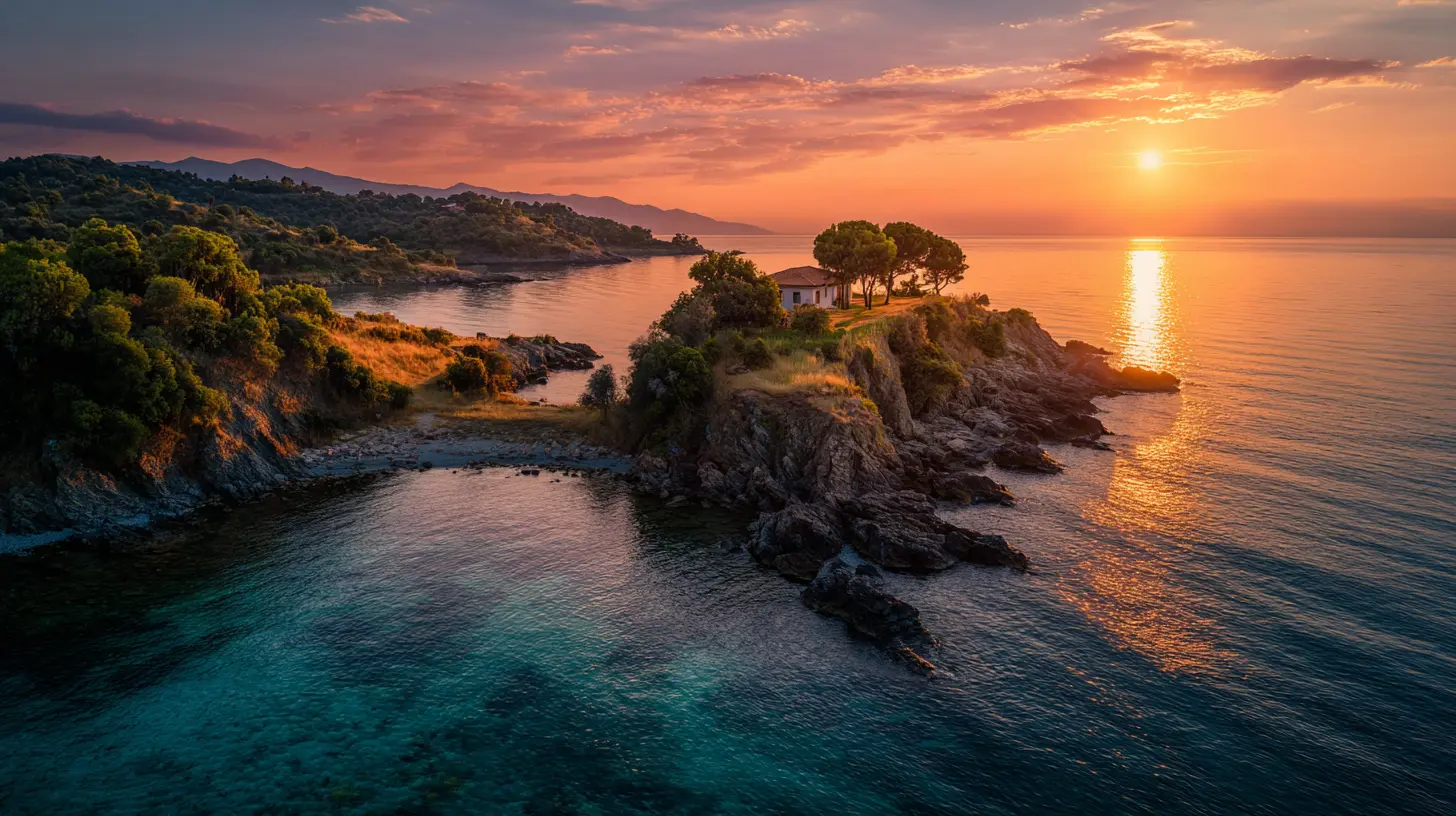
1. The Cliffs of Moher, Ireland – Where the Sky Meets the Sea
Picture this: you’re standing on a jagged cliff, 700 feet above the Atlantic, with the wind whipping through your hair. The sun, a fiery orange ball, slowly sinks into the ocean, painting the sky in shades of purple and pink. That’s the Cliffs of Moher in County Clare, Ireland. It’s not just a sunset spot; it’s a theatrical performance. In 2026, the cliffs are less crowded thanks to new timed-entry systems, so you can actually find a quiet nook to soak it all in.Why it works: The dramatic vertical drop creates a sense of scale that’s hard to beat. The waves crashing below add a soundtrack that’s both calming and exhilarating.
Pro tip: Arrive two hours before sunset and hike the coastal path to O’Brien’s Tower for a panoramic view. Bring a windbreaker—trust me, the Atlantic breeze doesn’t mess around.
Best time: Late May to early September, when daylight stretches into the evening.
2. Santorini, Greece – The Classic That Never Gets Old
Okay, I know what you’re thinking: “Santorini? Really? That’s so cliché.” But hear me out. Santorini’s sunset from Oia is iconic for a reason—it’s like the Beyoncé of sunsets: flawless every time. In 2026, though, skip the packed castle ruins and head to the lesser-known village of Imerovigli. It’s quieter, offers a more intimate vibe, and still gives you that postcard-worthy view of the caldera.Why it works: The white-washed buildings with blue domes reflect the golden light, creating a dreamy, almost surreal aesthetic. The volcanic backdrop adds a layer of drama that’s pure magic.
Pro tip: Book a sunset dinner at a cliffside taverna (try Anogi in Imerovigli) and order a glass of Assyrtiko wine. It’s like pairing a masterpiece with a perfect frame.
Best time: April to October, but September offers fewer crowds and warmer weather.
3. Haleakalā National Park, Maui – Sunrise? No, Sunset!
Most people flock to Haleakalā for sunrise, but the sunset here is the unsung hero. At 10,000 feet above sea level, you’re literally above the clouds. As the sun descends, the sky turns into a watercolor painting—pinks, oranges, and purples blending together like a cosmic smoothie. In 2026, the park has introduced a new reservation system that caps visitors, so you won’t be jostling with a hundred other tourists.Why it works: The altitude gives you a bird’s-eye view, and the volcanic crater below adds an otherworldly texture. It’s like watching the sun say goodbye from the edge of the Earth.
Pro tip: Dress in layers; it gets freezing at the summit even in summer. Bring a thermos of hot coffee and a blanket—this is a cozy moment, not a quick snap.
Best time: Year-round, but December to March offers clearer skies.
4. Salar de Uyuni, Bolivia – The Mirror of the Sky
Imagine standing on a salt flat that stretches for miles, with a thin layer of water reflecting the sky like a giant mirror. That’s Salar de Uyuni during the rainy season (December to April). The sunset here is surreal—it’s not just a view; it’s an optical illusion where the horizon disappears. In 2026, the area has improved its eco-tourism infrastructure, making it more accessible without sacrificing its raw beauty.Why it works: The reflection creates a perfect symmetry that’s almost hallucinogenic. It’s like walking through a dream where the sky and ground are one.
Pro tip: Visit during the full moon for a “moonrise” effect that’s equally stunning. Wear waterproof boots—the salt water can be chilly.
Best time: March and April, when the water level is just right.
5. The Amalfi Coast, Italy – A Sunset That Tastes Like Limoncello
The Amalfi Coast is a sensory overload in the best way possible. As the sun sets over the Tyrrhenian Sea, the pastel-colored villages of Positano and Ravello glow like jewels. In 2026, skip the crowded beaches and hike the Path of the Gods (Sentiero degli Dei) for a sunset view that’ll make you feel like you’re in a Renaissance painting.Why it works: The combination of terraced vineyards, lemon groves, and the shimmering sea creates a palette that’s both vibrant and serene. It’s like a love letter from Mother Nature.
Pro tip: Pack a picnic with local cheese, bread, and a bottle of Falanghina wine. Find a spot near the village of Nocelle for a less touristy angle.
Best time: June to September, but May offers wildflowers and lighter crowds.
6. Uluru (Ayers Rock), Australia – The Red Heart’s Farewell
Uluru is sacred to the Anangu people, and watching the sunset here feels like witnessing a ceremony. The massive sandstone monolith changes color from ochre to deep purple, then to a fiery red that seems to pulse with life. In 2026, the park has added new guided walks that share Indigenous stories, adding depth to the experience.Why it works: The sheer size of Uluru (1,142 feet tall) makes the sky feel infinite. The color shift is hypnotic—it’s like watching a giant chameleon say goodnight.
Pro tip: Book a sunset tour with a local Aboriginal guide to learn about the Dreamtime stories. Avoid the main viewing platform; head to the Talinguru Nyakunytjaku viewing area for a quieter spot.
Best time: April to August, when temperatures are milder.
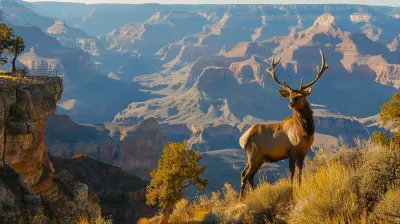
7. The Grand Canyon, USA – A Geological Masterpiece
The Grand Canyon is already a bucket-list destination, but its sunset is a whole different beast. As the sun drops, the canyon walls turn shades of gold, red, and bronze, with shadows that stretch like fingers across the chasm. In 2026, the South Rim has implemented a new shuttle system that reduces traffic, making it easier to find a spot at Mather Point or Yavapai Observation Station.Why it works: The scale is humbling—you’re staring at 2 billion years of geological history. The light plays tricks on the rock layers, creating a 3D effect that photos can’t capture.
Pro tip: Arrive early and hike the South Kaibab Trail for a mile or two to get a unique perspective. Bring a headlamp for the walk back in the dark.
Best time: September and October, when the air is crisp and the crowds thin out.
8. Bora Bora, French Polynesia – Tropical Paradise, Elevated
Bora Bora is synonymous with luxury, but you don’t need a five-star resort to enjoy its sunset. Head to Matira Beach, a public spot that offers unobstructed views of Mount Otemanu. The sun sets behind the peak, casting a golden halo that’s straight out of a fantasy novel. In 2026, the island has launched a new conservation program, so your visit supports coral reef restoration.Why it works: The turquoise lagoon and palm-fringed shores create a tropical cliché that somehow feels fresh. It’s like a warm hug from the South Pacific.
Pro tip: Rent a kayak and paddle out to a sandbar for a 360-degree view. Don’t forget reef-safe sunscreen—your skin and the coral will thank you.
Best time: May to October, during the dry season.
9. The Sahara Desert, Morocco – A Sea of Sand and Light
The Sahara Desert at sunset is pure poetry. The dunes of Erg Chebbi near Merzouga turn into a sea of gold, with shadows that ripple like waves. In 2026, eco-lodges have popped up that offer glamping experiences, so you can enjoy a mint tea while watching the sun melt into the sand.Why it works: The silence is deafening—in a good way. The vastness makes you feel small, but in a comforting, humbling manner. It’s like the universe is whispering secrets.
Pro tip: Stay overnight in a Berber camp to see the stars after sunset. The Milky Way here is so bright, it’ll ruin you for city skies.
Best time: October to April, when temperatures are bearable.
10. Kyoto, Japan – A Sunset Steeped in Tradition
Kyoto’s sunset is subtle, not flashy. Think cherry blossoms (in spring) or fiery maple leaves (in autumn) silhouetted against a soft orange sky. The Arashiyama Bamboo Grove is a popular spot, but for a sunset that feels like a secret, visit the Kiyomizu-dera Temple. The wooden terrace offers views of the city as the sun dips behind the hills.Why it works: The blend of nature and ancient architecture creates a meditative atmosphere. It’s like watching a haiku come to life.
Pro tip: Go on a weekday to avoid crowds. After sunset, explore the lantern-lit streets of the Higashiyama district—it’s magical.
Best time: Late March to early April (cherry blossoms) or mid-November (autumn colors).
11. Torres del Paine, Chile – Patagonia’s Grand Finale
Patagonia is a land of extremes, and its sunset is no exception. In Torres del Paine National Park, the iconic granite peaks catch the last light, turning a fiery orange against a deep blue sky. In 2026, the park has improved its trail system, making it easier to reach the Grey Glacier viewpoint.Why it works: The raw, untamed wilderness makes every sunset feel like a victory. It’s like the Earth’s last roar before nightfall.
Pro tip: Stay at the EcoCamp Patagonia for a sustainable experience. Bring a sturdy tripod for long-exposure shots of the peaks.
Best time: November to March (Patagonian summer).
12. The Maldives – Overwater Bungalow Bliss
The Maldives is synonymous with luxury, but its sunsets are for everyone. From a simple beach at a local island (like Maafushi) to a resort overwater bungalow, the view is consistently stunning. In 2026, many resorts have introduced “sunset yoga” sessions on the deck—a perfect way to unwind.Why it works: The endless Indian Ocean creates a horizon that feels infinite. The colors are so vivid, they almost look fake—like a filter you didn’t apply.
Pro tip: Book a sunset dolphin cruise; the dolphins often put on a show as the sun goes down.
Best time: December to April (dry season).
13. The Scottish Highlands – A Mystical Twilight
The Scottish Highlands are moody, dramatic, and utterly romantic. For a sunset that feels like a scene from Outlander, head to the Isle of Skye. The Old Man of Storr or the Quiraing offer panoramic views of jagged peaks and misty lochs. In 2026, the island has launched a “slow travel” initiative to reduce overtourism.Why it works: The ever-changing weather adds an element of surprise—one moment it’s cloudy, the next, the sun breaks through like a spotlight.
Pro tip: Wear waterproof gear and sturdy boots. The midges are relentless in summer, so bring repellent.
Best time: May to September, but September offers the best balance of weather and fewer tourists.
14. Bali, Indonesia – The Island of Gods, Golden Hour
Bali is a sunset lover’s paradise, but skip the crowded beaches of Kuta. Instead, head to Uluwatu Temple, perched on a cliff 230 feet above the ocean. The sunset here is a cultural experience—you can watch a traditional Kecak fire dance as the sun dips into the sea.Why it works: The combination of ancient temple, crashing waves, and rhythmic chanting creates a multisensory experience. It’s like a spiritual recharge.
Pro tip: Arrive early to secure a good spot for the dance performance. Bring a sarong (required for temple entry).
Best time: April to October (dry season).
15. The Faroe Islands – Nature’s Raw Edge
The Faroe Islands are a hidden gem for sunset chasers. The village of Gásadalur, with its famous waterfall plunging into the ocean, is a photographer’s dream. In 2026, the islands have improved their hiking trails, making it easier to reach remote viewpoints.Why it works: The rugged, windswept landscape adds a sense of adventure. The sunsets here are often soft and ethereal, thanks to the mist.
Pro tip: Check the weather forecast religiously—the Faroes change moods every 10 minutes. A polarizing filter for your camera lens helps cut through the haze.
Best time: June to August, when the days are long.
How to Capture the Perfect Sunset (Without Ruining the Moment)
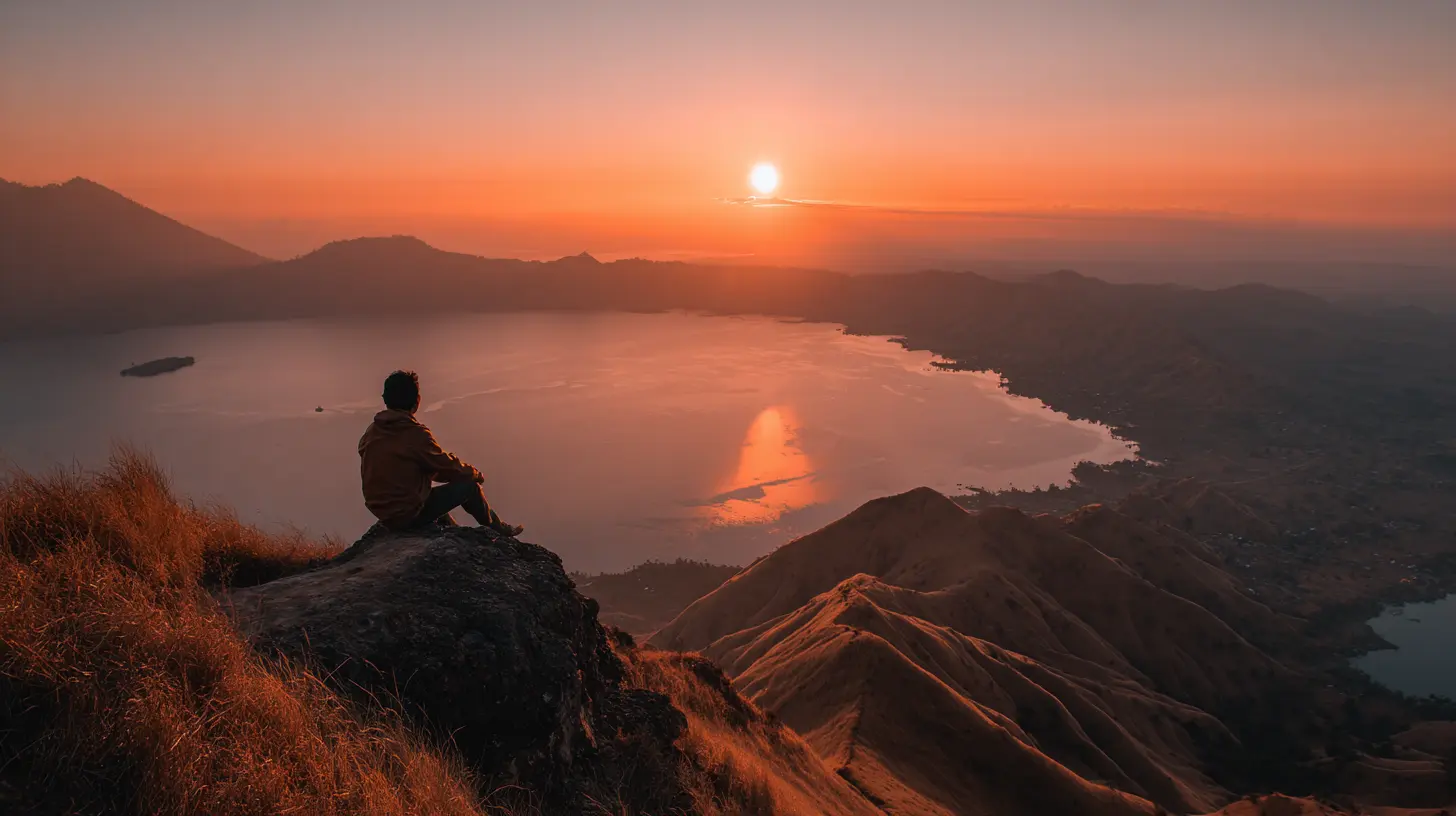
Okay, I get it—you want that Instagram-worthy shot. But here’s the thing: the best sunset photos come from being present, not obsessed with gear. Use a tripod for stability, shoot in RAW for editing flexibility, and experiment with silhouettes. But don’t forget to look up. The sky is the real star, not your camera.Pro tip: Use the “golden hour” rule—the 30 minutes before sunset and 30 minutes after. The light is soft, warm, and forgiving. And please, don’t be that person who watches the entire sunset through a phone screen. You’ll regret it.
Final Thoughts: Sunsets Are Free Therapy
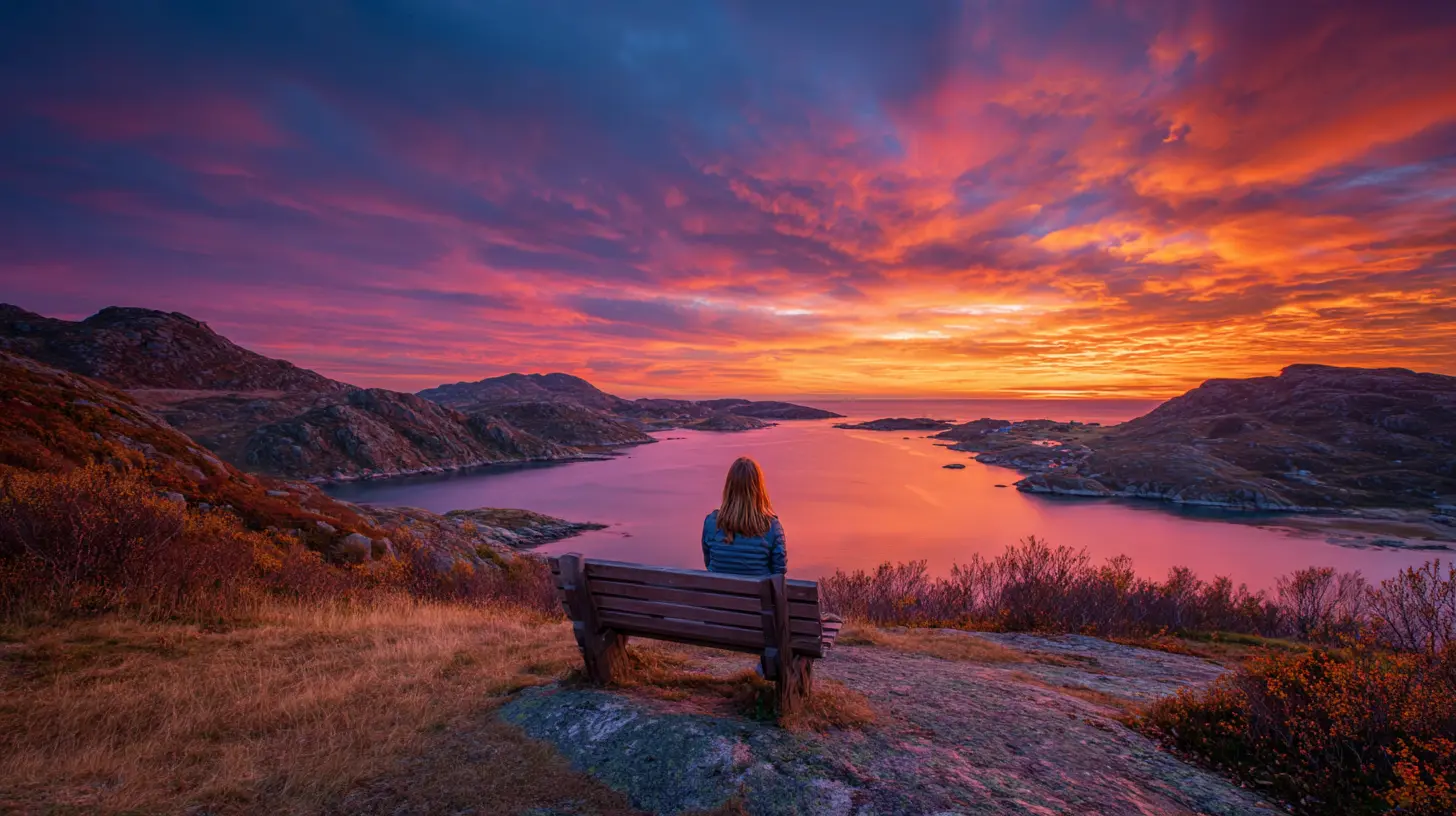
In 2026, the world is yours to explore. These sunset spots aren’t just destinations; they’re moments that’ll stay with you long after the colors fade. Whether you’re standing on a cliff in Ireland or a salt flat in Bolivia, remember: the sun sets to rise again. So go ahead, chase that golden glow, and let the sky do the talking. After all, there’s no better way to end a day than with a front-row seat to nature’s greatest show.
all images in this post were generated using AI tools
Category:
Sunset SpotsAuthor:

Reed McFadden
Discussion
rate this article
1 comments
Susan Sanchez
These spots will surely capture your heart...
May 11, 2026 at 3:07 PM
Reed McFadden
Absolutely! Each spot offers a unique charm that makes sunset moments unforgettable.