A Comprehensive Guide to Staying Safe in Crowded Tourist Spots
29 January 2026
Traveling is one of the best ways to experience new cultures, meet fascinating people, and create unforgettable memories. However, when visiting popular tourist destinations, safety should always be a top priority. Crowded places can be magnets for pickpockets, scams, and even more serious threats.
So, how do you ensure a fun and stress-free trip while keeping yourself and your belongings safe? In this guide, we’ll dive into practical safety tips that every traveler should follow when navigating bustling tourist hotspots. 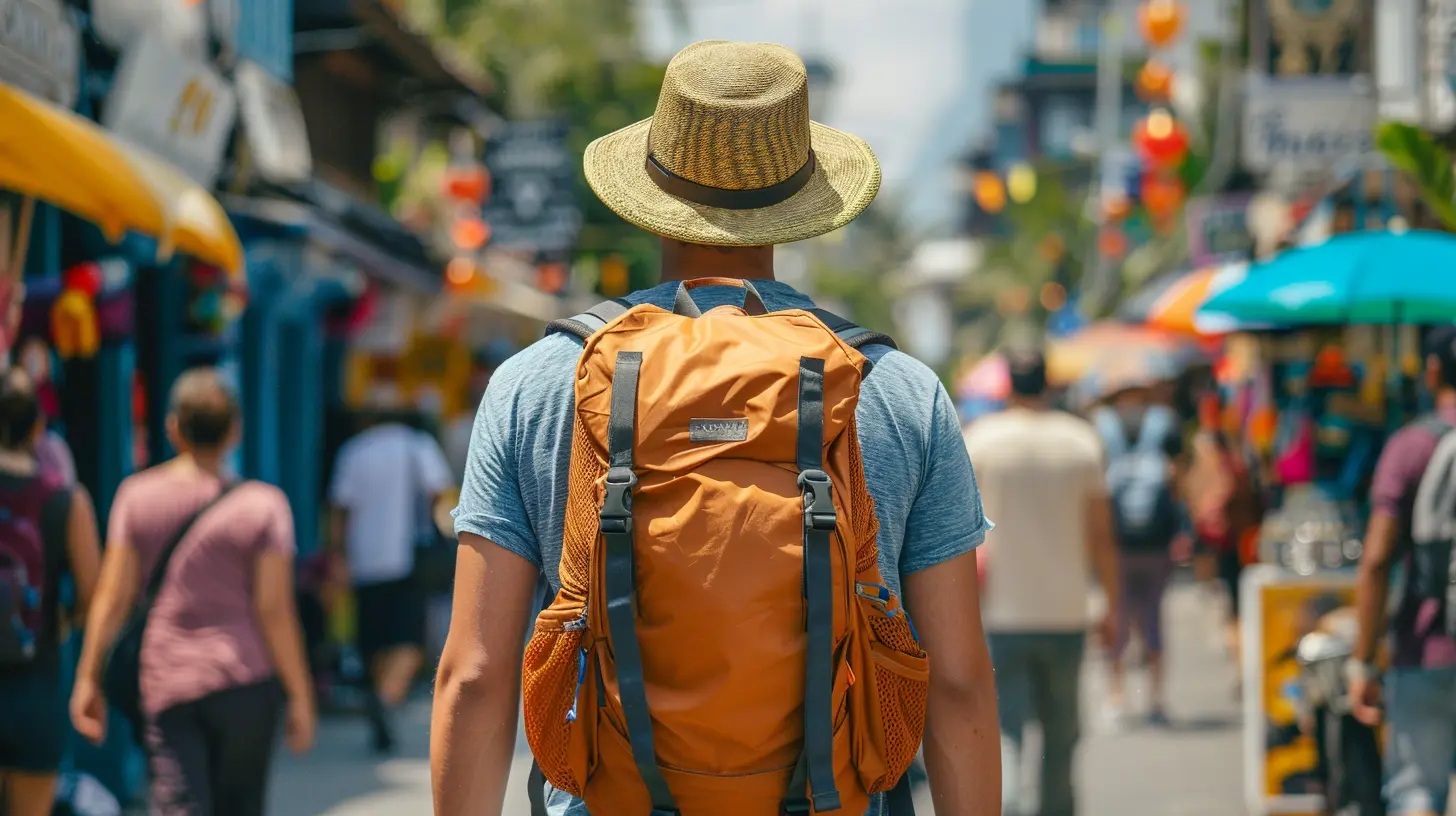
Why Safety Matters in Crowded Tourist Areas
Tourist-heavy locations—think Times Square, the Eiffel Tower, or the Colosseum—draw thousands of people daily. While these places offer fantastic experiences, they also come with risks:- Pickpockets thrive in crowded areas
- Scammers target unsuspecting tourists
- Overcrowding can lead to accidents or stampedes
- Health risks increase in packed spaces
With that in mind, let’s break down the best ways to stay vigilant and safe while enjoying your travels. 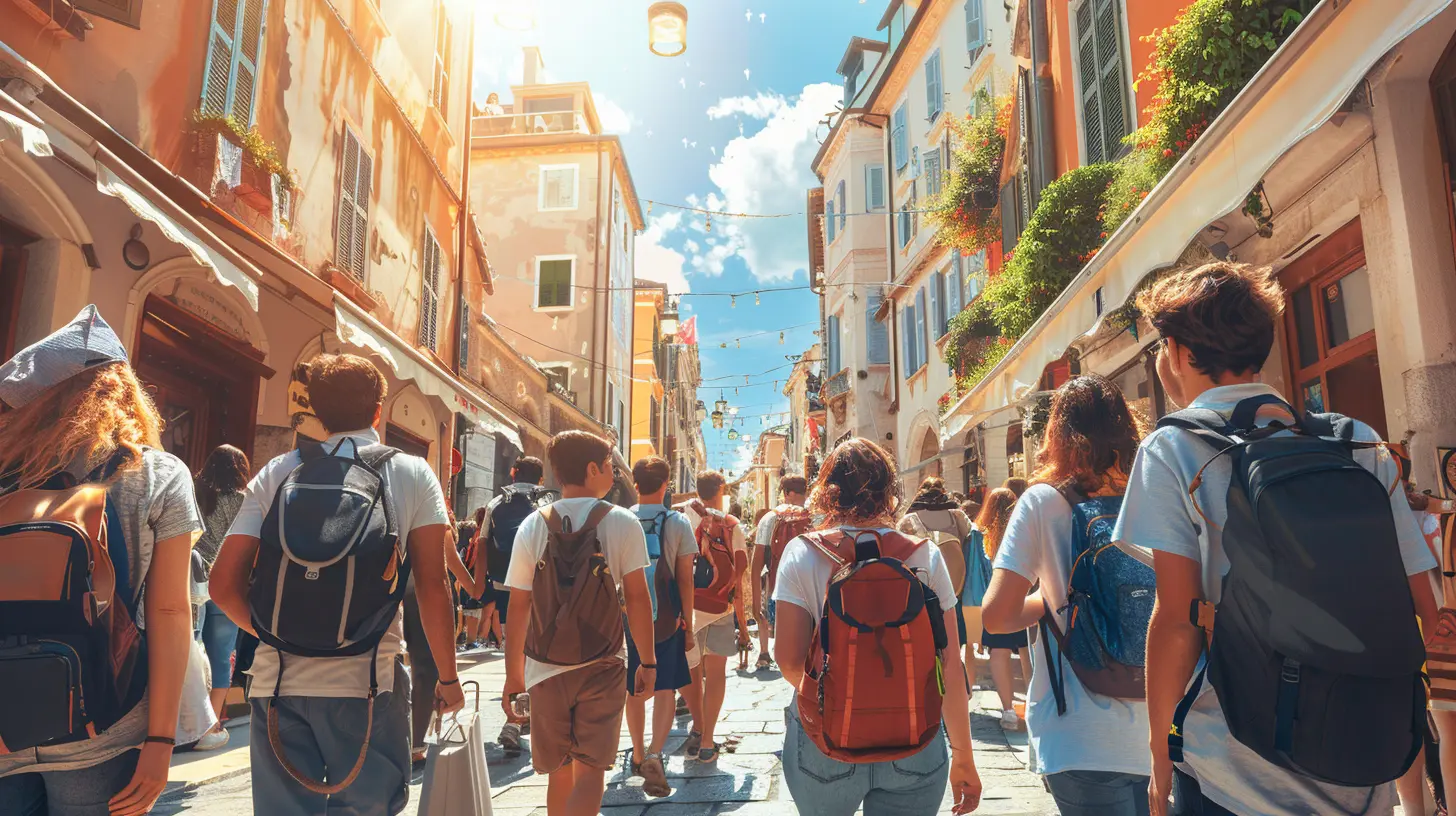
1. Stay Alert and Aware of Your Surroundings
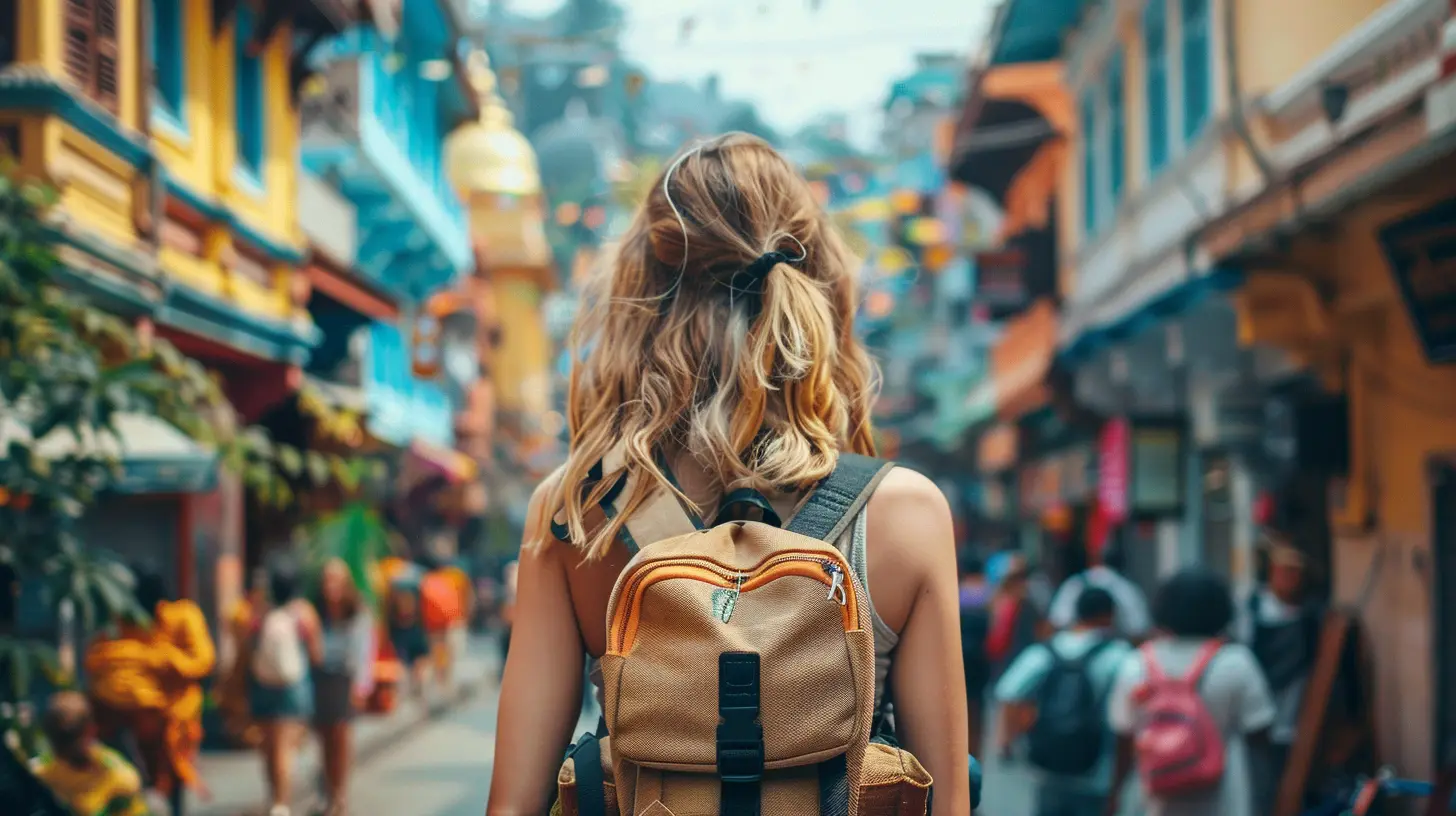
The number one rule of staying safe in crowded places? Always be aware of what’s happening around you. It’s easy to get distracted by the sights, street performers, or even your phone, but that’s exactly when trouble can strike.How to Stay Alert in a Crowd:
✔ Keep your phone in your pocket instead of constantly checking it.✔ Walk confidently and avoid looking lost—even when you are.
✔ Be mindful of anyone getting too close without reason.
✔ Trust your instincts; if something feels off, move away.
2. Protect Your Belongings from Pickpockets
Pickpockets are professionals—seriously. They work in teams, use clever distractions, and can lift your valuables in seconds without you realizing it.Tips to Avoid Pickpockets:
🎒 Use anti-theft bags – Crossbody bags with zippers are your best friend. Even better if they have RFID-blocking features.👖 Keep valuables in zipped pockets – Avoid storing essentials in back pockets; use inner ones instead.
💰 Carry only what you need – Leave extra cash, cards, and important documents locked in your hotel safe.
🖐 Use a money belt – These discreet pouches are hidden under clothing, making theft nearly impossible.
> Pro Tip: If someone spills something on you (like ketchup or coffee), be cautious! It’s a common tactic to distract you while an accomplice steals your belongings. 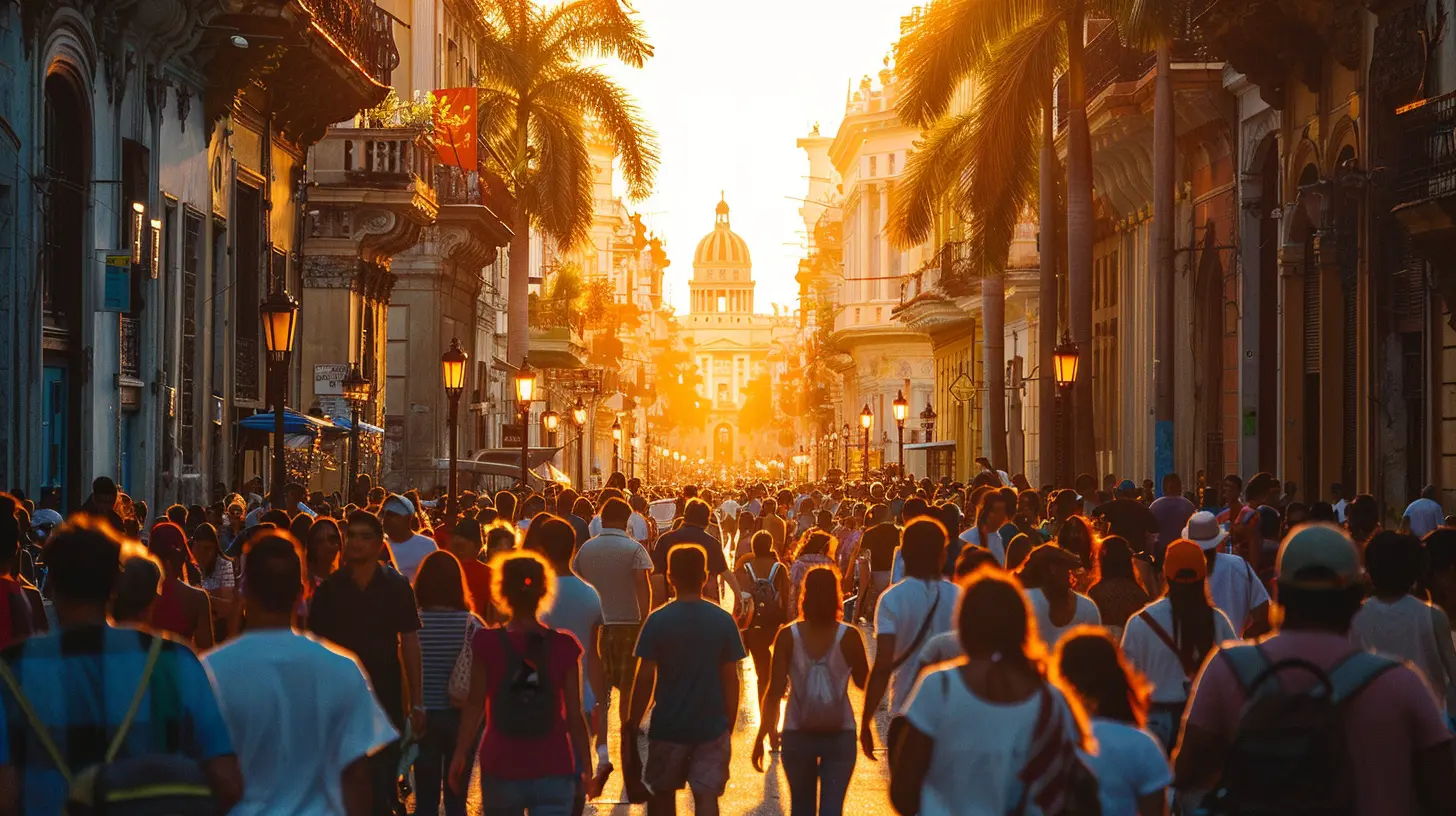
3. Beware of Scams Targeting Tourists
Scammers are always coming up with new tactics to target travelers. Whether it's overcharging for items or fake petitions, staying informed is key to avoiding trouble.Common Tourist Scams & How to Avoid Them
- Friendship Bracelets Scam – A stranger ties a bracelet on you and demands payment. How to avoid it? Politely but firmly refuse.- Fake Petitions – Someone asks you to sign a petition and then pressures you for a donation. Simply walk away.
- Overpriced Taxi Fares – In some places, taxi drivers refuse to use a meter and overcharge tourists. Always agree on a price beforehand or use reputable ride-hailing apps.
- ATM Skimming – Criminals install devices on ATMs to steal your card info. Use ATMs inside banks whenever possible.
> Stay Smart – If something sounds too good to be true (like a ridiculously cheap tour), it probably is.
4. Avoid Flashy Displays of Wealth
Wearing designer watches, expensive jewelry, or carrying luxury handbags can make you a target. You don’t want to broadcast your wealth in a place where thieves are on the lookout for easy victims.How to Blend In & Stay Low-Key:
👕 Dress like a local – Avoid overly touristy outfits with big cameras around your neck.📱 Keep gadgets tucked away – Only take out your phone or camera when necessary.
💳 Use a travel-friendly wallet – Consider a simple, unassuming wallet without excess cash.
5. Have a Plan in Case of an Emergency
Whether it's getting lost or encountering a dangerous situation, having a plan beforehand can make all the difference.Steps to Stay Prepared:
📍 Know emergency numbers – Save local emergency contacts before your trip.📜 Carry hotel details – Always have your accommodation’s name and address written down.
📲 Use offline maps – Download Google Maps offline in case you lose service.
☎ Have a trusted contact – Keep a friend or family member updated on your whereabouts.
> Rule of Thumb: If you're in trouble, head to the nearest police station or seek assistance from reputable businesses (hotels, banks, etc.).
6. Be Mindful of Your Health & Hygiene
Beyond theft and scams, crowded places can also pose serious health risks. Close contact with others increases the chance of catching colds, flu, or other illnesses.Keeping Safe & Healthy in Crowds:
🧴 Use hand sanitizer – After touching public surfaces, a quick clean-up helps prevent germs.😷 Consider wearing a mask – Especially in congested areas, it offers an extra layer of protection.
🚰 Stay hydrated – Dehydration can creep up fast, particularly in warm climates.
> Quick Tip: If you're feeling overwhelmed in a crowded area, step into a nearby café or rest spot to regroup.
7. Travel With a Companion (If Possible)
Solo travel is amazing, but there’s strength in numbers. When possible, travel with a friend or join a tour group.Why It’s Safer to Travel with Someone:
- You have an extra set of eyes looking out for scams and dangers.- It’s harder for pickpockets to target two people moving together.
- If something happens, you have immediate support.
> But What If You’re Solo? – Stay connected. Let someone know your itinerary, share your location when exploring, and avoid isolated spots at night.
8. Know the Culture & Local Laws
What’s acceptable in one country might not be in another. Understanding local customs and laws can help you avoid unnecessary trouble.Key Things to Research Before Your Trip:
☑ Dress codes – Some religious sites require covered shoulders and knees.☑ Laws on photography – Some places prohibit taking pictures of government buildings.
☑ Common hand gestures – A thumbs-up may be friendly in one country but offensive in another.
> Pro Tip: Download a basic translation app or carry a phrasebook to communicate better in case of confusion.
9. Avoid Large Gatherings or Protests
It might be tempting to check out a street protest or an unexpected gathering, but these events can turn chaotic quickly. Crowds can become unpredictable, and in some cases, violent.What to Do If You Get Caught in a Protest:
⚠ Stay on the outskirts and avoid the center of the crowd.⚠ Keep an eye out for exit routes.
⚠ Walk away from the crowd rather than through it.
⚠ If law enforcement gets involved, follow their instructions and move to safety.
> Remember: Being in the wrong place at the wrong time can escalate a simple situation into something more serious.
Final Thoughts
Tourist spots can be exciting, vibrant, and full of life—but they also require a level of awareness and caution. Keeping your belongings safe, avoiding tourist scams, and staying mindful of your surroundings will go a long way in protecting you on your travels.At the end of the day, traveling safely comes down to common sense and preparation. Stay aware, trust your instincts, and most importantly, enjoy your adventure!
all images in this post were generated using AI tools
Category:
Travel SafetyAuthor:

Reed McFadden
Discussion
rate this article
2 comments
Runehart Carey
This guide is essential; however, it could further address the psychological impact of crowds on travelers and strategies for managing anxiety.
February 25, 2026 at 4:56 AM
Reed McFadden
Thank you for your feedback! I appreciate your suggestion and will consider incorporating insights on the psychological impact of crowds and anxiety management strategies in future updates.
Starla McCabe
Remember, in crowded tourist spots, personal space is like a mythical creature—often spoken of but rarely seen. Embrace your new friends (a.k.a. strangers) and perfect your ninja skills for dodging selfie sticks!
January 30, 2026 at 4:38 AM
Reed McFadden
Absolutely! Navigating crowded areas requires both awareness and agility. Stay safe, stay alert, and enjoy the adventure!