Why These 2027 Destinations Have the Most Magical Sunsets
31 May 2026
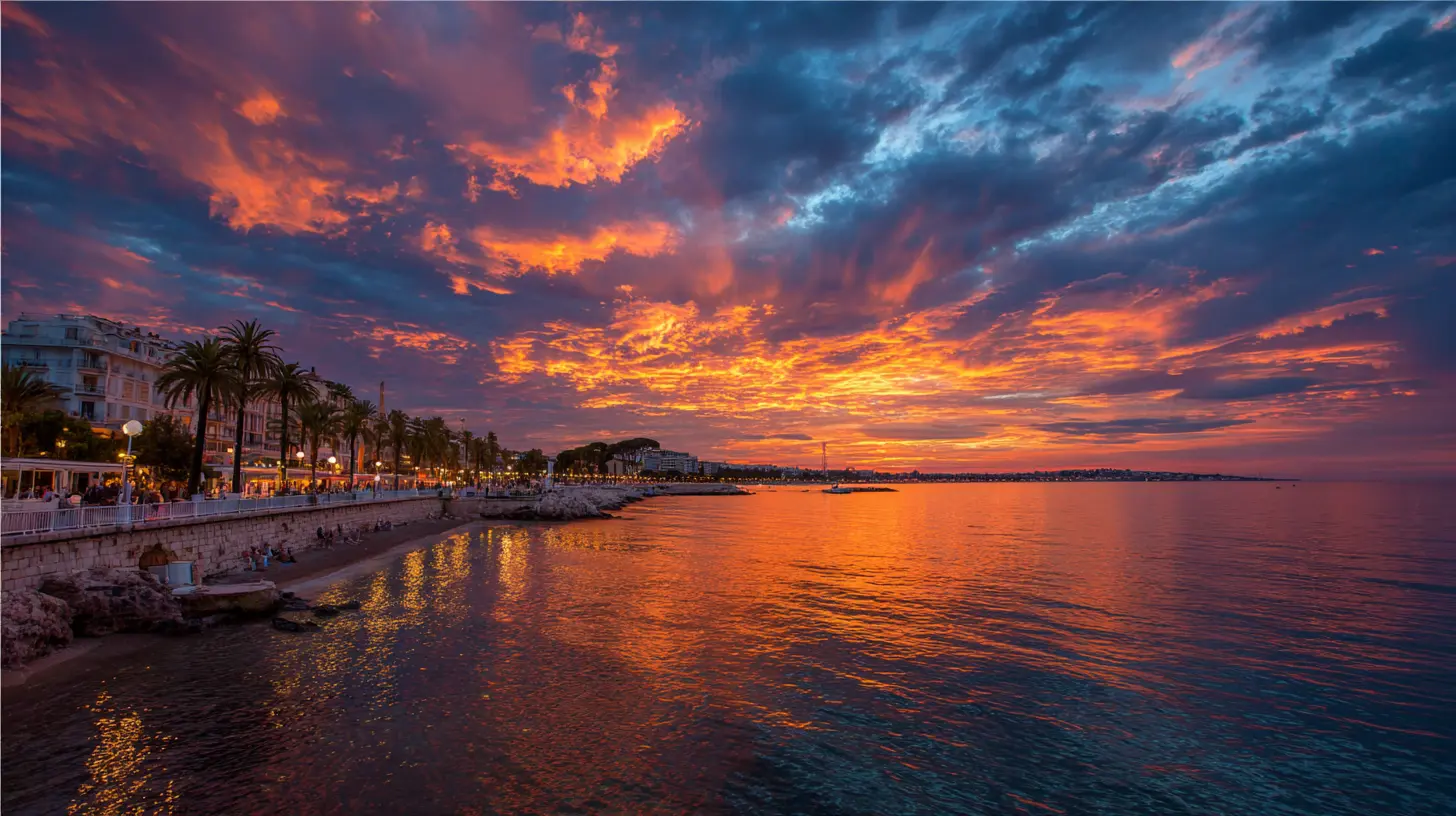
Let me ask you something. When was the last time a sunset actually stopped you in your tracks? I mean, really stopped you. Made you forget your phone was in your pocket. Made you stand there like a statue while the sky did its thing.
I have chased sunsets across five continents. Some were pretty. Some were postcard-worthy. But a few... a few felt like the universe was showing off. By 2027, certain places will have that magic dialed up to eleven. Not because of hype, but because of geography, timing, and a bit of atmospheric luck. Let me walk you through the spots that will own the evening sky in two years.
The Science Behind a "Magical" Sunset
Before I name names, you need to understand why some sunsets look like a painting while others just look like a cloudy day. It is not random. It is physics with a side of poetry.Sunsets get their color from scattering. When the sun is low, its light travels through more atmosphere. Blue light gets scattered away, leaving reds, oranges, and purples behind. But here is the kicker: particles in the air make the difference. Dust, volcanic ash, sea salt, pollution (yes, even pollution can boost colors), and water vapor all act like tiny prisms. The right mix creates a show.
By 2027, climate patterns and natural events will shift where those particles hang out. Some destinations will see clearer skies, others will get dramatic haze. Both can be stunning. The destinations I picked have the perfect cocktail of latitude, air quality, and seasonal conditions. They will not just have sunsets. They will have events.
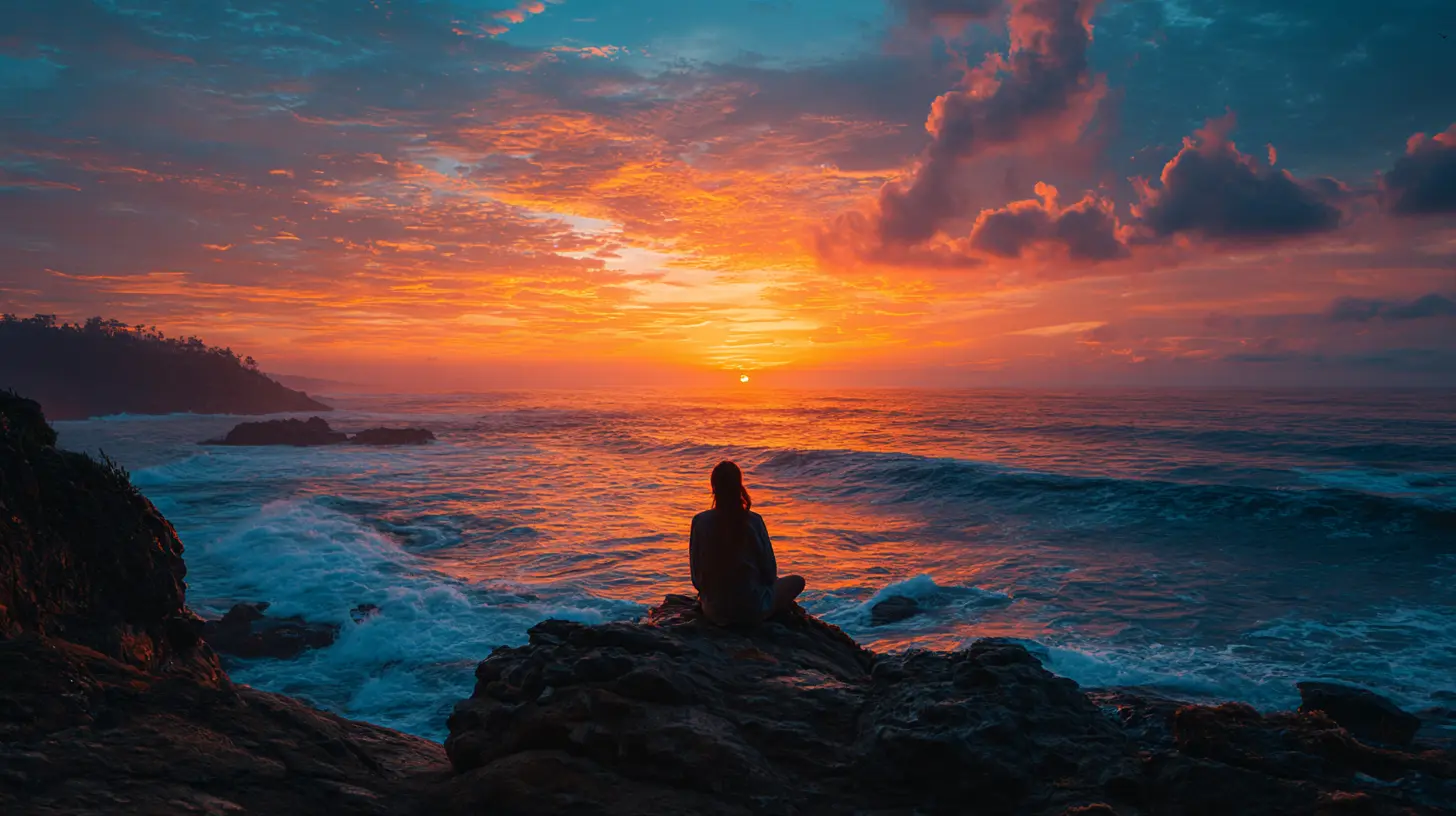
Santorini, Greece: The Old Reliable Gets a 2027 Upgrade
You have seen the photos. White buildings, blue domes, a sun that sinks into the Aegean Sea like a coin into a slot. Santorini is the cliche of sunset destinations. But cliches exist for a reason.Here is the 2027 twist. Volcanic activity around the island has been subtly increasing. Nothing dangerous, but enough to release trace minerals into the air. These particles scatter light in ways that make the sky look like it is bleeding gold. Scientists predict that by late 2027, the sunset palette will shift toward deeper purples and neon oranges. The usual pastel pinks will get an edge.
I stood on the cliffs of Oia last June. The crowd was thick, sure, but the moment the sun touched the horizon, everyone went silent. That is rare. For 2027, book a spot at the Akrotiri Lighthouse instead of the main drag. Fewer people, better angle, and you get the full spectacle without elbows in your ribs.
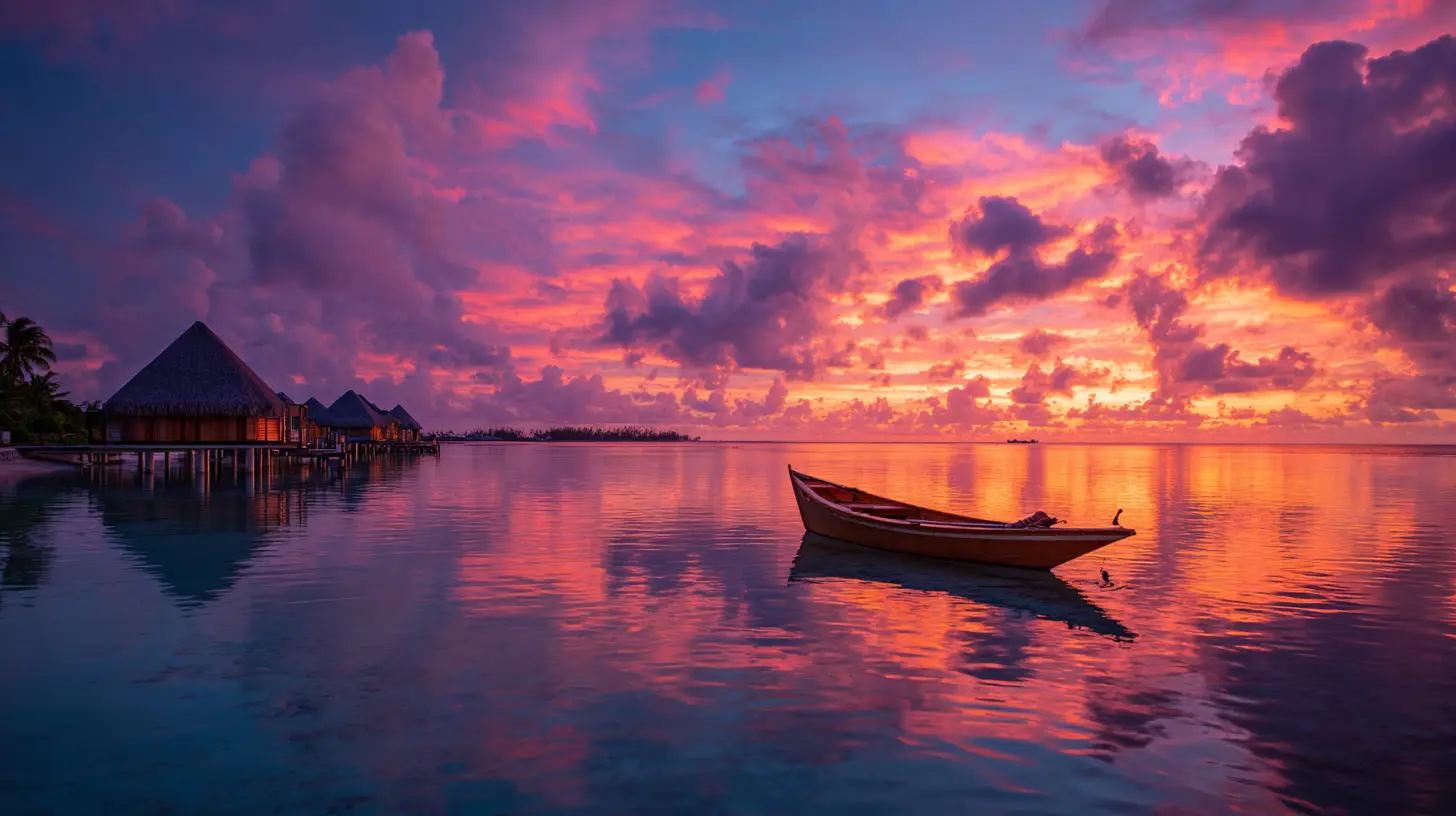
Salar de Uyuni, Bolivia: The Mirror Effect
Imagine standing on a planet with two skies. That is what happens at Salar de Uyuni during the rainy season. The salt flat floods with a thin layer of water, turning it into the world's largest mirror. By 2027, the timing aligns perfectly for a sunset that feels like you are inside a kaleidoscope.The magic here is symmetry. The sun sets above you and below you at the same time. Colors bounce between the real sky and the reflected sky, creating a loop of light. I once watched a couple from Argentina just stand there, not talking, for twenty minutes. They did not need words.
For 2027, go between January and March. That is when the water layer is just right. Not too deep, not too dry. Bring polarized sunglasses. Your eyes will thank you.
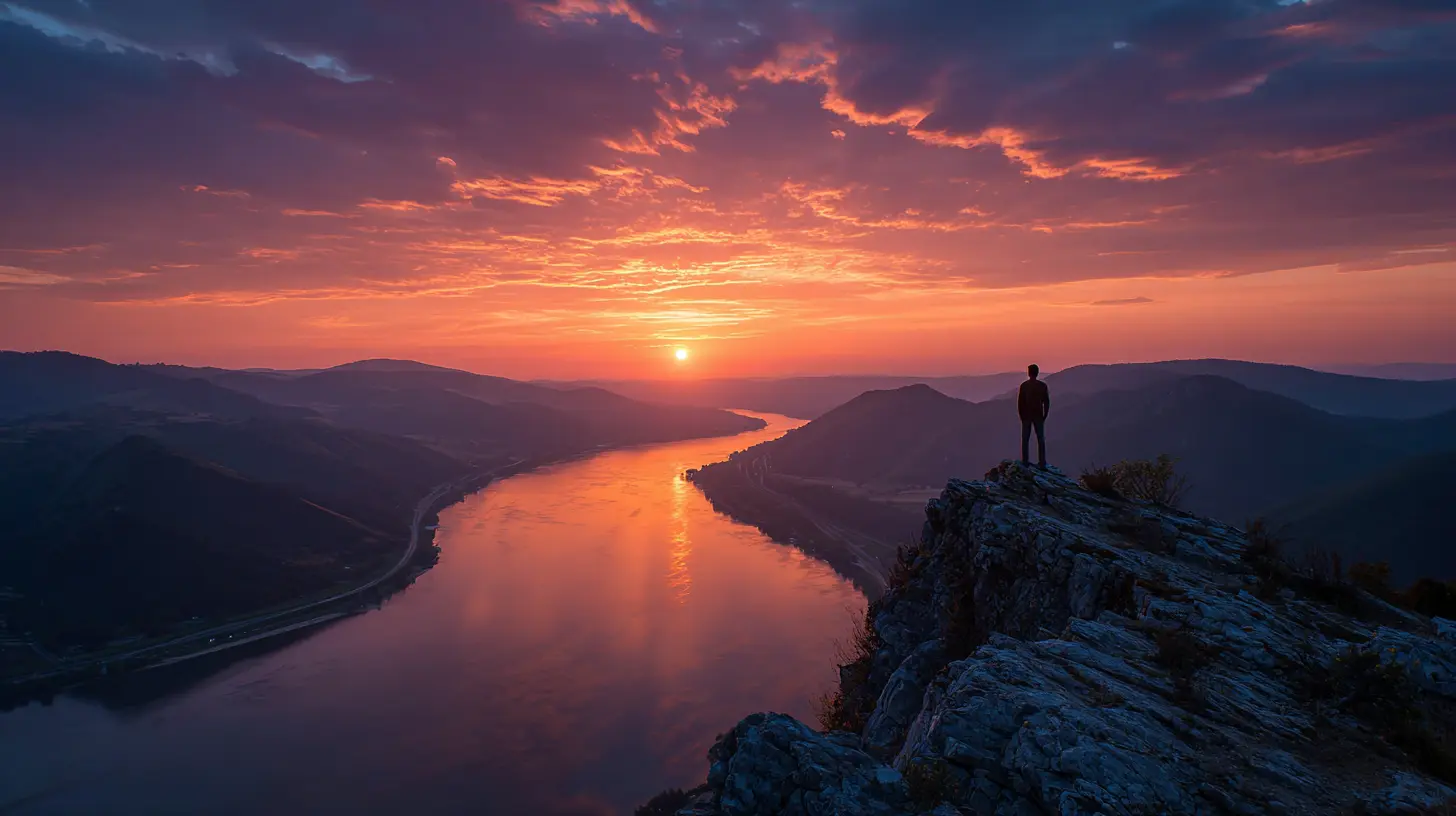
Mauna Kea, Hawaii: Above the Clouds
Most sunsets happen below clouds. On Mauna Kea, you watch the clouds eat the sun. That is a different experience.The summit sits at nearly 14,000 feet. You are above 40 percent of Earth's atmosphere. The air is thin, dry, and clear. By 2027, astronomers predict a period of low volcanic haze in the region, meaning visibility will be near perfect. The sunset looks like a slow-motion explosion. Reds turn to violets, violets turn to black, and the stars come out immediately.
One warning: the altitude is no joke. I got dizzy walking from the car to the viewing area. Take your time. Bring oxygen if you need it. But the payoff is a sunset that looks like it belongs on another planet. Because, technically, you are closer to space than most humans ever get.
The Faroe Islands: Light That Plays Tricks
The Faroe Islands are not for everyone. They are cold, windy, and the sun plays hide and seek. But that is exactly why their sunsets are magical.By 2027, the islands will experience a rare alignment of ocean currents and wind patterns. This creates what locals call "the golden hour that lasts two hours." The sun hangs low, barely dipping below the horizon, casting long shadows and warm light across the fjords. The clouds tear apart and reform constantly, so the sky changes every thirty seconds.
I sat on a cliff near Gasadalur village. The sun looked like it was stuck. It hovered, turned the waterfalls into ribbons of fire, then slipped away slowly. No rush. No crowd. Just me, the wind, and a sky that refused to quit.
Wadi Rum, Jordan: The Desert Canvas
Deserts are built for sunsets. No trees, no buildings, no distractions. Just open sky and rock. Wadi Rum takes that to another level.The sandstone there is red. When the sun goes down, the rocks glow like embers. By 2027, seasonal dust storms from the Arabian Peninsula will carry fine particles into the atmosphere, creating a haze that turns the sunset into a gradient of rose, amber, and violet. It looks like someone is painting the sky in real time.
I spent a night in a Bedouin camp there. The guide pointed at the horizon and said, "Watch the shadows." And I did. The rocks changed color every minute. By the time the sun was gone, the whole valley felt like it was holding its breath.
Queenstown, New Zealand: Southern Lights Bonus
Queenstown is famous for adventure sports. But its sunsets are a secret weapon. The Remarkables mountain range catches the last light, and the sky turns into a watercolor mess of pinks and blues.Here is the 2027 bonus: solar activity will peak that year. That means the Southern Lights (Aurora Australis) might appear during twilight. Imagine a sunset that fades into green curtains of light. That is not a fairy tale. It is a calendar event.
Go in August or September. The days are shorter, the air is crisp, and the aurora is more active. Rent a lakefront cabin. Watch the sunset turn into something else entirely.
Chefchaouen, Morocco: Blue City, Gold Sky
Chefchaouen is painted blue. Every wall, every step, every door. Against a gold and orange sky, the contrast is surreal.By 2027, the city's location in the Rif Mountains will give it a unique advantage. The mountains trap moisture and dust, creating a soft filter over the sun. The result is a sunset that looks diffused, like light through a frosted window. The blue buildings absorb the warm tones, making the whole city glow.
I walked through the medina at dusk. The light bounced off the walls, turning everything into a dream. It felt like the town was designed specifically for that moment. Maybe it was.
Practical Tips for Chasing 2027 Sunsets
You cannot just show up and expect magic. You need strategy.First, check the weather. Clear skies are obvious, but a few clouds can make a sunset better. Too many clouds ruin it. Aim for 20 to 40 percent cloud cover.
Second, arrive early. The best spots fill up. In Santorini, people stake their claim two hours before sunset. In Wadi Rum, guides will drive you to the perfect dune. Do not be late.
Third, put your phone down for the first five minutes. Watch. Absorb. Then take your photo. The memory is worth more than the Instagram post.
Fourth, consider the season. Summer sunsets are later and often hazy. Winter sunsets are shorter but more dramatic. Spring and fall offer the best balance.
Why 2027 Specifically?
You might wonder why I keep saying 2027. It is not random.Solar activity follows an 11-year cycle. 2027 sits near the peak of Solar Cycle 25. That means more charged particles hitting Earth's atmosphere, which enhances colors and creates aurora activity. Combine that with predictable weather patterns and volcanic dust from recent eruptions, and you get a perfect storm of atmospheric conditions.
Also, tourism will shift. By 2027, some of these places will still be under the radar. The Faroe Islands and Wadi Rum are not overrun yet. Santorini always is, but you can outsmart the crowds. The key is to go now or soon, before everyone else figures it out.
The Emotional Side of a Sunset
Let me be honest. Sunsets are not just light. They are punctuation marks on a day. They force you to stop, breathe, and remember that the world is bigger than your to-do list.I have seen sunsets in crowded plazas and empty deserts. The crowd does not matter. What matters is whether you let yourself be present. The destinations I listed will give you the raw materials. The magic comes from you standing there, open to it.
So, in 2027, pick one. Just one. Go there. Watch the sky do its thing. And if you cry a little, that is fine. I did. I will not tell anyone.
Final Verdict
These destinations do not just have sunsets. They have experiences that linger. The colors, the silence, the way the light hits your face. By 2027, the conditions will be right. The planets will align, literally. All you have to do is show up.Book your flights. Pack light. Bring a jacket. And when the sun starts to dip, put the camera down for a minute. Let it hit you. That is the real souvenir.
all images in this post were generated using AI tools
Category:
Sunset SpotsAuthor:

Reed McFadden
Discussion
rate this article
1 comments
Grant McPhee
I love the idea of chasing sunsets in new places! Each destination must have its own unique vibe and beauty. It's fascinating how different cultures experience sunsets differently. I can't wait to explore these spots and capture their magic. Which one would you recommend visiting first?
June 14, 2026 at 4:03 PM
Reed McFadden
Absolutely! I recommend starting with Santorini. The sunsets there are breathtaking, and the local culture adds a special charm. You'll love it!