Where Opulence Meets Nature: Must-Visit Eco-Luxury Resorts in 2026
21 May 2026
You know that feeling when you book a fancy hotel, and the guilt kicks in? The heavy air conditioning, the single-use plastic bottles, the imported marble that was flown in from halfway across the world. It feels a bit like wearing a fur coat to a climate march. But what if I told you that in 2026, the definition of "luxury" has fundamentally shifted? It is no longer about how much stuff you can pile into a room. Real luxury is now about privacy, authenticity, and leaving a place better than you found it.
We are talking about eco-luxury. This isn't your grandpa's "glamping" with a leaky tent and a cold shower. This is the big leagues. This is where the world's top architects, conservationists, and hospitality gurus have teamed up to create spaces that feel like a billion bucks but tread as lightly as a falling leaf. Think of it as a high-performance electric car: silent, powerful, and completely guilt-free.
So, pack your bags. We are ditching the generic all-inclusive and heading to places where the jungle is your neighbor, the reef is your swimming pool, and your carbon footprint is smaller than a house cat's. Here are the must-visit eco-luxury resorts for 2026 that are rewriting the rulebook.
The Maldives, But Make It Lab-Grown
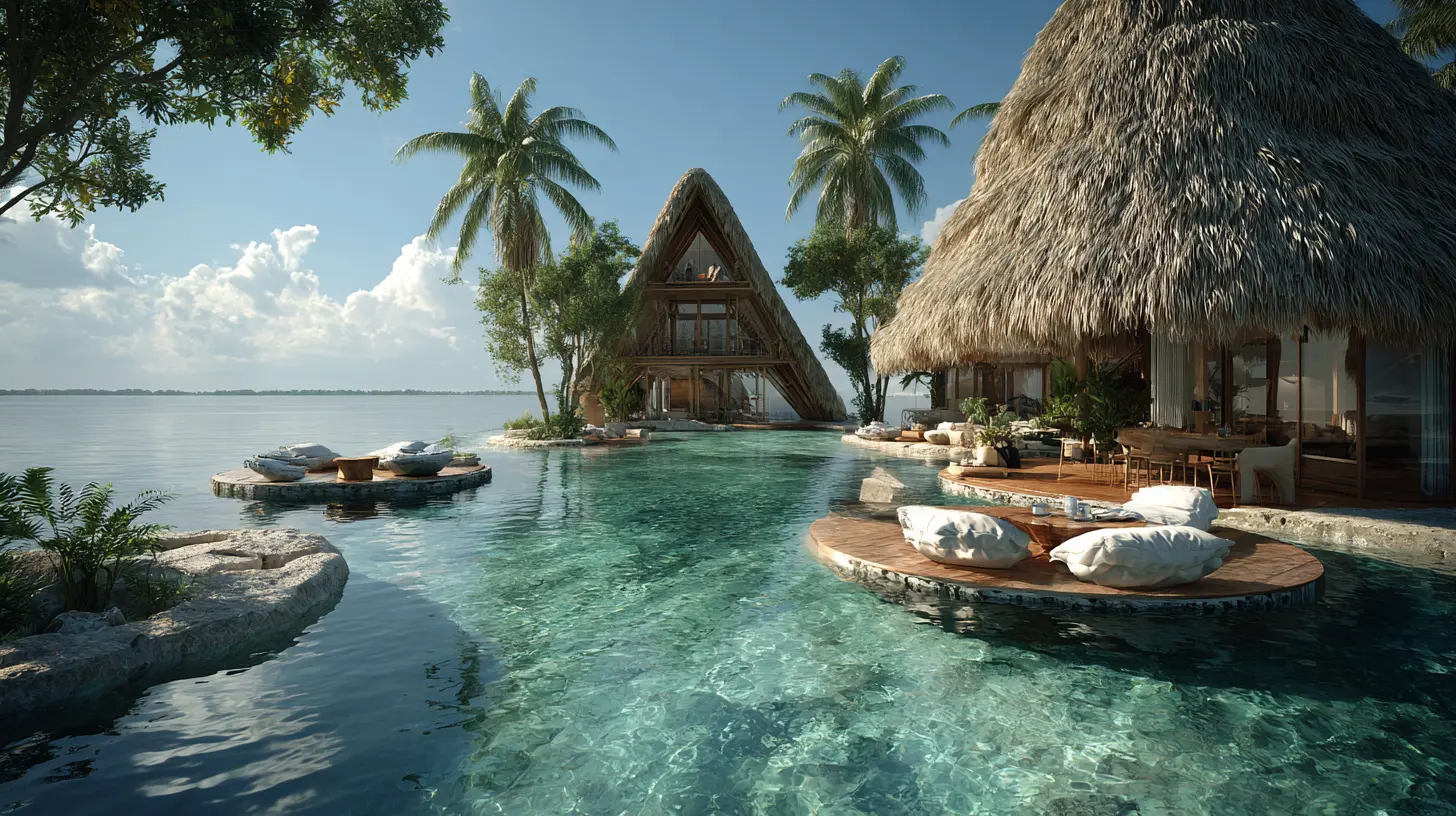
Let's get the obvious one out of the way. The Maldives is the poster child for overwater bungalows, but for years, it was also a poster child for environmental strain. Rising sea levels and coral bleaching were the ugly headlines. But 2026 sees a revolution here. Forget resorts built on dredged sand. The new wave is built on "bio-rock" and live coral.Imagine a resort that actually grows its own reef. You snorkel off your private deck, and instead of looking at a dead, white graveyard, you see a vibrant ecosystem that was kickstarted by the resort's marine biologists. One standout is Joali Being (if you can get a booking). They have doubled down on "immersive wellbeing" but with a serious eco-twist. Their villas are made from reclaimed teak and locally sourced bamboo. They have a zero-waste kitchen that turns fruit peels into cleaning products. And the best part? They run entirely on solar and a massive battery bank.
But the real game-changer for 2026 is Kudadoo Maldives Private Island. This place is like the Tesla of resorts. Every single villa is powered by the sun. The water is desalinated using solar energy. They have a "no plastic" policy that is actually enforced. And here is the kicker: the food. They have a hydroponic farm on the island that grows microgreens, tomatoes, and herbs. You are eating a salad that was picked twenty minutes ago, grown in saltwater and sunlight. It feels like science fiction, but it tastes like the future.
The Costa Rican Cloud Forest: Living in the Canopy
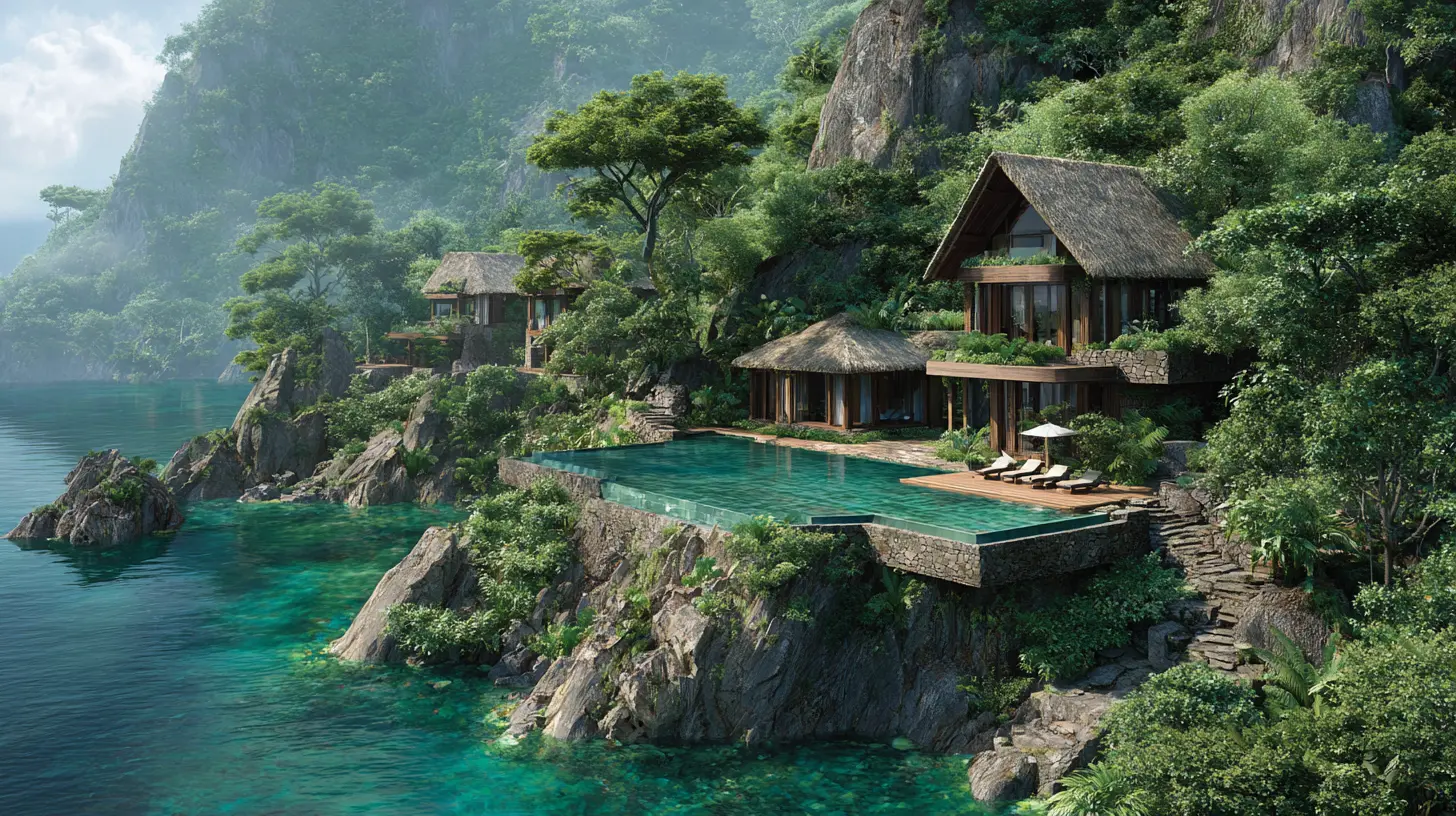
If the Maldives is the ocean, Costa Rica is the jungle. But we aren't talking about the crowded beaches of Guanacaste. We are going deep into the cloud forest of Monteverde. The air here is so thick with moisture you can almost drink it. The howler monkeys sound like a dinosaur waking up.In 2026, the resort to beat is Nayara Tented Camp. Now, pay attention to the name: tented. This is not a canvas tent with a zip. This is a 1,000-square-foot suite with walls made of canvas, but with a plunge pool, a rain shower, and a king-size bed that feels like a cloud. The genius? The "tent" is built on a wooden platform that hovers above the forest floor. It does not require concrete foundations or cutting down a single tree. You are literally sleeping in the trees.
The experience here is raw. You wake up to the sound of toucans squawking. Your private deck overlooks the Arenal Volcano. You take a dip in the pool that is heated by geothermal energy. But the real magic happens at night. The resort runs "night walks" with expert guides. You see tarantulas, sleeping birds, and glowing fungi. It is terrifying and beautiful at the same time. It is the kind of place that makes you realize that luxury is not about a marble bathtub; it is about having a front-row seat to the wild.
The Arctic: Luxury on the Edge of the World
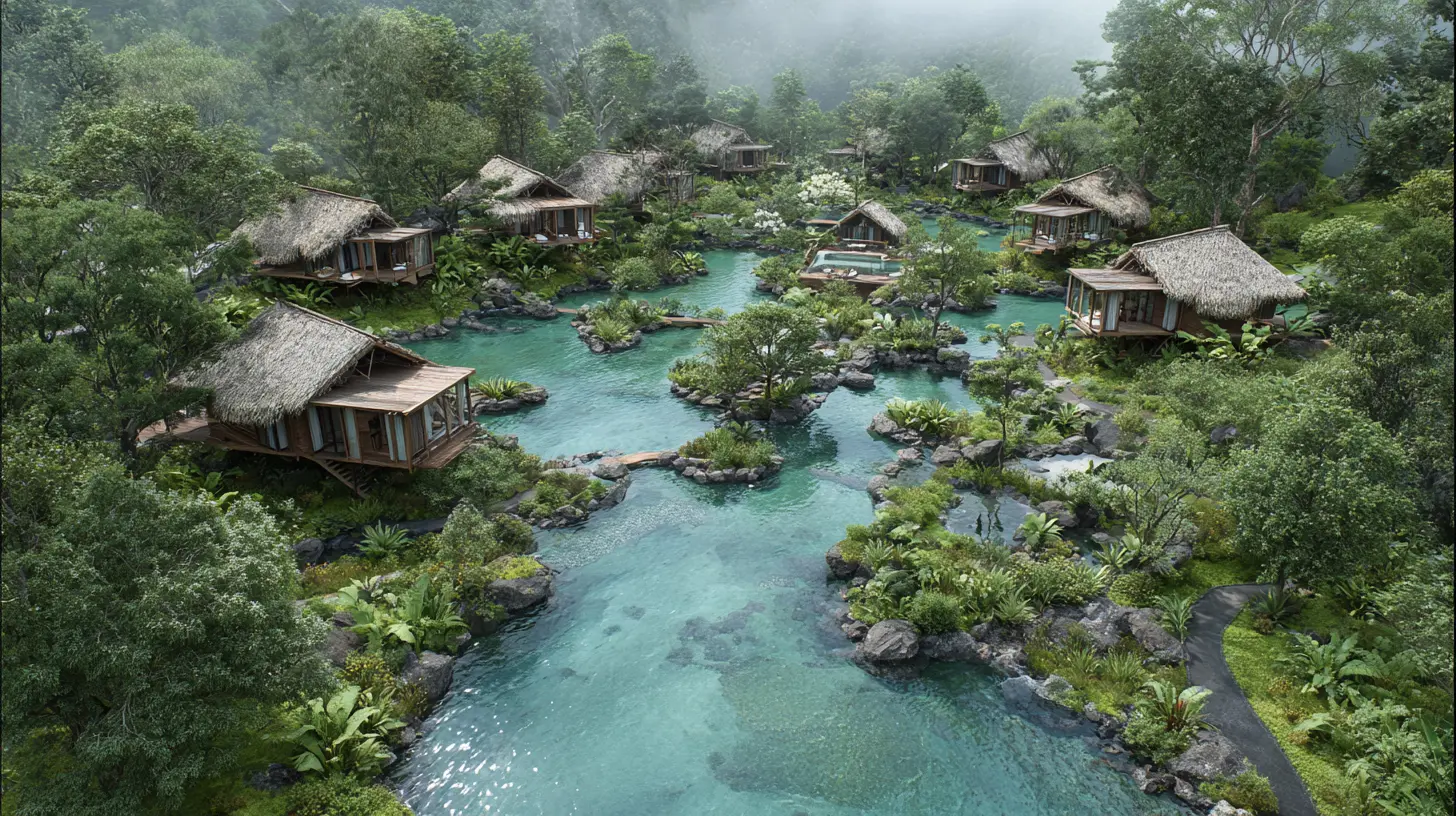
Okay, this one is for the brave. Eco-luxury in 2026 is not just about tropical heat. It is also about the cold. The Arctic is melting, and seeing it before it changes is a powerful, sobering experience. But you do not have to suffer to do it.Enter Svart in Norway. This is a hotel that sits inside the Arctic Circle, on the edge of a glacier. It looks like a giant donut floating on the water. It is built from locally sourced stone and wood. It is powered entirely by hydro and solar. But the design is what gets you. The circular shape allows guests to walk around the entire rim, watching the midnight sun or the northern lights. The windows are floor-to-ceiling. You feel like you are floating in a frozen sea.
The luxury here is minimalism. There is no over-the-top chandelier. There is no fake gold. The luxury is the silence. The luxury is the cleanest air you have ever breathed. The luxury is the fact that the resort actively works to restore the surrounding peatlands. You can go kayaking between icebergs, then come back to a sauna heated by renewable energy. It is a harsh environment, but the hospitality is soft. It makes you feel small, but in a good way. It reminds you that nature is the ultimate luxury, and we are just guests.
The African Safari: Where Conservation is the Amenity
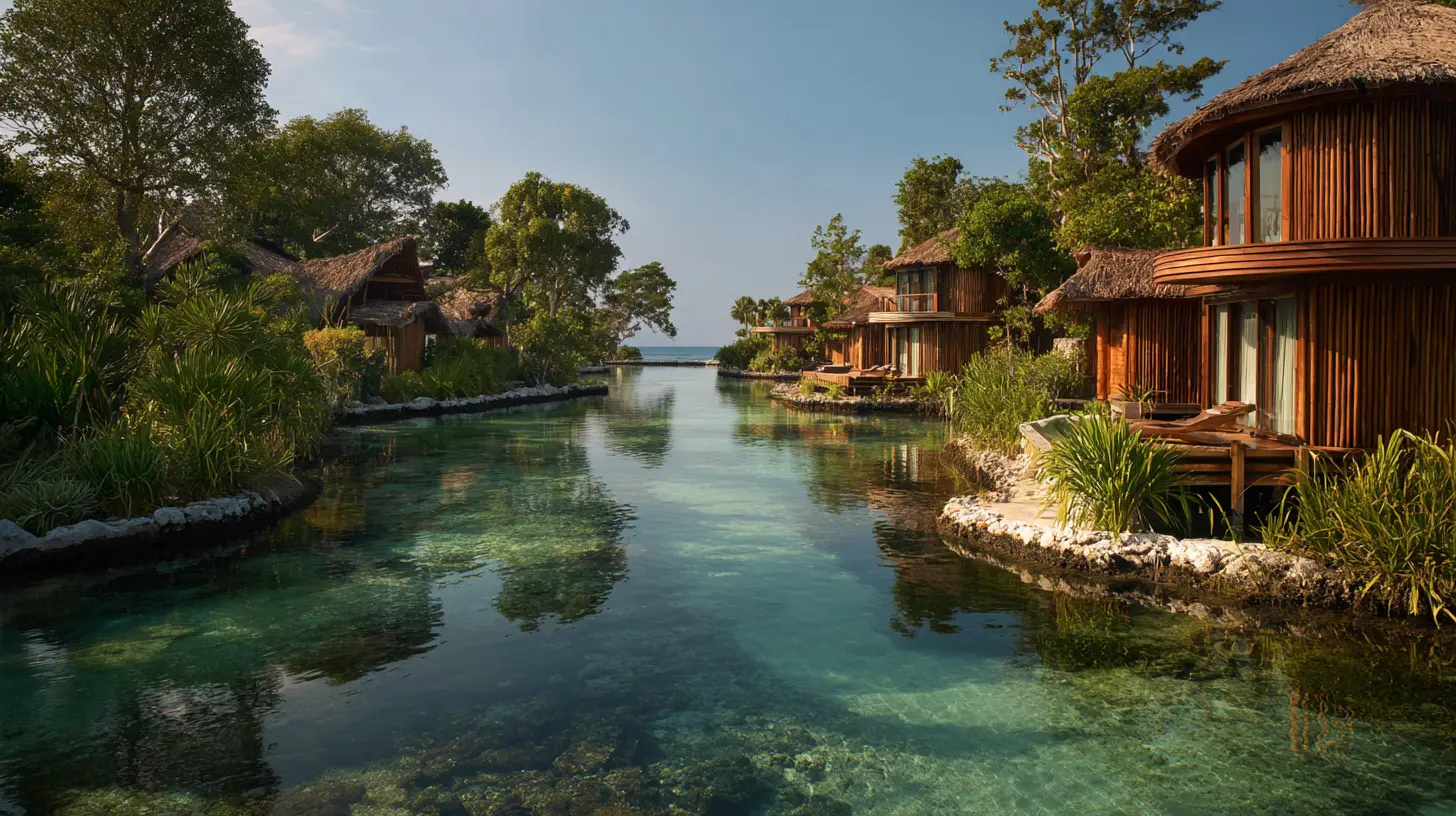
Let's be real. A traditional safari lodge can be a massive drain on the local environment. The water usage, the fuel for game drives, the imported champagne. But 2026 is the year of the "conservation lodge." These places are not just hotels; they are research stations that happen to have a spa.Sasaab Lodge in Kenya is a perfect example. It sits in the Laikipia region, overlooking the Ewaso Nyiro River. The rooms are massive, Moroccan-inspired tents with copper bathtubs and four-poster beds. But the real story is the land. The lodge is part of a 50,000-acre conservancy that protects elephants, lions, and wild dogs. Your room rate directly funds anti-poaching patrols and community education.
The best part? The "bush breakfast." They set up a table in the middle of the savannah. You are eating fresh fruit and eggs while a herd of zebras walks by fifty feet away. No fences. No barriers. Just you and the wild. It is the most thrilling breakfast you will ever have. And because the lodge uses solar for its water heating and bio-digesters for waste, you can enjoy that champagne without the guilt.
In 2026, the true luxury of an African safari is knowing that your presence is helping to keep the wild, wild. It is a symbiotic relationship. You get the memory of a lifetime; the animals get a future.
The Japanese Ryokan: A Lesson in Minimalist Luxury
Japan has been doing eco-luxury for centuries. They just did not call it that. The concept of mottainai (a sense of regret over waste) is baked into the culture. In 2026, the most interesting place to experience this is Hoshinoya Fuji. This is Japan's first "glamping" resort, but do not let the word fool you. It sits on the shores of Lake Kawaguchi, with a direct view of Mount Fuji.The rooms are like modern cabins. They are sleek, wooden, and minimal. There is no TV. There is no clutter. The walls are floor-to-ceiling glass. The idea is that the view is the entertainment. And it works.
The eco-luxury here is subtle. The resort uses local timber. The food is sourced from the surrounding forest and lake. You can go foraging for wild mushrooms with a chef, or take a canoe out on the lake. The hot springs (onsen) are naturally heated by volcanic activity. There is no air conditioning in the traditional sense; the building is designed to naturally ventilate with the mountain breeze.
This is luxury for the soul. It is not about having everything; it is about having exactly what you need. It is a deep breath. It is a reminder that sometimes the most opulent thing you can do is absolutely nothing, in a place of immense natural beauty.
The Amazon: The Ultimate Carbon-Negative Stay
The Amazon is the lungs of the planet, but it is also a tough place to build a luxury hotel. Logistics are a nightmare. But one resort is doing it right, and it is setting the standard for 2026.Inkaterra Reserva Amazonica in Peru is a pioneer. It has been around for a while, but their 2026 expansion is a masterclass in sustainability. The entire lodge is built from local, fallen trees. The roofs are thatched with palm leaves. They have a private reserve that protects 30,000 acres of rainforest.
The luxury comes from the immersion. You take a boat ride to get there. You hear the sounds of the jungle before you see it. The rooms are open to the air, with mosquito nets over the beds. You can take a canopy walkway that lets you walk among the treetops, 100 feet up. You see monkeys, sloths, and hundreds of species of birds.
But here is the kicker: Inkaterra is carbon-negative. They plant more trees than they use. They treat their own water. They employ local indigenous guides. The food is hyper-local. You are eating fish caught that morning and fruits picked from the trees. It is raw, it is real, and it is the most luxurious form of travel because it actively repairs the planet. You are not just a tourist; you are a partner in conservation.
Why This Matters for Your 2026 Travel
So, why should you care about eco-luxury in 2026? Is it just a trend? No. It is a necessity. The old model of luxury was about extraction. It took from the earth and gave back nothing. The new model is about regeneration. It is about staying in a place that makes you feel good, but also makes the world feel better.Think of it like this: You can buy a cheap, fast-fashion dress that falls apart after three washes, or you can buy a well-made wool sweater that lasts a decade. Eco-luxury resorts are the wool sweaters of travel. They cost more upfront, but the value is immense. The value is clean air, clean water, and a clear conscience.
When you book one of these resorts, you are not just paying for a bed. You are paying for a philosophy. You are paying for the solar panels. You are paying for the reforestation project. You are paying for the marine biologist who is restoring the coral. You are paying for the local community to get clean water and education.
And honestly? The experience is better. The food tastes better when it is grown on-site. The bed feels better when you know it is made from sustainable materials. The view is better when you know it will still be there for your grandchildren.
In 2026, the most opulent thing you can do is to travel with intention. It is to choose a resort that respects the land it sits on. It is to have a conversation with a local guide, not just a concierge. It is to feel the rain on your face without worrying about the carbon footprint of your shower.
So, where will you go? Will you float above the cloud forest in Costa Rica? Will you watch the northern lights from a circular hotel in Norway? Or will you wake up to the sound of a lion roar in Kenya? The choice is yours. But choose wisely. The planet is listening.
all images in this post were generated using AI tools
Category:
Luxury ResortsAuthor:

Reed McFadden
Discussion
rate this article
1 comments
Sebastian Flores
If you're looking to pamper yourself while pretending to save the planet, these eco-luxury resorts are perfect. Who knew you could enjoy a five-star experience next to a tree?
June 12, 2026 at 4:38 PM
Reed McFadden
I love that perspective! These resorts really do blend luxury with nature in a unique way. It's great to see eco-conscious travel gaining popularity.