What to Pack for a Rainy Destination in 2027
5 October 2026
Rain changes a trip. Not ruins it, changes it. The difference between a miserable week in constant drizzle and a genuinely enjoyable one usually comes down to what you put in your bag before you leave. I have spent enough time in wet climates, from tropical monsoon zones to gray northern coasts, to know that most packing advice for rain is either too obvious ("bring an umbrella") or too gear-obsessed ("buy this $600 shell"). Neither helps you make smart decisions.
This guide is about those decisions. It covers what actually works, what sounds good but fails in practice, and how to think about the trade-offs so you can pack for your specific trip rather than someone else's.
Start With the Type of Rain, Not the Forecast
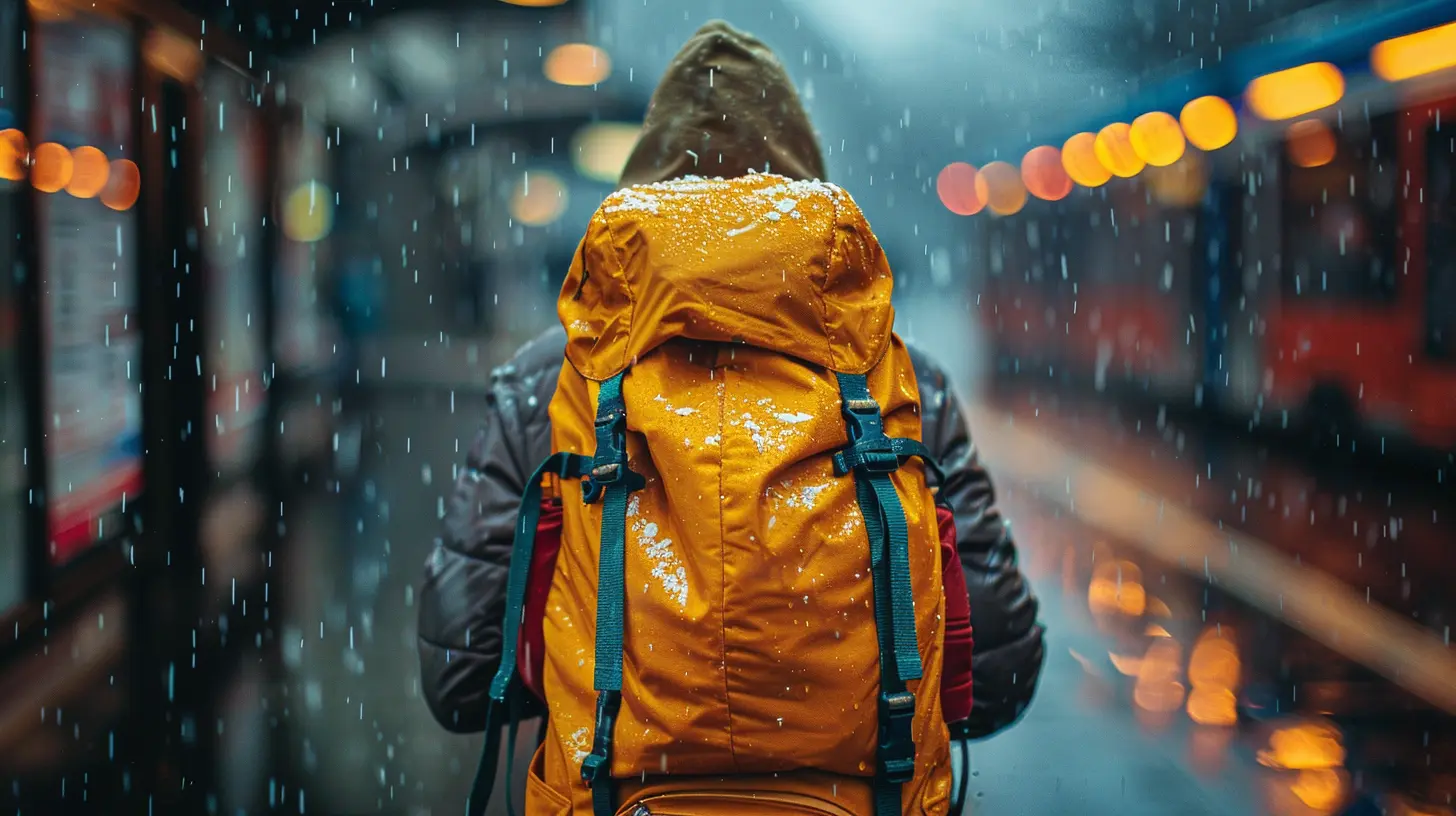
"Rainy destination" is too broad to be useful. Rain behaves differently depending on where you are, and your gear should match.Steady, light rain is common in places like Ireland, the Pacific Northwest, or parts of New Zealand. It can last for hours or days without being intense. The main challenge is staying dry over long periods, not surviving a downpour. Breathable layers matter more than heavy waterproofing here.
Tropical downpours in Southeast Asia, the Caribbean, or Central America tend to be short and violent. You might get soaked in ten minutes and be in bright sun an hour later. Quick-dry fabrics beat heavy rain gear because you will sweat underneath anything truly waterproof.
Cold rain in places like Iceland, Scotland in winter, or the Andes combines wet with wind and low temperatures. This is where hypothermia risk becomes real and where your layering system has to be genuinely functional.
Freezing rain and sleet sit in a category of their own. No clothing keeps you comfortable in these conditions for long. The goal shifts to staying safe and dry enough to get indoors.
Before you pack a single item, identify which of these you are most likely to face. A poncho that works fine in Bangkok will be useless in Reykjavik.
The Layering System Beats Any Single Jacket
The most common mistake is buying one expensive waterproof jacket and calling it done. A jacket is one part of a system. The system is what keeps you dry and comfortable.Base layer
Your base layer touches your skin. Its job is to move sweat away from your body. Cotton fails at this completely. Once cotton gets wet, it stays wet, clings to you, and pulls heat away from your core. In cold rain, that is a genuine safety issue, not just discomfort.Merino wool and synthetic fabrics like polyester or nylon work well. Merino resists odor better over multiple wears, which matters on longer trips. Synthetics dry faster and cost less. Either is fine. Choose based on how often you can do laundry and how much you care about smell.
Mid layer
This is your insulation. Fleece, down, or synthetic fill all work, but they behave differently when wet. Down loses most of its insulating ability when soaked. Synthetic fill retains some warmth even when damp. In a genuinely rainy destination, synthetic mid layers are the safer bet. If you insist on down, make sure it stays under a reliable shell.Shell
The shell is your waterproof and windproof barrier. This is where most people overspend or underspend.Two main options exist: membrane-based shells (like those using Gore-Tex or similar technologies) and coated fabrics (like polyurethane-coated nylon). Membranes breathe better and last longer but cost more. Coatings are cheaper and lighter but degrade over time and trap more sweat.
For a week-long trip in moderate rain, a mid-range coated shell is often enough. For repeated use over years, or for cold and wet conditions where sweat management matters, a membrane shell earns its price.
Why the system matters
If you wear a waterproof shell directly over a cotton t-shirt, you will be wet from sweat within an hour even in light rain. The shell traps your body heat and moisture with nowhere to go. A proper base layer and a breathable mid layer give that moisture somewhere to move. This is not marketing talk. It is basic physics, and it is the reason two people in identical jackets can have completely different experiences.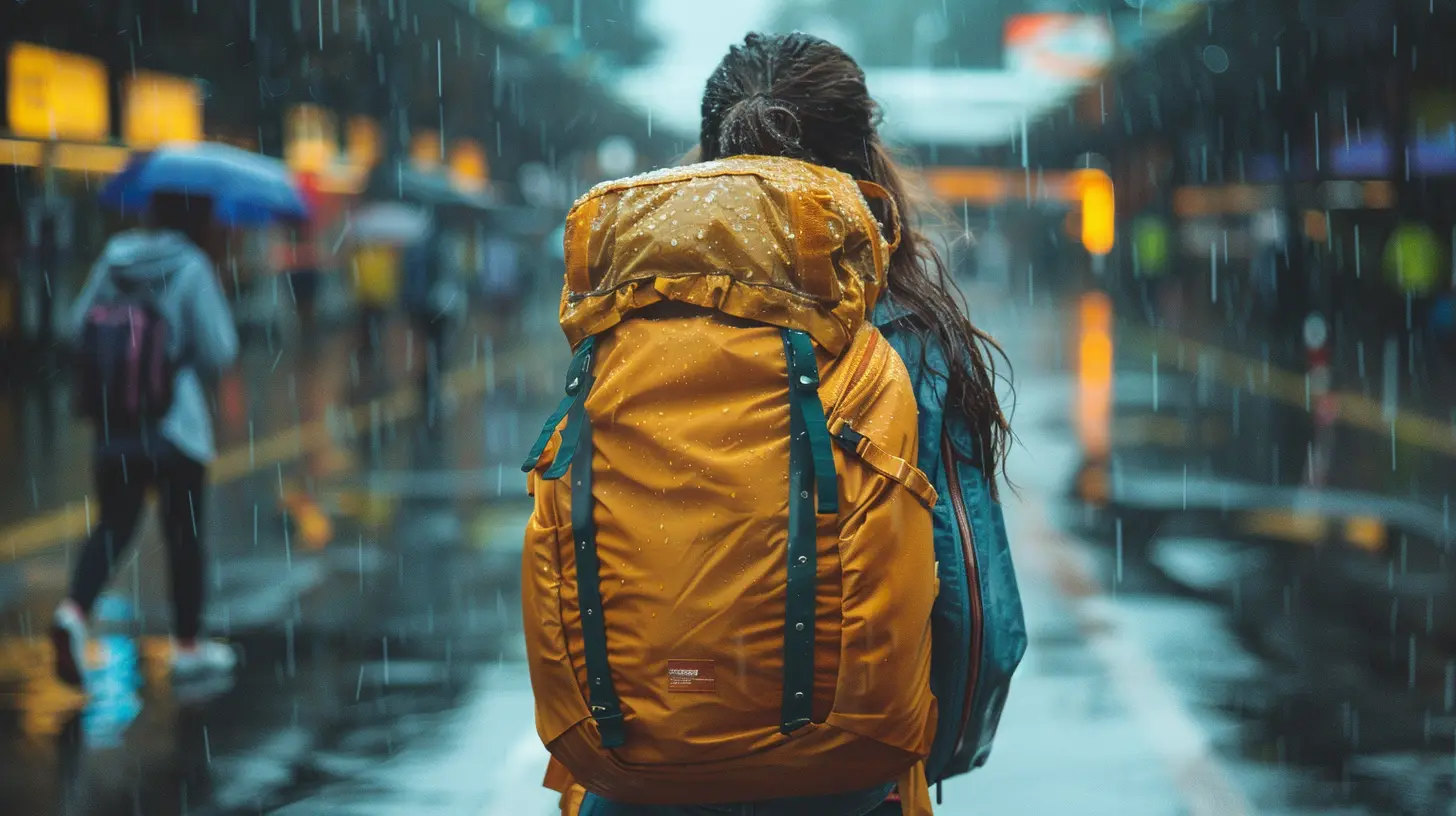
Footwear: Where Most Trips Go Wrong
Wet feet ruin everything. They cause blisters, they get cold, and they make you want to stay inside. Getting footwear right is worth more than any other single decision.Waterproof vs. quick-dry
Waterproof boots keep rain out. They also keep sweat in and take days to dry once water gets over the top. In sustained rain with deep puddles, they are the right choice. In warm, humid rain, they can become foot saunas.Quick-dry trail shoes or amphibious shoes let water in but also let it out. They dry in hours, not days. In tropical destinations, this is often the smarter option. You will get wet, but you will also get dry.
The deciding question: will you be standing in water above your ankle, or just walking through rain? If the former, waterproof. If the latter, quick-dry.
Socks
This is underrated. Wool socks, even thin ones, keep feet warmer when damp and resist odor. Cotton socks become soggy sponges. Bring more pairs than you think you need, because dry socks mid-day can reset your entire mood.What about sandals?
In hot, rainy climates, quality sandals with grip can be excellent. They dry instantly and let your feet breathe. They offer no protection from cold, debris, or rough terrain, so they work best as a second pair for evenings or easy walking days.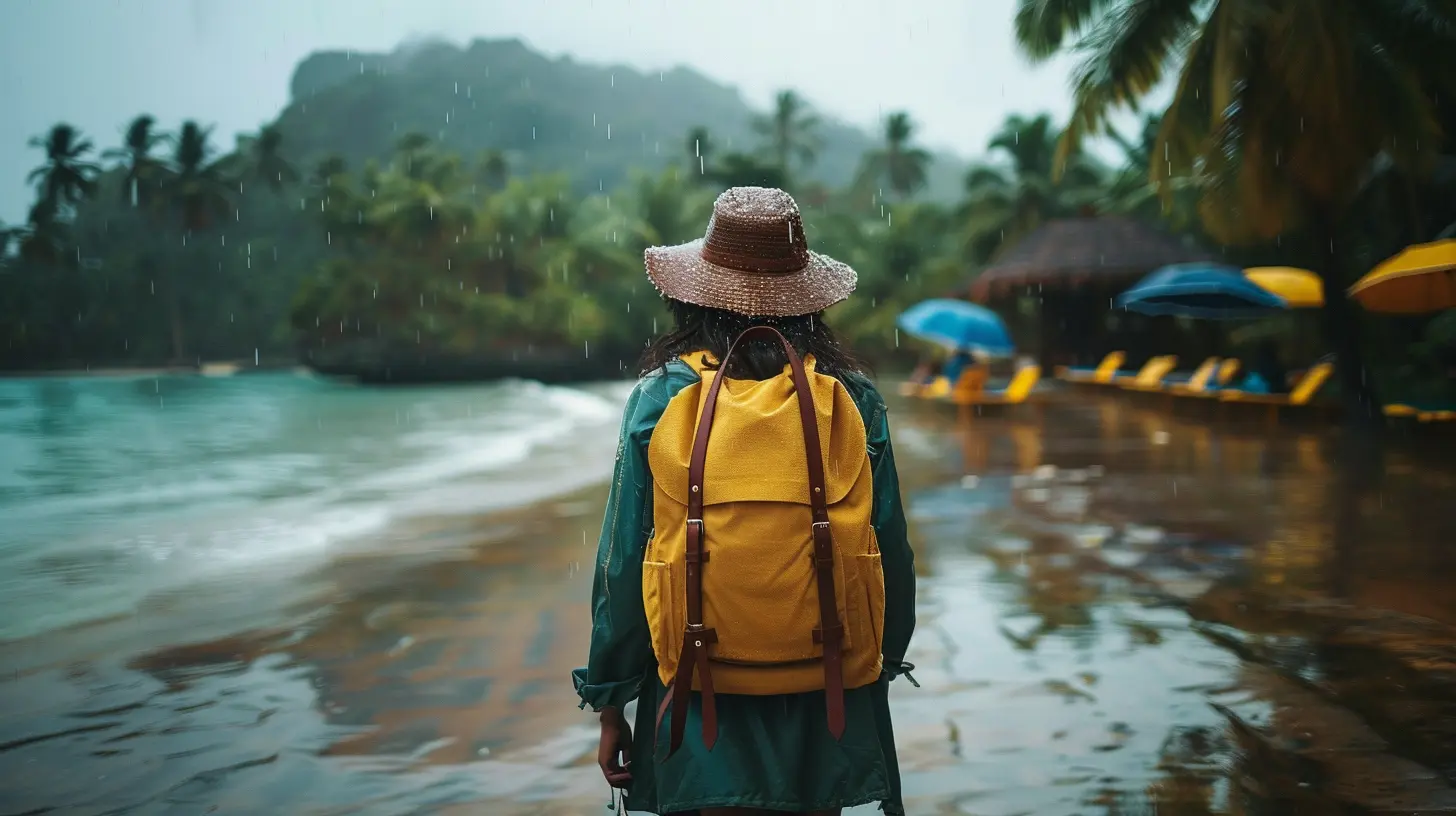
Bags and How You Carry Things
Your main travel bag and your day bag both need to handle water. Most backpacks and duffels are not waterproof, even if they look sturdy.Liners over covers
Rain covers that go over your backpack seem convenient but fail in wind and heavy rain. Water gets in around the edges and soaks the straps. A dry bag liner inside your pack is more reliable. Everything inside stays dry even if the pack itself is soaked.For day use, a small dry bag or a roll-top waterproof daypack handles camera gear, phones, and documents without fuss.
Zippers and seams
Water-resistant zippers are not waterproof zippers. On a long walk in real rain, water finds its way through. If you carry electronics, put them in a separate waterproof pouch inside your bag, not just in the main compartment.Clothing Choices That Actually Work
Beyond the layering system, a few clothing decisions make a real difference.Quick-dry pants
Cotton jeans are the worst possible choice for rain. They soak up water, get heavy, and take a full day or more to dry. Nylon or polyester hiking pants dry in an hour or two and pack small. Some styles look normal enough for restaurants and cities.Avoid the "waterproof pants" trap
Cheap waterproof pants trap sweat and rip easily. Expensive ones work but are heavy and often unnecessary. For most travelers, quick-dry pants plus a compact rain skirt or lightweight over-trousers for the worst days is a better balance than committing to heavy waterproof trousers you will wear twice.Hats and hoods
A hood on your shell is useful but limits peripheral vision and can feel claustrophobic. A brimmed hat keeps rain off your face and glasses without those downsides. In cold rain, a wool beanie under a hood adds warmth and keeps the hood from flapping.Gloves
In cold rain, hands get numb fast. Waterproof gloves are bulky and awkward. A thin wool or fleece liner glove inside a waterproof shell mitt works better for most situations because you can remove layers as conditions change.
Electronics and Documents
Water and electronics do not mix, and rainy destinations are where people lose phones, cameras, and passports.- Use a waterproof phone pouch if you will be out in heavy rain. Touchscreens often work through the plastic.
- Silica gel packets in your camera bag absorb ambient moisture. Replace them periodically.
- Carry physical copies of your passport and key documents in a sealed bag. If your phone dies in the rain, you still have proof of who you are.
- A small power bank matters more than usual, because cold and wet conditions drain batteries faster.
Common Mistakes and Misconceptions
"Waterproof means I will stay dry." You will stay dry from rain but wet from sweat. Breathability and ventilation matter as much as waterproofing."I will just buy gear there." Sometimes this works. Often it does not. Rainy destinations frequently sell low-quality tourist gear at high prices. Arrive prepared for at least the first two days.
"One jacket solves everything." A jacket without the right layers underneath is a plastic bag with sleeves.
"Umbrellas are for tourists." In cities and on calm days, a compact umbrella is genuinely useful and weighs almost nothing. It fails in wind and on trails, but dismissing it entirely is a mistake.
"I will wait out the rain." In some destinations, that means waiting for days. Plan to be active in the rain, and pack accordingly.
A Practical Packing List for a Rainy Trip in 2027
Specifics depend on your destination, but a solid baseline looks like this:- Two or three quick-dry base layers
- One or two synthetic mid layers
- One reliable waterproof shell with a hood
- Quick-dry pants, two pairs
- Lightweight over-trousers or a rain skirt
- Waterproof or quick-dry footwear, depending on terrain
- Three or more pairs of wool socks
- Brimmed hat plus a warm beanie if cold
- Thin glove liners plus waterproof shell mitts if cold
- Dry bag liner for your main pack
- Small waterproof pouch for phone and documents
- Compact umbrella
- Silica gel packets
- Power bank
This list assumes a mix of urban and light outdoor activity. Adjust for altitude, extreme cold, or pure city travel.
Final Thoughts on Packing for Rain
The travelers who enjoy rainy destinations are not the ones with the most expensive gear. They are the ones who understood the conditions before they packed, built a system instead of buying a single item, and accepted that getting a little wet is part of the experience. Rain turns cities reflective, forests green, and crowds thin. Pack well, and you will notice those things instead of your soggy socks.
all images in this post were generated using AI tools
Category:
Travel ChecklistsAuthor:

Reed McFadden