What to Expect from Ultra-Luxury Resort Stays in 2027
28 April 2026
Let’s be honest: the word “luxury” has been thrown around so much lately that it’s lost its edge. You see it slapped on a five-star hotel that still asks you to check-in at a crowded desk, or on a “suite” that barely fits your carry-on. But ultra-luxury in 2027? That’s a whole different animal. We’re not talking about gilded faucets or a pillow menu with 27 options. We’re talking about a seismic shift in how you experience a vacation—a shift that feels less like a transaction and more like a personal reclamation project.
If you’ve been dreaming of that next big trip, or if you’re simply curious about where the travel industry is hurtling, buckle up. Here’s what you can actually expect from an ultra-luxury resort stay in 2027. And spoiler alert: it’s not what you think.
The Death of the Generic “Luxury” Room
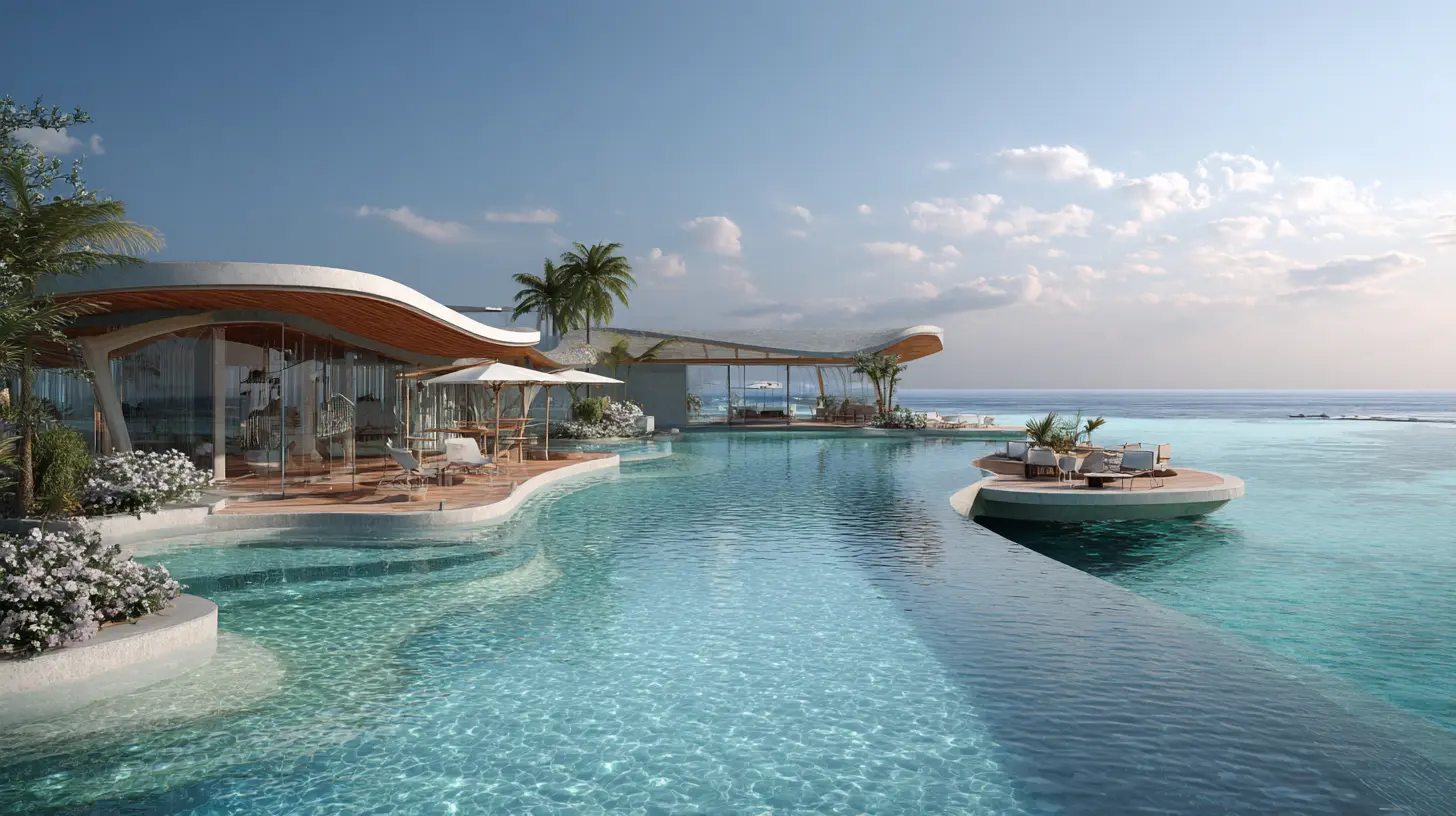
Remember when luxury meant a massive room with a marble bathroom, a king-sized bed, and maybe a view of the ocean? In 2027, that’s the baseline—the bare minimum. Ultra-luxury now starts where “nice” ends. Think of it like this: a standard luxury room is a comfortable pair of shoes. An ultra-luxury room in 2027 is a bespoke shoe that was 3D-scanned to your foot, made from leather that was harvested from a cow that had a name, and then hand-stitched by an artisan who sends you a thank-you note.What does that look like practically? Your suite won’t just have a view; it will have a dynamic view. Smart glass windows that tint to match the time of day or your mood. A bed that adjusts its firmness based on your sleep data from the night before—data you voluntarily shared, of course, because the resort earned your trust. The lighting system doesn’t just have a “mood” setting; it mimics the exact sunrise of the location you’ll visit tomorrow, gradually waking you up with a golden hue that feels like a gentle nudge from nature itself.
And forget about checking in at a front desk. You’ll be greeted by name—not by a receptionist who read your file, but by a personal concierge who already knows you prefer sparkling water with a twist of lime, that you hate small talk before 9 AM, and that you’re allergic to lavender. This isn’t creepy; it’s thoughtful. It’s the difference between a host who memorizes your order and one who just writes it down.
Hyper-Personalization: The Algorithm That Actually Cares
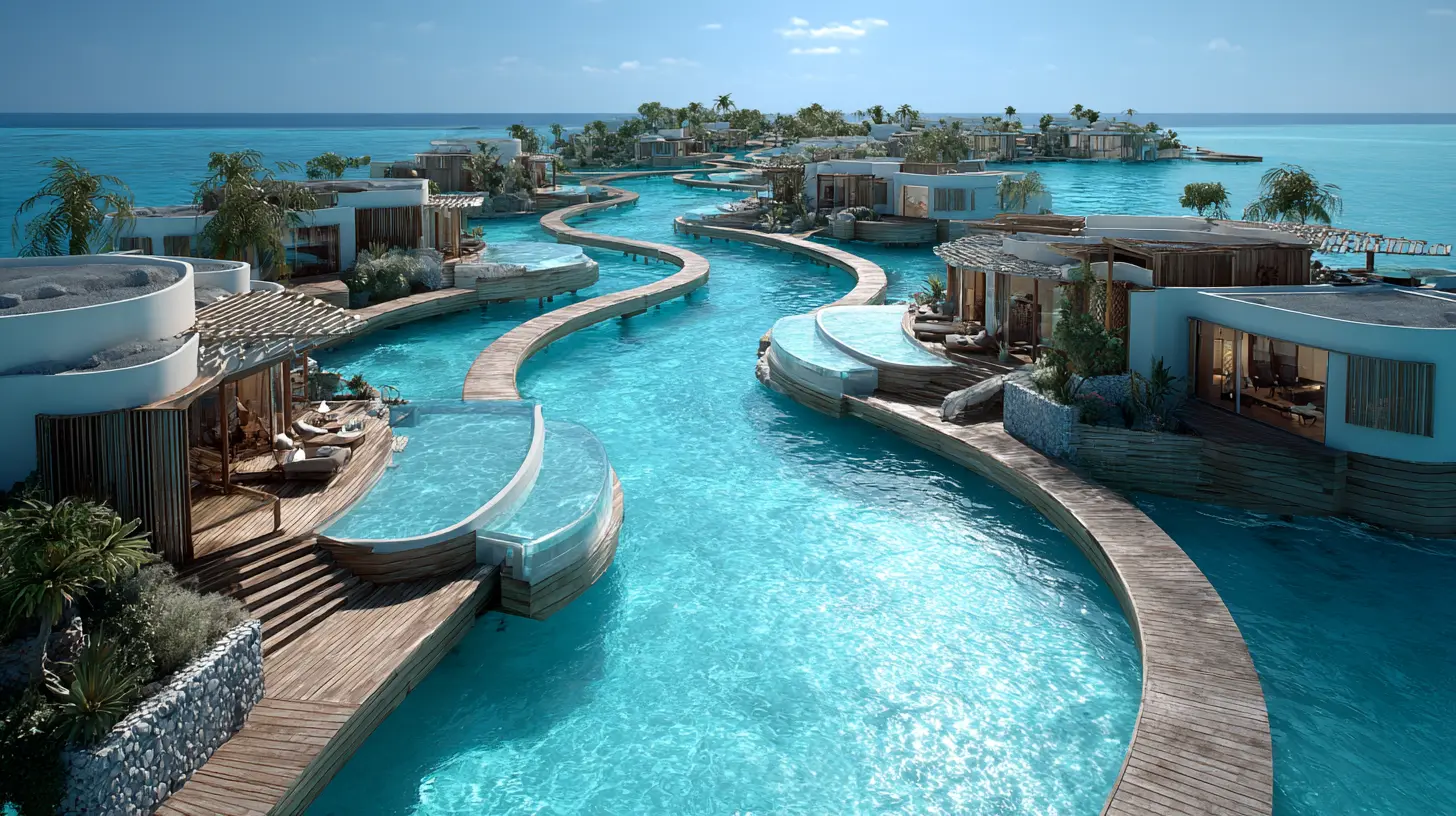
Here’s where things get interesting. In 2025, personalization was a buzzword. In 2027, it’s a religion. Ultra-luxury resorts are no longer just selling you a room or a meal; they’re selling you a version of yourself that you didn’t know you wanted to be.Imagine arriving at a resort in the Maldives. Before you even land, the resort’s AI—yes, AI, but the good kind—has analyzed your social media, your past travel habits, and even your heart rate variability from your wearable device (with your explicit permission, obviously). It doesn’t use this data to sell you a timeshare. It uses it to curate your entire stay.
Maybe you’re a stressed-out executive who needs to disconnect. The AI notices your high cortisol levels and suggests a silent sunrise meditation on a private sandbank, followed by a breakfast that’s heavy on adaptogens and light on caffeine. Maybe you’re a creative who thrives on chaos. The resort sets up an impromptu jam session with a local musician in your villa, complete with a sound system that rivals a recording studio.
The point is: you don’t have to ask. The resort anticipates. It’s like having a best friend who’s also a psychic, a chef, a personal trainer, and a travel agent rolled into one. And if you want to rebel against the algorithm? Go ahead. The concierge will smile and say, “I had a feeling you’d want to do that instead.” They’ll pivot instantly because the infrastructure is built for flexibility, not rigid schedules.
Sustainability Isn’t a Slogan; It’s the Foundation
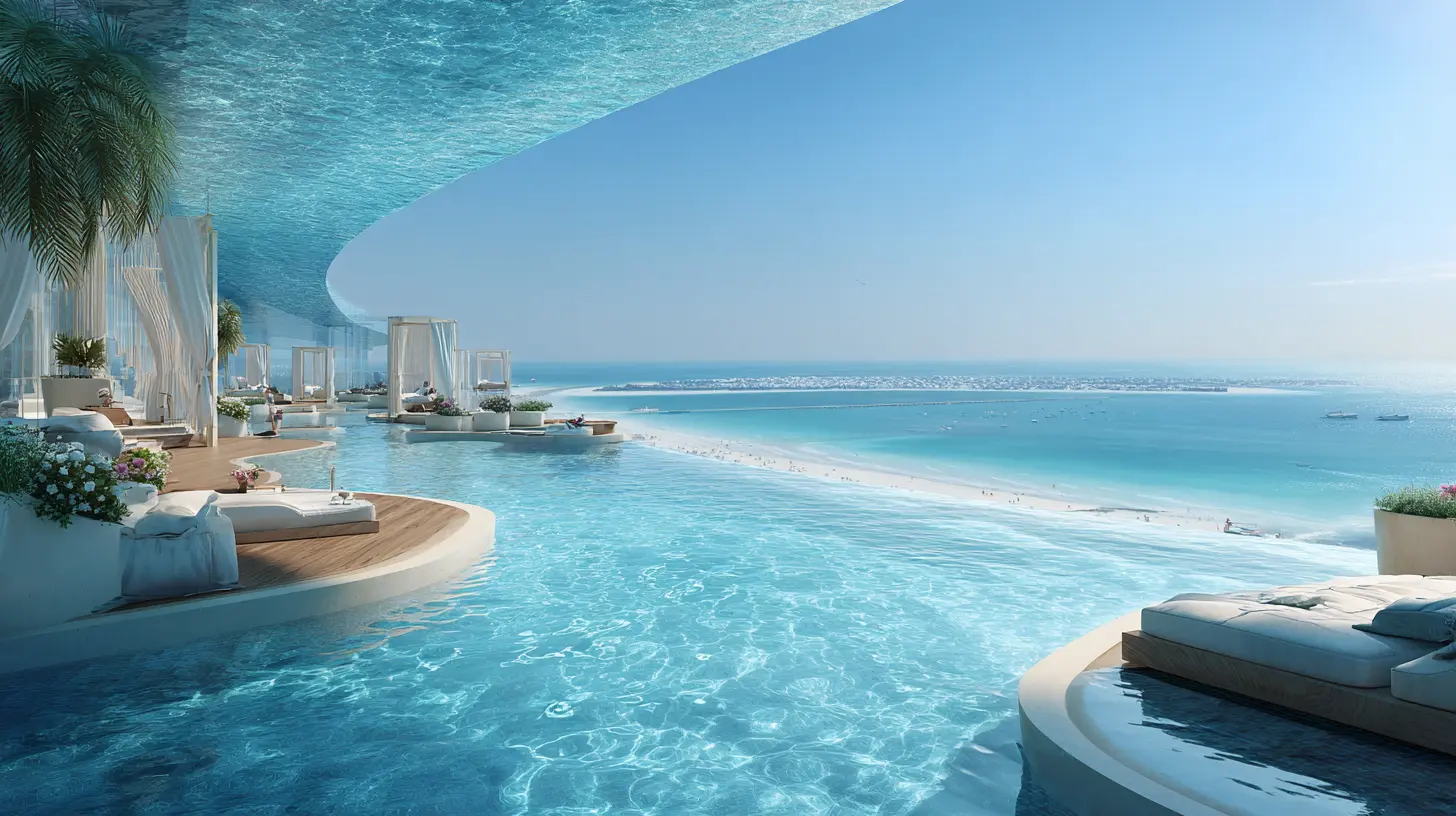
Let’s get real about something: greenwashing is dead in 2027. You can’t just put a “save the turtles” sign in your bathroom and call it a day. Ultra-luxury travelers have seen through that for years. In 2027, sustainability isn’t a marketing angle; it’s the non-negotiable backbone of the entire experience.What does that look like? First, the resort itself might be carbon-negative. No, really. They’ve invested in direct air capture technology, or they’ve restored a mangrove forest that sequesters more carbon than the resort emits. The energy comes from solar panels that are disguised as architectural features—sleek, minimalist, and invisible to the untrained eye.
But here’s the part that will blow your mind: the food. In 2027, the farm-to-table movement has evolved into “micro-biome-to-table.” Resorts have on-site vertical farms growing hyper-local, nutrient-dense produce that’s been selected specifically for your gut health. You might eat a salad that was harvested two hours ago, grown in soil that was analyzed for its mineral content to match your dietary needs. The chef doesn’t just ask if you have allergies; they ask about your sleep patterns, your energy levels, and your stress points. Then they design a menu that actively improves your well-being.
And waste? There is none. Every scrap of food is composted. Every piece of plastic is gone—replaced by biodegradable materials made from seaweed or mycelium. The toiletries are in refillable ceramic containers that are designed by local artisans. Even the water you drink is sourced from a natural spring on the property, bottled in glass that’s sterilized and reused. It’s not about feeling virtuous; it’s about feeling connected to the place you’re visiting.
Wellness That Actually Works (No More Gimmicks)
I’m going to say something controversial: most resort spas are a joke. A 60-minute Swedish massage and a cup of ginger tea? That’s not wellness; that’s a band-aid. In 2027, ultra-luxury wellness is a full-system reboot.Imagine this: you arrive at a resort in the Swiss Alps or the jungles of Costa Rica. Your first appointment isn’t a massage; it’s a diagnostic session with a team that includes a doctor, a biohacker, a nutritionist, and a movement coach. They run a battery of tests—blood work, genetic markers, gut microbiome analysis, even a stress hormone profile. Then they design a multi-day program that’s as rigorous or as gentle as you want.
Maybe it’s a cryotherapy session followed by a hyperbaric oxygen chamber, then a float tank, then a meal designed to reduce inflammation. Or maybe it’s a week of slow, intentional movement—yoga, tai chi, forest bathing—with meals that are more like medicine. The key is that you leave feeling different. Not just relaxed, but optimized. Your skin looks better. Your mind is clearer. Your joints don’t ache. It’s like you’ve been rebooted.
And the facilities? They’re insane. We’re talking about salt caves that simulate the microclimate of a Himalayan salt mine. Infrared saunas that use full-spectrum light to boost collagen production. Pools filled with mineral-rich water that’s been filtered through volcanic rock. Every element is designed to heal, not just to pamper.
Privacy as the Ultimate Status Symbol
In 2027, the most luxurious thing you can buy is silence. Not the absence of noise, but the absence of intrusion. Ultra-luxury resorts have mastered the art of making you feel like you’re the only guest on the property.How? Through design. Villas are spaced so far apart that you can’t see or hear your neighbors. Pathways are hidden by dense foliage. Staff members are trained to be invisible until you need them—they communicate via discreet earpieces and never interrupt a moment of solitude. If you want to have dinner on your private terrace, a server appears like a ghost, sets the table, and disappears.
But it goes deeper than that. Your digital footprint is erased the moment you check out. The resort uses encrypted networks that don’t track your browsing history. Your room key is a biometric token that self-destructs after you leave. The concierge remembers your preferences, but only for your next visit—and only if you opt in. It’s a level of trust that feels revolutionary in an age of data breaches and targeted ads.
And for the truly privacy-obsessed? There are resorts that offer “zero-trace” experiences. Helicopter drop-offs to remote islands where no other human is present. Underwater suites with soundproofing so complete that you hear only your own heartbeat. It’s not escapism; it’s rebirth.
Technology That Enhances, Not Distracts
Here’s the paradox of ultra-luxury in 2027: the tech is incredible, but you barely notice it. It’s not about having a tablet that controls the curtains (yawn). It’s about technology that fades into the background, serving you without demanding your attention.Take the room’s AI assistant. It doesn’t have a name or a voice that interrupts you. It communicates through subtle cues—a gentle change in lighting, a soft tone from the speakers, a notification on a discreet screen that looks like a piece of art. You can order room service by thinking about it? No, not quite—but close. The assistant learns your habits so well that it predicts what you want before you ask. Your morning coffee arrives at the exact moment you wake up. The temperature adjusts as you move from the bedroom to the living area. The bathtub fills itself to your preferred temperature and depth.
And the entertainment? Forget about a standard TV. In 2027, ultra-luxury suites have immersive media rooms with holographic projection. You can watch a movie that feels like you’re standing in the middle of the scene. Or you can have a virtual tour of the Louvre, guided by an AI curator who speaks in your native language. It’s not about distraction; it’s about enrichment.
The Culinary Experience: A Journey, Not a Meal
I’ve saved the best for last. In 2027, eating at an ultra-luxury resort is a multi-sensory performance. It’s not just about the food; it’s about the story behind the food, the environment in which you eat it, and the emotional resonance it creates.Think of a dinner that takes place on a floating platform in the middle of a bioluminescent lagoon. The table is set with handmade ceramics from a local village. The menu is a narrative of the region—each course tells a story about the land, the sea, and the people who cultivate it. The chef doesn’t just cook; they explain the philosophy behind each ingredient. The wine is paired not just with the dish, but with your personal taste profile.
And the service? It’s theatrical. A sommelier might pour your wine from a height of three feet, creating a cascade that aerates the liquid perfectly. A server might describe the dish using words that evoke the exact texture and flavor, making your mouth water before you even take a bite. It’s not pretentious; it’s passionate. It’s the difference between eating and dining.
But here’s the real kicker: you can participate. Many ultra-luxury resorts in 2027 offer “cook with the chef” experiences that are less about learning a recipe and more about understanding a culture. You might forage for wild mushrooms in the forest, then return to a kitchen where the chef teaches you how to preserve them. Or you might dive for scallops, then watch as they’re shucked and seared right on the beach. It’s immersive, educational, and deeply satisfying.
The Bottom Line: Are You Ready?
Ultra-luxury in 2027 isn’t about showing off. It’s about showing up—showing up for yourself, for the environment, and for an experience that changes you. It’s expensive, yes. But it’s also intentional. Every detail, from the carbon-negative architecture to the AI that knows your sleep patterns, is designed to make you feel more alive, more connected, and more human.So, what’s the catch? The catch is that you have to be willing to let go. You have to trust the system, trust the people, and trust yourself to embrace the unknown. Because in 2027, the best luxury isn’t a thing you own; it’s a feeling you carry home.
Are you ready to book that trip? I thought so.
all images in this post were generated using AI tools
Category:
Luxury ResortsAuthor:

Reed McFadden
Discussion
rate this article
2 comments
Roman Rogers
Ultra-luxury resorts in 2027 will redefine opulence, combining cutting-edge tech with personalized experiences for discerning travelers.
May 1, 2026 at 4:42 AM
Reed McFadden
Absolutely, the future of ultra-luxury resorts will be all about blending advanced technology with unique, tailored experiences that cater to every individual's desires. Exciting times ahead!
Soleil Myers
This forward-looking piece astutely identifies 2027’s pivot from opulence to obsessive personalization. The emphasis on AI-driven, preemptive service—anticipating needs before arrival—marks a true evolution. However, the real luxury will be seamlessly authentic, not just automated, experiences.
April 30, 2026 at 3:44 AM
Reed McFadden
Thank you for your keen insights. I agree that true luxury will hinge on authenticity and genuine connections, alongside innovative AI solutions. It's an exciting shift ahead.