Wandering Through Japan’s Ancient Temples in 2027
23 April 2026
Japan is a land where the past and present intertwine seamlessly, where ancient traditions coexist with cutting-edge technology. If you’re planning a trip to Japan in 2027, you’re in for a treat—especially if you have a penchant for history, culture, and a little bit of serenity. Picture yourself wandering through ancient temples, soaking in the tranquility, and experiencing a slice of life that feels untouched by time. Sounds enticing, right? Let’s dive into this enchanting journey!
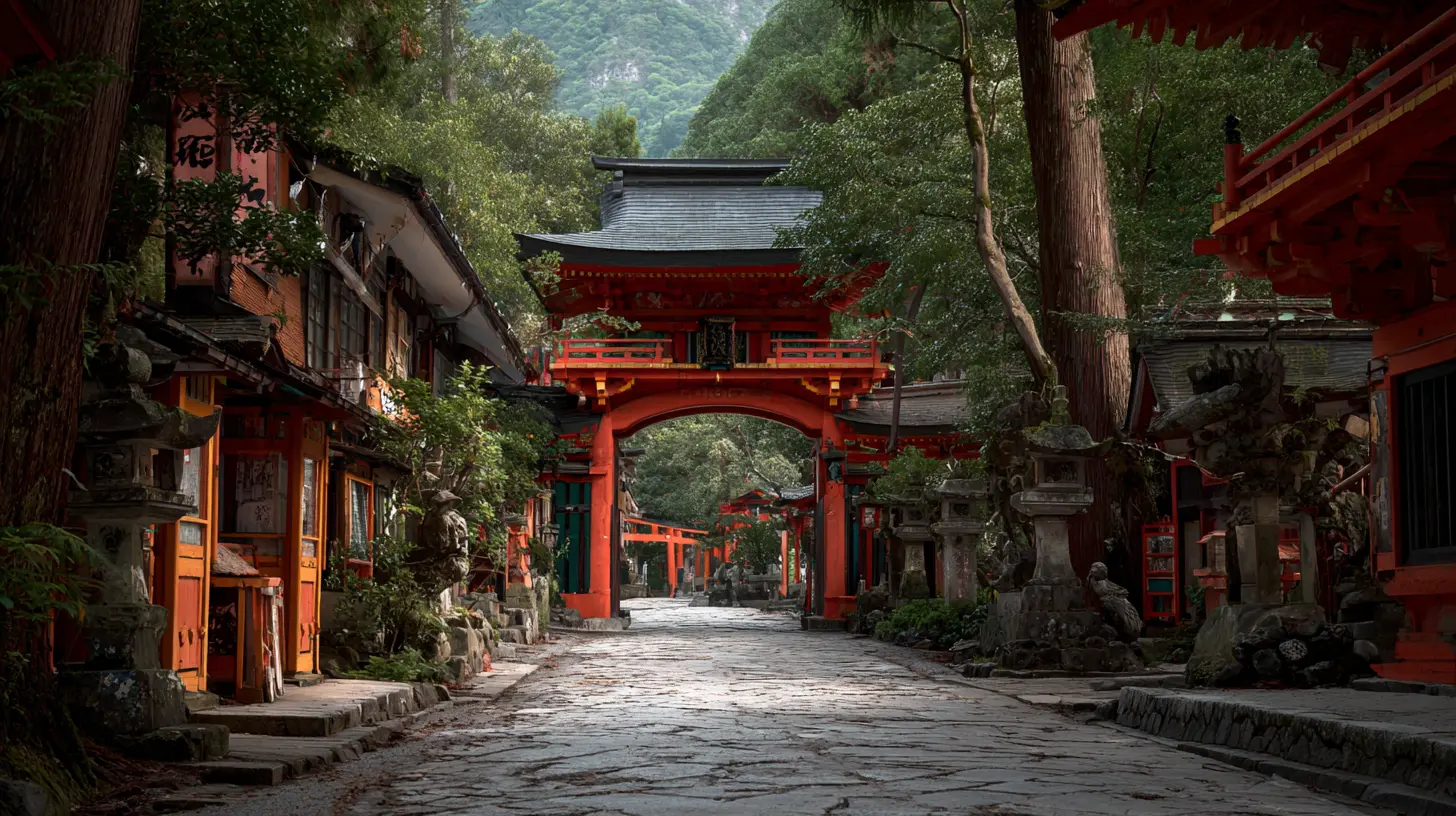
The Allure of Japan’s Ancient Temples
Japan boasts a wealth of temples that date back centuries, each with its own unique story and architectural marvels. From the serene Zen gardens to the intricately carved wooden structures, these temples are more than just places of worship; they are living museums that narrate the spiritual journey of a nation.Why Temples?
You might wonder, why should I prioritize visiting temples in Japan over its bustling cities or stunning landscapes? Well, temples offer a peaceful retreat from the fast-paced life that surrounds them. They are sanctuaries where you can reflect, meditate, or simply breathe in the beauty of your surroundings. It’s like stepping into a different realm, where time slows down, and you can truly connect with the essence of Japan.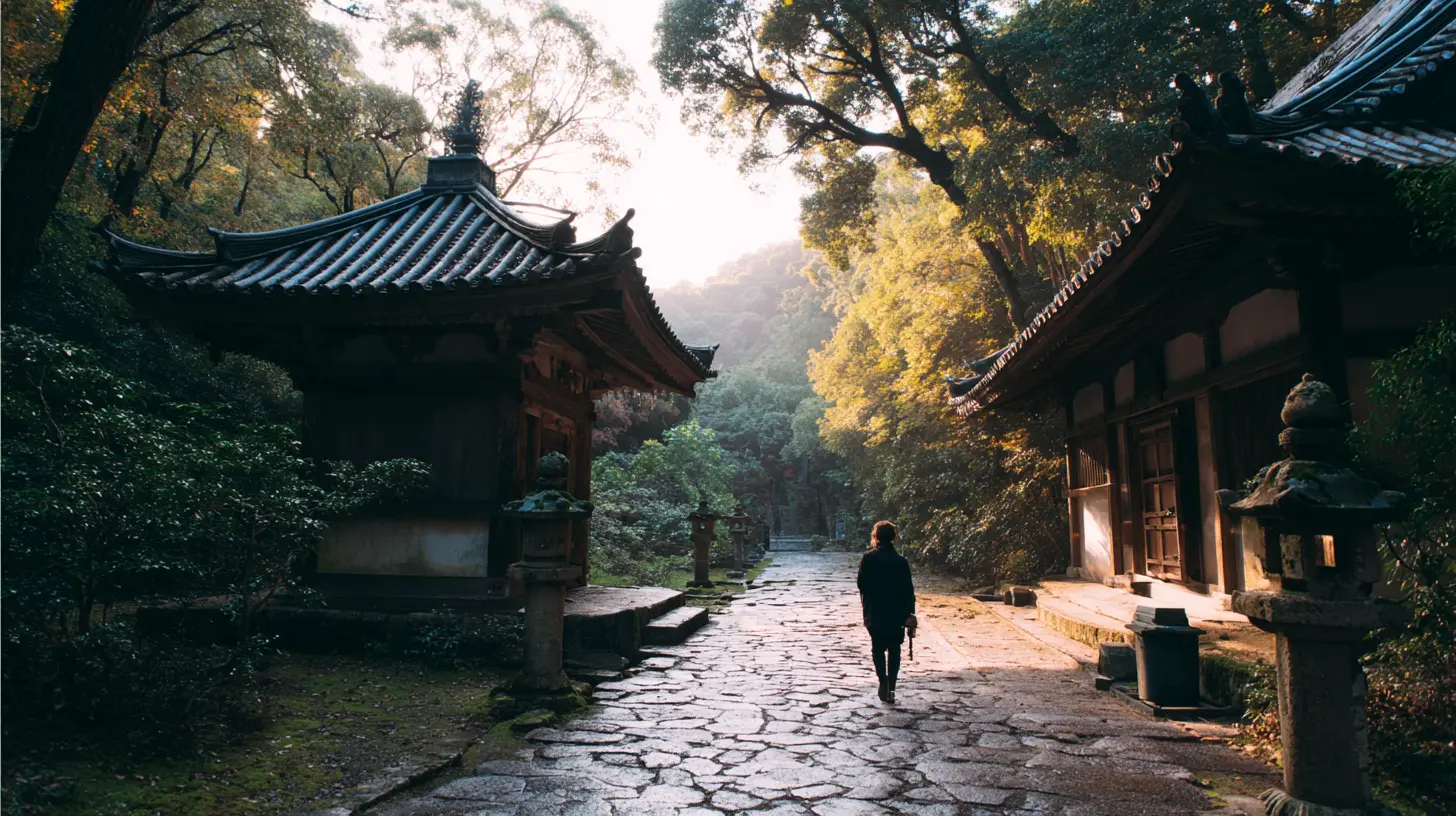
Top Temples to Visit in 2027
Now that we’ve set the stage, let’s take a closer look at some must-visit temples in Japan. Each temple has its own charm and significance, making them worthy of your time.1. Kinkaku-ji (The Golden Pavilion)
Located in Kyoto, Kinkaku-ji is a Zen Buddhist temple that gleams like a jewel against a backdrop of lush greenery. The golden exterior reflects beautifully on the surrounding pond, creating a picture-perfect scene that’s almost too stunning to be real. Imagine standing there, the sun shimmering off the gold leaf, and feeling a sense of peace wash over you.Tips for Visiting
- Best Time to Go: Early morning or late afternoon to avoid crowds.- What to Bring: A camera, of course! You’ll want to capture the beauty.
- Nearby Attractions: Don’t miss the Ryoan-ji rock garden, just a short distance away.
2. Todai-ji Temple
In Nara, Todai-ji Temple houses the Great Buddha, a massive bronze statue that stands at an impressive 15 meters tall. The temple itself is a UNESCO World Heritage site and is one of Japan’s most significant cultural treasures. Walking into the Great Buddha Hall is like stepping into a giant’s living room—everything feels larger than life!Must-See Features
- The Great Buddha: Don’t forget to look for the “Buddha’s ear”—you’ll see a small hole in the wooden pillar that’s said to be the size of the Buddha’s ear. Legend has it that if you can fit through it, you’ll gain enlightenment.- Wild Deer: Nara Park is home to over 1,000 free-roaming deer. They are considered messengers of the gods, and you can feed them special crackers sold in the park.
3. Horyu-ji Temple
Known as one of the oldest wooden buildings in the world, Horyu-ji Temple in Nara has stood the test of time since the 7th century. The intricate craftsmanship and historical significance make it a must-visit. Walking through its gates feels like stepping back in time.Historical Significance
- Architectural Marvel: The pagoda here is an architectural wonder, showcasing the artistry of ancient Japan.- Cultural Events: If you’re lucky, you might catch a traditional ceremony or festival during your visit.
4. Senso-ji Temple
Tokyo’s oldest temple, Senso-ji, is a vibrant blend of history and modernity. Located in Asakusa, this temple attracts millions of visitors every year. The approach to Senso-ji, known as Nakamise Street, is lined with shops selling traditional snacks and souvenirs, making it a feast for the senses.What to Do
- Try Local Snacks: Don’t miss out on the melon bread and ningyo-yaki (small cakes filled with red bean paste).- Night Views: The temple is beautifully illuminated at night, creating a magical atmosphere.
5. Fushimi Inari Taisha
Famous for its thousands of vermilion torii gates, Fushimi Inari Taisha in Kyoto is both a shrine and a temple. The hike up the mountain through the gates is a surreal experience, as if you’re walking through a tunnel of vibrant colors.Hiking Tips
- Wear Comfortable Shoes: The hike can be steep, so be prepared!- Timing: Early morning or late afternoon is best to avoid the crowds.
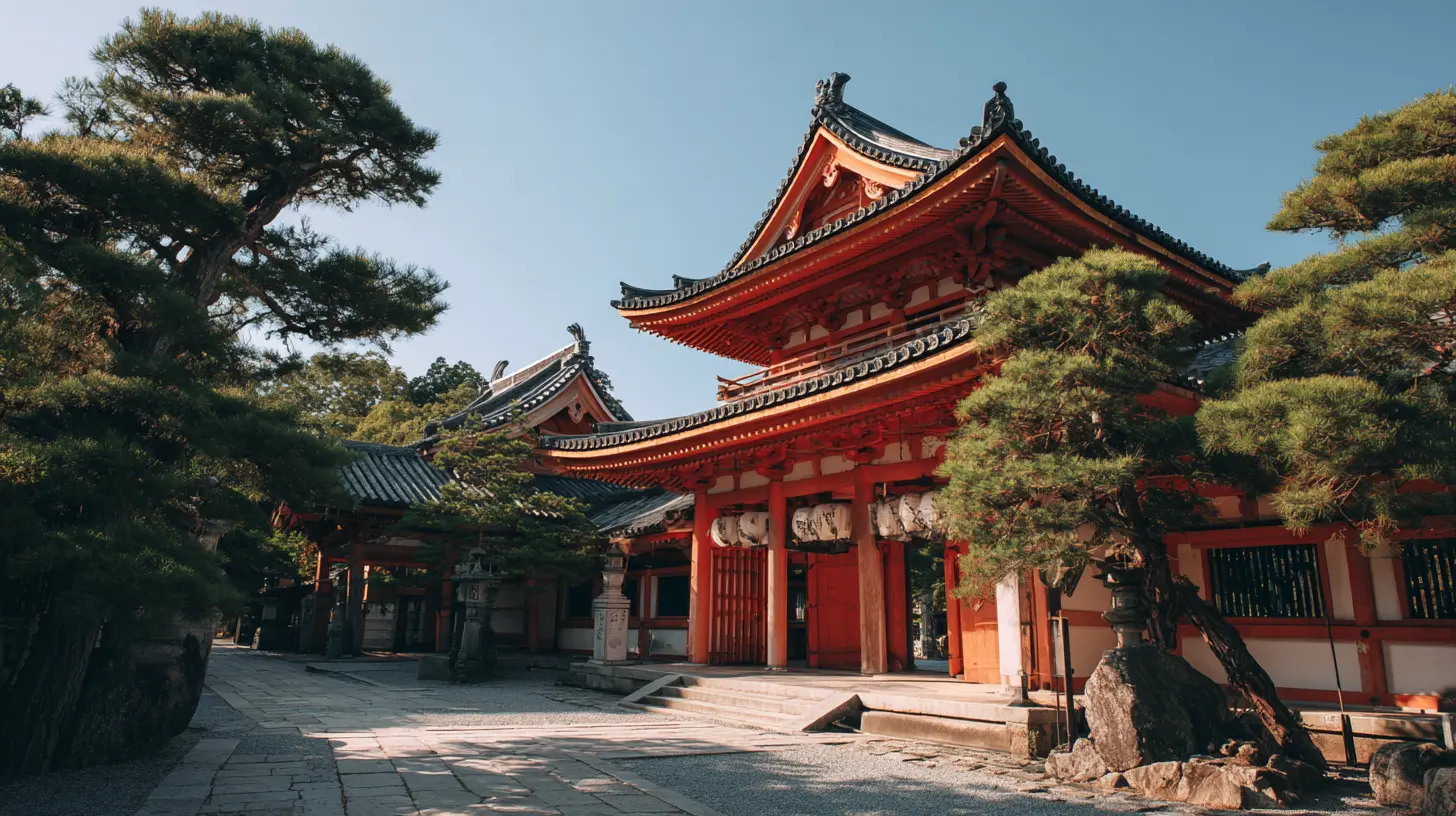
The Spiritual Experience
Visiting these temples isn’t just about ticking off items on your travel bucket list. It’s about immersing yourself in the spiritual essence that permeates the air. You might find yourself sitting in a Zen garden, listening to the rustle of leaves, or participating in a tea ceremony that emphasizes mindfulness and appreciation of the present moment.Meditation and Mindfulness
Temples often offer meditation sessions or workshops. Participating in one can be a transformative experience. Imagine sitting cross-legged, focusing on your breath while the world outside continues to buzz with activity. It’s like hitting the pause button on life, allowing you to recharge and reflect.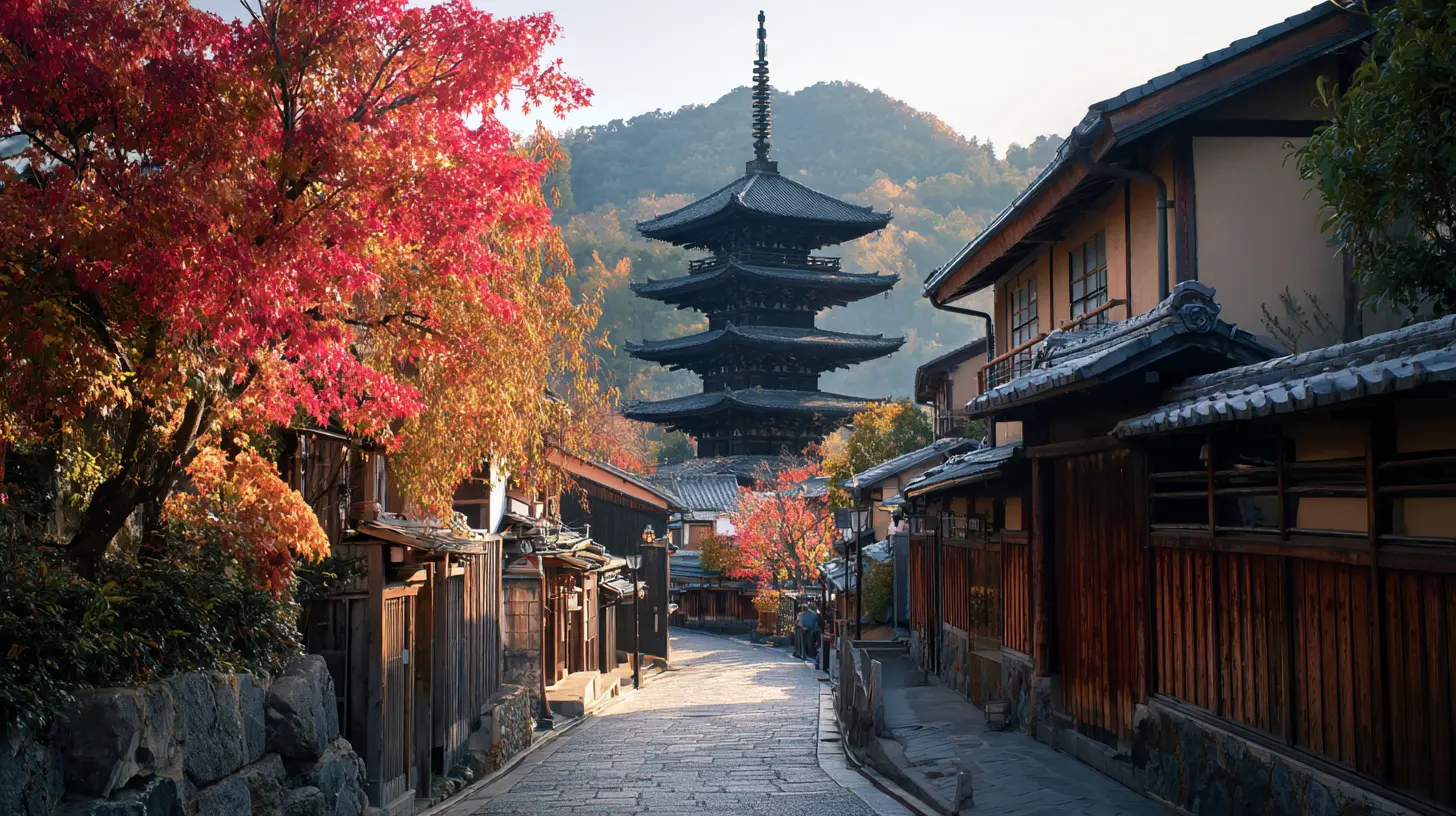
Connecting with Nature
The temples are often surrounded by beautiful gardens and natural landscapes. Take a moment to stroll through the grounds and appreciate the cherry blossoms in spring or the vibrant autumn leaves. Nature here isn’t just a backdrop; it’s an integral part of the temple experience.Seasonal Beauty
- Spring: Cherry blossoms bloom, creating a breathtaking scene.- Autumn: The foliage transforms into a tapestry of reds and golds.
Cultural Etiquette
When visiting temples, it’s essential to be respectful. Here are a few tips to keep in mind:- Dress Modestly: Wear clothes that cover your shoulders and knees.
- Quiet Respect: Keep your voice down and be mindful of others who are there to pray or reflect.
- Follow the Rules: Each temple may have specific guidelines, so pay attention to signs.
Making the Most of Your Visit
To truly immerse yourself in the experience, consider staying at a ryokan (traditional Japanese inn) near the temples. This will allow you to enjoy authentic Japanese hospitality and cuisine while being close to the serene environment of the temples.Ryokan Experience
Staying at a ryokan can be a delightful experience. You’ll sleep on tatami mats, enjoy kaiseki meals (multi-course Japanese dinners), and may even have the chance to soak in an onsen (hot spring). It’s the perfect way to unwind after a day of temple wandering.Conclusion: A Journey Worth Taking
Wandering through Japan’s ancient temples in 2027 is not just a trip; it’s a journey into the heart of a culture that values peace, spirituality, and tradition. Each temple tells a story, and every visit is an opportunity to connect with something greater than ourselves. Whether you’re seeking solace, inspiration, or just a break from the hustle and bustle of everyday life, Japan’s temples are waiting to welcome you with open arms.So, pack your bags, grab your camera, and prepare to step into a world where the ancient and modern coexist harmoniously. Japan’s temples are calling, and trust me, you won’t want to miss this extraordinary experience!
all images in this post were generated using AI tools
Category:
Travel StoriesAuthor:

Reed McFadden
Discussion
rate this article
2 comments
Hugo McNaughton
Exploring Japan's ancient temples in 2027 offers a unique glimpse into the country’s rich heritage. As you wander through serene landscapes and intricate architecture, you'll discover the profound tranquility and historical significance that these sacred sites embody, making for an unforgettable travel experience.
April 29, 2026 at 4:00 AM
Reed McFadden
Absolutely! Japan's ancient temples are a treasure trove of history and serenity. I can't wait for others to experience their beauty and depth in 2027.
Felix McGonagle
What a delightful journey through Japan's ancient temples! 🌸 Your words paint such vivid imagery that I can almost smell the cherry blossoms! Embrace the serenity and history waiting in every corner—can't wait to see these wonders in 2027! Happy wandering! 🗺️✨
April 24, 2026 at 3:59 AM
Reed McFadden
Thank you for your kind words! I can't wait to share more about these stunning temples and the beauty of Japan in 2027. Happy travels!