Unexpected Friendships Formed on a Night Train in 2027
4 October 2026
The night train has always been a strange social laboratory. Strip away the usual distractions of modern travel, the seatback screens, the constant connectivity, the ability to disappear into a phone, and you are left with a small group of strangers sharing a moving room for eight to twelve hours. Something has to give. In 2027, with sleeper rail enjoying a genuine revival across Europe and parts of Asia, that something turns out to be the carefully maintained distance we usually keep from people we do not know.
This article looks at why night trains produce friendships that daytime travel rarely does, what those friendships actually look like in practice, and how to approach a night journey if you want the social side to work in your favor rather than against you.
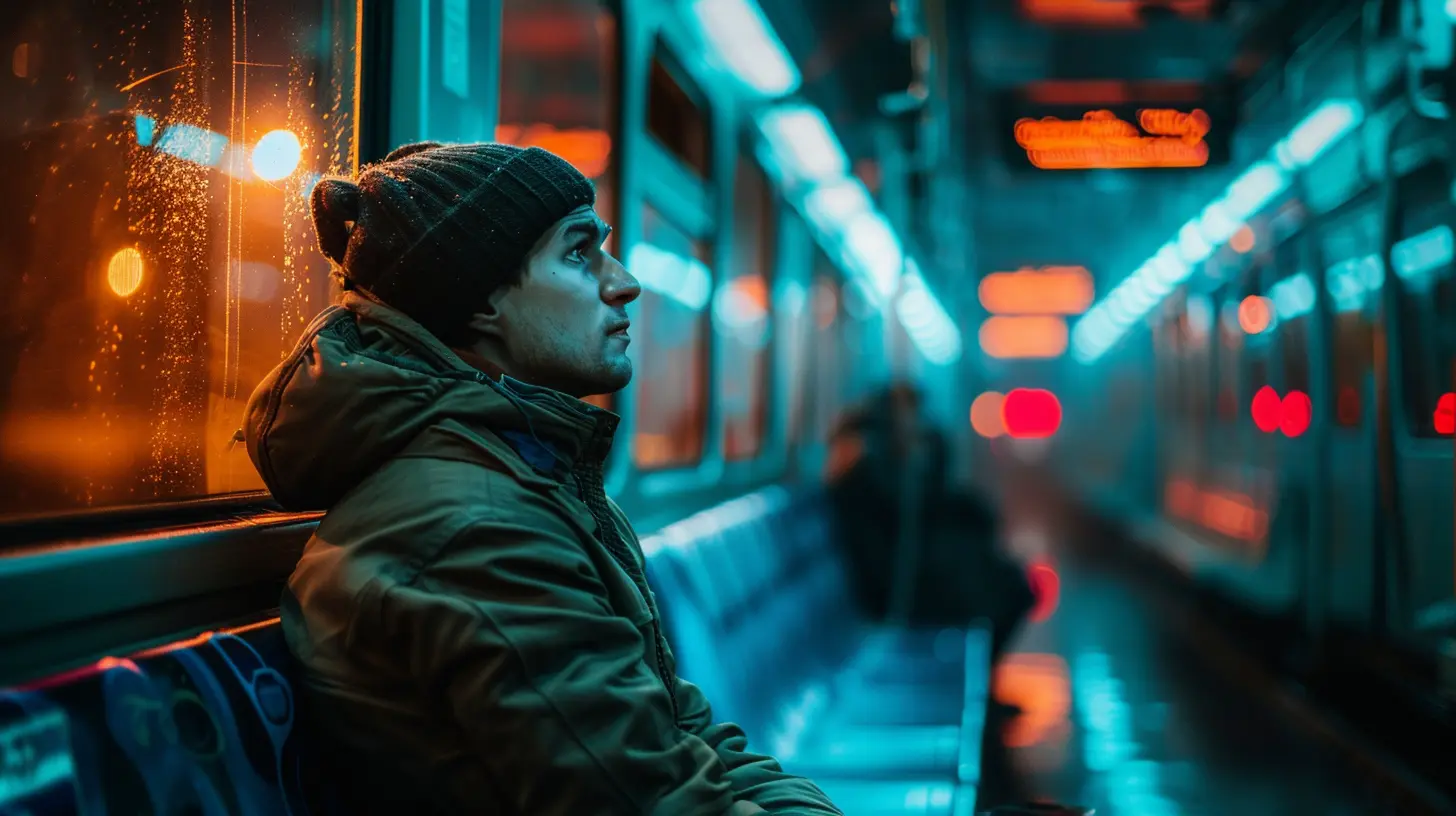
Why the Night Train Changes Social Rules
A daytime train is a corridor. You sit, you watch the landscape, you get off. Contact with strangers is optional and usually brief. A night train is a household. You eat, you change into something more comfortable, you brush your teeth in a swaying bathroom, you sleep, and you wake up somewhere new. The compressed domesticity of it forces a kind of intimacy that no amount of small talk on a plane can replicate.Sociologists who study travel behavior often point to what they call "situational communities." These are temporary groups that form when people share a confined space, a common goal, and a degree of mutual dependence. A night train hits all three. Everyone on board wants to arrive rested. Everyone depends on the same conductor, the same schedule, the same heating or air conditioning. When the train stops for two hours in the middle of nowhere because of a signal failure, that shared fate becomes very real.
The result is that the usual barriers drop faster than they would elsewhere. You are not trying to impress anyone. You are not competing for a job or a seat at a bar. You are just two people in pajamas trying to figure out whether the dining car is still open. That low-stakes context is precisely what makes genuine conversation possible.
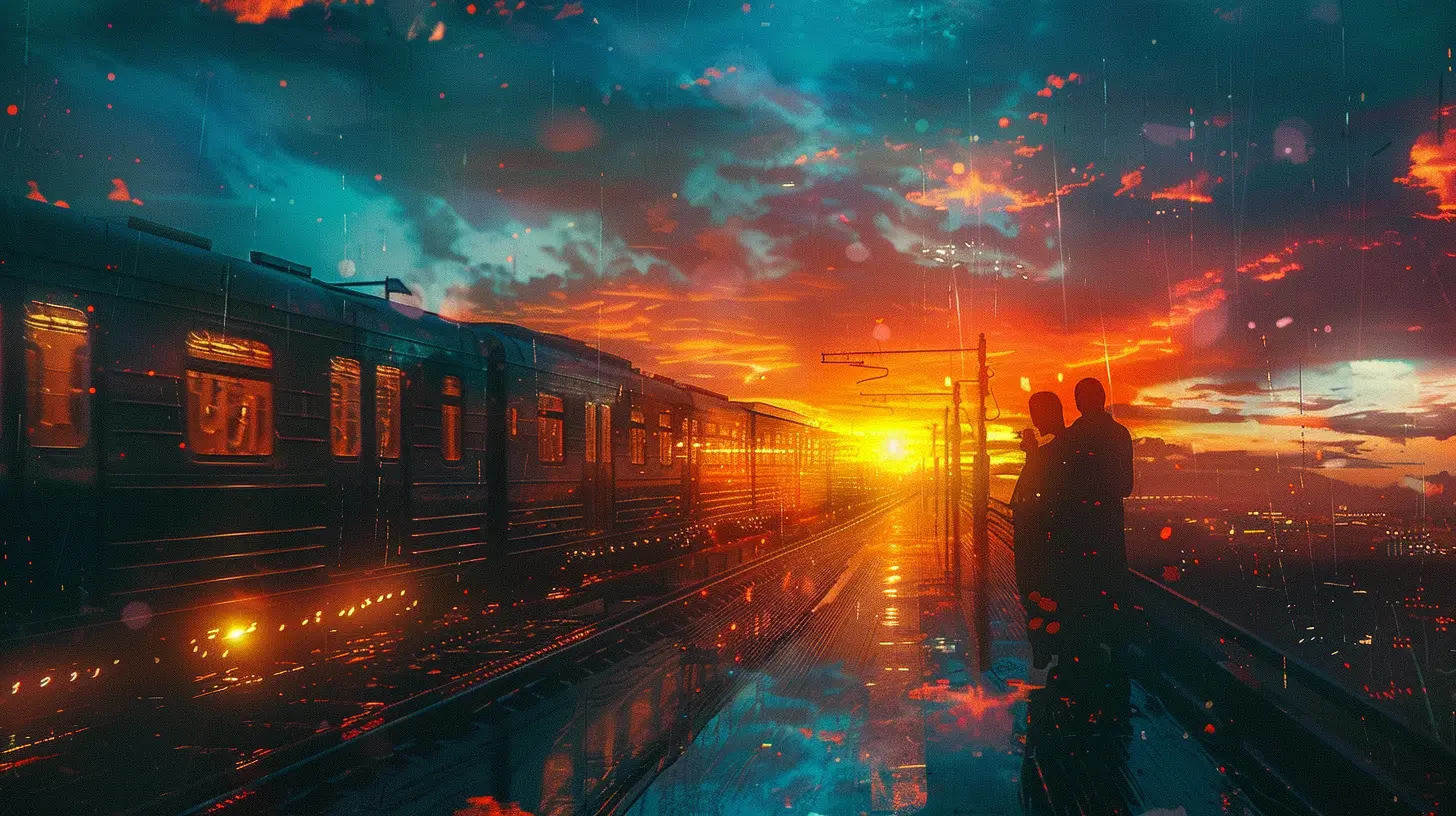
The Architecture of a Sleeper Car
Understanding the physical layout of a night train helps explain why certain friendships form and others do not.Couchettes and Shared Compartments
The classic six-berth couchette is the most social option. You are stacked three high on each side, with a narrow aisle between. There is no privacy curtain worth the name. Within twenty minutes of departure, someone will ask where you are from. Within an hour, someone will offer to share a bottle of wine. By morning, you may know more about your compartment mates than you know about some of your colleagues.This is not for everyone. If you value silence, a couchette can feel like a hostage situation. But if you are open to conversation, it is the single fastest way to meet people on a train.
Private Cabins and the Myth of Isolation
A private cabin with a lockable door sounds like the opposite of a social experience. In practice, it often is not. The door opens for the conductor, for the breakfast tray, and for anyone who needs to squeeze past in the corridor. More importantly, the dining car and the coffee machine at the end of the carriage are neutral ground. People who booked private cabins still wander out. The friendships that form in the corridor at 2 a.m., when neither of you can sleep, can be just as durable as those formed over a shared cheese plate in a couchette.The Dining Car as a Social Hub
If a night train has a proper dining car, treat it as the main event. Tables are usually shared. The menu is limited, the wine is often mediocre, and the lighting is unflattering. None of that matters. What matters is that you are sitting across from someone with nowhere else to be. The dining car is where the most interesting conversations happen, partly because everyone is slightly bored and partly because the ritual of eating together is older than any of us.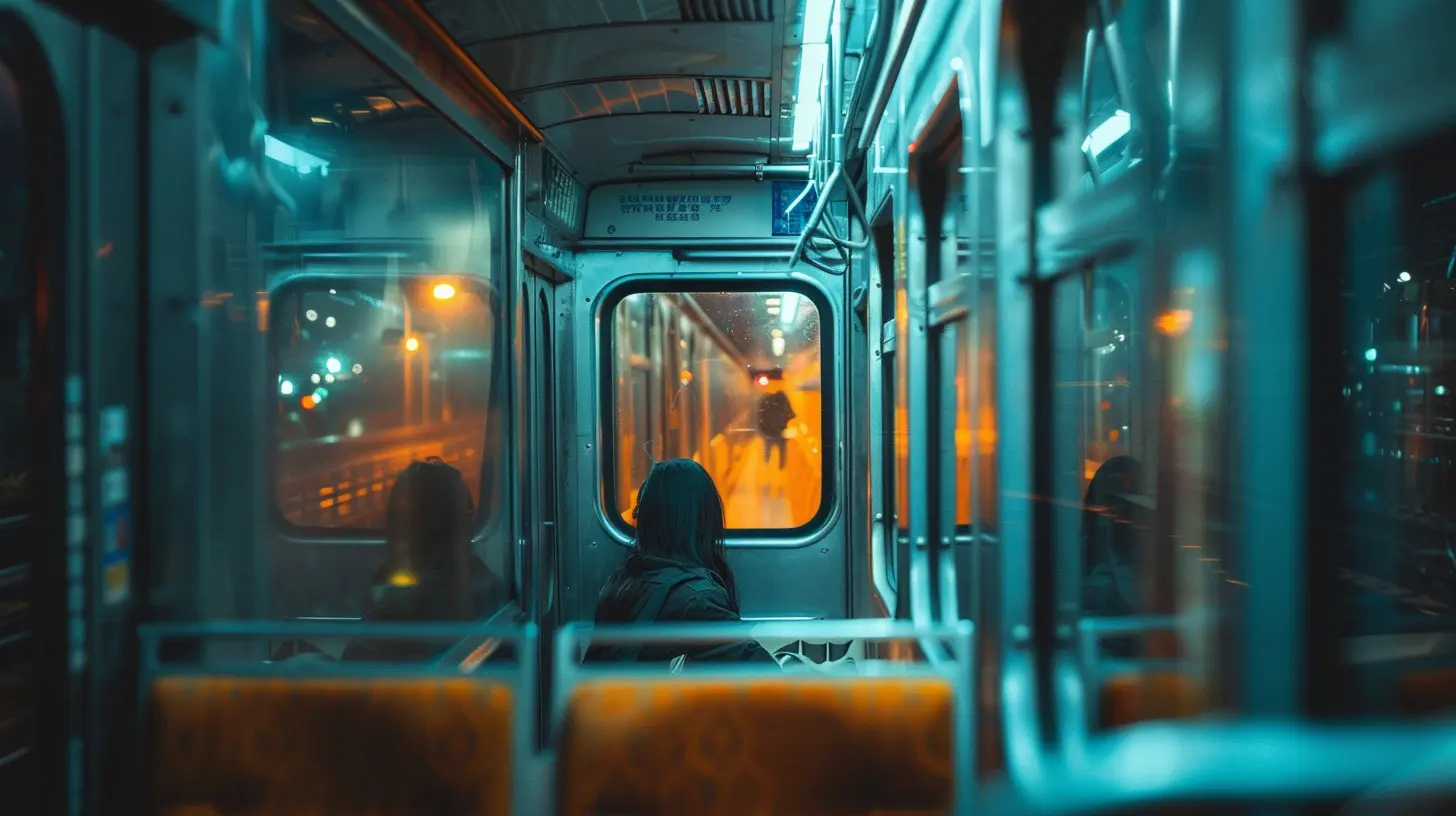
What These Friendships Actually Look Like
It is easy to romanticize night train encounters. In reality, they fall into a few recognizable categories.The One-Night Confidant
This is the most common. You talk for hours, you share something personal, you fall asleep, and you part ways at the station with a handshake or a hug. You may never speak again. That does not make the friendship less real. It just makes it temporary. Many travelers describe these conversations as some of the most honest they have had in years, precisely because there is no future to manage. You are not building a relationship. You are having one.The Travel Companion
Sometimes the connection extends beyond the train. You realize you are both heading to the same city, or you both have a free day, and you decide to spend it together. This is where night train friendships can turn into genuine travel partnerships. The advantage is that you have already passed the awkward getting-to-know-you phase during the night. The disadvantage is that you may have bonded over a shared sleeplessness that does not translate to daylight.The Long-Term Contact
Rare but real. A small percentage of night train friendships survive the journey. You exchange contact details, you message a few weeks later, and somehow the connection holds. These friendships tend to be based on something more than convenience. Maybe you share a profession, a hometown, or a particular obsession. The train was just the catalyst.The Wrong Fit
Not every encounter is a gift. Some people are loud, some are intrusive, some have opinions you would rather not hear at 4 a.m. Part of the skill of night train travel is learning to recognize when a conversation is worth having and when it is time to put in headphones and close your eyes.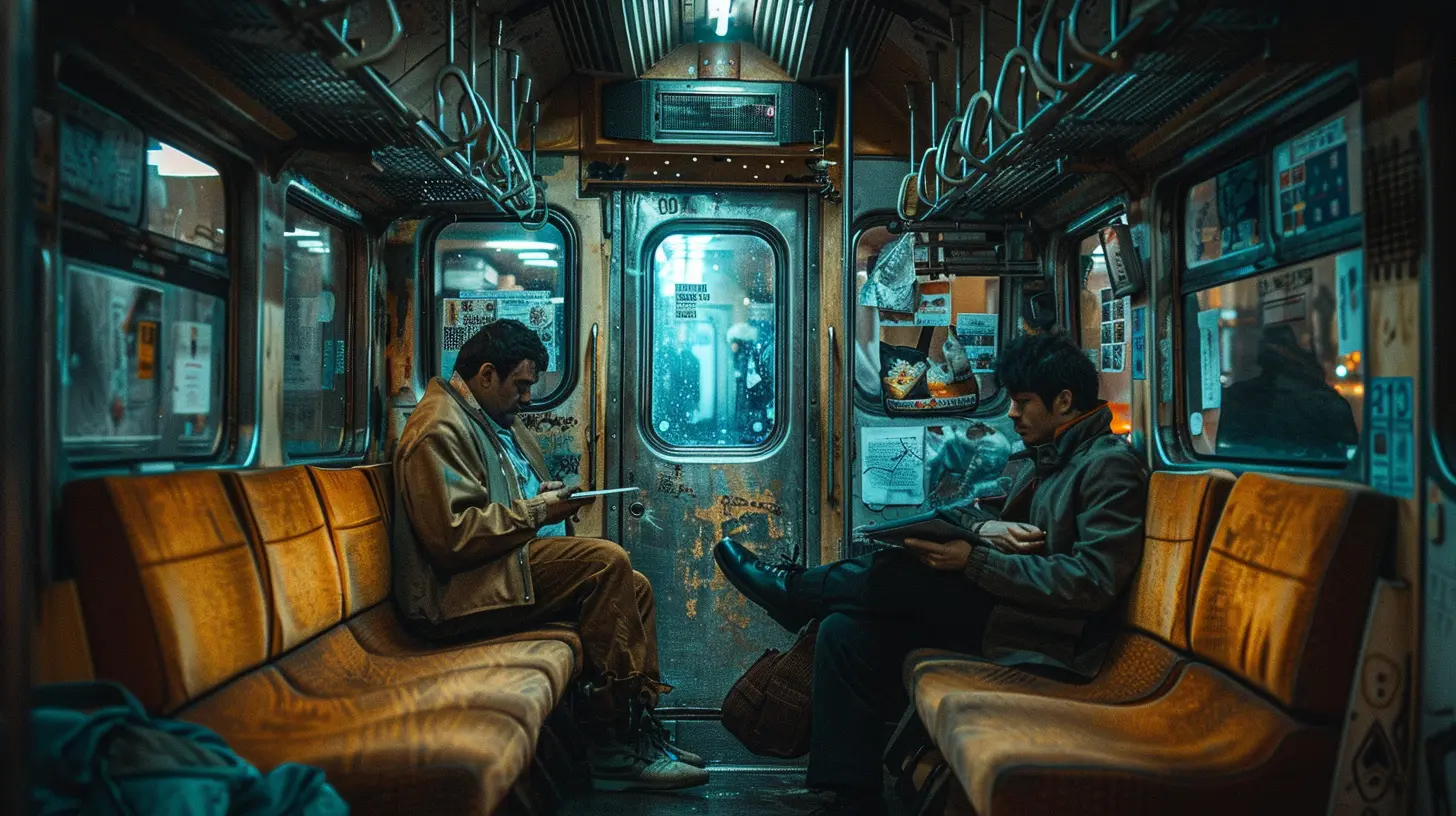
Why 2027 Is a Particularly Good Year for This
Several trends have converged to make night trains more socially interesting than they were a decade ago.First, the revival of sleeper services across Europe has brought a wider mix of passengers. You are no longer sharing a carriage only with budget backpackers or only with business travelers. You are sharing it with families, retirees, students, and people who simply prefer trains to planes for environmental reasons.
Second, the cultural shift away from constant screen use has made people more willing to talk to strangers. This is anecdotal, but it is noticeable. The pandemic years reminded many people how much they missed casual human contact. Night trains offer that contact in a contained, low-pressure setting.
Third, the rise of remote work has made it easier for people to take slower journeys. If you can work from a train, you can afford to spend a night getting somewhere. That means the passenger mix includes more people who are not in a rush, and people who are not in a rush are generally better company.
Practical Advice for Anyone Wanting This Experience
If you are considering a night train and you want the social side to be part of the appeal, here is what actually helps.Choose the Right Class
If you want conversation, book a couchette rather than a private cabin. If you want the option of conversation but also the option of escape, book a private cabin and spend time in the dining car. If you want silence, book a private cabin and bring earplugs. There is no wrong answer, but there is a wrong answer for you.Pack for Sociability
Bring something to share. A small bottle of wine, a pack of cards, a bag of good coffee. These are not bribes. They are icebreakers. The simple act of offering something changes the dynamic from two strangers in a confined space to two people sharing a moment.Sit in the Dining Car Even If You Are Not Hungry
Order a tea. Sit down. Look up. The dining car is where the magic happens, and it will not happen if you stay in your compartment with the door closed.Read the Room
Not everyone wants to talk. If someone has headphones on, a book open, or is clearly trying to sleep, leave them alone. The best night train conversations happen when both people are open to them. Forcing it ruins the experience for everyone.Be Honest About Your Boundaries
If a conversation is going somewhere you do not want it to go, you are allowed to end it. A simple "I am going to try to get some sleep now" is enough. You do not owe anyone your time just because you are sharing a train.Exchange Contact Details Only If You Mean It
If you want to stay in touch, say so and follow through. If you do not, a warm goodbye is perfectly fine. There is no obligation to turn a pleasant night into a sustained correspondence.
Common Mistakes and Misconceptions
A few things trip people up.The first misconception is that night train friendships are always deep and meaningful. Sometimes they are. Sometimes they are just two people passing the time. Both are valid. Do not put pressure on the encounter to be something it is not.
The second mistake is treating the train as a singles bar. It is not. People are tired, vulnerable, and in a confined space. Respect that. The friendships that form are usually platonic, and that is part of what makes them valuable.
The third mistake is over-sharing too quickly. The intimacy of the setting can trick you into revealing things you would not normally share with a stranger. That can be liberating, but it can also leave you feeling exposed in the morning. Pace yourself.
The fourth mistake is assuming the friendship will survive the journey. Some will, most will not. That is not a failure. It is the nature of temporary communities.
When a Night Train Friendship Is Not Worth Pursuing
There are situations where the social side of a night train is better avoided. If you are traveling with a partner or a group, your priority is usually each other. If you are on a tight schedule and need to arrive rested, sleep matters more than conversation. If you are in a fragile emotional state, a deep late-night talk with a stranger can be more destabilizing than healing.Trust your instincts. The night train will still be there next time.
The Real Value of These Encounters
The friendships formed on night trains in 2027 are not remarkable because they are unusual. They are remarkable because they are ordinary. They remind us that connection does not require apps, algorithms, or shared history. It requires proximity, time, and a willingness to look up.In a world that is increasingly designed to keep us apart, the night train is a small act of resistance. It puts us in a box with strangers and asks us to make it work. Most of the time, we do. And occasionally, we walk away with something we did not expect: a friend.
all images in this post were generated using AI tools
Category:
Travel StoriesAuthor:

Reed McFadden