Ultimate Guide to Sunset Watching Across the World in 2026
20 October 2026
Sunset watching is one of the few travel activities that costs nothing, requires no reservation, and delivers a moment you will remember for decades. Yet most travelers treat it as an afterthought, something that happens while they are finishing dinner or walking back to the hotel. This guide treats sunset watching as a craft. It covers where to go, when to go, how to read a sky, and how to avoid the mistakes that turn a potentially transcendent evening into a disappointing one.
The year 2026 brings some practical shifts worth planning around. Several major sites have moved to timed-entry systems, visitor caps at popular viewpoints continue to expand, and climate patterns are altering what "good sunset season" means in certain regions. This guide factors those realities in, so your planning reflects how the world actually works now rather than how it worked a decade ago.
Why Sunsets Deserve Real Planning
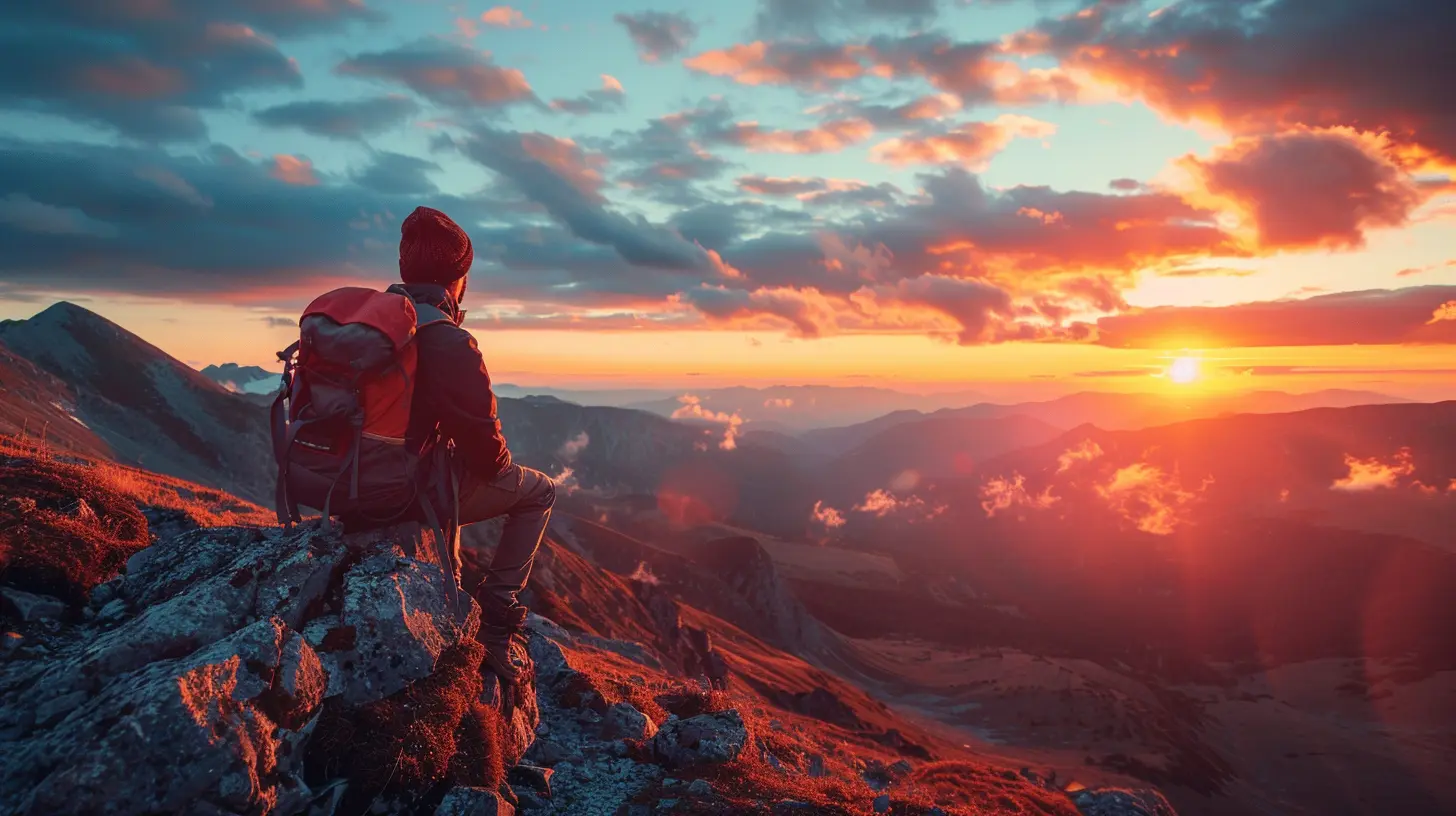
A sunset is not a single event. It is a sequence: the warm light of the golden hour, the moment of the sun touching the horizon, the afterglow of civil twilight, and sometimes the deep blue of the blue hour that follows. Each phase rewards a different vantage point and a different frame of mind. Travelers who arrive five minutes before the sun dips often miss the best part, which frequently happens ten to twenty minutes after the sun is gone.There is also a physics dimension worth understanding. The colors you see depend on how much atmosphere the light passes through, which is why sunsets over oceans and flat plains often look richer than sunsets over mountains. Dust, humidity, and cloud structure all play a role. A sky with high, scattered clouds and a clear western horizon usually produces the most dramatic color. A completely cloudless sky often produces a clean but plain sunset. Knowing this lets you choose locations and dates with intention rather than luck.
How to Read a Sky Before You Commit
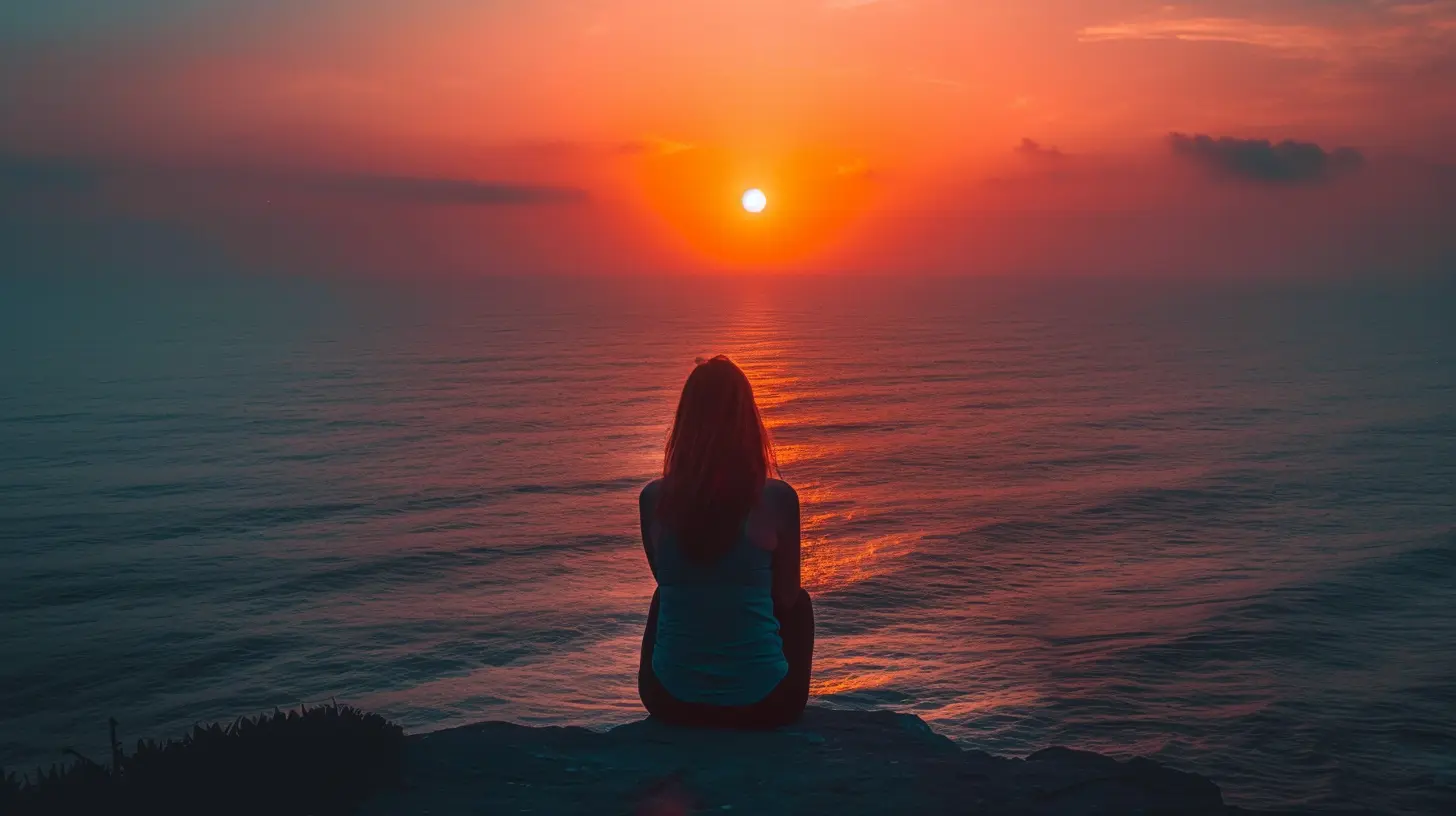
Experienced sunset chasers do not just check whether it will be sunny. They read the sky in layers.The western horizon. If there is a thick bank of cloud sitting on the horizon, the sun will disappear early and the show may be muted. A clear or thinly veiled horizon lets light reach the underside of higher clouds.
Mid-level and high clouds. These are the canvas. Scattered altocumulus or cirrus clouds catch light after the sun has set, which is what creates those pink and orange displays. Overcast skies at these levels tend to flatten everything into gray.
Humidity and haze. Moderate haze can deepen reds and oranges. Excessive haze or smoke can dull the sky into a brownish wash. This matters in regions with seasonal wildfire activity, where late summer sunsets can be striking one day and disappointing the next.
Wind direction. On coastlines, an offshore wind often clears the western horizon and improves visibility. An onshore wind can push marine layer clouds toward land, which sometimes helps and sometimes ruins the view depending on height.
A simple habit: check a satellite cloud image a few hours before sunset and look at the western sky in the direction of the sun. If you see a gap near the horizon with textured cloud above it, go. If the entire western sky is a uniform gray sheet, consider a backup plan.
The Best Regions and Why They Work
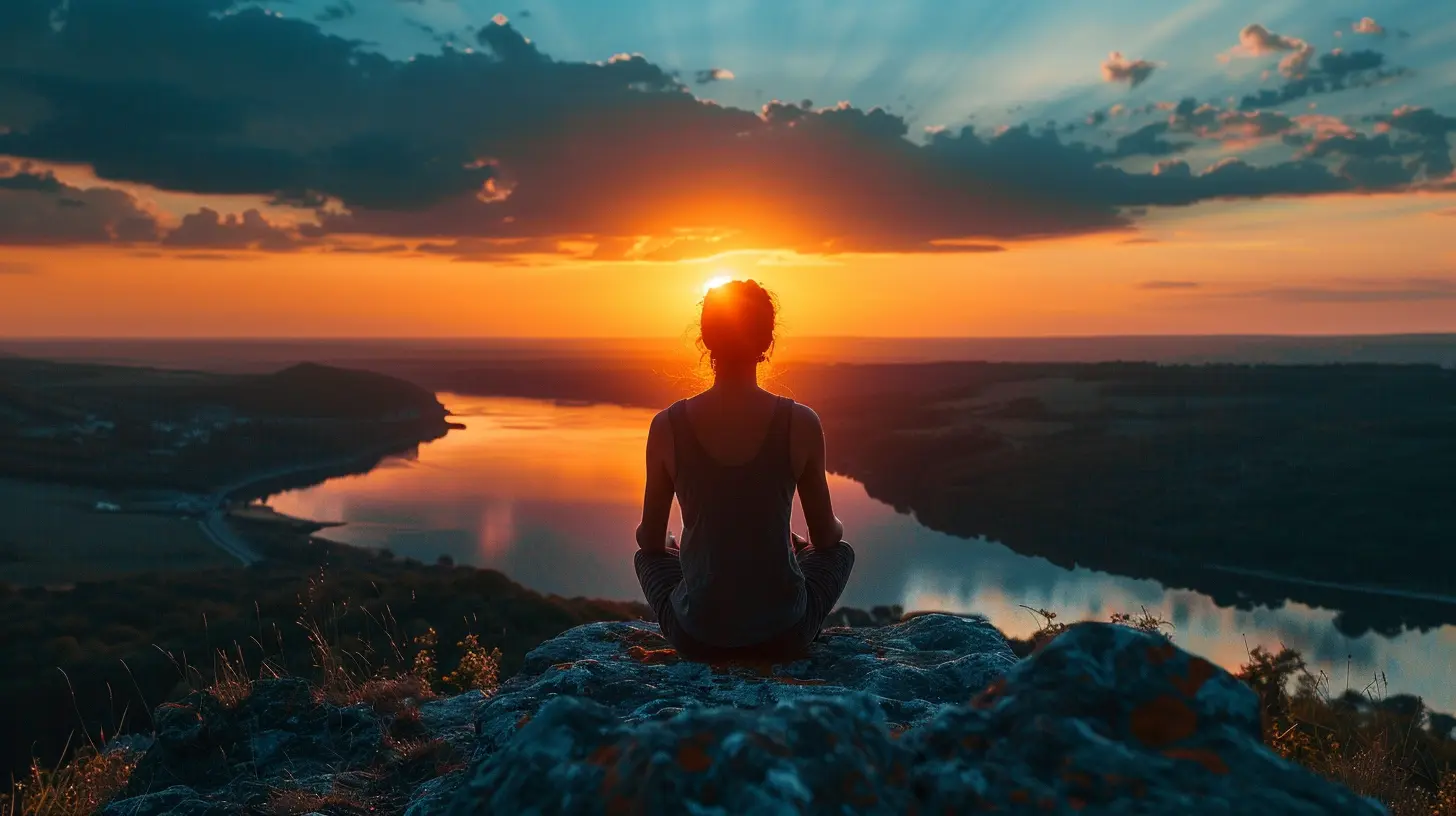
Rather than a list of Instagram spots, here is a regional breakdown built around the conditions that make sunsets reliable.The Mediterranean and Aegean
Island sunsets in Greece and southern Italy work because the western horizon is open water, which means the sun stays visible until it meets the sea, and the light reflects off the water surface. Santorini gets the crowds, but the same geometry exists on dozens of quieter islands. The trade-off is real: famous caldera viewpoints in 2026 will be packed and some require advance booking during peak season. A lesser-known village on the same island often delivers 90 percent of the view with 10 percent of the people. Consider which matters more to you before committing.The High Deserts of the American Southwest
Deserts produce some of the most saturated sunsets on earth because dry air scatters less light and dust particles add warmth. Places like southern Utah and northern Arizona combine this with dramatic rock formations that catch the last light. The catch is that desert sunsets are fleeting and the temperature drops fast after the sun goes down. Bring a layer. Also note that many desert viewpoints sit on lands with cultural significance to Native nations; check access rules and respect closures.Atlantic and Pacific Coastlines
Any west-facing coast gives you an unobstructed horizon, but the quality varies with prevailing weather. The Pacific coast of the Americas and the Atlantic coast of Portugal and Morocco both offer long, clean sightlines. Coastal fog is the main risk. In places like the California coast, summer fog can swallow the sunset entirely, while the same location in autumn is often crystal clear. Season matters more than location here.High-Altitude Locations
At altitude, the air is thinner and the sun sets with a sharper, more intense quality. Mountain viewpoints in the Andes, the Alps, and the Himalayas can be extraordinary. The trade-off is logistics: you often need to descend before dark, and weather can close in quickly. Always check the time of local sunset against the time you need to start walking down, and carry a headlamp even if you plan to be back before dusk.The Equatorial Tropics
Near the equator, sunset is fast. The sun drops almost vertically, and twilight is short. This is not a disadvantage if you plan for it: the colors can be intense and the transition to night is quick, which suits travelers who do not want a long wait. The risk is afternoon thunderstorms, which are common in many tropical regions. Morning clarity does not guarantee an evening show.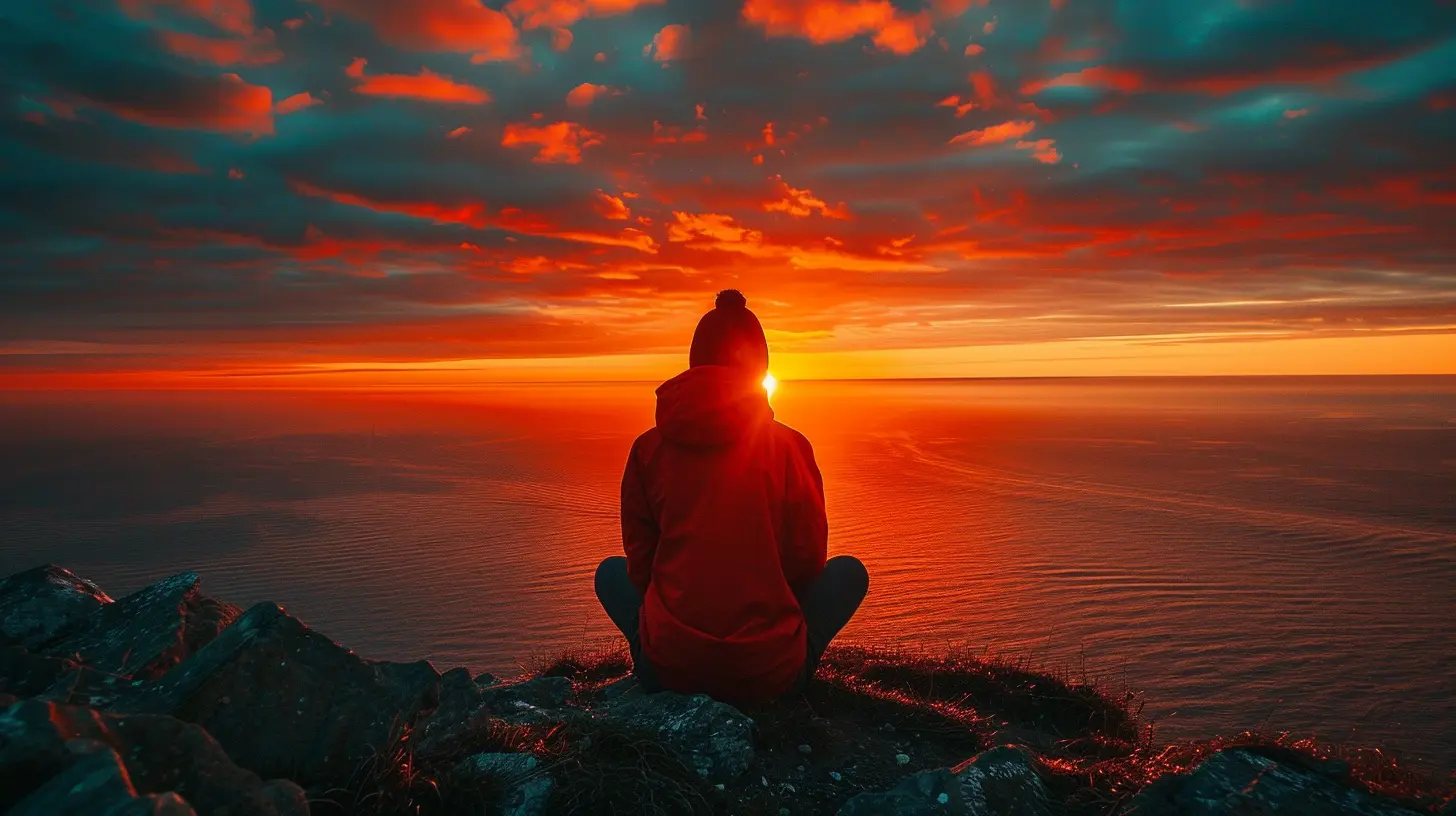
Timing: The Part Most People Get Wrong
Arrive at least 45 minutes before sunset. This gives you time to find your spot, settle in, and watch the golden hour develop. The golden hour, roughly the last hour of daylight, often produces better photographs than the sunset itself because the light is soft and directional.Stay at least 20 minutes after sunset. The afterglow is frequently the most colorful phase, especially when high clouds are present. Many people leave too early and miss it.
Use a sunset time calculator for your exact coordinates, not your city. Coastal locations can differ by several minutes from inland ones, and mountains can hide the sun well before the official time. In a valley, the sun may disappear behind a ridge an hour before the calculated sunset. Know your horizon.
Practical Advice That Actually Changes the Experience
Choose your direction, not just your location. A viewpoint facing west is obvious, but a spot facing east can be better for afterglow, because the light bounces off the western sky and illuminates the eastern clouds. Some of the best color appears opposite the sun.Bring the right layers. Temperature drops quickly after sunset, especially in deserts and at altitude. A light windproof layer makes the difference between lingering and leaving early.
Skip the tripod unless you need it. For most travelers, a phone or a compact camera is enough, and a tripod slows you down. If you are serious about photography, arrive earlier and scout your composition in daylight.
Eat before, not during. Restaurants with sunset views charge a premium and often have obstructed sightlines. A picnic or an early meal followed by a viewpoint is usually a better use of the evening.
Respect closures and private land. Many coastal and rural viewpoints sit on private property or protected land. In 2026, more sites enforce access rules than ever. Check before you go, and never climb fences or ignore signage for a photo.
Common Mistakes and Misconceptions
"The best sunset is always over the ocean." Not true. Deserts, lakes, and even cities with interesting skylines can produce remarkable sunsets. What matters is an open western horizon and the right cloud structure."Summer is the best season." Often the opposite. In many regions, autumn and winter bring clearer air and more dramatic cloud patterns. Summer can mean haze, fog, or crowds.
"I need to be at the famous spot." Famous spots are famous for a reason, but they are also crowded and sometimes overrated. A short walk away from the main viewpoint often improves both the view and the experience.
"A cloudless sky means a great sunset." A clear sky gives you a clean sun disc but often a plain sky afterward. Some cloud is your friend.
"I can just show up." At popular sites in 2026, timed entry, parking limits, and shuttle systems are increasingly common. Check access rules before you build your evening around a location.
A Note on Responsible Sunset Watching
Crowded viewpoints create real problems: trampled vegetation, noise, and pressure on local communities. Arrive with a plan to leave no trace, carpool or use public transport where possible, and support local businesses rather than treating a village as a backdrop. If a site asks for quiet or has cultural restrictions, follow them without negotiation. The sunset will still be there tomorrow; the place may not be if visitors treat it carelessly.
Building a Sunset Itinerary That Works
The best sunset travel is built around a few principles rather than a checklist. Pick a base with a reliable western horizon. Give yourself two or three evenings in each place, because weather is unpredictable and one clear night may be all you get. Alternate famous viewpoints with quiet ones so you are not always fighting crowds. And leave room for the unexpected: sometimes the best sunset happens from a roadside pullout or a hotel balcony you did not plan.Above all, treat the sunset as the destination, not the backdrop. Put the phone down for a few minutes. The colors will still be there when you look up.
all images in this post were generated using AI tools
Category:
Sunset SpotsAuthor:

Reed McFadden

