Top Trends in Luxury Resorts That Will Redefine Travel by 2027
16 May 2026
Let me paint you a picture. You are standing on a private balcony, the salt air kissing your skin. The ocean stretches out like a rumpled blue blanket, and the only sound is the gentle lapping of waves. But here is the twist: your room knows you. It adjusted the temperature the moment you walked in, the playlist humming softly is based on your morning mood, and the minibar is stocked with snacks you actually like, not overpriced peanuts from 2019. This is not a fantasy. This is where luxury resorts are heading by 2027, and trust me, the changes are deeper than a new infinity pool.
Luxury travel is having a quiet revolution. It is no longer about gilded mirrors and champagne towers. The new definition of opulence is about time, authenticity, and experiences that feel like they were written just for you. In this article, I am going to walk you through the top trends that will redefine how you think about resorts in just a few years. Buckle up.
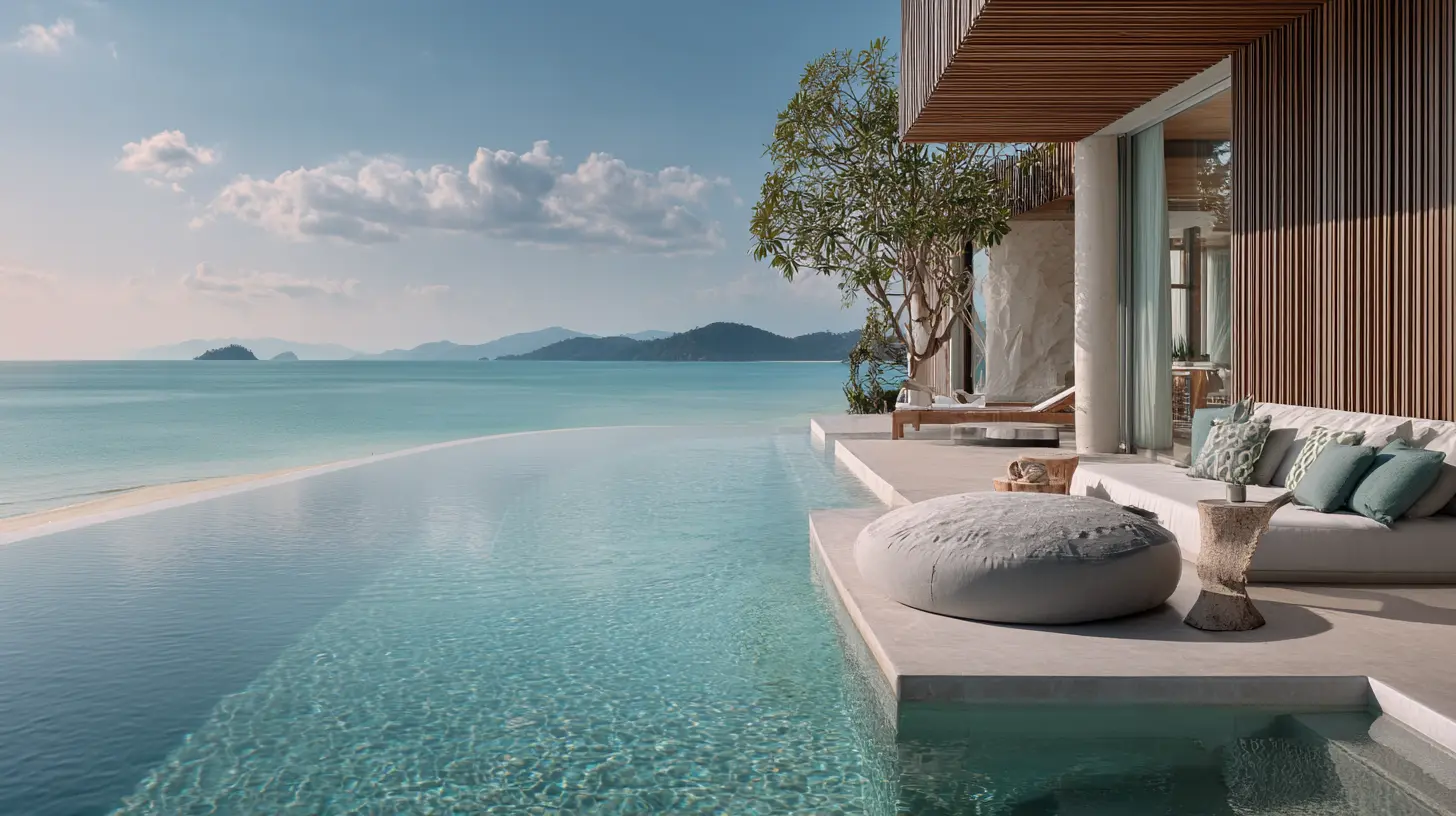
The Rise of Hyper-Personalization (Without the Creepy Factor)
We all hate when a brand pretends to know us but just sends generic emails. By 2027, luxury resorts will ditch the one-size-fits-all welcome basket. Instead, they will use data in a way that feels like magic, not surveillance.Imagine checking into a resort in Bali, and the concierge already knows you prefer a vegan breakfast, that you hate feather pillows, and that you booked this trip because you just finished a stressful project at work. They do not need to ask. Your room has a smart assistant that learns your habits over a few days. It dims the lights when you start to yawn. It suggests a sunrise yoga session because you slept poorly last night. This is not AI taking over; it is AI serving you like a butler who has known you for years.
Resorts will also let you build your stay like you build a playlist. You pick your scent for the room, your preferred water temperature for the spa, and even the type of silence you want (forest silence vs. ocean silence). By 2027, personalization will be so seamless that you will forget you are being catered to. It will just feel right.
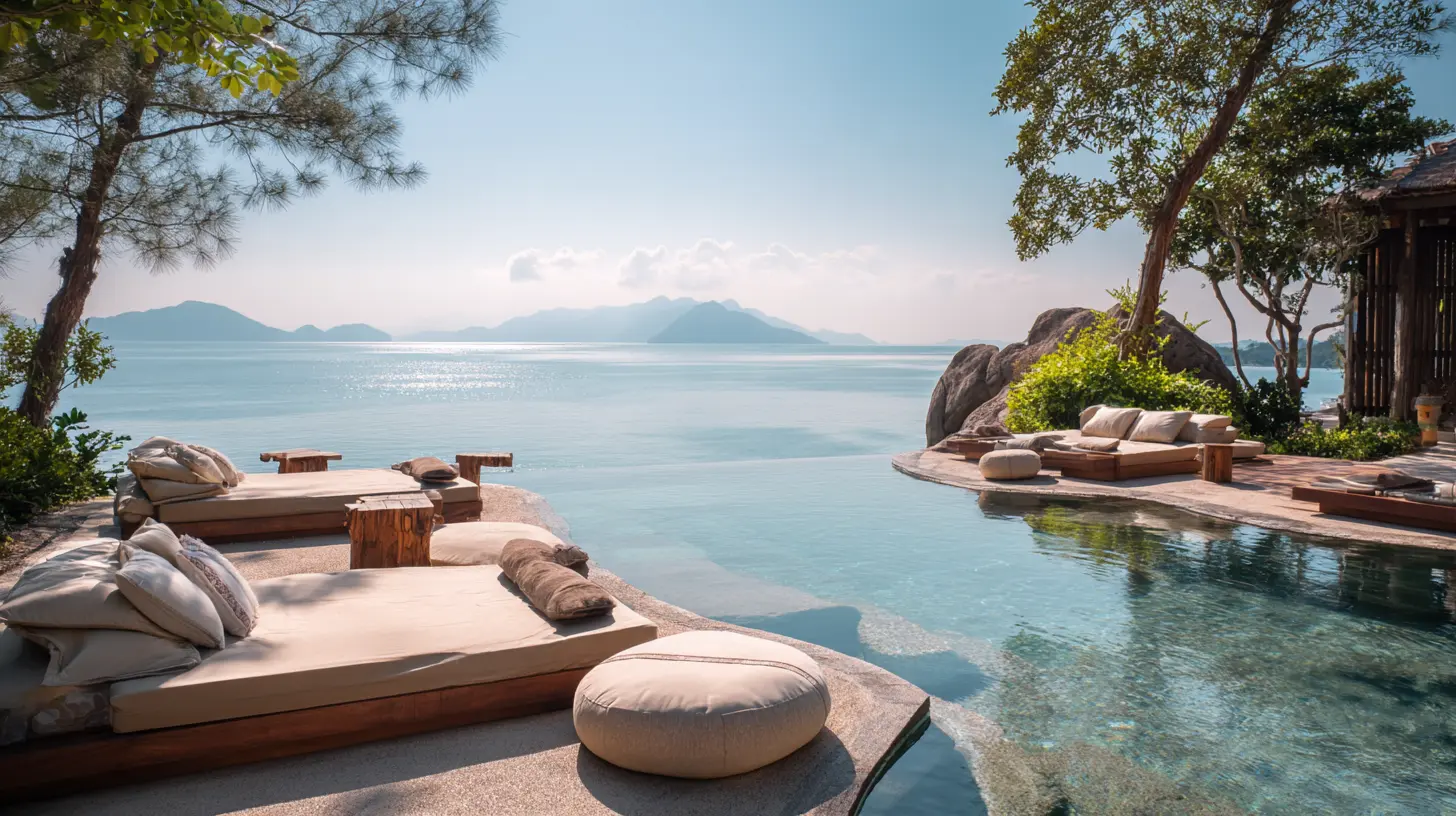
Wellness That Goes Beyond the Spa
Let me be honest. The old spa model was great for a few hours of relaxation, but it rarely changed your life. The new trend is about wellness that sticks. Think of it as a wellness residency, not just a massage.By 2027, top luxury resorts will offer multi-day programs that blend ancient practices with modern science. You will have a personal wellness coach who looks at your sleep data, your stress levels, and your diet. They will design a schedule that includes cold plunges, breathwork sessions, and even brain-training games. Some resorts in the Swiss Alps are already testing biohacking suites where you can get an IV drip of vitamins after a long flight or try red light therapy to boost your energy.
But here is the kicker: it will not feel clinical. Resorts will disguise these treatments as fun activities. A "morning walk" might include a guided meditation through a lavender field. A "cooking class" might be a nutritionist teaching you how to make gut-healthy meals. The goal is to send you home feeling better than when you arrived, not just relaxed but actually repaired.
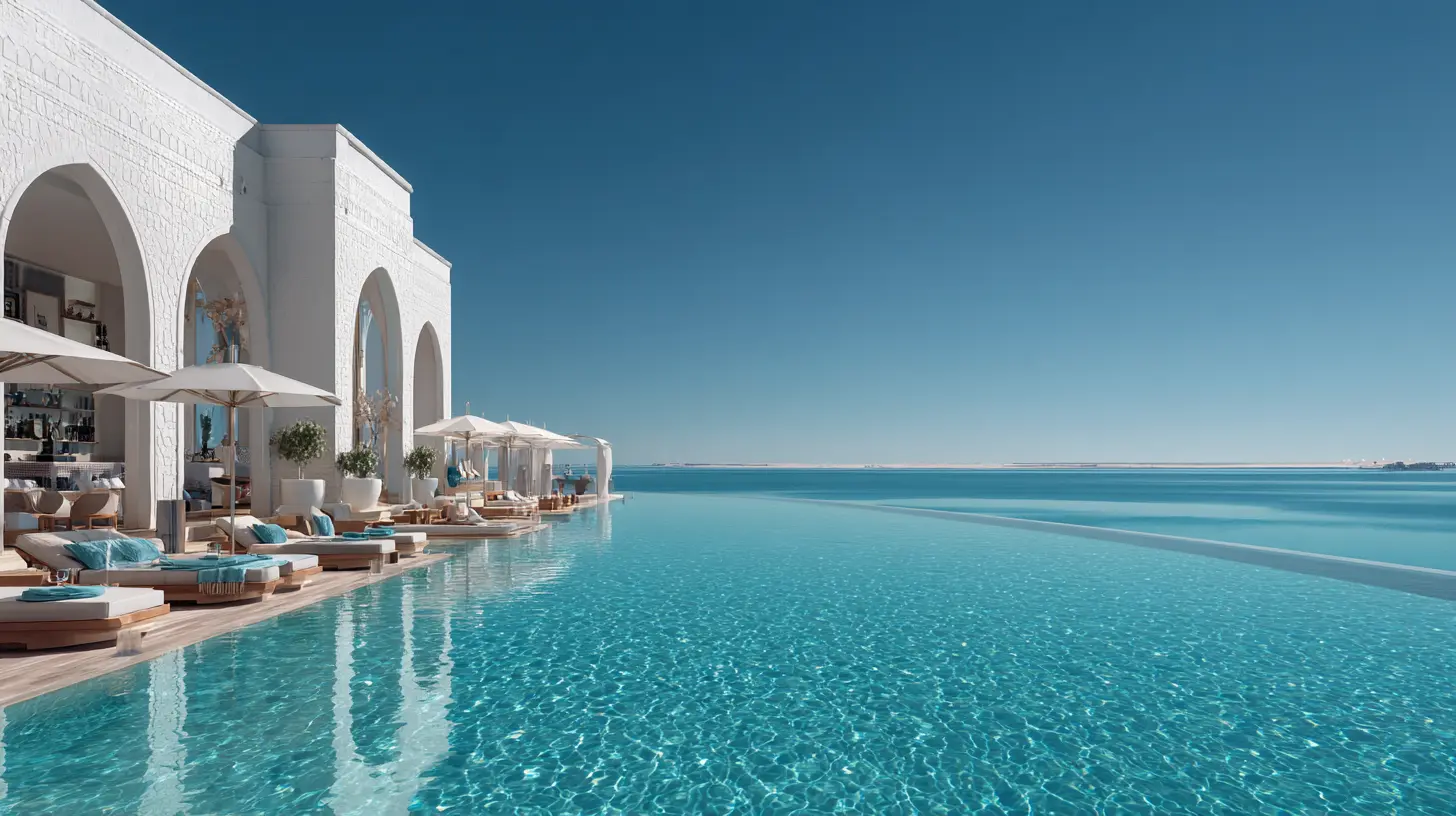
The Slow Travel Movement Hits the High End
Remember when luxury meant packing five countries into one trip? That is so 2023. By 2027, the most exclusive resorts will encourage you to stay put. The trend is called "slow travel," and it is about depth over breadth.Luxury resorts will become destinations in themselves, with enough to keep you busy for a week or more. Think of a resort in the Maldives that has its own marine biology lab where you can help tag sea turtles. Or a ranch in Patagonia where you spend a week learning to ride horses, cook over an open fire, and track pumas with a guide. The resort becomes your base camp for a deeper connection to a place.
This shift also means longer stays. Resorts will offer discounts for seven-night bookings, not because they want your money, but because they want you to slow down. You will have time to learn the names of the staff, discover the hidden coves, and watch the sunset from a different spot each night. The luxury is not in the marble floors; it is in the unhurried rhythm of your days.
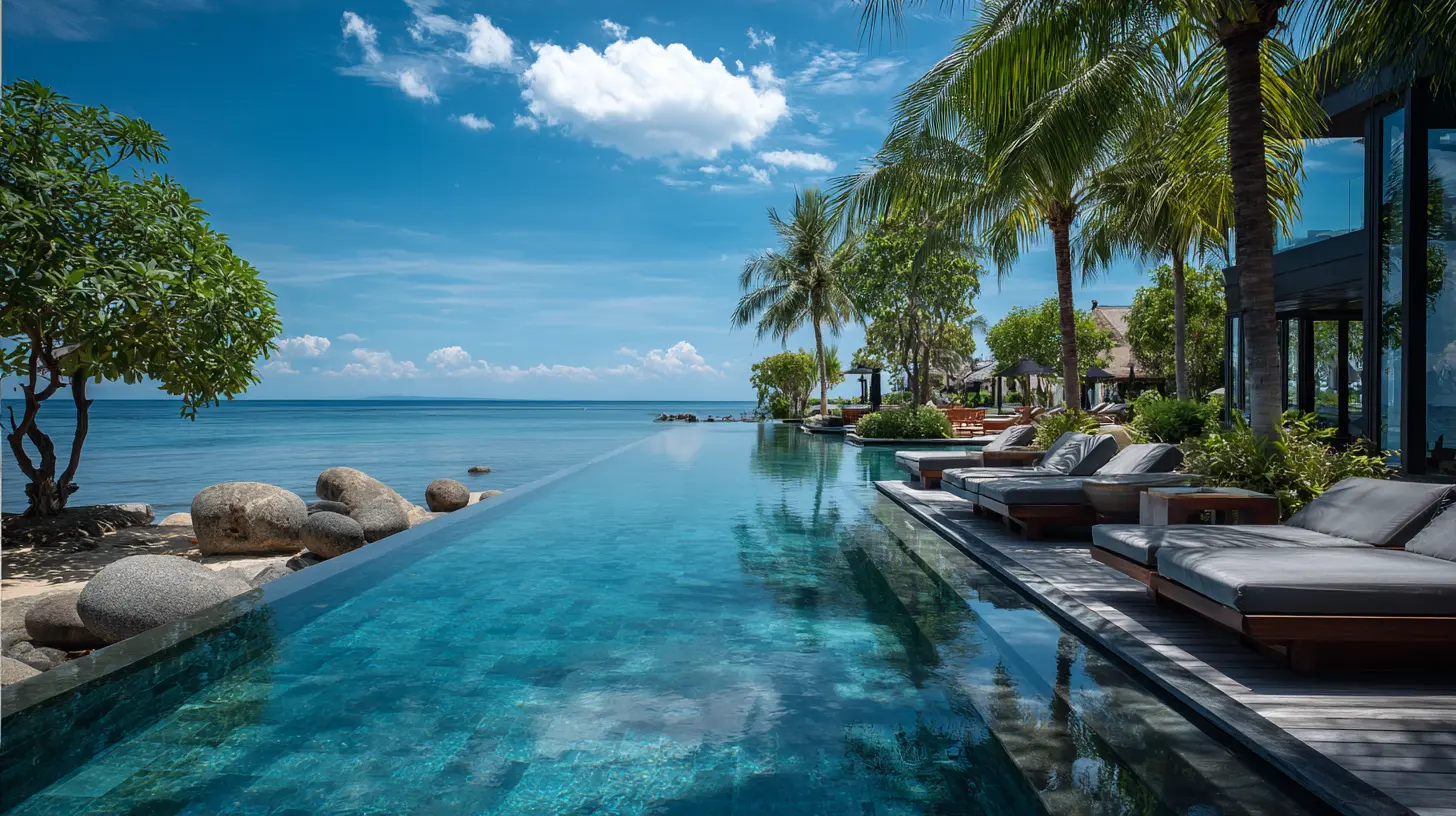
Sustainability Becomes Invisible (And Actually Cool)
Let us face it: sustainability has been a buzzword for too long. By 2027, it will not be a selling point; it will be a baseline. The best luxury resorts will make eco-conscious choices that you barely notice because they are so well designed.Think of a resort in Costa Rica that runs entirely on solar power, but the panels are hidden under terracotta tiles. The water is filtered through a natural reed bed, and the waste is composted on site to feed the organic garden. You will not see a single "save the towel" sign. Instead, the towels are made from bamboo that feels softer than cotton, and the soap is handmade by a local women's cooperative.
The real shift is in how resorts treat the local community. By 2027, luxury will mean hiring local architects, using local materials, and training staff from nearby villages. You will eat food grown within a few miles, and the resort will fund local schools or conservation projects. It is not charity. It is a partnership. And it makes your stay feel good in a way that no amount of gold leaf ever could.
The Rise of "Bleisure" and Work-From-Resort
The pandemic changed how we think about work. By 2027, the line between business and leisure will be completely blurred. Luxury resorts are already building coworking spaces that rival Silicon Valley offices. But the trend goes deeper.Imagine a resort in the Greek islands that offers a "work from paradise" package. You get a private villa with a dedicated office that has a standing desk, noise-canceling walls, and a 360-degree view of the Aegean Sea. You work in the morning, take a swim at lunch, and hop on a sunset catamaran meeting in the afternoon. Your kids are in a supervised kids' club that also does coding classes.
This is not just for digital nomads. Busy executives will book week-long stays where they can attend virtual board meetings from a beach cabana. Resorts will offer high-speed Starlink internet, backup generators, and printing services that work. They will even have a "work concierge" who can handle your printing, scanning, and shipping needs. The luxury is in the flexibility. You can finally take that trip to Thailand without using all your vacation days.
Culinary Experiences That Tell a Story
Gone are the days when a Michelin-starred restaurant was enough. By 2027, luxury resorts will offer food that is an experience from farm to table, and I mean literally from farm to table. Some resorts will have their own farms where you can pick your own vegetables for dinner. Others will have foraging walks with a chef who shows you which wild herbs to use.But the real trend is about hyper-local, hyper-seasonal menus. Think of a resort in Japan that sources its fish from a single fisherman who catches it that morning. Or a resort in Mexico that only uses heirloom corn grown by a specific village. The chef will come to your table and tell you the story behind each dish. You will taste the soil, the weather, and the hands that grew it.
Resorts will also experiment with "dining journeys." You might start with an aperitif in a hidden garden, move to a candlelit cave for the main course, and finish with dessert on a rooftop under the stars. Each course comes with a new view, a new mood, and a new story. It is dinner and a show, but the show is the food itself.
Privacy as the Ultimate Status Symbol
Let us be real. Sometimes the most luxurious thing in the world is being left alone. By 2027, privacy will be the new gold standard. Resorts are already designing villas that are completely hidden from view, with private pools, private chefs, and private entrances.But the trend goes further. Some resorts will offer "invisible service." You will never see a staff member unless you call for them. Your meals appear in a heated drawer. Your room is cleaned while you are at the spa. Your car is waiting at the exact moment you step out. It feels like magic, but it is just very good planning.
For the ultra-wealthy, there will be entire resorts that are exclusive to one group at a time. You book the whole island for your family reunion. No other guests. No camera phones. Just you and your people and a staff that anticipates your every need. This is the ultimate flex, and it will only become more popular.
Technology That Enhances, Not Distracts
We are all tired of staring at screens on vacation. By 2027, luxury resorts will use technology in a way that actually enhances your experience without getting in the way. Think of a smart mirror in your bathroom that shows you the weather and your schedule for the day. Or a wristband that opens your door, charges your drinks to your room, and tracks your steps.But the coolest tech will be invisible. Resorts will use AI to manage energy use, so your room is always the perfect temperature without you touching a dial. They will use facial recognition for check-in, so you never have to wait at a front desk. And they will use predictive analytics to know when you are about to order a drink, so the bartender has it ready before you ask.
The key is that none of this feels like technology. It feels like a well-run home. You do not need an instruction manual. You just live, and the resort adapts to you.
The Return of Romance (Without the Cliché)
Remember when romance meant a rose petal on the bed and a bottle of cheap champagne? By 2027, romance will be personal, not generic. Resorts will offer "love architects" who design custom experiences for couples.Maybe you and your partner love stargazing. The resort will set up a private observatory with a telescope and a blanket. Maybe you are foodies. They will arrange a private cooking class with a local grandmother. Maybe you are adventurers. They will plan a secret helicopter picnic on a glacier.
The idea is to create moments that feel like they belong to you. No clichés. No scripts. Just two people and a resort that understands that real romance is about shared discovery, not manufactured gestures.
A Final Thought
So, where does this leave us? By 2027, luxury resorts will not just be places to sleep. They will be partners in your journey. They will help you slow down, connect deeper, and leave better than you arrived. The trends are not about more stuff. They are about more meaning.If you are planning a trip in the next few years, keep an eye out for these shifts. Look for resorts that prioritize personalization, wellness, and sustainability. Look for places that treat you like a person, not a booking number. And most importantly, look for places that make you feel like the best version of yourself. That, my friend, is the true definition of luxury.
all images in this post were generated using AI tools
Category:
Luxury ResortsAuthor:

Reed McFadden
Discussion
rate this article
1 comments
Erin Underwood
Luxury resorts are evolving rapidly. By 2027, expect immersive experiences, eco-conscious designs, and personalized services that cater to every desire. Travel is changing, and so should your expectations.
June 8, 2026 at 4:51 AM
Reed McFadden
Absolutely, the shift toward immersive and eco-friendly experiences will set a new standard. Exciting times ahead for travelers!